Jaguar sold essentially three cars in 1979: the XJ6, the XJ12 and the XJ-S. Two of them shared one body. The third was the odd one out, a 5.3 litre V12 grand tourer that nobody was sure how to take. All three were built in Coventry during one of the most chaotic periods in British Leyland’s history, which explains a lot about how they drive and how they rust.
If you’re trying to identify a 1979 Jaguar, price one, or decide which to park in your garage, this is the lineup in one place.
Table of Contents
- TLDR
- The 1979 lineup at a glance
- The Series III facelift
- Jaguar XJ6 (3.4 and 4.2 litre)
- Jaguar XJ12
- Jaguar XJ-S
- What about the coupes?
- Rust and reliability
- What they cost today
TLDR
- Buy a 4.2 litre XJ6 if you want the best all-round 1979 Jaguar. It’s the simplest to maintain and the most pleasant to drive.
- Buy the XJ12 if you want the smoothest car and can afford the fuel and the electrics.
- Buy the XJ-S if you want something that looks like nothing else from the decade. Expect to spend on it.
- The 3.4 litre XJ6 is the cheapest way in, and the weakest on performance.
- Rust condition matters far more than mileage on every one of these.
The 1979 lineup at a glance
Figures below are approximate, UK-market, and vary by source and by export market. American cars made noticeably less power because of emissions equipment.
| Model | Engine | Approx. power | Body | Approx. value today (good condition) |
|---|---|---|---|---|
| XJ6 3.4 | 3.4 litre straight-six | about 160 bhp | 4-door saloon | $8,000 to $15,000 |
| XJ6 4.2 | 4.2 litre straight-six | about 205 bhp | 4-door saloon | $12,000 to $25,000 |
| XJ12 | 5.3 litre V12 | about 285 bhp | 4-door saloon | $12,000 to $25,000 |
| XJ-S | 5.3 litre V12 | about 285 bhp | 2-door, 2+2 coupe | $15,000 to $35,000 |
Treat the values as a rough guide. Condition swings prices more than the badge does.
The Series III facelift
The big news for 1979 was the XJ Series III, which replaced the Series II. The original XJ had been on sale since 1968, and by the late 1970s the shape needed a refresh without losing what made it look right.
Pininfarina did the work. The roof was raised, which gave back-seat passengers real headroom, and the pillars were made thicker. Flush door handles replaced the old pull-type ones, and the bumpers wrapped around the corners with rubber inserts. From the side, the car reads as an XJ. Parked next to a Series II, the difference is obvious.
Inside, you got a revised dashboard and, for the first time on an XJ, the option of a sunroof and cruise control. Neither sounds remarkable now. In 1979 they signalled that Jaguar was trying to move the car upmarket.
Jaguar XJ6 (3.4 and 4.2 litre)
The XJ6 is the car most people mean when they say “1979 Jaguar.” It came with two versions of the XK-derived straight-six, a 3.4 litre and a 4.2 litre.
The 4.2 is the one to want. It pulls smoothly, makes a quiet, slightly industrial hum under load, and rides the way big Jaguars were famous for: soft, level, and almost silent over bad roads. Independent suspension at all four corners and the rack-and-pinion steering give it a feel that German rivals of the era couldn’t quite match for comfort.
The 3.4 was a cheaper entry, aimed partly at buyers in markets that taxed larger engines heavily. It’s perfectly usable, but you’ll feel the missing power on any hill or motorway on-ramp.
Both cars are the easiest 1979 Jaguars to live with. The straight-six is well understood, parts are available, and specialists know it inside out.
Jaguar XJ12
Look at the badge on the boot lid and you’ll see a 12. That’s the only obvious clue, because the XJ12 looks nearly identical to the XJ6.
Under the bonnet is the 5.3 litre V12, which makes about 285 bhp in UK trim. The delivery is smooth to the point of strangeness, with no vibration and a whisper of a noise. It’s also thirsty. Expect low to mid teens in miles per gallon, and check the figures for specific cars on the US government’s fueleconomy.gov database if you’re curious about your market’s version.
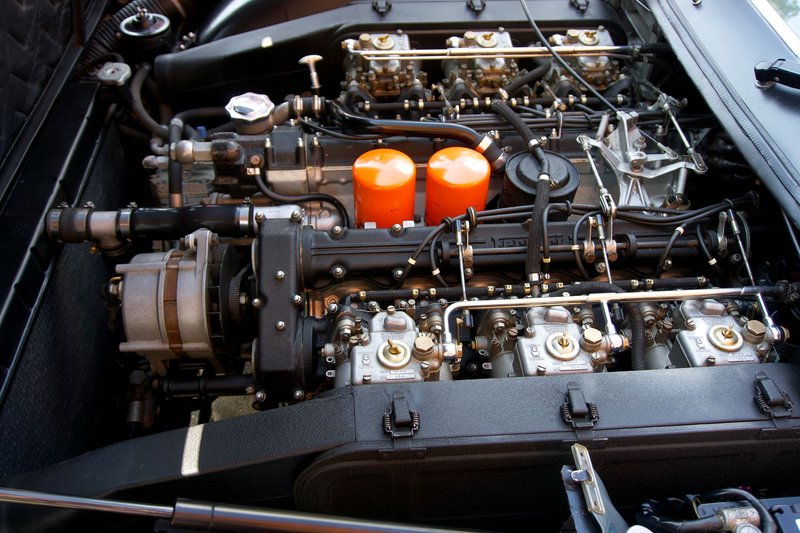
The V12 is also crowded. Two banks of cylinders, twin ignition components and a lot of plumbing fill the engine bay, and working on it is a patience test. Neglected examples run poorly, and rebuilds are expensive. A well-maintained one is the best-sounding, smoothest saloon of its time.
Jaguar XJ-S
The XJ-S arrived in 1975 as the replacement for the E-Type, and it had the unenviable job of following an icon. Buyers took one look at the buttress-style rear pillars and the unusual bodywork and weren’t sure. Critics were similarly cool at first.
By 1979 it had settled into its role. It shares the 5.3 litre V12 with the XJ12 and is a heavier, more comfortable grand tourer than the E-Type ever was. Claimed top speed was around 150 mph, which made it among the fastest production cars you could buy at the time. It’s a 2+2, and the rear seats are for small people or luggage.
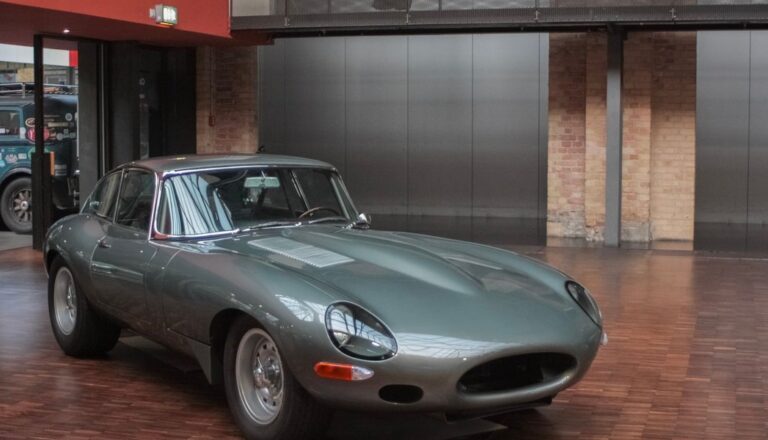
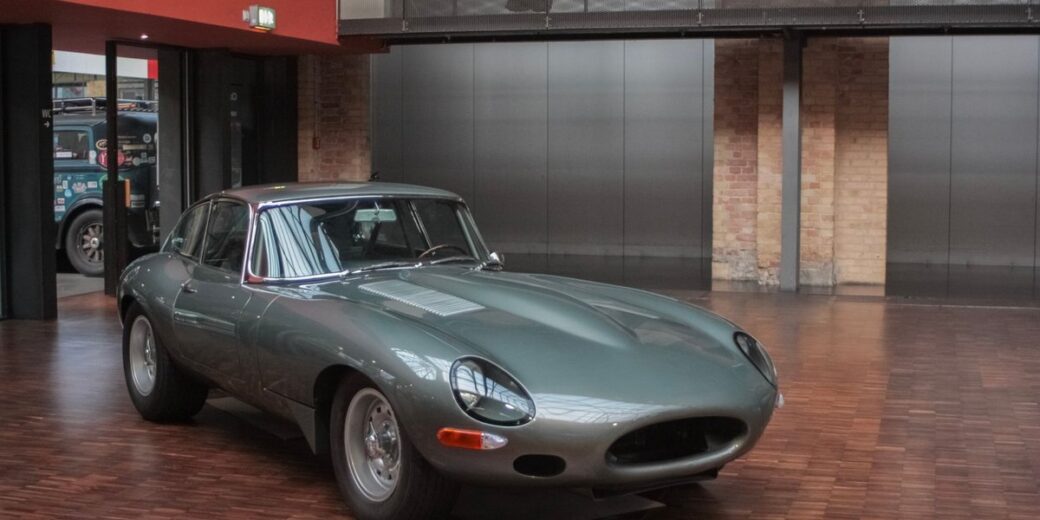
It’s the most distinctive of the three, and the one that has gained the most respect over time. Early cars like these are the purest in design, before later facelifts changed the details.
What about the coupes?
You’ll see the XJ6-C and XJ12-C mentioned in connection with this era. They were two-door, pillarless versions of the Series II XJ, and they were built in small numbers from 1975. Production ended before the Series III arrived, so there’s no Series III coupe. If a seller lists a “1979 XJ coupe,” ask hard questions about the car’s identity, or check whether it’s a late Series II sold in 1979 from stock.
Rust and reliability
Rust is the real threat on all of them. Check these areas first:
- Sills and the floor beneath the rear seat
- Wheel arches, especially the rear
- Boot floor and the area around the rear suspension mounts
- The front crossmember and the areas around the headlights
- Jacking points, which tend to be bent and corroded from poor use
On the mechanical side:
- XJ6: Look for oil leaks at the rear main seal, a worn timing chain tensioner and tired cooling systems.
- XJ12 and XJ-S: Check for cooling system neglect, fuel injection faults, tired electrics and anything that suggests the car has been left to sit. A V12 that overheats once can cause expensive damage.
- All cars: Electrical gremlins are common. Expect to chase one or two.
Check for open recalls on US-market cars through the NHTSA recall lookup. A service history from a Jaguar specialist is worth more than a low odometer reading.
What they cost today
Prices have risen in recent years as the Series III cars have become collectible, though they still sit well below the E-Type. A 4.2 XJ6 in good condition is the sweet spot. The XJ12 usually costs about the same or slightly less because running costs scare off buyers, and the XJ-S has the widest range, from neglected cars at a few thousand dollars to excellent ones in the mid-thirties.
Budget for a specialist inspection. A cheap, rusty car costs more in the end than a better one bought at a higher price.
Which 1979 Jaguar should you buy?
For most people, the 4.2 litre XJ6. It’s the best balance of comfort, simplicity and cost, and it’s the car that best represents what Jaguar was doing in 1979. If you want the most refined drive and don’t mind fuel bills, the XJ12 is the pick. If you want the one that turns heads, buy the XJ-S, and set aside money for the V12.
Whichever you choose, put condition first and badge second. Among 1979 Jaguar car models, a solid, rust-free example of any of the three beats a tired example of the “better” one.

Daniela Voss
More from Daniela VossHow we reviewed this article
This article was researched against manufacturer records and editorially reviewed before publishing. We accept no payment for coverage. Some guides contain affiliate links; see our affiliate disclosure.