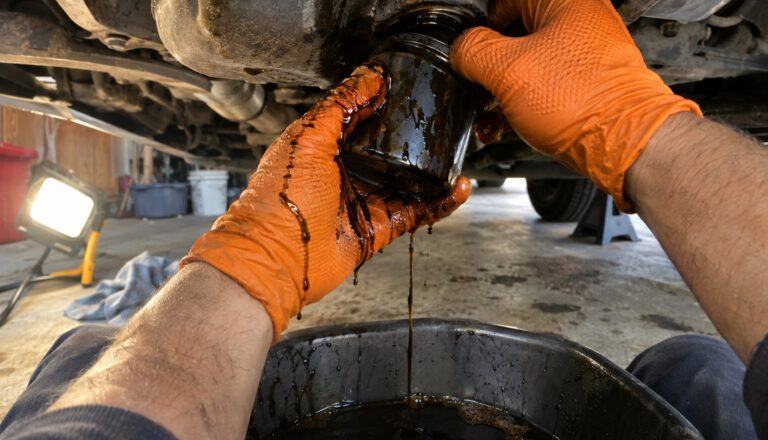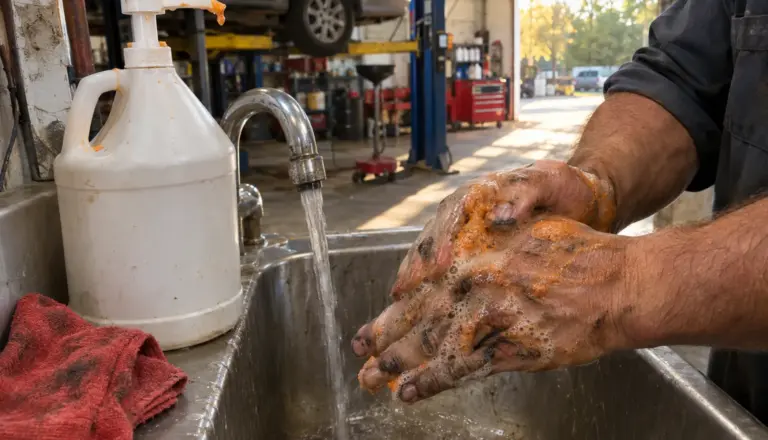
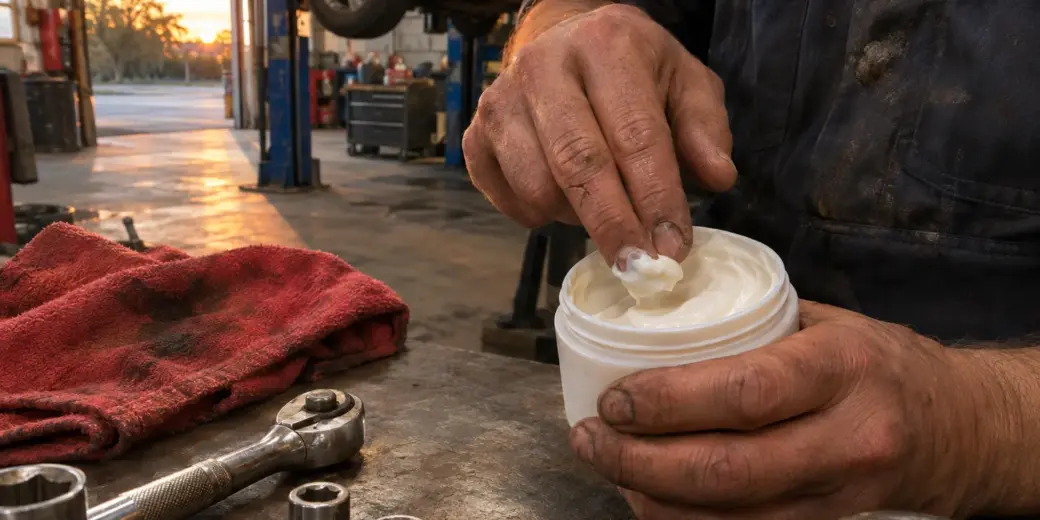
The best hand cream for mechanics is O’Keeffe’s Working Hands: a thick, unscented cream that seals moisture into cracked knuckles and split fingertips, best applied after the last hand wash of the day and again at bedtime. Pair it with a barrier lotion like Gloves In A Bottle or Workman’s Friend before your shift, keep a fast-absorbing cream like Corn Huskers at the bench so your grip stays dry, and treat deep fingertip cracks at night with Aquaphor or Bag Balm under cotton gloves. No single cream fixes mechanic hands. A routine of barrier in the morning, repair at night and gentler hand cleaner during the day does.
As an Amazon Associate we earn from qualifying purchases. Disclosure
The worst hands in every shop I worked in belonged to the fastest tech. He did brake jobs all day, sprayed brake cleaner on bare hands, scrubbed off with pumice soap at every ticket and went back out to an open bay in January. By February his thumbs had splits deep enough to bleed on the steering wheel covers, and he had a roll of electrical tape in his toolbox for wrapping them. The fix was not a magic cream. It was a box of nitrile gloves, a gentler soap at the sink and a jar of thick cream on his nightstand. This guide covers all three: 17 picks sorted by when you use them, plus a routine that works on hands that touch solvent, oil and cold steel every day. Every product was in stock on Amazon in November 2026.
Quick picks
Budget tiers replace prices, because Amazon prices change every week.
| Pick | Best for | When to use it | Budget |
|---|---|---|---|
| O’Keeffe’s Working Hands | Cracked knuckles, most mechanics | After work, bedtime | Budget |
| Neutrogena Norwegian Formula | Rough, dry hands, small tube | Bedtime | Budget |
| Eucerin Advanced Repair (urea) | Thick, rough calluses | After work | Budget |
| Gloves In A Bottle | Holding moisture through hand washes | Before work | Mid-range |
| Workman’s Friend | Barrier against grease and chemicals | Before work | Mid-range |
| Corn Huskers Lotion | Moisture without slippery hands | During the shift | Budget |
| Aquaphor Healing Ointment | Deep fingertip splits | Bedtime, under gloves | Budget |
| GOOP Hand Cleaner | Grease removal without pumice | At the sink | Budget |
Why mechanics’ hands crack
Skin stays flexible because a thin layer of oils and fats holds water in its outer layer. A mechanic’s day strips that layer over and over. Four things do most of the damage:
- Solvents. Brake cleaner, carb cleaner, parts washer fluid and gasoline dissolve grease, and the oils in your skin are grease. One spray on bare hands leaves them white and tight.
- Hand washing. Pumice soap and citrus degreasers are built to scrape off oil. Twenty washes a day with gritty soap and hot water removes skin oil faster than your body can replace it.
- Cold and wind. An open bay door in winter means cold, dry air, and dry air pulls water out of skin. Most mechanics notice their hands split between December and March.
- Wet work and friction. Coolant, used oil, sweat inside gloves and the constant rubbing of tools and rough parts break down skin, especially at the knuckles and fingertips where it bends and stretches.
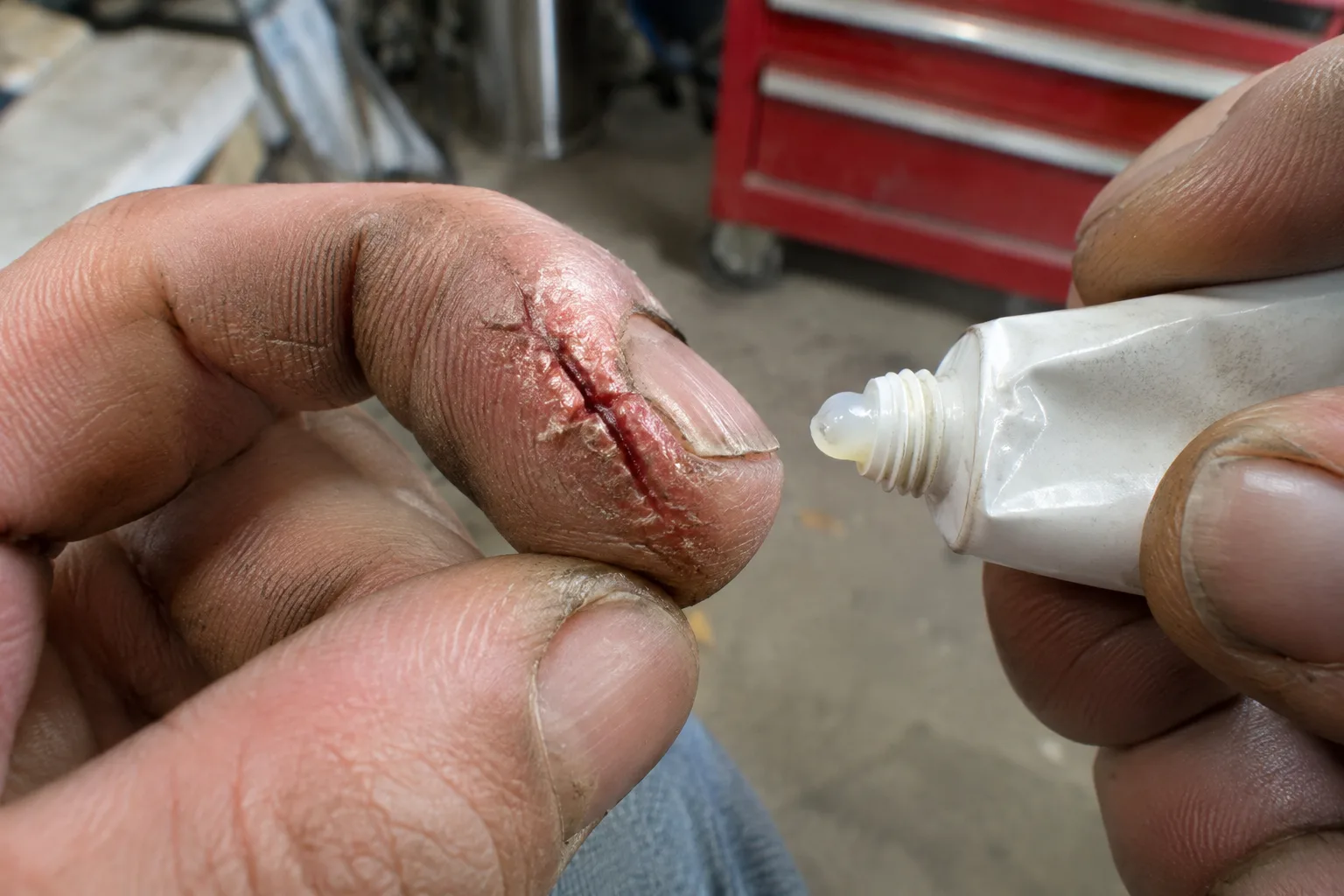
Once the outer layer dries out, skin stops stretching and starts splitting, usually at the sides of the fingertips, across the knuckles and at the corners of the nails. Those splits are deep, slow to heal and reopen every time you grip a ratchet. The American Academy of Dermatology lists frequent hand washing, wet work and contact with chemicals as the main triggers of hand eczema, and auto repair has all three.
How to choose a hand cream for mechanic hands
Hand creams on the shelf look alike, but they do different jobs. Pick based on when you will put it on and what your hands need at that moment.
Ointment, cream or lotion
The thicker the product, the better it seals in moisture and the worse it feels on a wrench. Ointments like Aquaphor and Bag Balm are mostly petrolatum and lanolin, contain little or no water and give the strongest seal. They are greasy, so they belong at bedtime. Creams like O’Keeffe’s and Neutrogena are thick but absorb in a few minutes, which makes them right for after work and before bed. Lotions like Corn Huskers are thin and soak in fast, so you can use them on a break and pick up a tool a minute later. Dermatologists recommend ointments and creams over lotions for very dry hands, because they hold moisture longer.
Ingredients that matter
- Glycerin pulls water into the skin. It is the main ingredient in O’Keeffe’s Working Hands, Neutrogena Norwegian Formula and Corn Huskers.
- Urea pulls in water and softens thick, rough skin. A 5 to 10 percent urea cream such as Eucerin Advanced Repair or Flexitol helps calloused palms. Higher strengths are for feet and can sting open cracks.
- Petrolatum, lanolin and dimethicone form a seal on top of the skin that stops water from escaping. Dimethicone is the less greasy option.
- Ceramides are the fats your skin barrier is made of. CeraVe adds three of them.
Unscented beats scented
Fragrance is one of the most common causes of allergic skin reactions, and broken skin reacts more easily. Most picks in this guide are unscented or fragrance-free. Unscented creams also do not leave a smell on a customer’s steering wheel.
Repair cream or barrier cream
A repair cream treats damage that is already there. A barrier cream goes on before work and forms a layer that helps skin hold moisture and makes grease easier to wash off. Most mechanics with cracked hands need both: a barrier in the morning and a repair cream at night.
Grip
Anything greasy on your palms is a dropped socket or a slipped wrench. During work hours use only products that absorb fully, and rub them in before you touch a tool. Save the heavy products for the end of the day.
Best hand creams for mechanics: night and after-work repair
These are the heavy-duty creams that heal cracked hands. Put them on after the last wash of the day and again at bedtime, when your hands have eight hours to absorb them without touching anything.
Best overall
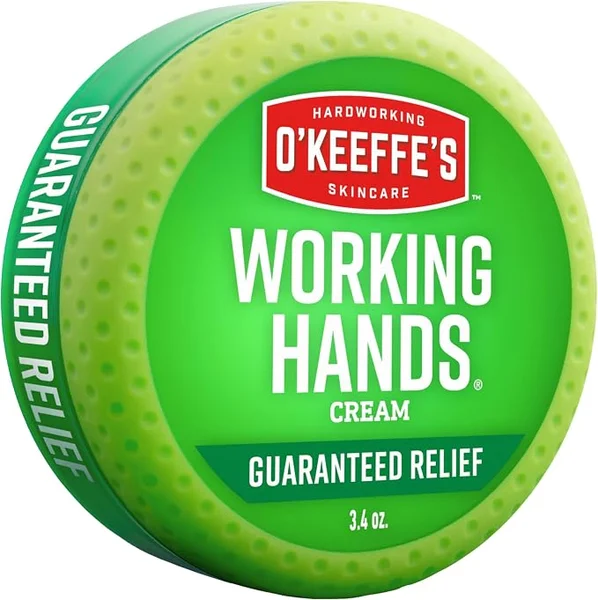
1. O’Keeffe’s Working Hands Hand Cream, 3.4 oz Jar
O’Keeffe’s Working Hands is the hand cream you will find on more workbenches and nightstands than any other. It is a concentrated glycerin cream that forms a layer on the skin and holds moisture in, built for hands that are split and cracked, not just dry. It is unscented and non-greasy once it soaks in, and a small amount covers both hands. O’Keeffe’s recommends using it after hand washing and at bedtime. With more than 100,000 ratings at 4.7 stars and over 10,000 jars sold every month, it is the most popular hand cream on Amazon.
- Type: concentrated cream
- Size: 3.4 oz jar
- Scent: unscented
- Best time: after work and at bedtime
Good: Built for cracked hands. Unscented. A little goes a long way. Not great: The jar means fingers in the cream. Takes a minute or two to absorb.
Best overnight cream
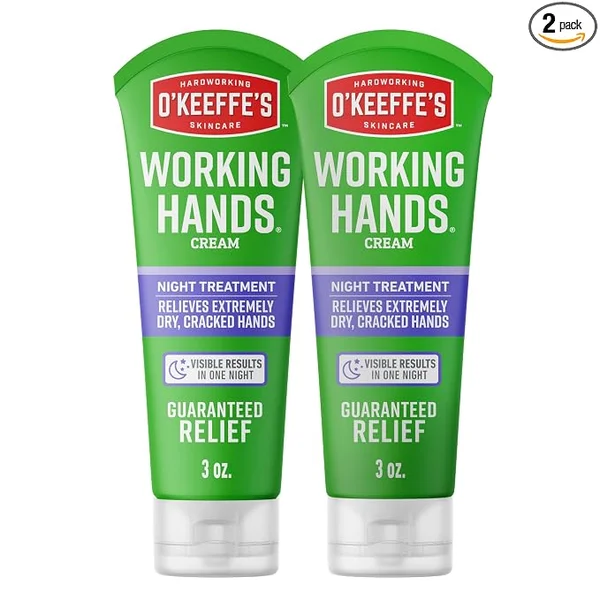
2. O’Keeffe’s Working Hands Night Treatment, 3 oz Tube 2-Pack
Night Treatment is O’Keeffe’s richer formula, made with conditioning oils and meant to work while you sleep. It comes in tubes, so you squeeze out what you need instead of digging into a jar with greasy fingers. If the regular jar does not keep up in January, this is the next step. Use it at bedtime and the regular Working Hands during the day.
- Type: night cream with conditioning oils
- Size: two 3 oz tubes
- Scent: unscented
- Best time: bedtime
Good: Richer than the original. Tubes stay clean. Not great: Too heavy for daytime use.
Best small tube
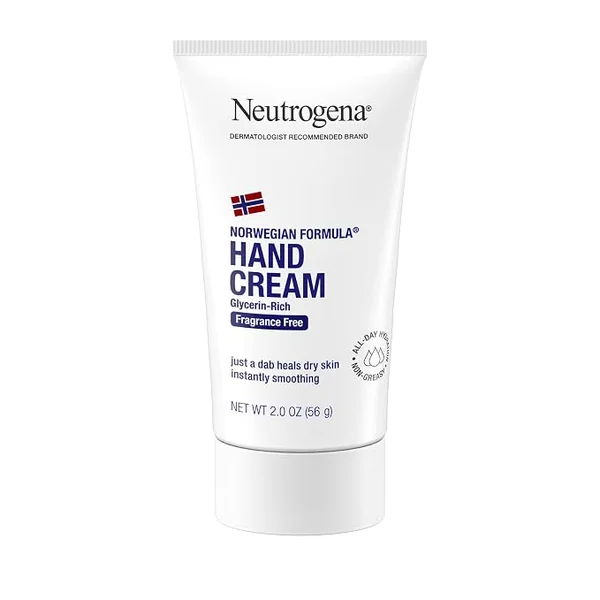
3. Neutrogena Norwegian Formula Hand Cream, Fragrance Free, 2 oz
Neutrogena Norwegian Formula is a glycerin-rich cream so concentrated that Neutrogena says one 2 oz tube holds more than 200 applications. It has been around for decades and is still one of the best-selling hand creams on Amazon, with more than 20,000 tubes bought every month. The tube is small enough for a shirt pocket, a lunch box or the top drawer of a tool chest. Use a pea-sized amount. More than that leaves your hands sticky.
- Type: concentrated glycerin cream
- Size: 2 oz tube
- Scent: fragrance free
- Best time: after work, bedtime
Good: Very concentrated. Fits in a pocket. Not great: Sticky if you use too much.
Best for calluses
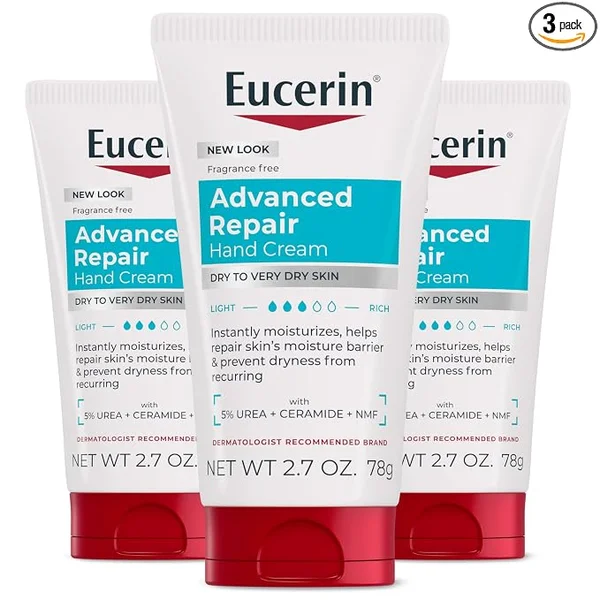
4. Eucerin Advanced Repair Hand Cream, 3 x 2.7 oz
Eucerin Advanced Repair uses 5 percent urea plus ceramides. Urea softens thick, rough skin, so this is the pick for mechanics whose palms and finger pads have turned hard and calloused and then crack at the edges. It is fragrance free and absorbs faster than the O’Keeffe’s jar. The three-pack puts one tube in the truck, one at the bench and one at home.
- Key ingredients: 5% urea, ceramides
- Size: three 2.7 oz tubes
- Scent: fragrance free
- Best time: after work
Good: Softens calluses. Three tubes for three places. Not great: Can sting on open splits. Use an ointment on those first.
Best for frequent hand washers
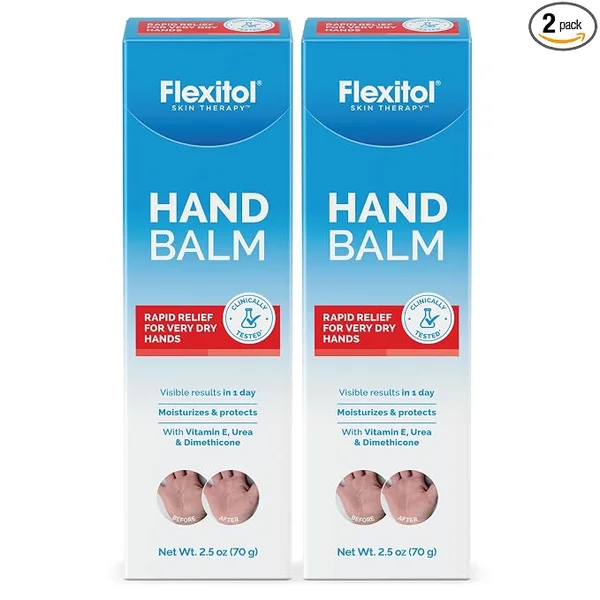
5. Flexitol Hand Balm, 10% Urea, 2 x 2 oz
Flexitol Hand Balm doubles the urea of the Eucerin cream to 10 percent and is made for people who wash their hands all day. It absorbs quickly without residue, which makes it one of the few repair creams you can use at lunch. It is a good choice if your hands are rough and dry but the skin is not yet split open.
- Key ingredient: 10% urea
- Size: two 2 oz tubes
- Finish: non-greasy
- Best time: lunch, after work
Good: Strong urea for rough skin. Absorbs fast. Not great: Stings on open cracks. Smaller tubes than most.
Best gift
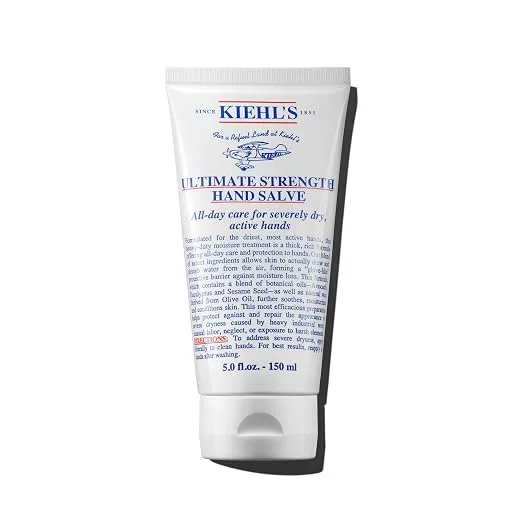
6. Kiehl’s Ultimate Strength Hand Salve
Kiehl’s Ultimate Strength Hand Salve is a thick shea butter, avocado oil and sesame oil salve made for hands dried out by manual work. It costs more than anything else in this guide, which is why it shows up in gift guides more than on workbenches. If you are buying a hand cream for a mechanic and want it to feel like a gift, this is the one. For your own toolbox, the O’Keeffe’s jar does the same job for less.
- Key ingredients: shea butter, avocado oil, sesame oil
- Type: rich salve
- Best time: after work, bedtime
Good: Rich formula. Feels like a gift. Not great: Premium tier. Thick enough to need time to absorb.
Best barrier creams for mechanics: before work
A barrier cream goes on clean, dry hands before the shift starts. It does not replace gloves. It helps your skin keep its moisture through repeated washing and makes grease and grime easier to wash off, which means less scrubbing with harsh soap.
Best barrier lotion
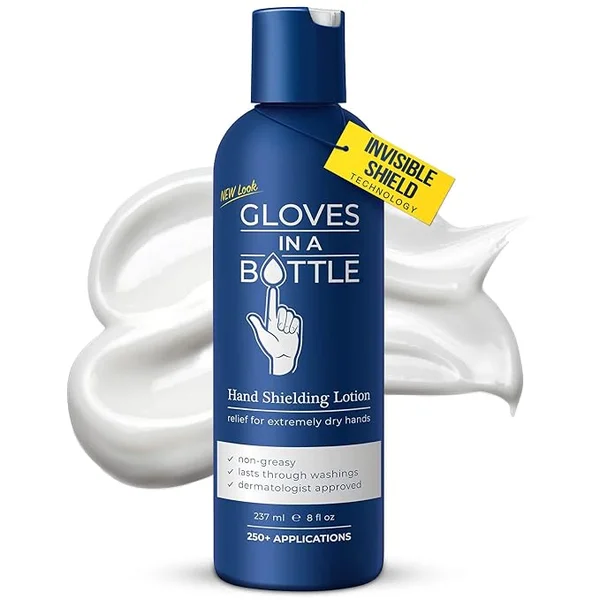
7. Gloves In A Bottle Shielding Lotion, 8 oz
Gloves In A Bottle is a shielding lotion: rub it in before work and it bonds to the outer layer of skin to hold moisture in while you wash your hands through the day. The company says one application lasts through multiple washes for up to 12 hours. It is fragrance free and non-greasy, so it does not affect your grip. It has more than 14,000 ratings at 4.4 stars, and the listing names mechanics among the people who use it most.
- Type: shielding lotion
- Size: 8 oz bottle
- Lasts: through multiple hand washes
- Scent: fragrance free
Good: Prevents dryness instead of only treating it. Does not affect grip. Not great: Not a chemical barrier. Wear nitrile around solvents.
Best for grease and chemicals
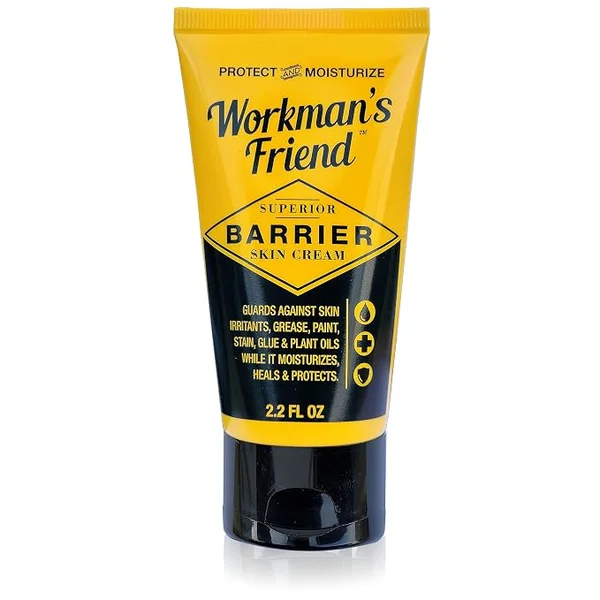
8. Workman’s Friend Barrier Skin Cream
Workman’s Friend is a barrier cream made for trades work. It forms a non-greasy layer that the company says lasts up to four hours, stays on through normal hand washing and helps keep grease, paint, glue and similar irritants off the skin. Workman’s Friend sells it specifically for automotive work. It also moisturizes, so it doubles as a daytime cream for cracked hands.
- Protection: up to 4 hours
- Use: before work, reapply at lunch
- Also: moisturizes cracked hands
Good: Made for automotive and trades work. Survives hand washing. Not great: Small tube. Reapply at lunch on long shifts.
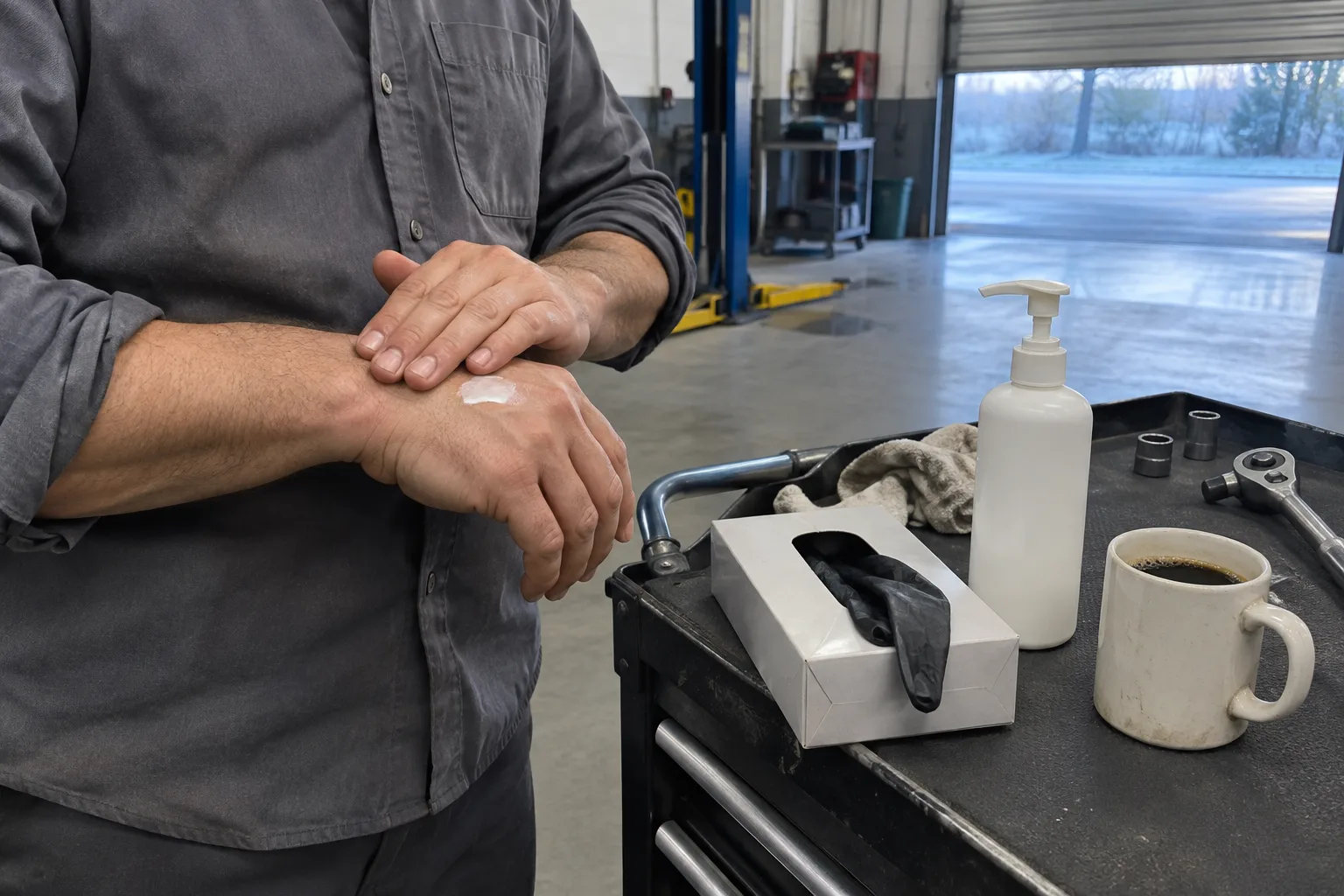
Best non-greasy hand creams for the workday
These absorb fast enough to use on a break. Rub them in fully, wipe your palms on a shop towel and you can pick up a tool.
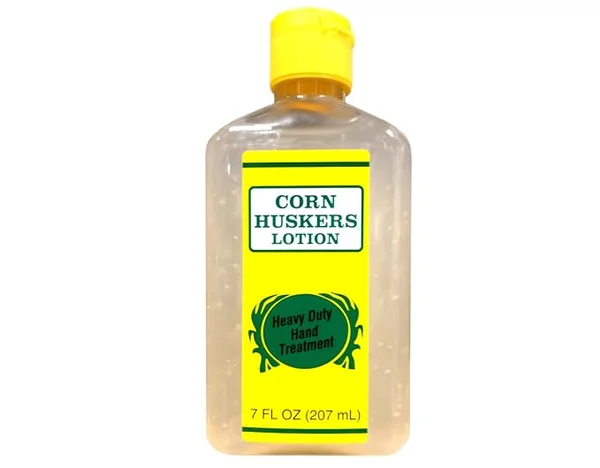
Best non-greasy lotion
9. Corn Huskers Hand Lotion
Corn Huskers has been sold to farmers and tradespeople since 1919. It is a thin, oil-free glycerin lotion that soaks in in seconds and leaves no film, so it is the safest choice when you need moisture and grip at the same time. It is not strong enough to heal deep cracks on its own. Use it during the day and a heavier cream at night.
- Type: oil-free glycerin lotion
- Finish: absorbs in seconds
- Best time: breaks, lunch, after washing
Good: No greasy film. Safe to use mid-job. Not great: Too light for split skin by itself.
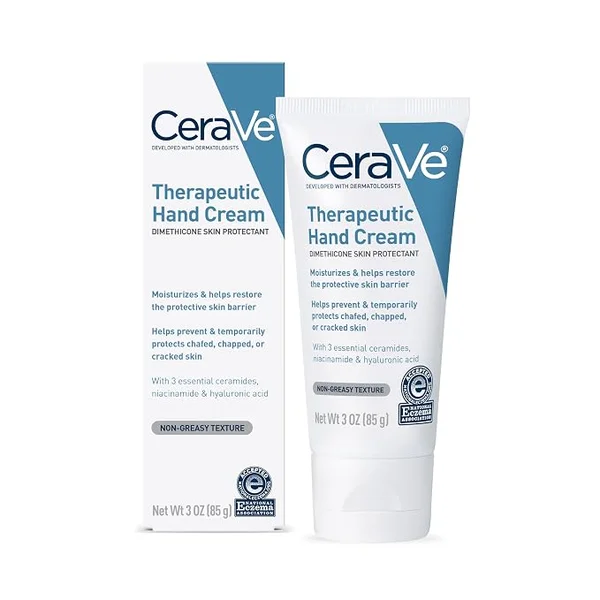
Best for sensitive skin
10. CeraVe Therapeutic Hand Cream, 3 oz
CeraVe Therapeutic Hand Cream is a fast-absorbing skin protectant made for over-washed hands. It combines dimethicone with three ceramides, hyaluronic acid and niacinamide, and it carries the National Eczema Association Seal of Acceptance. If your hands get red, itchy or bumpy instead of just dry, this is the gentler pick.
- Key ingredients: ceramides, dimethicone, niacinamide
- Size: 3 oz tube
- Accepted by: National Eczema Association
Good: Gentle on irritated skin. Non-greasy. Not great: Lighter than O’Keeffe’s on deep cracks.
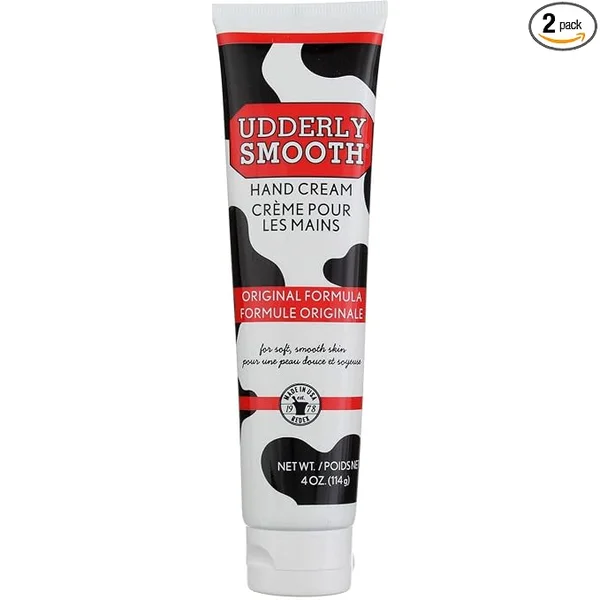
Best value
11. Udderly Smooth Hand Cream, 4 oz 2-Pack
Udderly Smooth started as an udder cream for dairy farmers and became a hand cream for anyone with rough hands. The two-pack of 4 oz tubes costs less per ounce than most picks here, so you can leave one at work and one at home. It is lightly scented and absorbs without a greasy feel.
- Size: two 4 oz tubes
- Scent: light
- Finish: non-greasy
Good: Low cost per ounce. Two tubes. Not great: Lightly scented. Not as heavy as O’Keeffe’s.
Best for split fingertips and deep cracks
Deep fingertip splits need a seal, not more moisture. These are the ointments and tools for cracks that bleed or reopen every time you grip something.
Best for deep cracks
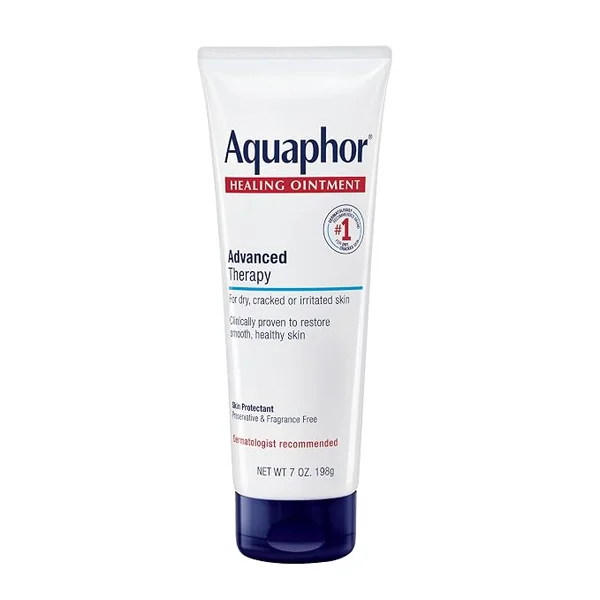
12. Aquaphor Healing Ointment, 7 oz
Aquaphor is a water-free petrolatum ointment that seals cracked skin and keeps it moist while it heals. Dermatologists recommend petrolatum for wound care because a moist wound heals faster than a dry one. Dab it into each split at bedtime and cover with cotton gloves. It is too greasy for work hours. With almost 59,000 ratings at 4.8 stars, it is one of the highest-rated skin products on Amazon.
- Type: petrolatum ointment
- Size: 7 oz tube
- Use: bedtime, on cracks, under cotton gloves
Good: Strong seal for open splits. Gentle on broken skin. Not great: Greasy. Nighttime only.
Best classic
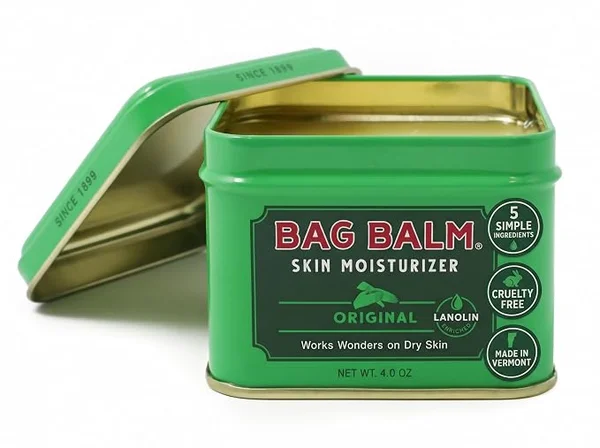
13. Bag Balm Original, 4 oz Tin
Bag Balm has been made in Vermont since 1899, first for cow udders and then for the farmers milking them. It is a thick petrolatum and lanolin balm that works much like Aquaphor on cracked hands, heels and cuticles. The tin is tough enough to live in a toolbox or a truck door pocket. Lanolin can irritate the small number of people allergic to wool.
- Type: petrolatum and lanolin balm
- Size: 4 oz tin
- Use: bedtime, on cracks and cuticles
Good: Very heavy seal. Tin survives a toolbox. Not great: Greasy and has a medicinal smell. Not for wool allergies.
Best for splits during work
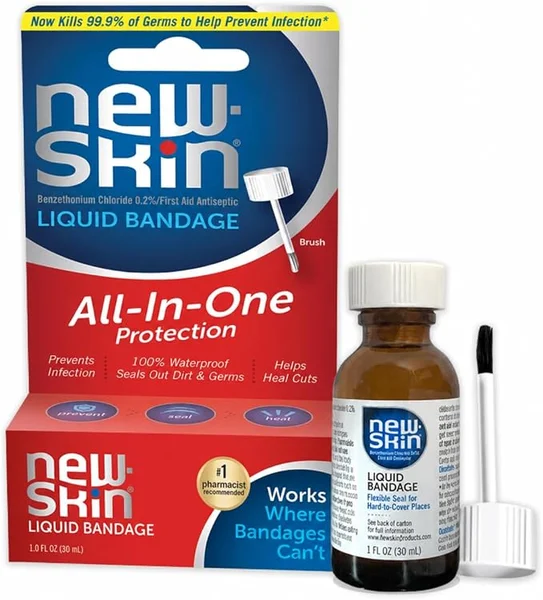
14. New-Skin Liquid Bandage, 1 oz
A liquid bandage brushes on, dries in about a minute and forms a thin waterproof cover over a fingertip split. It stays put better than an adhesive bandage on a finger that grips tools all day, and it keeps oil and dirt out of the crack. It stings for a few seconds on application. Use it on clean, dry cracks in the morning and the ointment at night.
- Size: 1 oz bottle with brush
- Dries: clear and waterproof
- Use: before work on clean cracks
Good: Covers a split during work. Waterproof. Not great: Stings on application. Wears off after a day or two.
Best overnight add-on
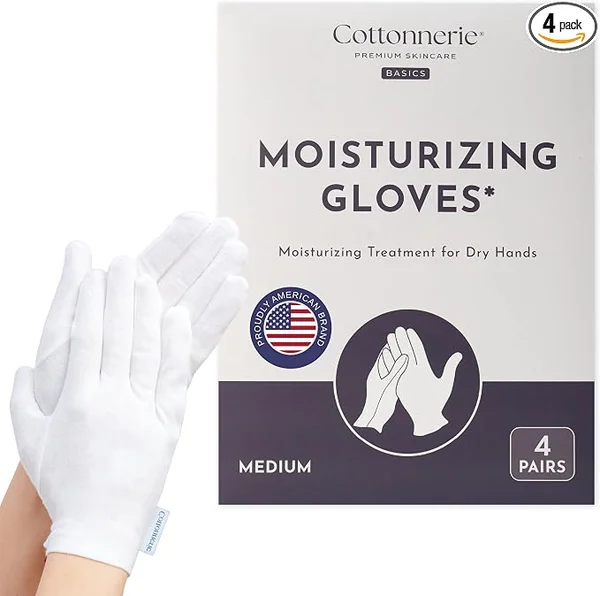
15. Cottonnerie Cotton Gloves for Dry Hands, 4 Pairs
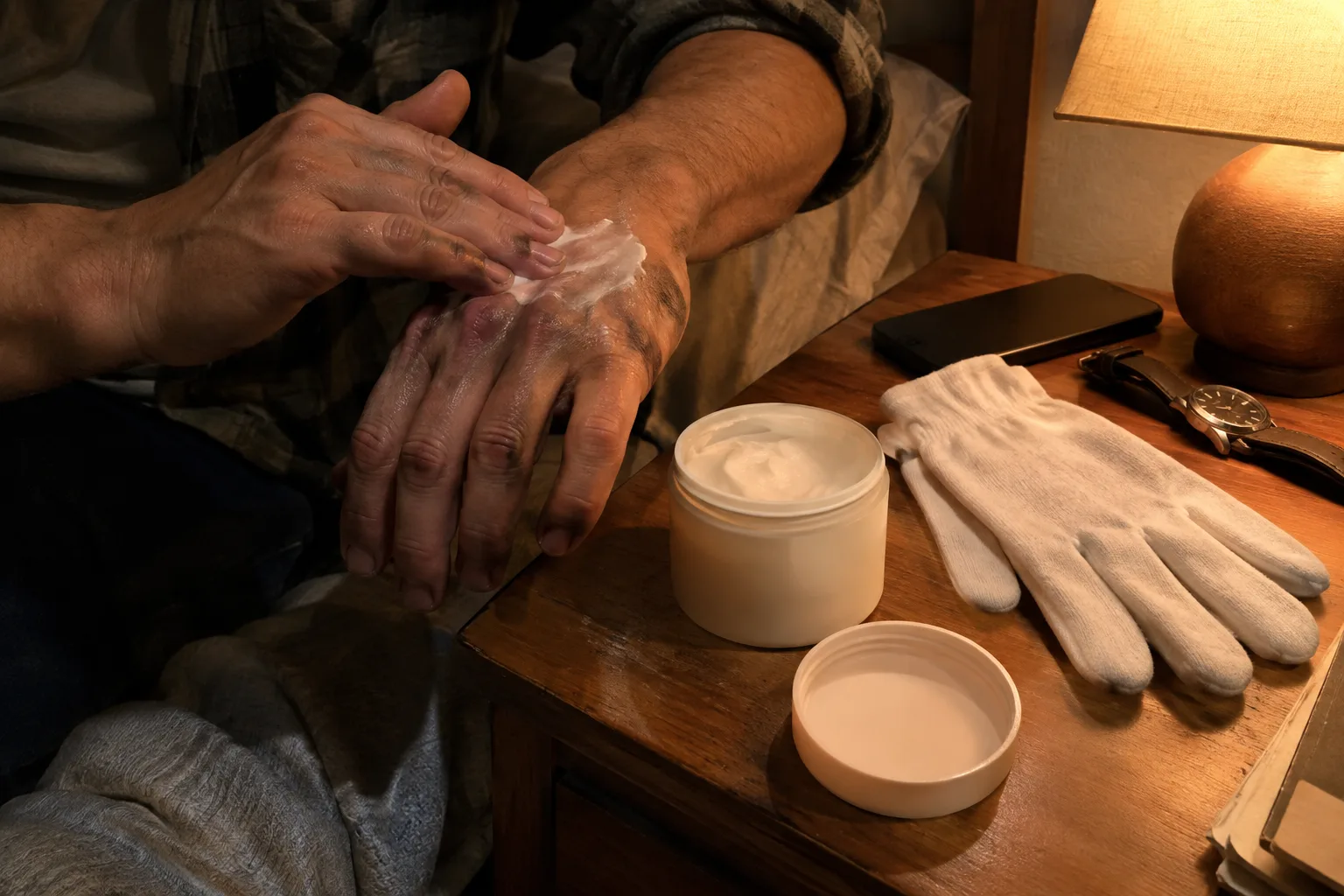
Cotton gloves over a heavy cream or ointment keep it on your hands instead of your sheets, and the trapped warmth helps the skin absorb it. These are 100 percent cotton with a loose wrist and come in sizes measured from wrist to middle fingertip. Four pairs means you can wash them without running out. Wear them only at night. Cotton soaks up oil and solvent, so it does not belong in the shop.
- Material: 100% cotton
- Pack: 4 pairs
- Sizing: measure wrist to middle fingertip
Good: Doubles what you get from a night cream. Washable. Not great: Bedtime only. Never wear cotton gloves around solvents.
Hand cleaners that won’t dry out your hands
The fastest way to heal mechanic hands is to stop damaging them at the sink. Gritty pumice soap scrubs off skin along with grease. Use these for everyday cleanup and save pumice for the worst jobs. For pumice lotions, wipes and nail brushes too, see our guide to the best hand cleaner for mechanics.
Best gentle hand cleaner
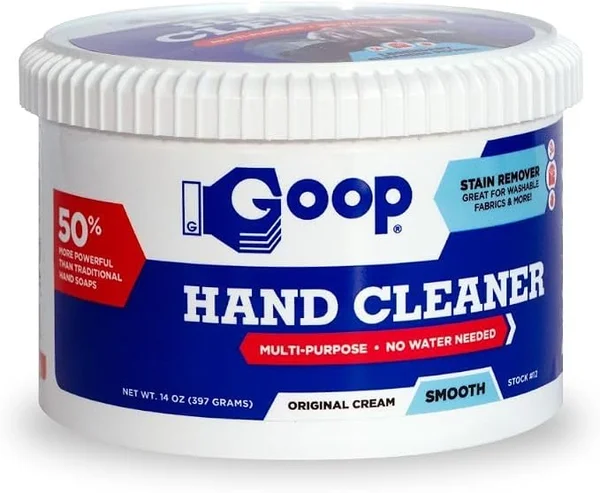
16. GOOP Multi-Purpose Hand Cleaner
GOOP is a waterless cream hand cleaner with no pumice, no petroleum and no harsh solvents. It contains lanolin and glycerin, so it moisturizes while it lifts grease, tar and paint. Rub it in, wipe it off with a shop towel, then rinse. It removes grease well but needs more rubbing than a pumice soap on ground-in dirt.
- Type: waterless cream, no pumice
- Contains: lanolin, glycerin
- Also: removes stains from work clothes
Good: Cleans without scraping skin. Moisturizes. Not great: Slower than pumice soap on ground-in grime.
Best for road calls
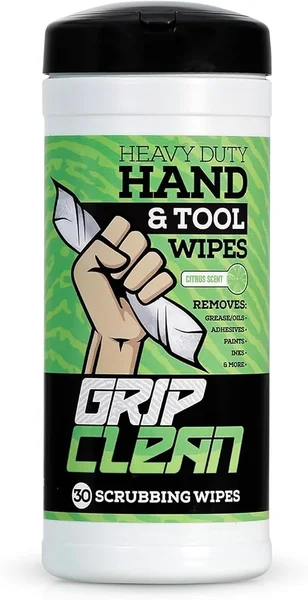
17. Heavy Duty Hand Cleaning Wipes, 30 Count
These large two-sided wipes have a textured side for grease and a smooth side for wiping off. They need no water and contain moisturizers, so they are a good pick for mobile mechanics, road calls and the driveway. Follow with a fast-absorbing lotion, because any wipe strong enough for grease dries skin a little.
- Count: 30 wipes
- Design: textured and smooth sides
- Use: no water needed
Good: Works anywhere. Moisturizers included. Not great: Citrus scent. Follow with a lotion.
A hand care routine for mechanics
Cream alone will not keep up with a shop. Use the right product at the right time of day.
| When | What to do | Products |
|---|---|---|
| Before your shift | Rub a barrier cream into clean, dry hands, including between the fingers and around the nails. Cover open splits with liquid bandage. | Gloves In A Bottle, Workman’s Friend, New-Skin |
| During work | Wear nitrile gloves for solvents, brake cleaner, fuel and used oil. Change them when they tear or feel wet inside. | Nitrile gloves |
| Every hand wash | Use lukewarm water and a cleaner without pumice for most jobs. Pat dry. Apply a light lotion within a few minutes. | GOOP, Corn Huskers, CeraVe |
| End of the shift | Wash, dry, then work in a heavy cream, paying attention to knuckles and fingertips. | O’Keeffe’s, Eucerin, Neutrogena |
| Bedtime | Apply a night cream, then an ointment into any cracks, and sleep in cotton gloves. | O’Keeffe’s Night Treatment, Aquaphor or Bag Balm, cotton gloves |
The timing matters as much as the product. Dermatologists recommend putting moisturizer on within a few minutes of washing, while the skin is still slightly damp, so the cream traps that water in. The bedtime step does the most healing because your hands get hours without washing, gripping or solvent.
How to heal a split fingertip
- Clean it. Wash with mild soap and lukewarm water and pat dry. Do not pick at the edges or trim the dry skin around it.
- Seal it at night. Put a dab of petrolatum ointment like Aquaphor or Bag Balm directly into the crack and cover the hand with a cotton glove, or the fingertip with an adhesive bandage.
- Cover it during work. Brush on a liquid bandage in the morning, then wear nitrile gloves. Oil and grime in an open split slow healing and raise the risk of infection.
- Keep solvents off it. Brake cleaner on an open crack hurts and dries the skin around it.
- Repeat every night. Most fingertip splits close in about a week once they are kept sealed and moist. If they don’t, go to step one of the next section.
Do barrier creams work for mechanics?
Barrier creams help, but less than the name suggests. Studies of occupational barrier creams show mixed results: they reduce dryness and make dirt easier to wash off, but they do not stop solvents the way gloves do. Barrier creams are a supplement to gloves, not a replacement.
Gloves have limits too. The American Academy of Dermatology describes a print shop worker whose hand eczema kept coming back even though he wore gloves. The solvent soaked through them after about four hours, and he was reusing the same pair for weeks. His dermatologist had him put on fresh gloves every day. The same rule applies in a shop: nitrile gloves are rated for limited contact with solvents and fuel, so change them when they tear, swell or feel wet inside, and never reuse a pair that has soaked in brake cleaner.
Most techs who keep their hands healthy year-round do three things: wear nitrile for the dirty jobs, use a barrier cream in the morning and put on a heavy cream every night.
When cracked hands need a doctor
Most mechanic hands get better within two to three weeks of a consistent routine. See a doctor or dermatologist if:
- Cracks stay open for more than two weeks despite ointment and gloves.
- You get itchy blisters, red patches or swelling, which can point to hand eczema or an allergy to something you touch, including glove materials or a cream ingredient.
- A crack turns red, hot, swollen or starts to leak pus, which are signs of infection.
- Rough, cracked skin appears on the sides of your index fingers and thumbs along with muscle weakness, joint pain or shortness of breath.
The last one matters because doctors use the term “mechanic’s hands” for a rash linked to antisynthetase syndrome, an autoimmune condition. It is rare, and it has nothing to do with working on cars, but it looks a lot like ordinary work-cracked hands. If cracking shows up with symptoms like those above, get it checked.
Hand cream as a gift for a mechanic
Hand cream is one of the few gifts a working mechanic is guaranteed to use up. A jar of O’Keeffe’s, a tube of Kiehl’s or a small kit of barrier lotion, night cream and cotton gloves fits easily in a stocking. For more small gifts like that, see our stocking stuffers for mechanics. For bigger gifts, our Christmas gifts for mechanics covers cordless tools, creepers and shop heaters. For a weekend mechanic who mostly needs nitrile gloves and detailing supplies, our stocking stuffers for car guys is a better fit.
Hand cream for mechanics FAQ
What is the best hand cream for mechanics?
O’Keeffe’s Working Hands is the best hand cream for most mechanics. It is a concentrated, unscented glycerin cream made for cracked hands, and it works best applied after the last wash of the day and at bedtime. Mechanics with very rough, calloused hands may do better with a urea cream such as Eucerin Advanced Repair.
What lotion do mechanics use?
Mechanics usually use two kinds: a barrier lotion such as Gloves In A Bottle or Workman’s Friend before work, and a heavy repair cream such as O’Keeffe’s Working Hands after work. During the day, a fast-absorbing lotion like Corn Huskers adds moisture without making hands slippery on tools.
Does hand cream make tools slippery?
Heavy creams and ointments do until they absorb, which can take several minutes. During work, use a thin, oil-free lotion like Corn Huskers or a non-greasy cream like CeraVe, rub it in fully and wipe your palms before picking up a tool. Save thicker creams and ointments for the end of the day.
Is barrier cream as good as gloves?
No. Barrier creams reduce dryness and make grease easier to wash off, but they do not block solvents, fuel and brake cleaner the way nitrile gloves do. Use a barrier cream under or alongside gloves, not instead of them.
How do mechanics get grease off their hands without drying them out?
Use a waterless cream cleaner without pumice, such as GOOP, for most cleanups, wash with lukewarm instead of hot water and apply a lotion within a few minutes of drying. Keep pumice soap for heavy, ground-in grime. Wearing nitrile gloves for dirty jobs reduces how often you need to scrub at all.
Is O’Keeffe’s Working Hands good for mechanics?
Yes. O’Keeffe’s Working Hands is made for extremely dry, cracked hands, is unscented and is non-greasy once absorbed. It has more than 100,000 ratings at 4.7 stars on Amazon and is one of the most common hand creams in repair shops. For the best results, apply it after work and at bedtime.
Is Vaseline or Aquaphor good for cracked mechanic hands?
Yes, at night. Petrolatum ointments like Vaseline and Aquaphor seal cracks and keep them moist while they heal. They are too greasy for work hours, so apply them at bedtime and wear cotton gloves to keep the ointment on your hands.
Why do my hands crack more in winter?
Cold, dry air pulls water out of the skin, and an open bay door makes a shop colder and drier than a house. Combined with solvents and frequent hand washing, that is why most mechanics see their worst cracking between December and March. Starting a barrier and night cream routine in the fall prevents most of it.
What hand cream should I buy a mechanic as a gift?
A jar of O’Keeffe’s Working Hands is the safe choice and the one most mechanics already trust. For something that feels more like a gift, choose Kiehl’s Ultimate Strength Hand Salve, or put together a set with a barrier lotion, a night cream and a pair of cotton gloves.
Sources
- American Academy of Dermatology, Hand eczema: overview.
- American Academy of Dermatology, Dermatologists’ top tips for relieving dry skin.
- DermNet, Hand dermatitis.
- Wikipedia, Barrier cream.
- U.S. Bureau of Labor Statistics, Occupational Outlook Handbook: Automotive Service Technicians and Mechanics.
- Product specifications, ratings and sales figures from each product’s Amazon listing, checked November 18, 2026.

James Kowalski
More from James KowalskiHow we reviewed this article
This article was researched against manufacturer records and editorially reviewed before publishing. We accept no payment for coverage. Some guides contain affiliate links; see our affiliate disclosure.