Short answer: Once a month, check tire pressure, tread, lights, fluid levels, wipers and warning lights. Change the oil and filter every 5,000 to 10,000 miles (or when the oil-life monitor says so, at least once a year) and rotate the tires every 5,000 to 8,000 miles. Replace the engine air filter around 30,000 miles, transmission fluid around 60,000 and spark plugs and coolant around 100,000. Your owner’s manual has the exact numbers for your car.
Most people either overdo maintenance or forget it until a warning light comes on. The 3,000-mile oil change is a leftover from older engines, while the jobs that actually prevent big repair bills, like brake fluid, coolant and a timing belt, get skipped because nothing reminds you. Type your mileage into the tool below to see what is due now, or download the printable checklists further down.
Full schedule
The tool uses typical intervals for a modern gasoline car. Tick items as you finish them and the page remembers your ticks on this device. The print button turns the list into a one-page sheet for the shop or the garage wall.
This article contains Amazon affiliate links. 33gears earns a commission on qualifying purchases. See our affiliate disclosure.
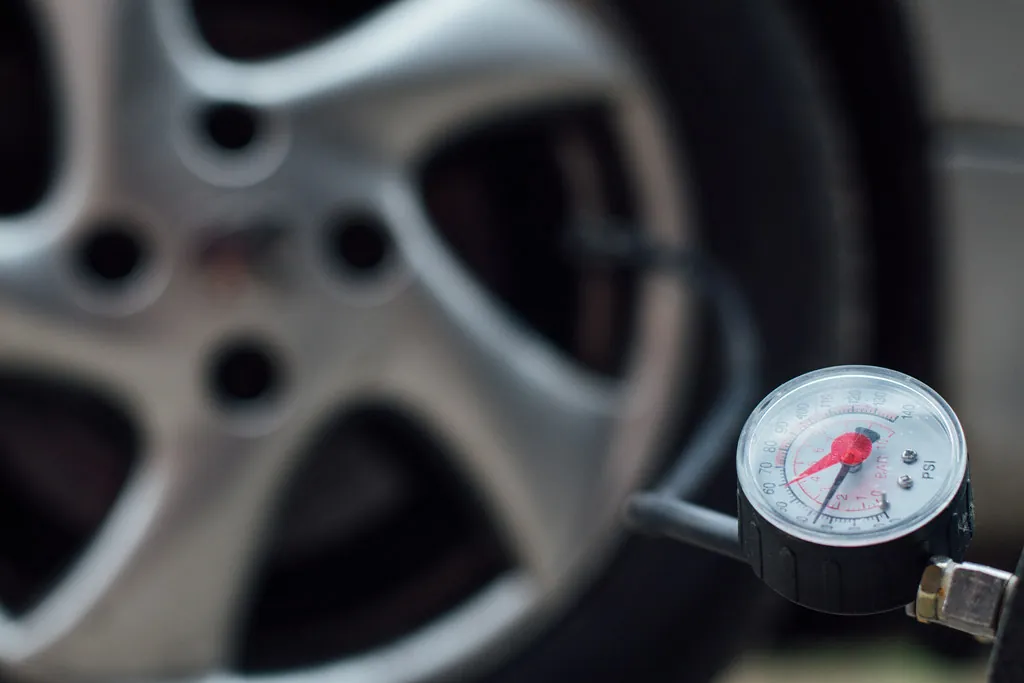
Basic car maintenance checklist (every month)
A monthly check takes about five minutes and catches most problems before they leave you stranded. Do it with the car parked on level ground and the engine cold, ideally in the morning before you drive.
Car maintenance schedule by mileage
The table lists each service with its typical interval under normal driving and under severe use. Whichever comes first, miles or time, sets the due date. Severe use is defined further down; most drivers with short commutes in cold winters fall into it.
| Service | Normal driving | Severe driving |
|---|---|---|
| Engine oil and filter | 7,500 mi or 1 year | 5,000 mi or 6 months |
| Rotate tires | 6,000 mi or 6 months | 5,000 mi or 6 months |
| Brake inspection (pads, rotors, lines) | 6,000 mi or 1 year | 5,000 mi or 6 months |
| Cabin air filter | 20,000 mi | 10,000 mi |
| Engine air filter | 30,000 mi | 15,000 mi |
| Brake pads (replace by wear) | 50,000 mi | 30,000 mi |
| Automatic transmission fluid | 60,000 mi | 30,000 mi |
| CVT fluid (if equipped) | 60,000 mi | 30,000 mi |
| Differential and transfer case fluid (AWD/4WD) | 60,000 mi | same |
| PCV valve and hoses | 60,000 mi | 30,000 mi |
| Serpentine (accessory) belt | 75,000 mi | 60,000 mi |
| Timing belt (only if the engine has one) | 90,000 mi or 6 years | 60,000 mi or 6 years |
| Spark plugs | 100,000 mi | 60,000 mi |
| Engine coolant | first at 100,000 mi, then 50,000 mi or 5 years | same |
Ranges vary between makers. Toyota’s 2026 schedules call for synthetic oil every 10,000 miles, while many other brands rely on an oil-life monitor that lands somewhere between 5,000 and 10,000. Spark plugs run from 60,000 miles on some turbo engines to 120,000 on Toyota’s. Treat the table as the default and the owner’s manual as the final word for your car.
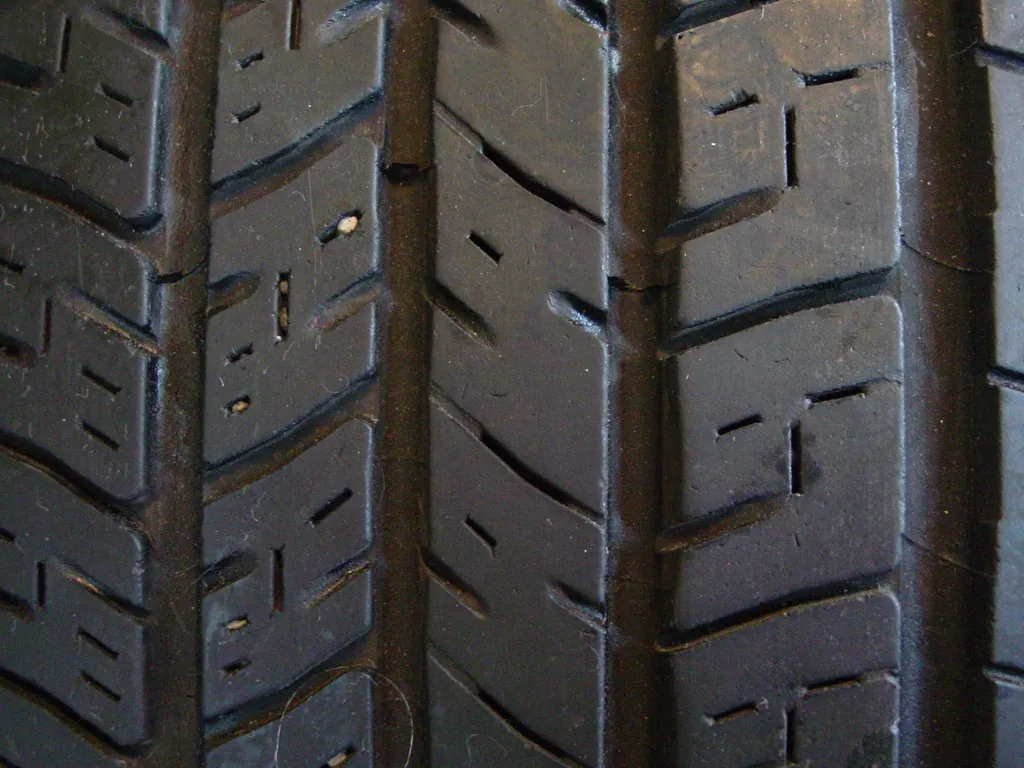
Car maintenance checklist by mileage: the big milestones
Shops bundle services at round numbers. Here is what usually lands at each one, on top of the oil changes and tire rotations that happen all along.
Missed one? Enter your current mileage in the tool above: it lists the milestones you already passed under “Check your records”, so you can confirm against your receipts.
Normal vs severe service: which schedule is yours?
Use the severe schedule if most of your driving matches any item on the right. Despite the name, it is the normal pattern for many commuters. Cars with an oil-life monitor already adjust for it, so follow the monitor for oil, but use the severe numbers for filters and fluids.
Short trips are hard on oil because the engine never gets hot enough to burn off the water and fuel that collect in it. Toyota halves its oil interval, to 5,000 miles or 6 months, when most trips are under five miles in freezing weather.
Maintenance that goes by time, not miles
Some parts age whether you drive or not. Low-mileage cars and weekend cars need these on the calendar.
Vehicle maintenance log: why keep one
A maintenance log protects your warranty and adds value when you sell. Write down the date, mileage, the work done and the parts used for every service, and keep the receipts with it.
- Warranty: federal law lets you use any shop, not only the dealer, without voiding the warranty. Toyota’s manual states that you can do the maintenance yourself. If a claim is questioned, your records are the proof.
- Resale: a buyer pays more for a car with a full service history, and the log answers the first question every buyer asks about timing belts and transmission fluid.
- Planning: the log shows what is coming next, so the 60,000-mile service does not land as a surprise bill.
Print the vehicle maintenance log (PDF) and keep it in the glovebox, or pair it with the car maintenance schedule by mileage, which has a box to tick at each milestone from 5,000 to 150,000 miles.
Electric and hybrid car maintenance
Hybrids need almost the same checklist as gasoline cars, with longer-lasting brakes. Electric cars skip the engine work but keep the rest.
EV tires wear faster because of the extra weight and instant torque, so Bridgestone suggests rotating them every 5,000 to 6,000 miles. Battery coolant intervals vary widely by brand, so check the manual.
Warning signs that should not wait for the next service
Some problems need a shop this week, whatever the schedule says.
A steady check engine light leaves time to find the cause. A basic OBD2 scanner reads the code in a minute, and the OBD2 code lookup explains what it means. If you need one, the best OBD2 scanners for beginners start at simple plug-in readers such as this OBD2 code reader.
Frequently asked questions
A basic checklist covers tire pressure and tread, lights, oil and coolant levels, washer fluid, wipers and dashboard warning lights every month, plus oil changes and tire rotations every 5,000 to 10,000 miles.
Most modern cars need a service every 5,000 to 10,000 miles or once a year, whichever comes first. Cars with an oil-life monitor tell you when; without one, follow the mileage in the owner’s manual.
It groups services at 30,000, 60,000 and 90,000 miles: filters at 30,000, transmission fluid and belt inspection at 60,000, and timing belt and the filter service again at 90,000. Exact items vary by car.
No, not for most cars built in the last 20 years. Modern engines on synthetic oil typically go 5,000 to 10,000 miles between changes, but the oil should still be changed at least once a year.
No. In the US the Magnuson-Moss Warranty Act lets you use any repair shop for routine maintenance. Keep the receipts and use parts that meet the manual’s specifications.
The 60,000-mile service usually includes oil and filter, tire rotation, both air filters, a brake inspection, transmission fluid on many schedules and a check of belts, hoses and the battery.
Not long without risk. Oil left far past its interval sludges and wears the engine, and old brake fluid and worn tires make stopping less safe. Even a stored car needs an oil change and battery care once a year.
Follow it if most of your trips are under five miles, you sit in stop-and-go traffic, tow, drive on dusty roads or live where it is very hot or cold. Many commuters qualify.
Sources
- NHTSA. Tires
- AAA. How often should you change your oil?
- AAA Newsroom. Tread lightly: worn tires put drivers at risk
- AAA. How long do car batteries last?
- Chevrolet. Oil life monitoring system
- Toyota. 2026 Corolla warranty and maintenance guide
- Car Care Council. Car care tips
- Bridgestone. Tire rotation
- FTC. Auto warranties and auto service contracts
- US Department of Energy. Maintenance and safety of electric vehicles

James Kowalski
More from James KowalskiHow we reviewed this article
This article was researched against manufacturer records and editorially reviewed before publishing. We accept no payment for coverage. Some guides contain affiliate links; see our affiliate disclosure.