
Short answer: Before a road trip, book any service that is due and get the battery and brakes checked a week or two ahead. The day before, set tire pressure on cold tires (spare included), check tread, oil, coolant, washer fluid, lights and wipers, look up open recalls by VIN and pack an emergency kit. At each fuel stop, walk around the car and glance at the tires and the dash.
Most road trip breakdowns are predictable. AAA’s roadside data puts dead batteries and tows far ahead of everything else, and summer heat finds weak batteries, old coolant and underinflated tires faster than daily driving does. The checklist below is ordered by when to do each item, so shop work gets done while there is still time to order parts.
Ticks stay saved on this device, and the road trip checklist PDF prints the same list on one page with a notes box for pressures and phone numbers.
This article contains Amazon affiliate links. 33gears earns a commission on qualifying purchases. See our affiliate disclosure.
When to do each check before a road trip
Start one to two weeks out. That leaves time to book a shop, wait for parts and drive a few days on any repair before you are hundreds of miles from home.
Check the tires first
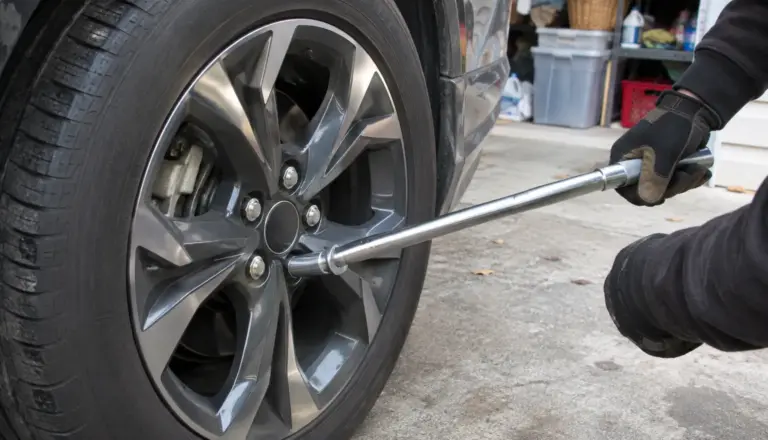
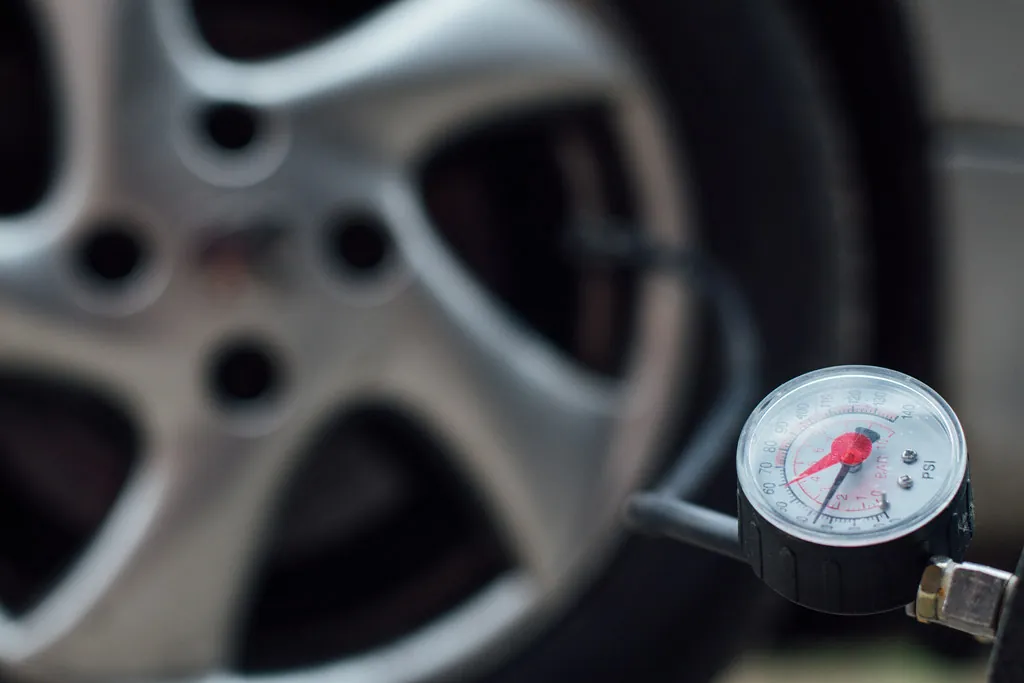
Tires deserve the most attention because a full car, highway speed and summer heat load them harder than any other part. Do this check on cold tires, before you drive that morning.
Our tire DOT code decoder reads the date and checks the plant for recalls in one step.
Fluids, battery, brakes and the rest
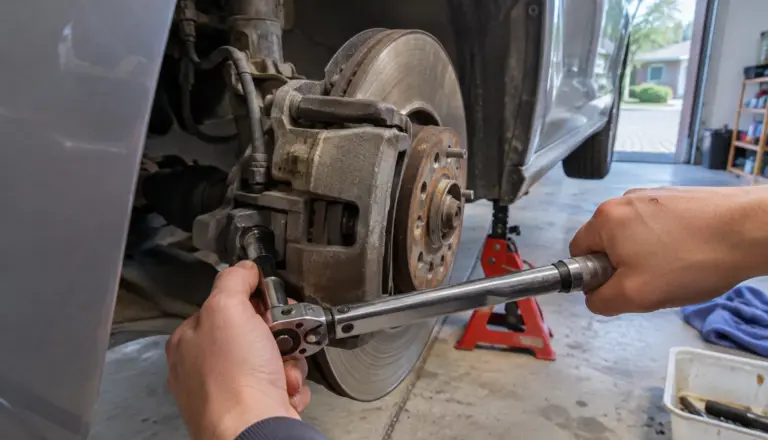
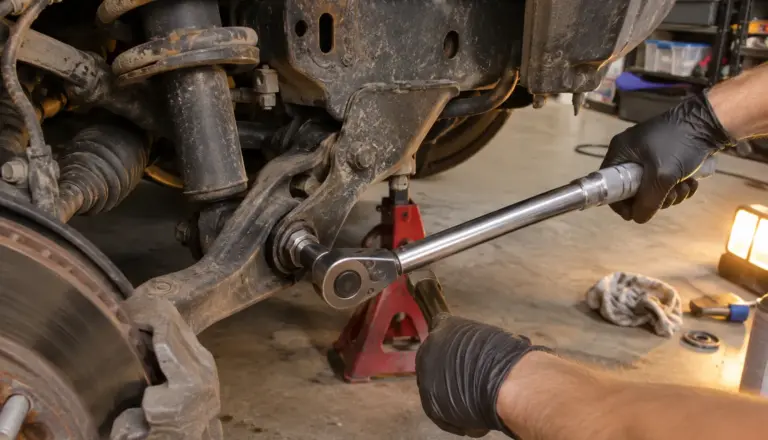
A shop can check all of these in one visit; mention the trip so they look closely. If you check them yourself, do it with the engine off and cold on level ground.
If the car is past 100,000 miles, also go through the 100,000-mile maintenance checklist: timing belts and old coolant are the expensive failures on older cars.
Loading the car for a road trip
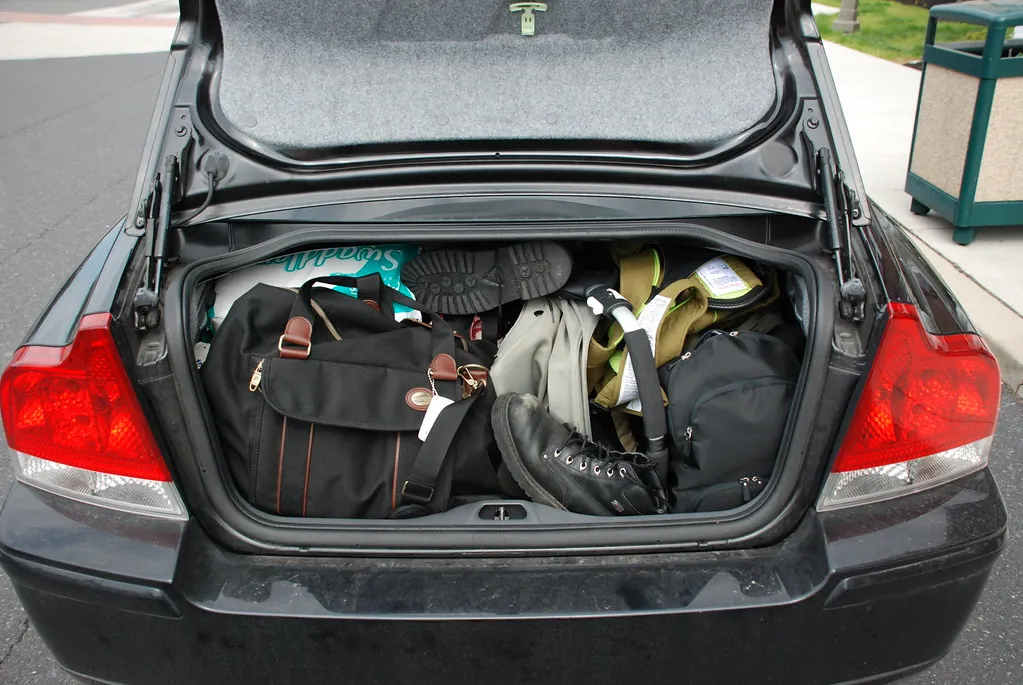
Stay under the load limit printed on the door-jamb placard: it gives the maximum combined weight of passengers and cargo. Subtract the people and what is left is your luggage allowance. Put heavy items low and forward in the trunk and keep the rear window clear.
Towing a trailer adds its own checklist: hitch, chains, trailer lights, trailer tire pressure and the towing limit in your manual. Not every car is rated to tow.
Pack a roadside emergency kit
Carry enough to handle the two most common problems, a dead battery and a low tire, plus the basics to wait safely for help.
- Jumper cables or a portable jump starter, which works without a second car
- A 12-volt tire inflator and a pressure gauge
- Flashlight with spare batteries, reflective warning triangles and a reflective vest
- First aid kit, work gloves, a multitool
- Water, snacks, a phone charger and a blanket
- Registration, insurance card and your roadside assistance number
The car emergency kit checklist builds a full list for your climate, passengers and trip length.
What breaks down most on road trips
Batteries, tires and lockouts top AAA’s list of roadside calls, and cooling problems lead to many of the serious breakdowns that end in a tow. Every one of them shows up in the checks above.
Checks at every fuel stop
Two minutes at each stop catches a slow leak or a soft tire before it becomes a shoulder repair.
Back home, catch up on anything the trip turned up. The car maintenance checklist has the full schedule and a tool that shows what is due at your mileage.
Frequently asked questions
Check tire pressure and tread including the spare, oil, coolant, brake and washer fluid, the battery, brakes, belts and hoses, lights, wipers and the A/C, and look up open recalls by VIN.
One to two weeks ahead works well. It leaves time to book a shop, get parts and drive a few days on the repair before you leave.
Yes if the oil change is due within the miles you plan to drive. Otherwise top off the level and change it after the trip.
Set them to the pressure on the door-jamb sticker or in the owner’s manual, measured on cold tires. The number on the sidewall is the tire’s maximum, not a target.
Usually, if its maintenance is current. Make sure the timing belt, coolant and transmission fluid have been done on schedule and have the battery and brakes checked before you go.
Dead batteries and flat tires are the most common roadside calls, followed by lockouts. Testing the battery and checking tires before you leave prevents most of them.
Yes. Spares lose pressure in storage and are often forgotten until they are needed. Check its pressure and make sure the jack and lug wrench are in the car.
Jumper cables or a jump starter, a tire inflator and gauge, a flashlight, warning triangles, a first aid kit, water, snacks, a phone charger and your insurance and roadside assistance details.
Sources
- AAA. Summer road trip checklist
- AAA. Top vehicle breakdowns
- AAA Newsroom. Stay proactive on auto repair and maintenance
- AAA Newsroom. Tread lightly: worn tires put drivers at risk
- NHTSA. Tires
- NHTSA. Recalls lookup
- fueleconomy.gov. Driving more efficiently
- AAA. How long do car batteries last?
- Ready.gov. Car safety and emergency supplies
- Chevrolet. Oil life monitoring system

James Kowalski
More from James KowalskiHow we reviewed this article
This article was researched against manufacturer records and editorially reviewed before publishing. We accept no payment for coverage. Some guides contain affiliate links; see our affiliate disclosure.