Key Takeaways
- Depreciation is the biggest cost: buy two or three years old and keep the car longer.
- Shop insurance every year and raise your deductible; switchers save a median of $461 a year.
- Smooth driving and correct tire pressure cut fuel cost more than any gas app.
- Follow the owner's manual schedule and use an independent shop after the warranty ends.
- Borrow for the shortest term you can afford and refinance if your credit improves.
Affiliate links: as an Amazon Associate we earn from qualifying purchases.
To reduce car ownership costs, start with the two biggest lines: depreciation and insurance. Buy a car that is two or three years old and keep it longer, then shop your insurance every year and raise your deductible. After that, drive more smoothly, keep your tires at the right pressure, follow the maintenance schedule in your owner’s manual instead of a quick-lube sticker, use an independent shop once the warranty ends and borrow for the shortest term you can afford. Together these cut thousands of dollars a year from the average $12,863 that AAA says it costs to own a new car in 2026.
Where your car money goes
AAA’s 2026 Your Driving Costs study puts the average cost of a new car at $12,863 a year, or $1,072 a month, for 15,000 miles a year over five years. Each line has a different fix, and the order matters: a 10% cut to depreciation is worth more than a 10% cut to fuel.
| Cost | Per year | Biggest fix |
|---|---|---|
| Depreciation | $4,422 | Buy 2 to 3 years old, keep it longer |
| Fuel | $2,598 | Smooth driving, correct tire pressure |
| Insurance | $2,098 | Shop every year, raise the deductible |
| Maintenance, repairs and tires | $1,760 | Manual schedule, independent shop |
| Loan interest | $1,184 | Bigger down payment, shorter loan |
| License, registration and taxes | $802 | Choose a cheaper car to buy |
Your own split depends on your car, your state and how far you drive. The cost of owning a car calculator fills in each line for your car and shows which one is largest for you. Start there, then work down this guide in the same order.
1. Cut depreciation, the biggest cost
Depreciation is the value your car loses. You never get a bill for it, but it is a third of the total cost for most new cars. The average new car loses about 20% of its value in the first year and 41.8% in five years, according to iSeeCars’ 2026 study. Every dollar you avoid losing here is a dollar you keep.
Buy a car that is two or three years old
The first owner pays for the steepest part of the drop. A two- or three-year-old car still has most of its life ahead of it, often some factory warranty left and a price well below new. It costs more to insure per dollar of value and the loan rate is higher, but on total cost a used car almost always wins. A certified pre-owned car adds an extended warranty, which is worth having on brands with expensive repairs.
Pick a car that holds its value
Car type matters more than brand. iSeeCars’ five-year figures:
- Pickup trucks lose about 34%.
- Hybrids lose about 35%.
- SUVs lose about 45%.
- Large SUVs lose more than 52%.
- Electric cars lose about 57%.
A smaller car also costs less in every other line: it is cheaper to buy, insure, register and fuel. Our SUV vs sedan comparison covers the trade-offs, and the most reliable car brands list shows which makes keep repair costs low as they age.
Keep it longer
Depreciation slows every year while repairs rise, and the falling depreciation wins for almost every car. Your cost per year keeps dropping the longer you keep the car, and it levels off around year 10. Trading in every three years means paying for the steepest part of the curve over and over.
Sell it yourself
A dealer’s trade-in offer is a wholesale price. Selling privately gets you close to retail, which lowers the value you lose on the way out. Keep every service receipt in one folder: a full maintenance history is one of the easiest ways to get a higher private sale price.
2. Lower your car insurance
Insurance is the third biggest cost and the fastest to change: you can cut it in an afternoon without touching the car.
Shop around every year
Rates for the same driver and car vary widely between insurers, and your current insurer has no reason to offer its best price at renewal. In Consumer Reports’ survey of more than 40,000 policyholders, drivers who switched saved a median of $461 a year, about a third of their premium. Get at least three quotes for the same coverage every year, and every time you move, add a driver or buy a different car.
Raise your deductible
Raising your collision and comprehensive deductible from $200 to $500 cuts the cost of those coverages by 15% to 30%, according to the Insurance Information Institute. A $1,000 deductible saves 40% or more. Keep the deductible in a savings account so a claim does not become debt.
Drop collision on an old car
Collision and comprehensive pay up to the car’s value and no more. The Insurance Information Institute’s rule: once your car is worth less than 10 times what you pay for that coverage each year, dropping it may make sense. If you have a loan or lease, the lender requires it.
Ask for every discount
- Bundling home or renters insurance with auto earns a discount from most insurers, but compare the bundle against separate policies.
- Low mileage lowers rates. If you drive well under 10,000 miles a year, ask about pay-per-mile insurance.
- Usage-based programs track your driving through an app or plug-in device. Safe drivers typically save 5% to 20%. Hard braking and late-night driving can raise your rate with some insurers, so read the terms first.
- Defensive driving courses, good-student grades and memberships in some professional groups or alumni associations earn discounts.
- Credit affects rates in most states. Paying bills on time and keeping balances low lowers your premium over time.
Check the insurance before you buy the car
Two cars at the same price can have very different premiums because of repair costs, theft rates and claims history. Get a quote on the exact model before you sign.
3. Spend less on fuel
Drive more smoothly
Speeding, hard acceleration and hard braking cut gas mileage by 15% to 30% on the highway and 10% to 40% in stop-and-go traffic, according to the Department of Energy’s fueleconomy.gov. That makes driving style the single largest fuel saving available. Look further ahead, ease off early for red lights and accelerate gently.
Slow down on the highway
Fuel economy drops quickly above 50 mph. Each 5 mph over 50 is like paying an extra 28 cents a gallon at $4 gas, according to fueleconomy.gov. Driving 65 instead of 75 on a long commute saves more than any gas app.
Keep the tires at the right pressure
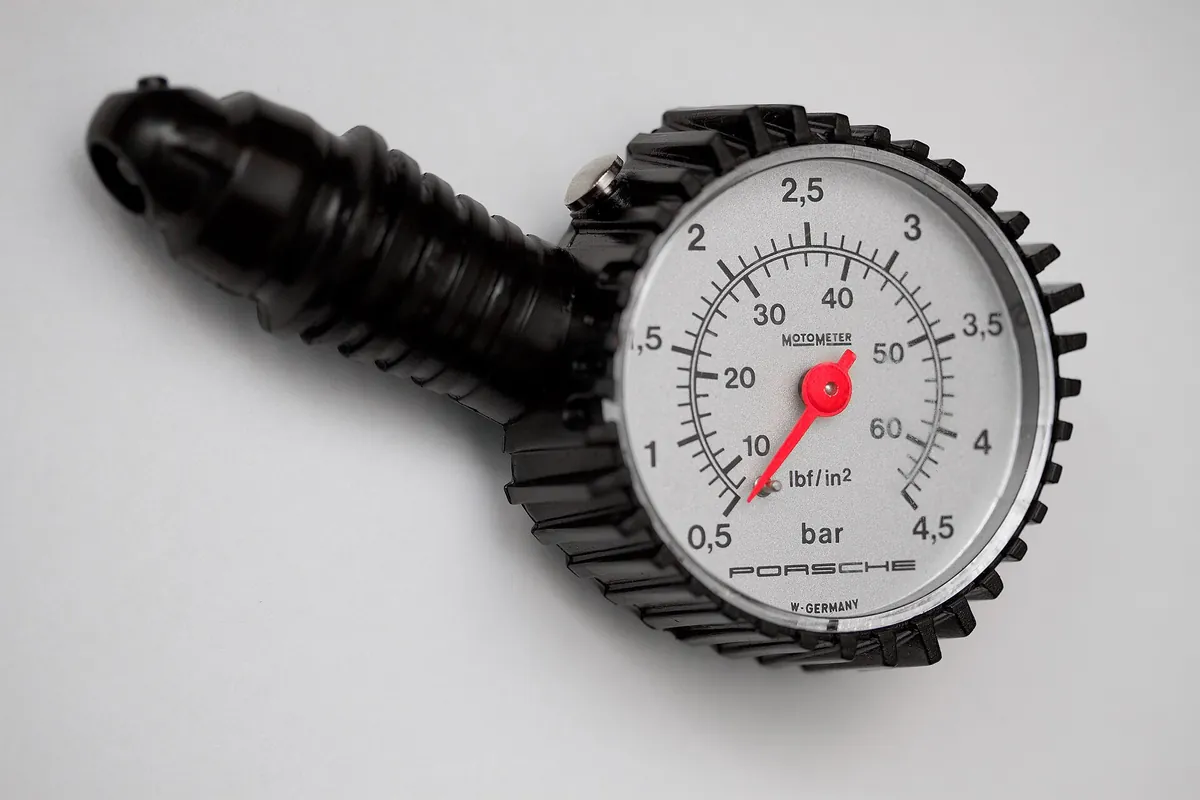
Every 1 psi drop in average tire pressure costs about 0.2% in gas mileage, and keeping tires properly inflated improves mileage by 0.6% on average. Underinflated tires also wear faster on the edges, so they need replacing sooner. Check the pressure once a month with the tires cold, using the number on the sticker inside the driver’s door, not the maximum on the tire sidewall.
Use the fuel your car calls for
If the owner’s manual says regular, premium gas does nothing for your car. AAA’s lab tests found no difference in horsepower, fuel economy or emissions, and estimated that American drivers waste $2.1 billion a year on premium they don’t need. Cars that say premium is recommended run on regular with a small loss of power. Cars that say premium is required need it.
Cut the drag and weight
- A roof cargo box cuts fuel economy by 6% to 17% on the highway and up to 25% at interstate speeds. Take it off when you don’t need it.
- An extra 100 pounds in the car costs about 1% in mileage.
- Idling burns a quarter to a half gallon an hour. Turn the engine off when you are parked and waiting.
- Using the wrong grade of motor oil costs 1% to 2%. Use the grade in the owner’s manual.
Combine trips
A cold engine uses more fuel than a warm one. Several short errands in one loop cost less than the same errands spread over the day. The cheapest mile is the one you don’t drive: if you drive very little, the Uber vs owning a car calculator shows whether you need a car at all.
4. Pay less for maintenance and repairs
AAA’s 2026 figure for maintenance, repairs and tires is 11.73 cents a mile, about $1,760 a year. The cost rises every year after the warranty ends, which is why the habits below matter more on an older car.
Follow the owner’s manual, not the windshield sticker
Quick-lube shops still put 3,000-mile stickers on windshields. Most automakers now call for oil changes every 5,000 to 10,000 miles, and longer on full synthetic oil. If your car has an oil-life monitor, follow it. Use the “severe service” schedule only if you tow, drive in extreme heat or dust, or make mostly short trips. Following the real schedule cuts the number of oil changes in half for many drivers.
Use an independent shop after the warranty ends
Dealer service departments charge more than independent shops for the same work. Consumers’ Checkbook finds dealer prices “significantly higher” than independents in its surveys, and found some shops charging twice as much as nearby competitors for the same repair. Use the dealer for warranty and recall work, which is free, and an independent shop rated well by its customers for the rest.
Using an independent shop does not void your warranty. Under the Magnuson-Moss Warranty Act, a manufacturer cannot deny warranty coverage just because someone other than the dealer did the maintenance, including you. Keep the receipts and follow the schedule in the manual.
Do the easy jobs yourself
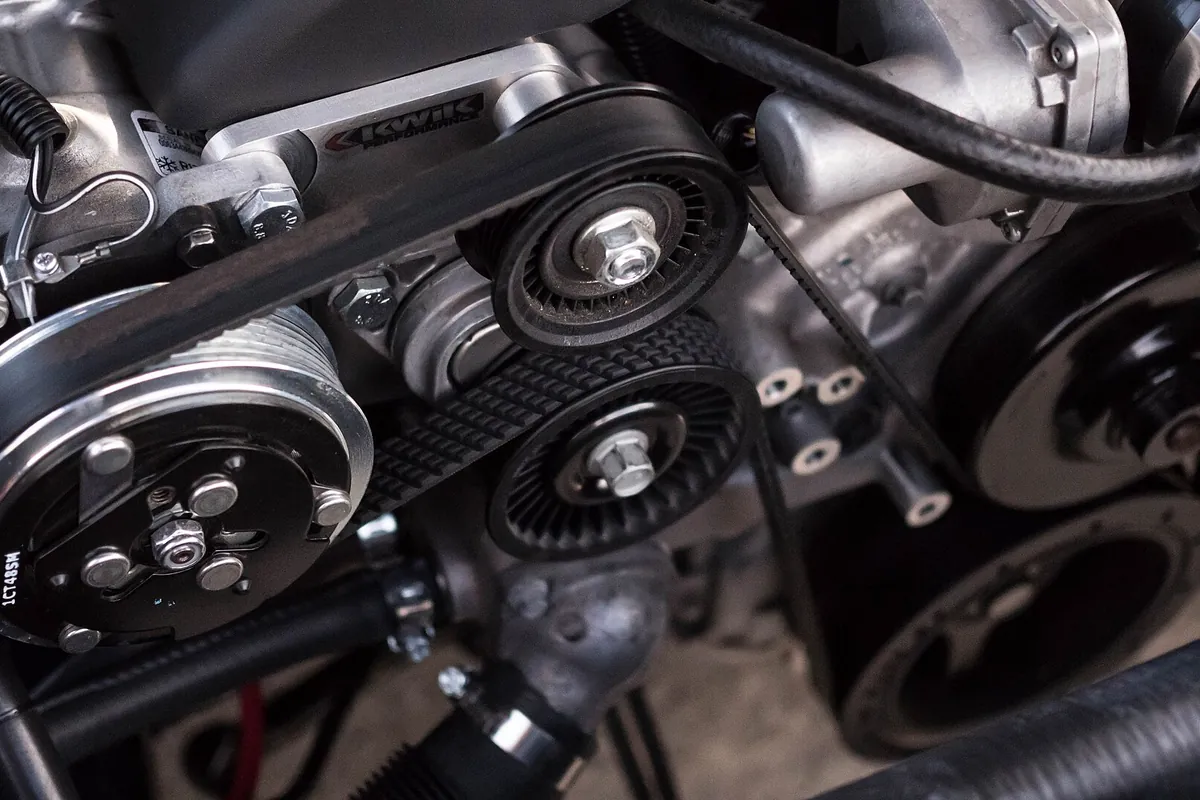
Several common jobs need no tools or only basic ones, and the shop price is mostly labor:
- Engine air filter. Usually held by clips on top of the engine. Five minutes.
- Cabin air filter. Usually behind the glovebox. Ten minutes.
- Wiper blades. They clip onto the arms.
- Bulbs on many cars, though some headlights need the bumper removed.
- Oil and filter change on most cars, with a drain pan, a filter wrench and ramps or jack stands.
- Battery replacement on most cars, with a socket set. Many parts stores recycle the old one for free.
Never work under a car held up only by a jack. Use ramps or jack stands rated for your car.
Read the check engine code yourself
A check engine light can mean a loose gas cap or a failing catalytic converter. An OBD2 scanner plugs in under the dashboard and tells you the code in a minute. You find out whether to drive to a shop today or tighten the cap, and you walk into the shop knowing what the problem is, which makes an unneeded repair harder to sell you. Many auto parts stores also read codes for free.
Fix small problems early
A squealing brake costs a set of pads. Ignored, it costs pads, rotors and sometimes calipers. A slow coolant leak costs a hose. Ignored, it can cost an engine. Most expensive repairs start as a cheap one that was put off.
Rotate the tires and check the alignment
Tires are part of the maintenance line, and a set is one of the biggest single bills. Rotate them at the interval in your manual, usually every 5,000 to 7,500 miles, so they wear evenly. If the car pulls to one side or the inner edges wear first, get an alignment. Use the tire DOT code decoder to check how old a set is before you buy a used car.
Get a second quote for big repairs
For any repair over a few hundred dollars, get a written estimate and take it to a second shop. You pay the first shop for its diagnosis, but quotes for the same job can differ by a factor of two.
5. Pay less interest
Edmunds’ third-quarter 2026 data put the average new-car loan rate at 7.0% and the average used-car rate at 10.6%. Loans keep getting longer, and nearly a quarter of new-car buyers now sign for seven years. A longer loan lowers the payment but raises the total interest:
| $40,000 at 7% | Monthly payment | Total interest |
|---|---|---|
| 60 months | $792 | $7,523 |
| 72 months | $682 | $9,101 |
| 84 months | $604 | $10,711 |
The 84-month loan costs $3,188 more than the 60-month loan, and it keeps you owing more than the car is worth for years, which makes it expensive to sell early.
- Get preapproved by a credit union or bank before you visit a dealer, so you can compare its offer against one you already have.
- Put more down. Every dollar you don’t borrow saves the interest on it.
- Take the shortest term with a payment you can afford.
- Refinance if rates fall or your credit score rises after you buy. A borrower moving from the used-car average of 10.6% to 7% on $25,000 over five years saves about $2,600 in interest.
- Pay cash if you can do it without emptying your emergency fund. Our guide to financing vs paying cash for a car covers when a low promotional rate beats cash.
Leasing has no loan interest line, but you pay the steepest depreciation years every time. Read leasing vs buying a car before you sign one.
6. Taxes, fees and the rest
Registration and taxes are set by your state, so the main way to lower them is the price of the car you buy: sales tax and, in states that charge it, yearly property tax are a percentage of its value. A few other costs are easy to cut:
- Skip dealer add-ons. Paint protection, fabric coating, VIN etching and nitrogen in the tires add hundreds to the price and to the loan.
- Read extended warranty terms. A manufacturer-backed plan on a brand with costly repairs can pay off. Most third-party plans exclude the repairs you would need them for.
- Avoid tows and service calls you don’t need. A dead battery is the most common reason a car won’t start. A jump starter in the trunk solves it in five minutes. If the car sits for weeks, a battery maintainer keeps the battery charged and makes it last longer.
- Look for cheaper parking. A monthly garage spot or daily lot can cost more than insurance in some cities.
Tools that pay for themselves
Each of these lowers one cost line from the table above. One avoided diagnostic fee, service call or set of early-worn tires covers the price.
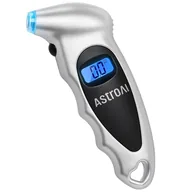 Digital tire gauge (fuel and tires). The AstroAI digital tire pressure gauge is calibrated to within 1 psi, has a lit nozzle for checking at night and fits in the glovebox.
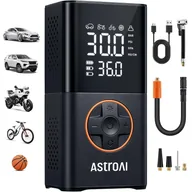 Cordless tire inflator (fuel and tires). The AstroAI L7 runs on its own battery, stops at the pressure you set and lets you top up at home with cold tires, when the reading is most accurate.
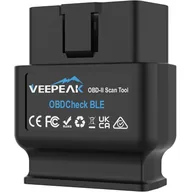 Bluetooth OBD2 scanner (repairs). The Veepeak OBDCheck BLE reads and clears check engine codes and shows live sensor data through a phone app such as Car Scanner. The BlueDriver costs more but also reads ABS, airbag and tire pressure system codes on supported cars and shows verified fixes for each code, with no subscription. See our best OBD2 scanner for beginners guide for 10 more picks.
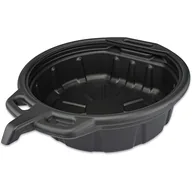 Oil drain pan (maintenance). The NEIKO 2-gallon drain pan has a spout for pouring the old oil into a jug. Most auto parts stores take used oil for free.
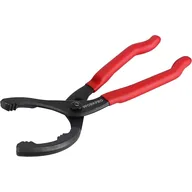 Oil filter pliers (maintenance). The WORKPRO adjustable filter pliers grip any spin-on filter, including one the last shop overtightened. Cartridge filters need a cap wrench sized for your car.
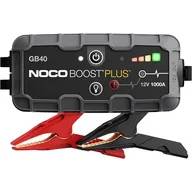 Jump starter (service calls). The NOCO Boost GB40 starts most gas engines up to 6 liters without a second car and won’t spark if you connect the clamps backwards. It belongs in every car emergency kit.
 Battery maintainer (battery life). The NOCO GENIUS1 keeps a car that sits for weeks fully charged. Batteries left partly drained wear out early.
Where to start
If you only do five things this month, do these, in this order:
- Get three insurance quotes for the same coverage and ask each insurer what a $1,000 deductible would save.
- Check your tire pressure and set it to the number on the door sticker.
- Look up the real oil change interval in your owner’s manual.
- Find an independent shop with good reviews for your next out-of-warranty service.
- Check your loan rate. If your credit has improved since you bought the car, get a refinance quote.
When it is time to replace the car, the biggest saving of all is buying two or three years old and keeping it for ten.
FAQ
What is the biggest cost of owning a car?
Depreciation, the value the car loses. AAA puts it at $4,422 a year for the average new car in 2026, about a third of the total cost of ownership. Fuel is second at $2,598 and insurance third at $2,098.
How much does it cost to own a car per month?
AAA’s 2026 average for a new car is $1,072 a month, or $12,863 a year, for 15,000 miles a year kept five years. That includes depreciation, fuel, insurance, maintenance, loan interest, registration and taxes. A small used car in a state with cheap insurance can cost half of that.
What is the cheapest way to own a car?
Buy a reliable small car or hybrid that is two or three years old, pay cash or borrow for a short term, and keep it for ten years or more. That avoids the steepest depreciation and most loan interest, the two costs that make new cars expensive.
How can I lower my car insurance?
Compare quotes from at least three insurers every year, raise your collision and comprehensive deductible, ask about bundling, low-mileage and safe-driver discounts, and drop collision coverage once the car is worth less than 10 times what that coverage costs a year. Drivers who switch insurers save a median of $461 a year, according to Consumer Reports.
Is it cheaper to keep an old car or buy a new one?
Keeping the old car is cheaper for almost every car. Repair costs rise as a car ages, but they rarely reach the depreciation and loan interest a new car adds. Replace it when it becomes unreliable or unsafe, or when a single repair costs more than the car is worth.
Does getting maintenance at an independent shop void my warranty?
No. The Magnuson-Moss Warranty Act bars manufacturers from denying warranty coverage because an independent shop or the owner did the maintenance. Follow the schedule in the owner’s manual and keep your receipts. Coverage can be denied only for damage the outside work actually caused.
Does tire pressure affect gas mileage?
Yes. Gas mileage drops about 0.2% for every 1 psi your tires are below the correct pressure, according to fueleconomy.gov. Underinflated tires also wear faster, so checking the pressure monthly saves on both fuel and tires.
Is an OBD2 scanner worth it?
Yes, for most drivers. It reads the code behind a check engine light in a minute, so you know whether the problem is a loose gas cap or something that needs a shop today. Knowing the code before you visit a mechanic also makes it harder to be sold a repair you don’t need.
Sources & References
- AAA, Your Driving Costs 2026: https://newsroom.aaa.com/tag/your-driving-costs/
- iSeeCars, car depreciation study 2026: https://www.iseecars.com/car-depreciation-study
- Insurance Information Institute, nine ways to lower your auto insurance costs: https://www.iii.org/article/nine-ways-to-lower-your-auto-insurance-costs
- fueleconomy.gov, driving more efficiently: https://www.fueleconomy.gov/feg/driveHabits.jsp
- fueleconomy.gov, keeping your vehicle in shape: https://www.fueleconomy.gov/feg/maintain.jsp
- AAA, premium fuel research: https://newsroom.aaa.com/2016/09/u-s-drivers-waste-2-1-billion-annually-premium-gasoline/
- Consumers' Checkbook, how to save money on car repairs: https://www.checkbook.org/washington-area/auto-repair-shops/articles/How-to-Save-Money-on-Car-Repairs-1581
- FTC, warranty practices and the right to repair: https://www.ftc.gov/news-events/news/press-releases/2024/07/ftc-warns-companies-stop-warranty-practices-harm-consumers-right-repair
- Edmunds, Q3 2026 new car financing: https://www.edmunds.com/press/new-car-financing-records-pile-up-in-q3-as-buyers-borrow-more-and-stretch-loans-longer-according-to-edmunds.html

James Kowalski
More from James KowalskiHow we reviewed this article
This article was researched against manufacturer records and editorially reviewed before publishing. We accept no payment for coverage. Some guides contain affiliate links; see our affiliate disclosure.