Nissan’s 1985 US lineup was eight cars deep if you count the two that arrived at the very end of the year: Sentra, Stanza, Maxima, 200SX, 300ZX, the 720 pickup, and then the Pulsar NX and Pathfinder, both of which went on sale for the 1986 model year. Everything else on that list wore a Nissan badge that, only a few years earlier, would have read Datsun.
This guide covers the whole 1985 Nissan lineup, one model at a time, and separates the US cars from the Japanese and Australian ones that search results keep mixing in.
Contents
- The Datsun badge was gone by 1985
- The 1985 Nissan car models at a glance
- Sentra
- Stanza
- Maxima
- 200SX
- 300ZX
- 720 pickup
- Pulsar NX and Pathfinder: the late arrivals
- US cars vs. the Japan and Australia lineup
- Which 1985 Nissan to buy today
The Datsun badge was gone by 1985
Nissan decided in 1981 to phase out the Datsun name and sell everything worldwide under one brand. Not everyone at the dealerships agreed. A Staten Island Datsun dealer told UPI the idea was “ridiculous” and that “Nissan doesn’t ring a bell like Datsun.”
The swap happened gradually across the 1982 to 1984 model years, with cars passing through a “Datsun by Nissan” stage in between. By 1985 the transition was finished in the US. That’s why a 1985 Sentra or 300ZX carries Nissan badges throughout, while a 1982 one might say either.
The 1985 Nissan car models at a glance
Prices are rough original US figures, rounded. Treat them as ballparks, since trim and options moved them a lot. For the other cars sold that year, see Cars Made in 1985: Icons, Bestsellers and Flops.
| Model | Body style | Engine | Drivetrain | Rough new price |
|---|---|---|---|---|
| Sentra | Sedan, hatchback, wagon | 1.6L four, about 70 hp | Front-wheel drive | $6,000 to $8,000 |
| Stanza | Sedan, hatchback | 2.0L four, mid-90s hp | Front-wheel drive | $8,500 to $10,000 |
| Maxima | Sedan, wagon | 3.0L V6, about 152 hp | Front-wheel drive | $13,000 to $15,000 |
| 200SX | Hatchback, coupe | 2.0L four; 1.8L turbo, about 120 hp | Rear-wheel drive | $9,500 to $12,000 |
| 300ZX | Two-seat or 2+2 coupe | 3.0L V6, 160 hp; Turbo, 200 hp | Rear-wheel drive | $16,000 to $20,000 |
| 720 pickup | Regular or King Cab truck | 2.0L or 2.4L gas four; 2.3L diesel | Rear-wheel or four-wheel drive | $7,000 to $10,000 |
| Pulsar NX (1986 MY) | Sport coupe | 1.6L four | Front-wheel drive | $8,000 to $10,000 |
| Pathfinder (1986 MY) | Two-door SUV | 2.4L four | Four-wheel drive | $11,000 to $13,000 |
Sentra
The Sentra was the cheap, sensible one, and it sold on exactly that. Front-wheel drive, a small carbureted four, a five-speed manual if you wanted to feel something. It came as a sedan, a hatchback and a small wagon, which made it the most flexible body lineup Nissan sold in 1985.
Nobody bought a Sentra to be seen in it. They bought one because it started in January, returned good mileage and cost less than almost anything with a stereo. That’s also why survivors are scarce: most were driven until the rust won.
Stanza
Think of the Stanza as the Sentra’s larger, quieter sibling. The 2.0-liter four made mid-90s horsepower, which was fine for a family sedan in 1985, and the cabin had a real back seat. Sedan and hatchback bodies were on offer.
It’s the model most people forget when listing 1985 Nissans, which is partly its own fault. Competent, front-drive, forgettable. The Stanza’s selling point was that it did everything a Honda Accord did for slightly less money, without the Accord’s reputation. Honda’s own 1985 range is covered in Every 1985 Honda Car Model, Ranked by Why It Mattered.
Maxima
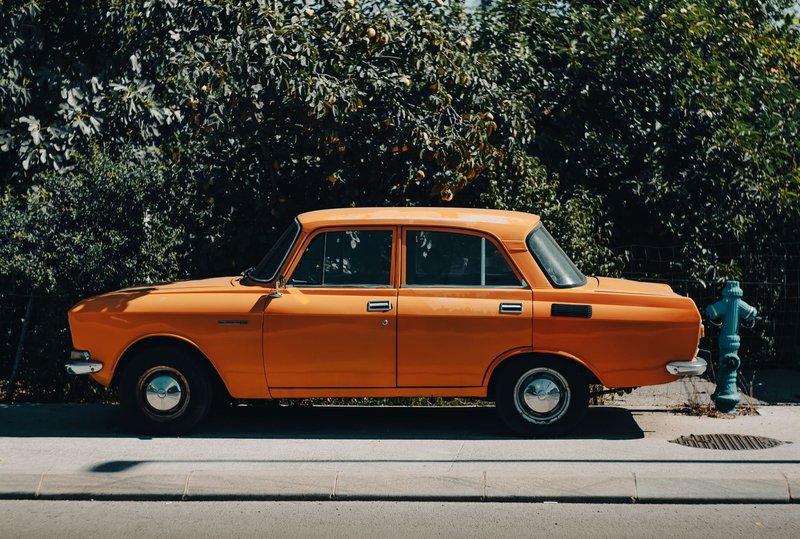
This is the one to get right, because the Maxima changed completely between 1984 and 1985. The old rear-drive Datsun 810 Maxima ended with the 1984 model year. The 1985 car was the first Maxima to wear a Nissan badge, and it was an entirely new machine: front-wheel drive with a 3.0-liter VG30E V6, the same engine family that powered the 300ZX, tuned here to about 152 hp.
That made it, in effect, the first Nissan to pair a V6 with front-wheel drive. Buyers got a five-speed manual or a four-speed automatic, in sedan or wagon form. A manual V6 Maxima wagon is a legitimately strange and wonderful thing to find today.
200SX
The 200SX was Nissan’s affordable rear-drive sport coupe, and in 1985 it was still the kind of car you could take sideways in a parking lot on a wet day. Pop-up headlights, a hatchback or notchback body and a 2.0-liter four made it a straightforward, light, tossable car.
The turbo variant used a 1.8-liter engine rated at roughly 120 hp. Not a huge number, but the 200SX Turbo weighed little enough that the number worked. If a 300ZX was out of budget, this was the Nissan for a driver on a tighter wallet.
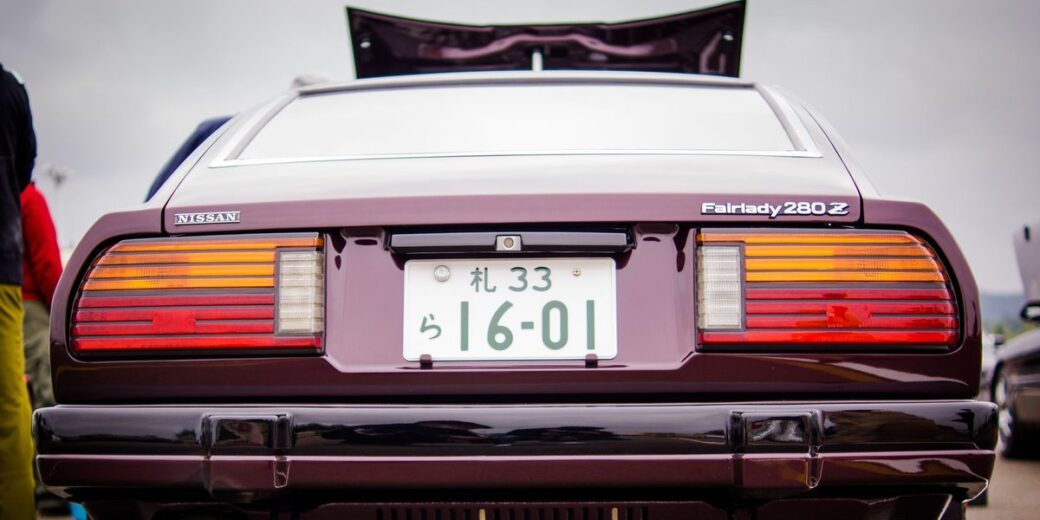
300ZX
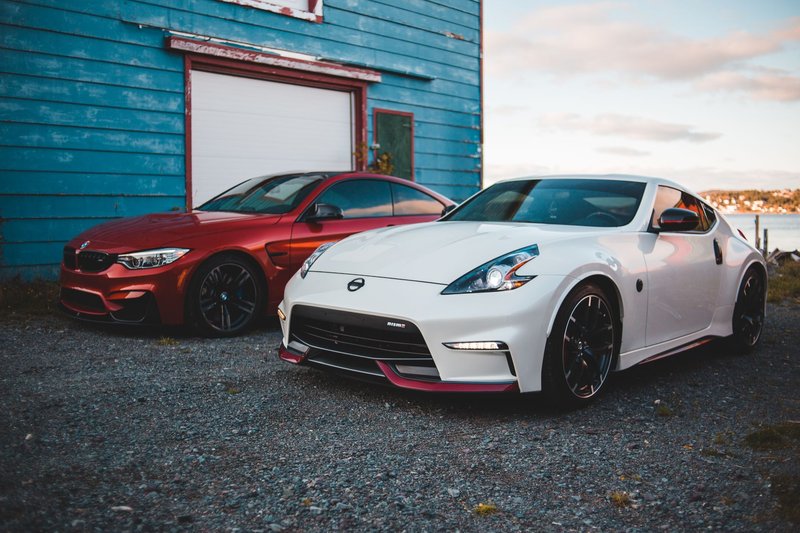
The Z31 300ZX was the flagship, and the car most people mean when they search for a 1985 Nissan. It used the 3.0-liter VG30E V6 making 160 hp in the base car. The Turbo, with its VG30ET, made 200 hp, which in 1985 put it ahead of plenty of cars costing far more.
You could get a two-seater or a 2+2, T-tops, a five-speed or a four-speed automatic, and a digital dashboard that looked like the future had arrived early. The Z31 is a sharp-edged wedge, clearly of its decade, and it’s the model that has gained the most in value over the last ten years. The Turbo is the one collectors want.
720 pickup
The Nissan 720 was the compact pickup that carried the Datsun truck line into the Nissan era. Regular cab or King Cab, two- or four-wheel drive, and engines that ranged from a 2.0-liter four to a 2.4-liter four, plus a 2.3-liter diesel for people who valued mileage over speed.
By 1985 these trucks were being built in Smyrna, Tennessee, Nissan’s first US plant, which opened in 1983 for exactly this model. A 720 was a tool: simple, cheap to fix, and rust-prone. Clean examples with the 2.4 and a manual transmission have an enthusiast following now.
Pulsar NX and Pathfinder: the late arrivals
Two cars sit on the edge of this list. The Pulsar NX, a sport coupe with a modular body design, and the Pathfinder, Nissan’s first SUV, both reached US dealers at the tail end of 1985 as 1986 models. Some sites file them under 1985, so you’ll see them in search results.
The Pathfinder is the more important of the two. It started as a short-wheelbase, truck-based 4×4 with a 2.4-liter four, and it kicked off a nameplate that Nissan still sells. Early two-door Pathfinders are the ones collectors chase.
US cars vs. the Japan and Australia lineup
Search results for “1985 Nissan” are full of cars you couldn’t buy in a US showroom. Here’s how the markets split.
- Skyline R31. Launched in Japan in 1985 with a straight-six, it became a legend. It never came to the US. Australia got the R31 later.
- Laurel. A mid-size Japanese sedan with straight-six power, sold in Japan and select markets. No US equivalent.
- Bluebird. The Japanese sibling of the Maxima. The Bluebird used a four-cylinder or turbo setup in Japan, and Australia got it too. In the US, the same platform became the front-drive Maxima.
- Pulsar. In Japan and Australia, the Pulsar was an ordinary hatchback. In the US the name only appeared as the Pulsar NX, a different, sportier car.
- Silvia. The Japanese name for the car Americans knew as the 200SX.
If a page lists the Skyline, Laurel and Bluebird next to the Sentra and Maxima, it’s mixing markets.
Which 1985 Nissan to buy today
The best 1985 Nissan car models to own now come down to what you want out of them.
- Most car for the money: the 200SX. Light, rear-drive and a good driver. Rust and worn suspension are the main things to check.
- The one that appreciates: the 300ZX Turbo. Check for leaking T-tops, failing digital dash clusters, tired turbo oil lines and vacuum leaks. A car that’s been sitting is a project, not a bargain.
- The oddball: a V6 Maxima, preferably a manual or a wagon. Ask whether the timing belt has been changed, and look at the condition of the interior plastics.
- The honest daily: a Sentra or Stanza in clean shape. Parts are harder than you’d think, and rust is the enemy, so inspect the floors and strut towers.
- The worker: a 720 with the 2.4. Frame rust is the dealbreaker.
Every one of these cars is from a brief window when Nissan had stopped being Datsun but hadn’t yet become the company that built the 240SX and Skyline GT-R for the world. They’re rougher, simpler and more characterful than what followed, and for most of them the entry price is still low.

Marco Delantero
More from Marco DelanteroHow we reviewed this article
This article was researched against manufacturer records and editorially reviewed before publishing. We accept no payment for coverage. Some guides contain affiliate links; see our affiliate disclosure.