TLDR
Chevrolet’s 1978 lineup was a house mid-remodel: Chevette, Nova, Monza, and Camaro carried on largely unchanged, while Malibu and Monte Carlo got shrunk onto a new 108-inch A/G-body platform, Impala and Caprice Classic entered their second year on the downsized B-body, the Corvette got a 25th-anniversary makeover with a new fastback rear window, and the C/K trucks added a diesel option for the first time. If you’re chasing value today, the 1978 Z28 and the Silver Anniversary Corvette are the two nameplates that actually appreciate — everything else is a driver’s car, not an investment.
Table of Contents
- Why 1978 Was a Turning Point
- Chevette
- Nova
- Monza
- Camaro and Z28
- Malibu
- Monte Carlo
- Impala
- Caprice Classic
- Corvette
- C/K Pickups
- What’s Actually Worth Buying Today
Why 1978 Was a Turning Point
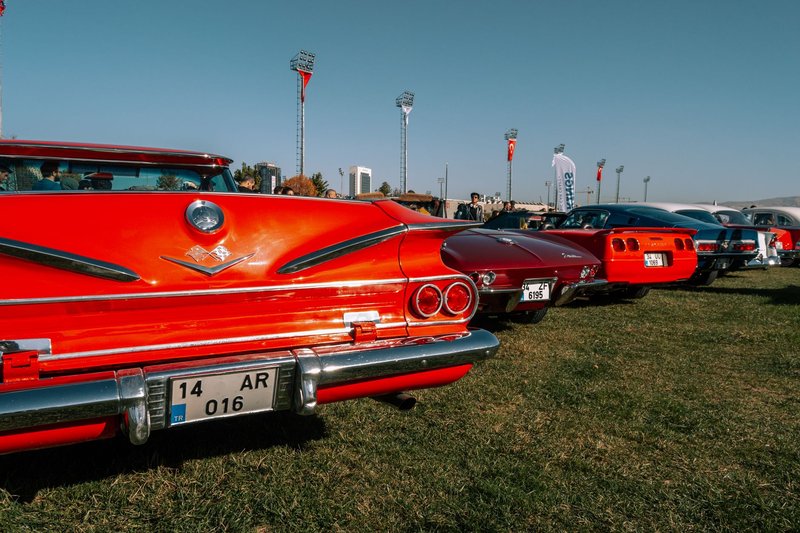
1978 was the first model year that Corporate Average Fuel Economy standards applied to every automaker selling cars in the US. Congress had passed the mandate three years earlier, in direct response to the 1973 oil embargo, and it forced GM to hit a fleet average that no amount of chrome could fake. Chevrolet’s answer was already underway — the full-size Caprice and Impala had been cut down in 1977 — and 1978 is the year the shrinking reached the mid-size cars.
Malibu and Monte Carlo both lost roughly 600 to 700 pounds and more than a foot of length that year, riding on a new 108-inch wheelbase shared with the Pontiac LeMans, Olds Cutlass, and Buick Century. It wasn’t a cosmetic trim exercise. GM redrew the platform from the frame up, and the goal, according to the Department of Energy’s own accounting of the CAFE program, was to roughly double new-car fuel economy within seven years. Chevrolet just happened to be the division doing most of the volume selling.
That’s the thread running through every model below. Some cars got smaller because they had to. Some stayed the same because they were already small. And one — the Corvette — spent the year celebrating a birthday instead of worrying about a mandate.
Chevette
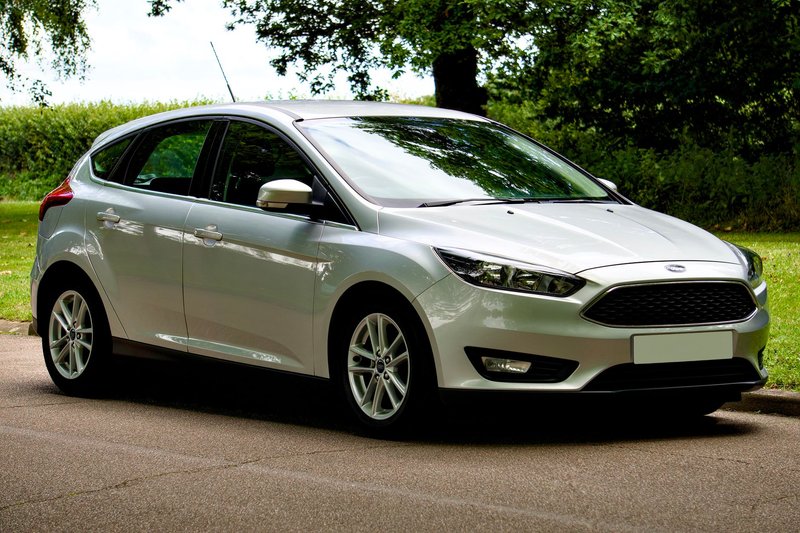
The Chevette was Chevrolet’s answer to the fuel crisis before the fuel crisis had a name for the fix: a subcompact hatchback built to be cheap to buy and cheap to run, full stop. For 1978 it came as a 2-door, 4-door, or 5-door hatchback, all powered by a 1.6-liter overhead-cam four producing a modest 63 horsepower and paired most often with a 4-speed manual.
Nobody bought a Chevette for the driving experience. They bought it because it started around $3,000 and sipped gas at a time when gas stations had lines out to the street. The Scooter trim stripped things down even further for buyers who wanted the lowest sticker price Chevrolet offered, period.
Nova
The Nova was on borrowed time by 1978 — Chevrolet’s compact X-body would be replaced by the front-wheel-drive Citation within two model years — but it was still the most conventional car in the lineup: rear-wheel drive, body-on-frame-adjacent construction, and buyer’s choice of a 250-cubic-inch inline-six (110 hp), a 305 V8 (145 hp), or in most states a 350 V8 pushing closer to 170 hp.
Nova was the one Chevrolet series that actually lost sales in 1978, dropping to around 288,000 units, and it’s not hard to see why: buyers cross-shopping compacts increasingly wanted the fuel numbers a Chevette or Monza could deliver, not a shrunk-down full-size feel. Concours and Rallye trim packages tried to add some personality, but the writing was on the wall.
Monza
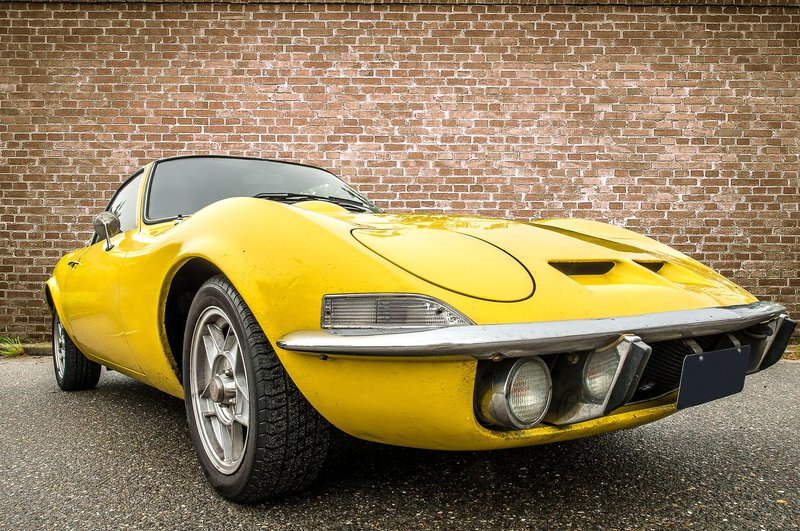
The Monza was Chevrolet’s H-body subcompact — smaller than Nova, more style-conscious than Chevette — sold as a hatchback coupe, notchback, wagon, and the sportier 2+2 Spyder. Base power came from a 2.5-liter four, with a 305 V8 available in the Spyder good for around 145 horsepower, a genuinely quick number for a car this light.
Think of Monza as the car Chevrolet built for someone who wanted a Camaro’s attitude but couldn’t stomach a Camaro’s fuel bill. It never quite escaped a reputation for cramped packaging and heat-soak issues around that V8, but a well-sorted Spyder is one of the more entertaining cheap classics from this era — and one of the most overlooked.
Camaro and Z28
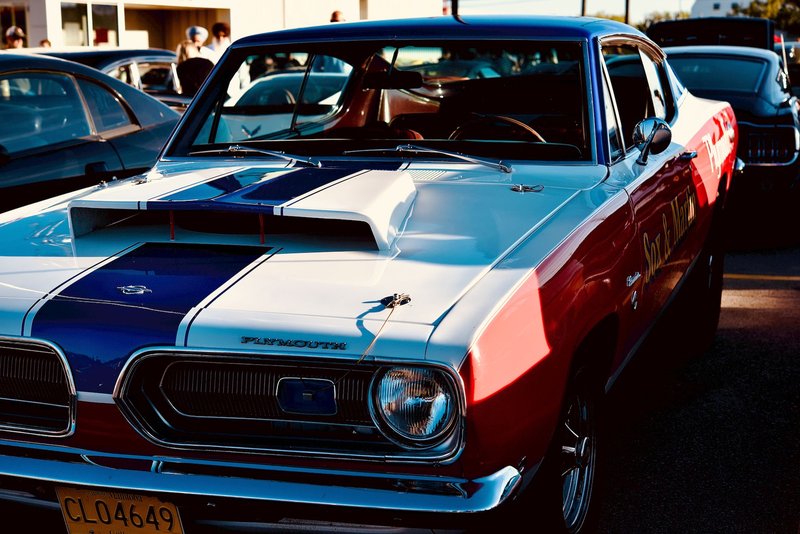
1978 was a mild but meaningful refresh year for the second-generation Camaro: new body-color urethane bumpers front and rear replaced the old chrome units, giving the nose a smoother, more integrated look, and a glass T-top roof option arrived for buyers who wanted open-air motoring without a full convertible.
The lineup ran from a base coupe through the LT to the Z28, with prices spanning roughly $4,400 to just over $5,000. The Z28 was the one that mattered: front and rear spoilers, fender louvers, a functional cowl-induction hood scoop, and a 350-cubic-inch 4-barrel V8 rated at 185 horsepower and 280 lb-ft of torque, backed by a close-ratio 4-speed manual. It wasn’t a match for the muscle-car-era numbers a decade earlier, but in a year when most performance cars were losing horsepower to emissions equipment, the Z28 held its ground better than almost anything else on the lot.
Malibu
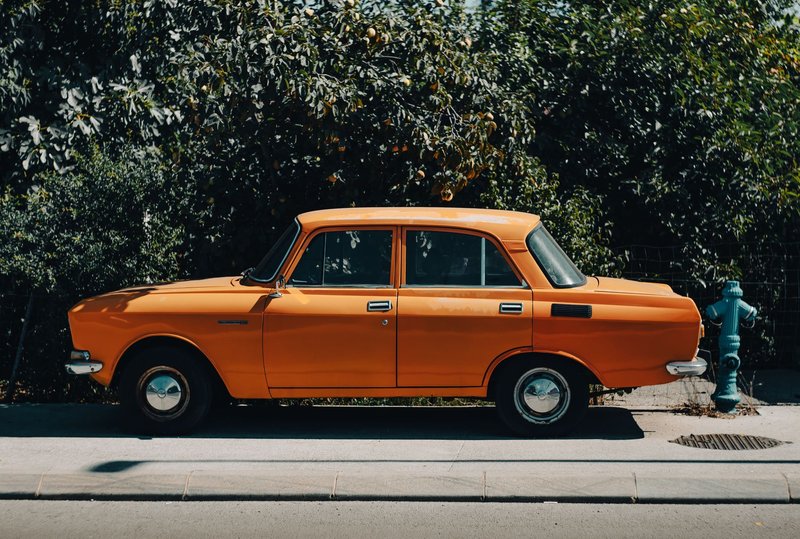
Malibu is where the 1978 downsizing story really starts. Chevrolet cut about 13 inches of length and roughly 600 pounds off the mid-size sedan, dropping it onto the new 108-inch A-body platform shared across GM’s intermediate lineup. Base power was a 200 or 231-cubic-inch V6, with 305 and 350 V8s available for buyers who still wanted some muscle under a lighter body.
Pricing started around $4,500 for a base sedan. The gamble paid off commercially — sales topped 358,000 in the first year on the smaller body and climbed to over 412,000 in 1979 — proof that American buyers would accept a smaller car as long as it didn’t feel like a compromise.
Monte Carlo
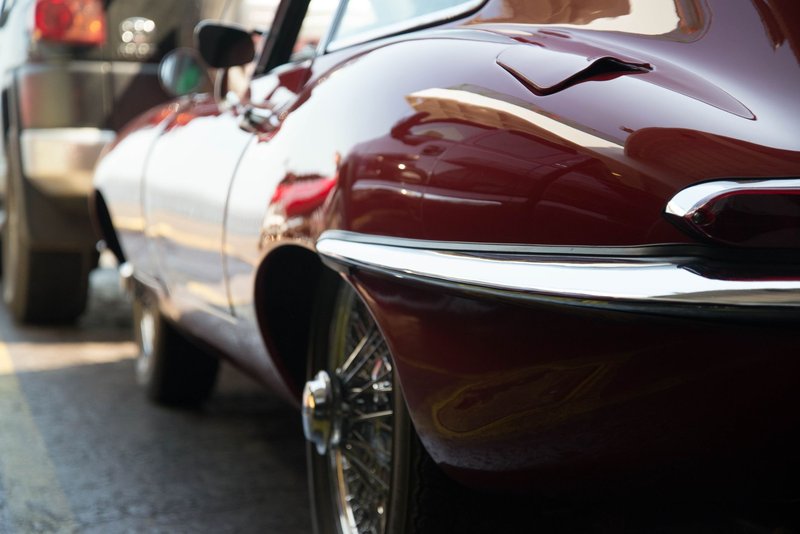
Monte Carlo took the same downsizing treatment as Malibu but wore it with more flair. The new-for-1978 coupe rode a 108.1-inch wheelbase, measured 200.4 inches long, and weighed around 700 pounds less than the outgoing 1977 model — a genuinely dramatic transformation for a car that had spent the mid-’70s getting bigger every year.
Standard power was a 231-cubic-inch V6 with a 305 V8 optional, and pricing opened around $4,800 for the Sport Coupe. The design held onto Monte Carlo’s personal-luxury signatures — a formal roofline, available landau vinyl top, plush bench or bucket seating — while finally shedding the bulk that had made the previous generation feel like driving a parade float. It’s the single clearest example of Chevrolet proving a downsized car could still look like an event.
Impala
Impala sat one notch below Caprice Classic in Chevrolet’s full-size hierarchy, and by 1978 it was already in its second year on the downsized B-body platform that debuted in 1977. Engine choices mirrored Caprice — a 250 inline-six standard, with 305 and 350 V8s optional — but Impala kept trim simpler and pricing lower, aimed at fleet buyers, taxi and police fleets, and families who wanted full-size room without full-size sticker shock.
It’s the least glamorous car in this lineup and also the most overlooked as a used-car value today. Parts commonality with Caprice means most mechanical work is identical, but Impala’s plainer trim keeps asking prices well below its fancier sibling.
Caprice Classic
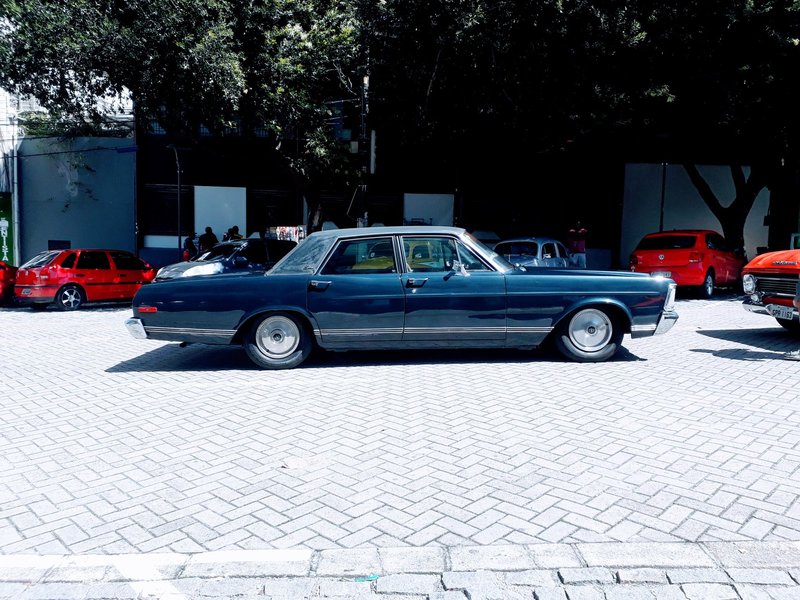
Caprice Classic was Chevrolet’s flagship full-size car, and 1978 pricing reflected that: $5,530 to $6,150 depending on body style, with Landau Coupe, Sedan, Sport Coupe, and a three-row Station Wagon all on the menu. Riding a 116-inch wheelbase and stretching up to 214.7 inches long, it was the biggest Chevrolet you could buy that wasn’t a truck.
Engines ran the same 250-six-to-350-V8 spread as Impala, topping out around 170 horsepower on the 350. Chevrolet moved 321,653 Caprice Classics in 1978, and that volume is exactly why survivors are still easy to find and cheap to buy today — this was a car built by the hundreds of thousands, not the exception.
Corvette
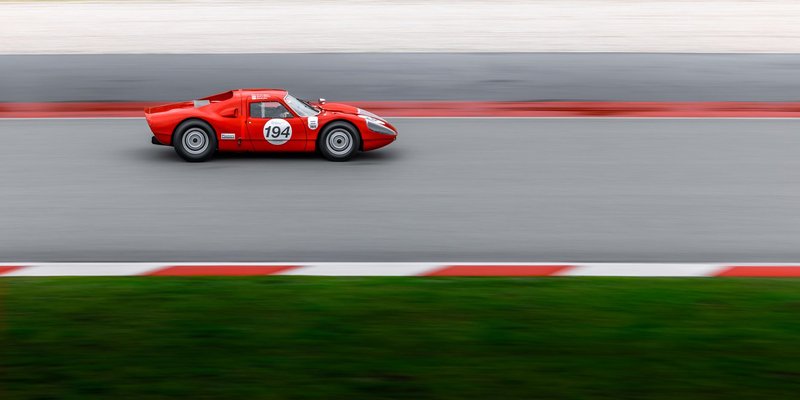
While the rest of the lineup was losing weight, the Corvette spent 1978 celebrating a milestone: its 25th anniversary. Chevrolet marked the occasion with a new fastback-style rear window — the first significant glass change to the C3’s silhouette since 1968 — plus a Silver Anniversary two-tone paint option and a limited-run Indy 500 Pace Car replica finished in silver and black with a front and rear spoiler.
Engine choices stayed familiar: the base L48 350 V8 at 185 horsepower, or the L82 at 220 horsepower for buyers who wanted more bite. A standard 1978 Corvette started around $9,350, while the fully loaded Pace Car replica — glass T-tops, alloy wheels, power everything, and a choice of an 8-track or CB radio — ran closer to $13,650. Chevrolet built 6,502 Pace Car replicas against a target of 6,000, one for every dealer, and those cars remain the most collected Corvette of the entire C3 generation.
C/K Pickups
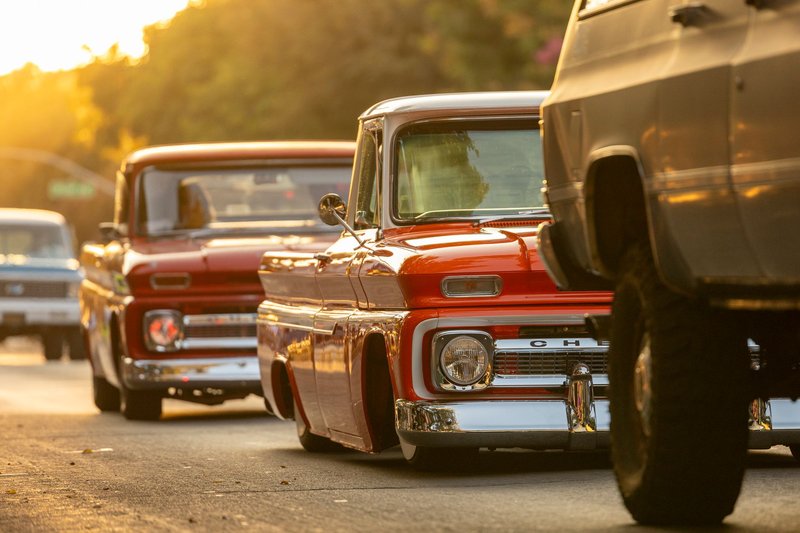
Chevrolet’s C (two-wheel drive) and K (four-wheel drive) trucks rounded out the 1978 lineup, and they got the year’s most significant powertrain news outside the Corvette: GM added a 350-cubic-inch diesel V8 to the options sheet, the first diesel offered in a full-size Chevy pickup. Gasoline buyers still had a wide spread to choose from, running from the standard inline-six up through a 454-cubic-inch big-block V8, which required Chevrolet’s Turbo Hydra-Matic automatic — no manual gearbox was rated to handle it.
Trim climbed from a bare-bones base truck through Cheyenne and Scottsdale up to the top-shelf Silverado, which added carpeting, upgraded upholstery, and brightwork that made a work truck presentable outside the job site. These trucks are arguably the most underappreciated part of the 1978 lineup — genuinely useful then, and increasingly sought-after now as clean, unmolested examples get harder to find.
What’s Actually Worth Buying Today
If you’re shopping this lineup as a collector rather than a history buff, the field sorts itself quickly. The 1978 Z28 and the Silver Anniversary or Pace Car Corvette are the two nameplates with real investment upside — both had limited context (a one-year styling window for the Z28’s bumpers, a genuine anniversary edition for the Corvette) and both have decades of enthusiast demand behind them. Pace Car replicas in particular get bought and sold as a distinct category from standard ’78 Corvettes, with a real premium attached to documented, unmodified cars.
Malibu and Monte Carlo are the sleeper picks. They’re the cars that tell the most interesting story — GM betting an entire mid-size lineup on downsizing and winning that bet — but because they were never marketed as performance cars, they trade for a fraction of what a Camaro or Corvette commands. A clean Monte Carlo Landau is a genuinely striking car for the money.
Caprice Classic, Impala, and Nova are the cheapest entry points, mostly because Chevrolet built so many of them that survivor supply never got tight. Buy one of these if you want a usable, partscheap classic to drive regularly rather than a car to flip. Chevette and base Monza sit at the bottom of the value chain and likely always will — they were economy cars in 1978, and nostalgia hasn’t changed the math on that.
Whatever you’re chasing, the same rule applies across all ten nameplates: rust is the real enemy, not mileage. GM’s 1978 sheet metal wasn’t built with rustproofing as a priority, and a low-mile car with a rotted frame or floor pan is worth less than a higher-mile car that’s been kept dry.

Daniela Voss
More from Daniela VossHow we reviewed this article
This article was researched against manufacturer records and editorially reviewed before publishing. We accept no payment for coverage.