Nineteen seventy-eight was a strange year to love cars. The horsepower wars were over and the regulators had won. Catalytic converters, unleaded gas, and tightening emissions rules had strangled engines that, a decade earlier, made 400-plus horsepower without breaking a sweat. A Corvette that once threatened 435 horses now wheezed out 220. This was the malaise era in full swing, and Detroit was figuring out how to sell cars in a country still rattled by the 1973 fuel crisis.
And yet — some genuinely great machines came out of 1978. The Germans and Italians were building the supercars that would end up on bedroom walls. Datsun was quietly eating Detroit’s lunch. And the cars Americans actually bought by the millions weren’t the ones on the magazine covers at all.
Most lists pick one side or the other. The enthusiast galleries show you the Countach and ignore that the best-selling car in America that year was a humble Oldsmobile. The sales-data pages give you the Cutlass and forget anyone ever wanted a car to be exciting. This one does both.
Table of Contents
- The Best-Sellers: What America Actually Drove
- 1. Oldsmobile Cutlass
- 2. Chevrolet Caprice & Impala
- 3. Ford Fairmont
- 4. Chevrolet Chevette
- 5. Ford Pinto
- The Icons: Cars Enthusiasts Still Chase
- 6. Porsche 928
- 7. BMW M1
- 8. Lamborghini Countach LP400 S
- 9. Datsun 280Z
- 10. Chevrolet Corvette C3
- 11. Lincoln Continental Mark V
- 12. Pontiac Trans Am
- 13. Dodge Li’l Red Express
- The Big Picture
The Best-Sellers: What America Actually Drove
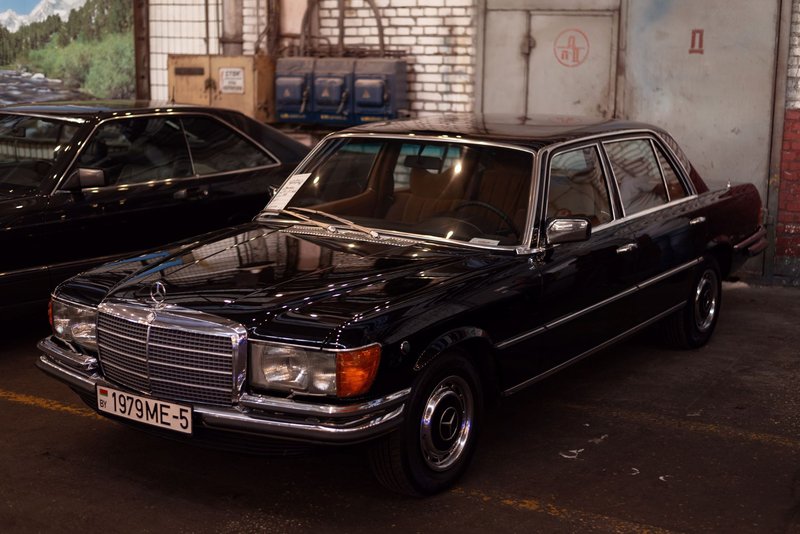
Forget the exotics for a minute. If you stood on any American street corner in 1978, the cars rolling past were mid-size sedans, full-size family haulers, and the first wave of small economy cars Detroit built in a panic after gas prices spiked. These are the machines that paid the bills in Dearborn and Detroit.
1. Oldsmobile Cutlass
The best-selling car in America in 1978, full stop. Oldsmobile moved well over 500,000 Cutlass units across its body styles, and the freshly downsized Cutlass Supreme coupe was the one everybody wanted — a formal roofline, a plush velour interior, and just enough chrome to feel like an occasion.
GM had shrunk the whole A-body line for 1978, cutting roughly 600 to 800 pounds without making the car feel cheap. That was the trick of the late ’70s: smaller cars that still drove like big ones. Most came with a 231 V6 or a 260/305 V8 making somewhere between 105 and 145 horsepower — nobody’s idea of fast, but smooth and quiet, which is what buyers wanted.
Original price: ~$5,000 for a Cutlass Supreme coupe Today: Clean drivers run $8,000–$15,000; the 442-optioned cars climb higher.
2. Chevrolet Caprice & Impala
Chevy’s full-size duo had been downsized a year earlier in 1977, and the redesign was such a hit it carried 1978 straight up the sales charts. The Impala and its dressier Caprice Classic sibling combined sold in the hundreds of thousands. These were among the quintessential American family sedans — six-passenger bench seats, a trunk you could live in, and a ride that floated.
The genius move was making the new car shorter and lighter than the outgoing land-yacht while keeping more interior room. A 305 or 350 V8 did the work, and the thing would run for 200,000 miles if you changed the oil. This is the car that became every taxi, every cop car, and every grandparent’s Sunday driver for the next decade.
Original price: ~$5,400 for a Caprice Classic sedan Today: $6,000–$14,000 depending on condition and trim.
3. Ford Fairmont
The Fairmont was brand-new for 1978 and it was a smash — Ford sold over 460,000 in the first year. It replaced the dated Maverick on the new “Fox” platform, the same architecture that would underpin the Mustang for the next 25 years. Boxy, light, and honest, the Fairmont was the anti-Brougham: no fake wire wheels, just a practical sedan with good visibility and real efficiency.
It mattered more than its plain looks suggest. The Fox platform Ford launched here became one of the most important chassis in American automotive history. The Fairmont itself is nearly forgotten, but Mustang owners owe it everything.
Original price: ~$3,600 base Today: $4,000–$9,000; surviving examples are genuinely rare now.
4. Chevrolet Chevette
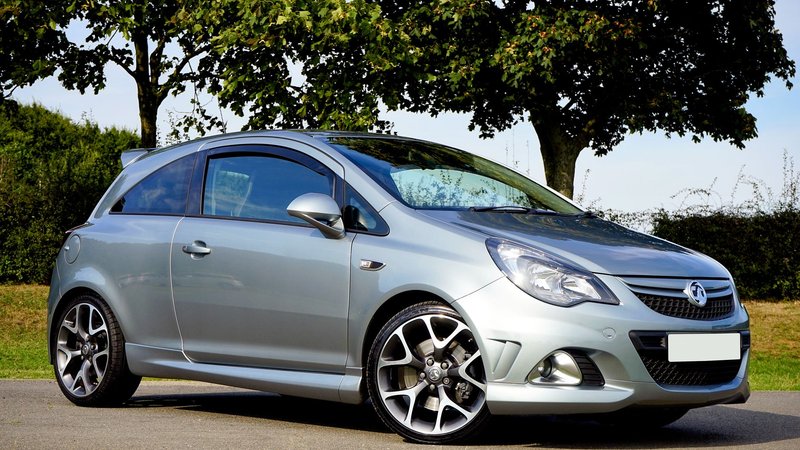
Not glamorous. Hugely important. The Chevette was GM’s answer to the rising tide of Japanese imports, a tiny rear-drive hatchback that got 30-plus miles per gallon when that number suddenly mattered to everyone. Chevy sold them by the hundreds of thousands to people who just needed cheap, reliable transportation through an uncertain economy.
The base 1.4 and 1.6-liter four-cylinders made around 60 horsepower, which meant merging onto a highway required planning and prayer. But it started every morning, sipped fuel, and cost less than almost anything else with four wheels. For a lot of families, the Chevette was the first new car they ever owned.
Original price: ~$3,300 Today: $3,000–$7,000 — a survivor is a conversation piece.
5. Ford Pinto
The Pinto was on its last legs by 1978 and dragging a reputation problem behind it, but it was still selling. Ford’s subcompact had been a volume leader earlier in the decade, and even with the bad press around its fuel-tank design, plenty of buyers still wanted the cheapest Ford on the lot. The 1978 cars got revised styling and the safety updates Ford had been forced into.
It’s easy to dunk on the Pinto now, and the lawsuits were real. But strip away the infamy and it was an ordinary, cheap small car that did an ordinary job for millions of people. The wagon version, especially the wood-trimmed Squire, has a small but real following today.
Original price: ~$3,100 Today: $4,000–$10,000; the rare Cruising Wagon commands a premium.
The Icons: Cars Enthusiasts Still Chase
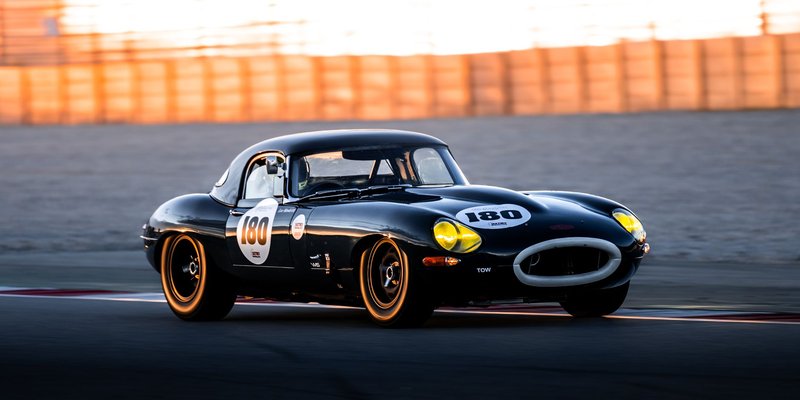
Now the fun part. While Detroit downsized and the economy cars multiplied, the world’s performance brands were building cars that the malaise era couldn’t touch. Some of these are among the most coveted machines of the entire decade.
6. Porsche 928
The 928 was supposed to kill the 911. Porsche genuinely thought the future was a big front-engine V8 grand tourer, and in 1978 it launched exactly that — winning European Car of the Year, the only sports car ever to take that award. A 4.5-liter V8 up front, a transaxle out back for balance, pop-up headlights, and that wild dashboard that moved with the steering column.
It didn’t kill the 911 (the 911 is immortal), but it was a brilliant car in its own right — smoother, more refined, and faster across a continent than almost anything else you could buy. For years the 928 was the cheap way into a classic Porsche. That window is closing fast.
Original price: ~$26,000 in the US Today: Good early cars $25,000–$45,000; pristine examples push well past that.
7. BMW M1
The only mid-engine supercar BMW has ever built, and a car born from chaos. BMW wanted a racing homologation special, hired Lamborghini to engineer it, watched Lamborghini go broke mid-project, and ended up finishing the job through a patchwork of contractors. The result, styled by Giorgetto Giugiaro, was a low, wedge-shaped exotic with a 3.5-liter straight-six making 277 horsepower.
Production was tiny — just around 450 road cars ever built. The M1 also kicked off BMW’s entire M division, which makes it one of the most historically significant cars the company ever produced. It raced in the bizarre Procar series against Formula 1 drivers. There has been nothing quite like it since.
Original price: ~$115,000 Today: $500,000 to over $1 million at auction.
8. Lamborghini Countach LP400 S
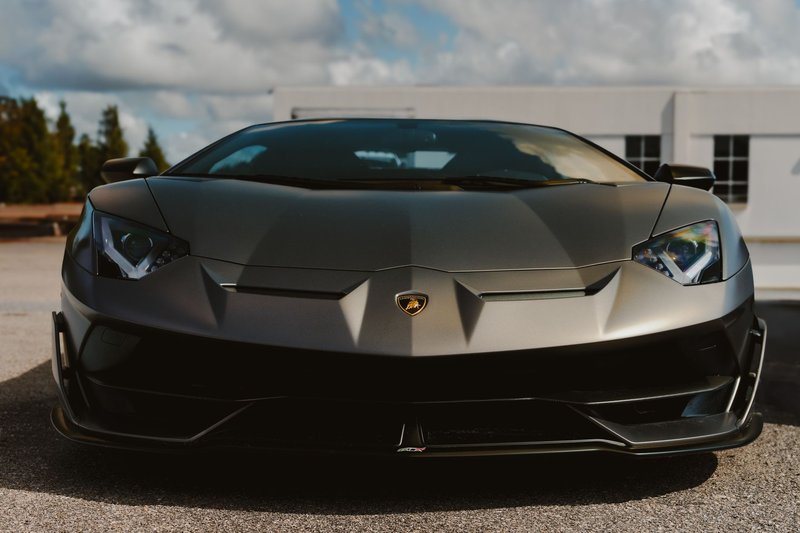
The poster car. The 1978 LP400 S added the things that made the Countach legend: fat Pirelli P7 tires, flared wheel arches, and the option of that enormous rear wing. It looked like nothing else on earth — a doorstop with scissor doors and a 4.0-liter V12 screaming behind your head.
The S was actually a touch slower than the cleaner original LP400 because of all the extra rubber and aero drag, but nobody cared. This is the shape that defined what a supercar was supposed to look like for a generation of kids. Marcello Gandini drew it, and every wedge-shaped exotic that followed owes him.
Original price: ~$50,000+ (when you could even get one) Today: $400,000 to $800,000-plus depending on series and provenance.
9. Datsun 280Z
Here’s the car that should scare Detroit in hindsight. The Datsun 280Z was the final and most refined evolution of the original Z-car, and it was outselling plenty of homegrown sporty cars. A 2.8-liter fuel-injected straight-six, sharp styling, genuine reliability, and a price that undercut the European competition badly.
The Z proved a Japanese brand could build something desirable, not just sensible. The fuel injection made it civilized to drive every day, the build quality embarrassed a lot of rivals, and it handled. This was the beginning of the end of the idea that fun cars had to come from Europe or Detroit.
Original price: ~$8,500 Today: $20,000–$45,000 for clean examples; restored ones go higher.
10. Chevrolet Corvette C3
Nineteen seventy-eight was the Corvette’s 25th anniversary, and Chevy marked it with two things: a new fastback rear window that finally gave the C3 a proper glass hatch look, and the Silver Anniversary and Indy Pace Car editions. The Pace Car replica, with its black-over-silver paint and front and rear spoilers, became an instant speculator’s item — people parked them in living rooms hoping to get rich.
Performance was pure malaise: the L82 350 V8 topped out around 220 horsepower, a shadow of the C3’s early years. But the Corvette still looked fantastic, still sold strongly, and the anniversary cars gave 1978 a Corvette story worth telling. According to the National Corvette Museum, the Pace Car editions remain some of the most collected Corvettes of the era.
Original price: ~$9,300 base; Pace Car ~$13,600 Today: $12,000–$25,000 for standard cars; documented Pace Cars more.
11. Lincoln Continental Mark V
If the Countach was excess from Italy, the Mark V was excess from America — and it sold incredibly well, posting the best numbers of the entire Mark series. This was the personal luxury coupe at its absolute peak: nearly 19 feet long, a hood you could land a plane on, opera windows, a hidden spare tire hump in the trunk lid, and Designer Series editions with names like Bill Blass and Cartier.
It was the last of the genuinely huge 1970s Lincolns before downsizing hit in 1980, which gives it a kind of farewell-to-an-era status. A 400 or 460 V8 moved all that mass with serene indifference to fuel economy. Nothing says 1978 American luxury quite like one.
Original price: ~$11,000, much more loaded Today: $10,000–$25,000; Designer Series cars in top shape lead.
12. Pontiac Trans Am
You cannot talk about 1978 cars without the Trans Am, because in 1977 Smokey and the Bandit had turned the black-and-gold Trans Am into the most wanted car in America, and the hype carried hard into 1978. Pontiac sold these as fast as it could build them. The screaming-chicken hood decal, the shaker scoop, the T-tops — peak 1970s attitude.
The performance reality was softer than the image: even the big 400 and the Oldsmobile-sourced 403 V8s made modest power by the standards of a decade earlier. But the Trans Am was selling a feeling, and in 1978 it sold that feeling better than any other American car. It’s the car most people picture when they think “1978 muscle car.”
Original price: ~$5,800, more for the loaded versions Today: $20,000–$45,000; the W72 400 four-speed cars command real money.
13. Dodge Li’l Red Express
The weirdest performance vehicle of 1978, and an accidental masterpiece. Because of a loophole in emissions and speed regulations, light trucks weren’t held to the same standards as cars — so Dodge built a pickup with a tuned 360 V8, dual exhaust stacks poking up behind the cab, oak bed trim, and gold pinstriping. Magazine testers found it was, briefly, the quickest American vehicle to 100 mph that year. A truck. Beating the sports cars.
It’s a perfect snapshot of the era’s absurdity: the only way to build something genuinely fast in 1978 was to exploit a rule written for work vehicles. The Li’l Red Express is now one of the most collectible trucks of the decade, precisely because it shouldn’t have existed.
Original price: ~$6,000 Today: $20,000–$40,000 for clean, original examples.
The Big Picture
The story of 1978 is the gap between what sold and what we remember. The cars that moved in real volume were the Cutlass, the Caprice, the Fairmont, the Chevette — sensible machines for a country counting its fuel dollars. The cars we put on posters were the 928, the M1, the Countach, the Z. Both lists are true at once, and that tension is what makes the year interesting.
It was also a turning point you could only see in the rearview mirror. Datsun’s success was a warning Detroit didn’t fully heed. The Fox-platform Fairmont was quietly seeding the future of the Mustang. The downsized GM cars proved smaller could still sell. And the Li’l Red Express showed just how desperate the era was for anything quick.
If you’re shopping the classic market now, the math is interesting too. The exotic icons have long since gone stratospheric, but a clean malaise-era Cutlass or Caprice is still attainable, the 928 remains one of the smartest classic Porsche buys, and the trucks and oddballs are climbing. The cars everyday America drove in 1978 are finally getting their moment — and they’re a lot cheaper than the posters on the wall.

Marco Delantero
More from Marco DelanteroHow we reviewed this article
This article was researched against manufacturer records and editorially reviewed before publishing. We accept no payment for coverage.