Table of Contents
- TLDR
- Why 1993 Mattered for Lexus
- 1993 Lexus ES 300
- 1993 Lexus GS 300
- 1993 Lexus LS 400
- 1993 Lexus SC 300 and SC 400
- Buying One Today: What Actually Matters
TLDR
Lexus sold four model lines in 1993: the ES 300 (a dressed-up Camry sedan, ~$27,900, 185 hp V6), the brand-new GS 300 (Italdesign-styled sport sedan, ~$37,500, 220 hp inline-six), the flagship LS 400 (the car that started it all, ~$48,000, 250 hp V8), and the SC 300/SC 400 coupes (pillarless two-doors sharing the LS’s V8 or the GS’s six, roughly $32,700–$38,500). If you want the smoothest ride, buy the LS400. If you want something that still feels sporty from the driver’s seat, the GS300 or SC300 with the rare manual gearbox. If you just want cheap, reliable, boring luxury, the ES300 does that better than anything else on this list.
Why 1993 Mattered for Lexus
Lexus had been alive for four years by 1993, and it had exactly one job so far: prove that a Japanese company could build a car as good as a Mercedes S-Class for half the price. The LS 400 did that in 1989. The ES 300 filled in the entry-level slot in 1992. But there was a gap between them — a sport sedan buyer who wanted something smaller than the LS but sharper than the ES had nowhere to go inside the Lexus showroom.
The GS 300 closed that gap in 1993, and it’s the reason this year is worth a dedicated look instead of getting folded into “early ’90s Lexus” the way most database sites treat it. For the first time, Lexus had a real four-car lineup: commuter sedan, sport sedan, flagship sedan, and grand-touring coupe. That’s the shape of the modern luxury brand, and Lexus built it in under five years.
1993 Lexus ES 300
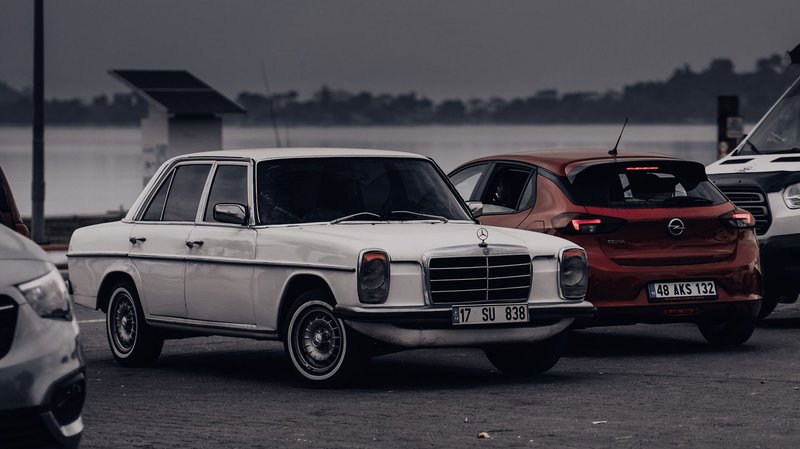
The ES 300 is the Lexus that gets the least respect and does the most work. Underneath the wood trim and the badge, it’s a Toyota Camry — the second-generation XV10 Camry, to be specific — with a stiffer suspension tune, more sound insulation, and a nicer cabin bolted on top. Lexus doesn’t hide this so much as bank on nobody minding.
The 1993 ES 300 ran a 3.0-liter V6 rated at 185 horsepower, paired exclusively with a four-speed automatic and front-wheel drive. It started at roughly $27,900, which made it the cheapest way into a Lexus badge by a wide margin. Nobody bought an ES 300 to carve a canyon road. They bought it because it started every morning, held its value, and didn’t rattle after five years of Camry-grade abuse — and that’s still the honest pitch for one today.
1993 Lexus GS 300
The GS 300 is the interesting one, and it’s the model most “1993 Lexus” searches are actually circling. It arrived in North America in the spring of 1993, built on the same underpinnings as the Japan-market Toyota Aristo, but wearing an exterior penned by Italdesign’s Giorgetto Giugiaro — the same design house responsible for the DeLorean and the original Volkswagen Golf. That pedigree shows in the GS’s low beltline and slab-sided proportions, which still look more restrained than most mid-’90s sedans.
Mechanically, it ran a 3.0-liter inline-six making 220 horsepower and 210 lb-ft of torque, sent through a four-speed automatic to the rear wheels — rear-wheel drive being the detail that separated it from the ES and made it the sport sedan Lexus didn’t have before. Lexus quoted a 0-to-60 time of 8.5 seconds and priced it at $37,500 to start, splitting the difference almost exactly between the ES 300 and the LS 400. That positioning was deliberate: a buyer stepping up from a BMW 5 Series or an Audi 100 finally had a Lexus built specifically to compete with them, instead of a smaller sedan or a much larger flagship.
1993 Lexus LS 400
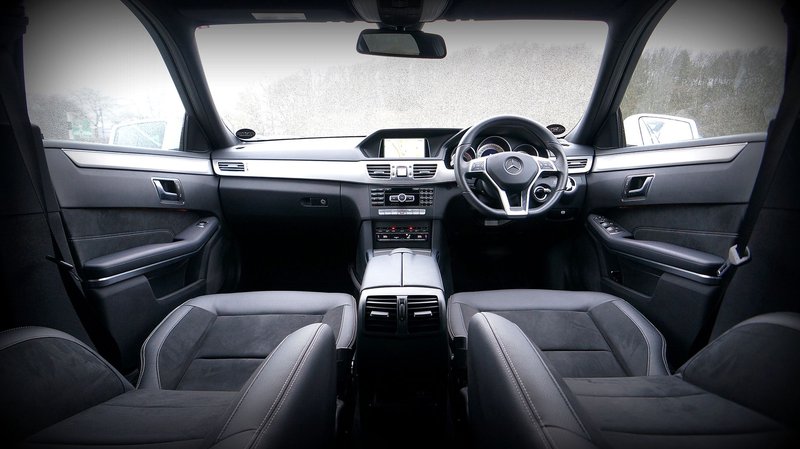
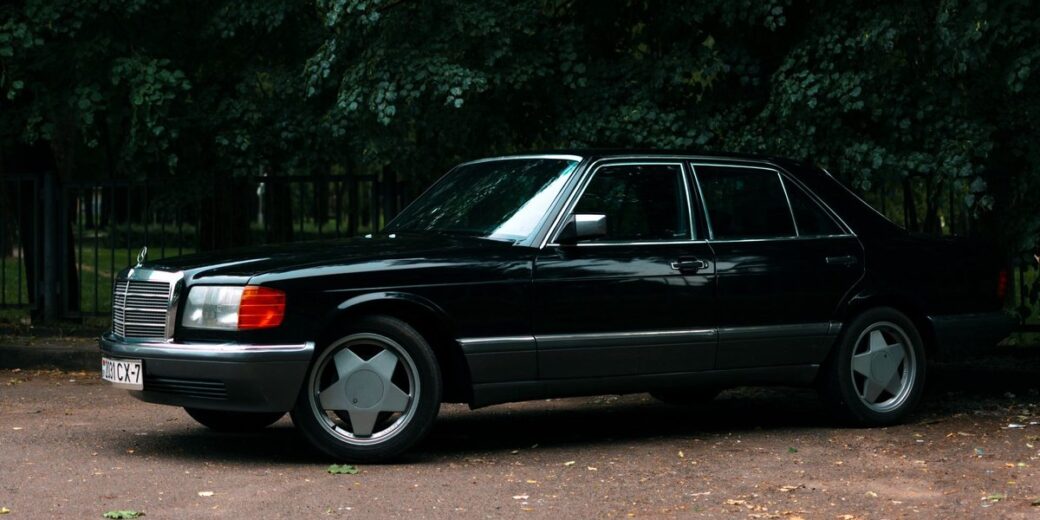
The LS 400 is still the reason Lexus exists, and the 1993 model is the second-to-last year of the original, Toyota-code-named UCF10 generation before the 1995 redesign. Under the hood sat a 4.0-liter V8 producing 250 horsepower and 260 lb-ft of torque, driving the rear wheels through a four-speed automatic and hitting 60 mph in about 7.3 seconds — quick enough in 1993 to embarrass sedans that cost twice as much.
Lexus built the LS 400’s reputation on refinement rather than raw numbers: a cabin so quiet that early reviewers used to test it by balancing a champagne glass on the hood while the engine idled. For 1993, buyers could add an optional traction control system, a genuinely new feature at the time for a car in this price range. According to the EPA’s fuel economy ratings for the 1993 LS 400, it returned 16 mpg city and 22 mpg highway — respectable for a full-size V8 sedan of that era. Base price landed just under $48,000, roughly half what a comparably equipped Mercedes-Benz S-Class cost at the time, which was the entire point of the car.
1993 Lexus SC 300 and SC 400
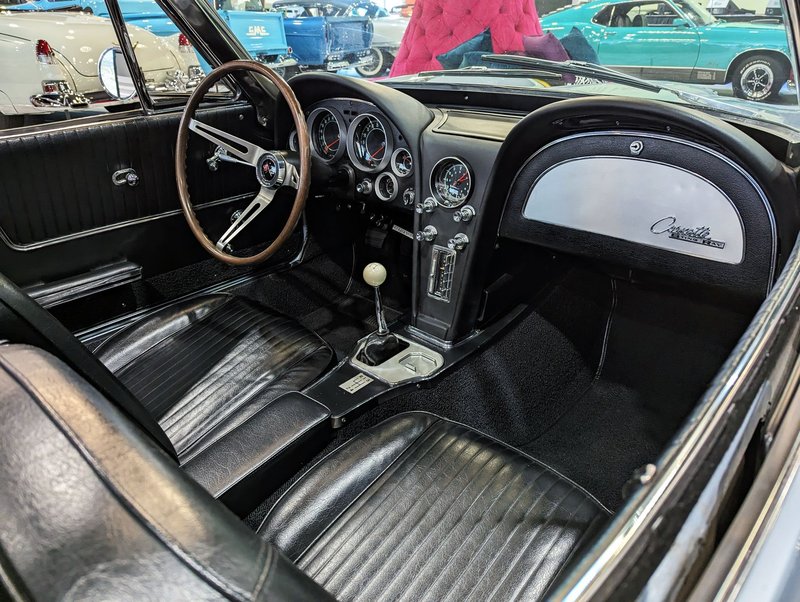
The SC coupes are the least-discussed 1993 Lexus models and probably the most fun to actually drive. Both share the Z30 platform with the Toyota Soarer sold in Japan, wrapped in a pillarless “hardtop” body — no center door frame, so with the windows down the whole side of the car opens up. It’s a design detail that costs a fortune to engineer properly and that almost nobody builds anymore.
Lexus split the SC into two flavors. The SC 300 used the same 3.0-liter inline-six as the GS, tuned here to 225 horsepower, and — unlike the GS — Lexus actually offered it with a five-speed manual transmission, the only stick-shift option in the entire 1993 lineup. The SC 400 swapped in the LS 400’s 4.0-liter V8 at 250 horsepower, automatic only. Pricing ran from around $32,700 for the SC 300 up to roughly $38,500 for the SC 400, positioning both coupes right alongside the GS 300 on price while trading four doors for the pillarless roofline.
The choice between them comes down to what you want the car to be. The SC 300 with the manual is the closest thing to a proper Japanese sports coupe that Lexus ever badged. The SC 400 is a grand tourer — more torque, more hush, less involvement.
Buying One Today: What Actually Matters
Every 1993 Lexus shares one advantage over most 30-year-old luxury cars: nearly all of the mechanical parts came off a Toyota shelf. The ES 300 is a Camry underneath. The GS 300 and SC 300 share their inline-six and much of their chassis DNA with the Toyota Aristo and Soarer. The LS 400 and SC 400 share the V8. That means parts availability and independent-mechanic familiarity are miles better than what you’d get shopping a 1993 Mercedes or Jaguar from the same era, according to the EPA’s combined lineup data, which lists all four 1993 Lexus model lines at an identical 18 mpg combined rating regardless of engine size — a small sign of how consistently Toyota engineered this generation.
A few things to actually check before you buy one:
- Timing belt records on the six-cylinder cars. Both the GS 300 and SC 300 use the 2JZ-GE inline-six, which is an interference engine on a timing belt, not a chain. If there’s no documented belt replacement in the last 90,000 miles or so, budget for one immediately — a snapped belt bends valves.
- Dash cracking. Toyota’s dashboard material from this era doesn’t hold up well to sun exposure, especially on cars that lived in Arizona, Texas, or Southern California. A cracked dash won’t hurt anything mechanically, but it’s expensive to source and replace on a 30-year-old car.
- Suspension bushings and sagging air components on the LS 400. Some 1993 LS 400s were optioned with self-leveling rear air suspension, which gets expensive to repair once the compressor or air struts fail. A standard coil-sprung LS400 is the simpler, cheaper car to keep on the road.
- Manual SC 300s are rare and priced accordingly. If you find one, expect a premium over an automatic SC300 or SC400 — collectors specifically hunt the stick-shift cars.
None of these models are difficult to own. That’s the entire Lexus pitch, thirty years later and still true: the LS 400 for the smoothest ride, the GS 300 for the sharpest one, the SC 300 for the most fun, and the ES 300 for the one you never have to think about.

Daniela Voss
More from Daniela VossHow we reviewed this article
This article was researched against manufacturer records and editorially reviewed before publishing. We accept no payment for coverage.