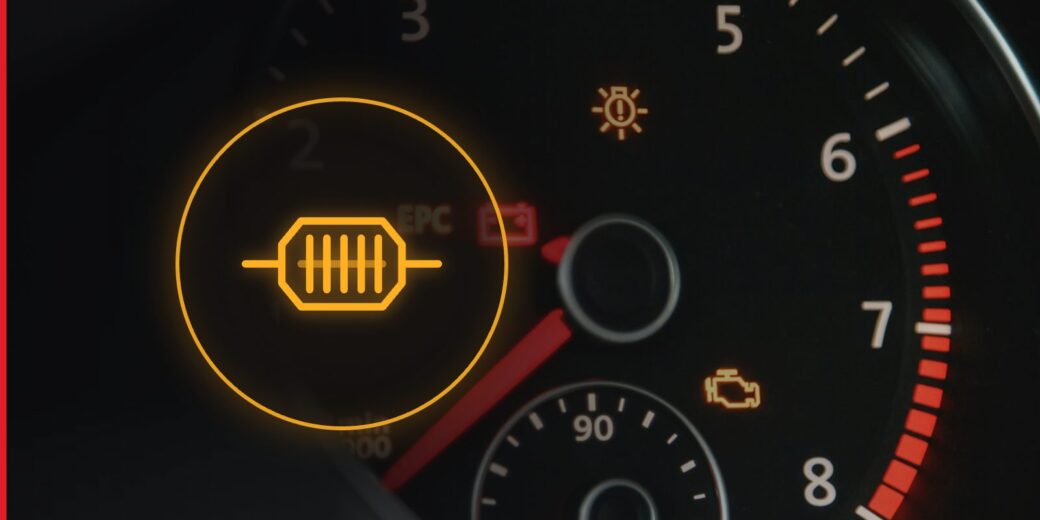
P0420 means the catalytic converter on Bank 1, the side of the engine that holds cylinder 1, is not cleaning the exhaust as well as the computer expects. A worn converter is the usual cause, but an exhaust leak or a weak rear oxygen sensor can set it too. The car keeps running, so it is a fix-soon code.
| Code | P0420 |
|---|---|
| Meaning | Catalyst System Efficiency Below Threshold (Bank 1) |
| Severity | Fix promptly |
| Can I keep driving? | Yes for a while. The car runs normally, but you will fail an emissions test and fuel economy may drop. Fix the cause before the converter clogs. |
| Most common cause | Aging or worn out catalytic converter |
| Difficulty | Usually a shop job |
What does P0420 mean?
The catalytic converter turns carbon monoxide, unburned fuel and nitrogen oxides into carbon dioxide, water and nitrogen. Its coating also stores oxygen, and that storage is what the computer uses to judge its health.
Two oxygen sensors watch each converter. The front (upstream) sensor sits ahead of it and flips between rich and lean several times a second as the computer trims fuel. A healthy converter smooths that swing out, so the rear (downstream) sensor stays fairly steady. As the converter wears, it stops storing oxygen and the rear signal starts to copy the front one. The computer runs this comparison at a steady cruise with the engine warm and sets P0420 when the rear sensor switches too much, usually after two failed trips. Bank 1 is the cylinder 1 side; the other side of a V engine reports as P0430.
P0420 symptoms
- A steady check engine light, often the only sign
- A failed emissions test, or a catalyst monitor that stays “not ready”
- Slightly lower fuel economy
- A rotten egg smell from the tailpipe in some cases
- Weak acceleration if the converter has started to clog
What causes P0420?
- Worn out catalytic converter: the most common cause on cars past 100,000 miles. The coating loses its oxygen storage with age and heat.
- Exhaust leak: a cracked manifold, a failed gasket or a leaking flex pipe ahead of the rear sensor pulls in outside air. The rear sensor reads lean and the converter looks bad when it is not.
- Faulty rear oxygen sensor: an old sensor responds slowly and gives a misleading reading.
- Past misfires or oil burning: raw fuel overheats the converter, and oil or coolant in the exhaust coats it. Most P0420 cars I saw with this history had a finished converter.
- Front oxygen sensor or a fuel mixture problem: a rich or lean engine feeds the converter bad exhaust, and a bad front sensor skews the comparison.
How to fix P0420
- Read every stored code and the freeze frame: fix misfire codes such as P0300 and lean codes such as P0171 first. The converter code often disappears once they are gone. How to use an OBD2 scanner covers freeze frame.
- Check for exhaust leaks: listen for ticking on a cold start and look for soot streaks at the joints.
- Watch both oxygen sensors in live data: you need a scanner that shows live data. Hold the engine near 2,500 rpm when warm. The front sensor should oscillate and the rear should hold steady. A rear sensor that mirrors the front points to the converter. A rear sensor that is flat at one value or very slow points to the sensor.
- Check fuel trims and the rear sensor circuit: long-term trims beyond about 10 percent either way mean a fuel or air problem to fix first. A circuit code on the rear sensor, such as P0136, means the sensor itself is suspect.
- Replace the converter last: buy the type approved for your state, since California and others require CARB-approved parts. Most cars carry a federal emissions warranty on the converter for 8 years or 80,000 miles, so check before paying. Spacers and sensor simulators hide the code and are illegal for road use.
Can you drive with a P0420 code?
Yes, for a while. The engine runs normally and the main costs are a failed emissions test and a small drop in fuel economy. Stop and get it checked if the check engine light starts flashing, if the engine loses power as speed climbs or if the exhaust smells strongly of sulfur. A clogged converter restricts exhaust flow and can overheat the engine.
Related codes
- P0430: Catalyst System Efficiency Below Threshold (Bank 2)
- P0136: O2 Sensor Circuit (Bank 1 Sensor 2)
- P0300: Random/Multiple Cylinder Misfire Detected
- P0171: System Too Lean (Bank 1)
FAQ
Can a bad gas cap cause P0420?
No. A loose or worn gas cap sets fuel vapor leak codes such as P0455, not a catalyst code. Tighten the cap if you see an EVAP code, but a P0420 comes from the exhaust side.
Will P0420 clear itself?
Rarely. If a temporary condition set it, such as a misfire you have since fixed, the light can go out after several clean trips. A worn converter or an exhaust leak keeps failing the test and the code returns.
Is P0420 expensive to fix?
It ranges from cheap to expensive. An exhaust gasket or a rear oxygen sensor costs little and fixes a fair share of cases. A new converter is one of the pricier repairs on the list, which is why you rule out the cheap causes first.
Will a catalytic converter cleaner fix P0420?
Seldom. Additives can clear light carbon deposits and occasionally delay the code on a marginal converter. They cannot restore a coating that has worn out, and they do nothing for a leak or a bad sensor.
Got more than one code? Enter them all in the OBD2 code lookup to see each meaning, severity and first check side by side. If you still need a reader, start with the best OBD2 scanners for beginners, then follow how to use an OBD2 scanner to pull freeze frame data before you clear anything.
Sources & References
- SAE J2012, diagnostic trouble code definitions: https://www.sae.org/standards/content/j2012_201612/
- California Air Resources Board, on-board diagnostics: https://ww2.arb.ca.gov/our-work/programs/obd-board-diagnostic-program
- EPA, vehicle emissions inspection and maintenance: https://www.epa.gov/state-and-local-transportation/vehicle-emissions-inspection-and-maintenance-im

James Kowalski
More from James KowalskiHow we reviewed this article
This article was researched against manufacturer records and editorially reviewed before publishing. We accept no payment for coverage. Some guides contain affiliate links; see our affiliate disclosure.