P0300 means the engine computer detected misfires in more than one cylinder, or in cylinders that change from one event to the next, so it cannot blame a single one. Worn spark plugs, failing ignition coils and vacuum leaks cause most cases. A steady light allows short trips; a flashing light means stop driving.
| Code | P0300 |
|---|---|
| Meaning | Random/Multiple Cylinder Misfire Detected |
| Severity | Fix promptly |
| Can I keep driving? | Short trips are often possible if the engine runs smoothly. If the check engine light is flashing, stop driving, because raw fuel can destroy the catalytic converter. |
| Most common cause | Worn spark plugs |
| Difficulty | Moderate DIY |
What does P0300 mean?
The computer detects misfires through the crankshaft position sensor, which reads a toothed wheel on the crankshaft. Each time a cylinder fires, the crankshaft speeds up slightly. If a cylinder fails to burn its fuel, that push is missing and the teeth pass the sensor a fraction of a second late. The computer measures this for every cylinder in firing order and counts the shortfalls.
It watches the count over two windows. A high count within 200 crankshaft revolutions could damage the catalytic converter, and it makes the light flash. A lower count over 1,000 revolutions that would raise emissions sets a steady light. When the misses come from one cylinder, the computer stores a cylinder code such as P0301. P0300 is stored when they are spread across cylinders or move around. Rough roads and a damaged crankshaft tooth wheel can also fake misfire counts.
P0300 symptoms
- Shaking or a rough idle
- Stumbling or hesitation under load
- A flashing check engine light during hard misfires
- Poor fuel economy
- A fuel smell from the exhaust
- Hard starting or stalling in worse cases
What causes P0300?
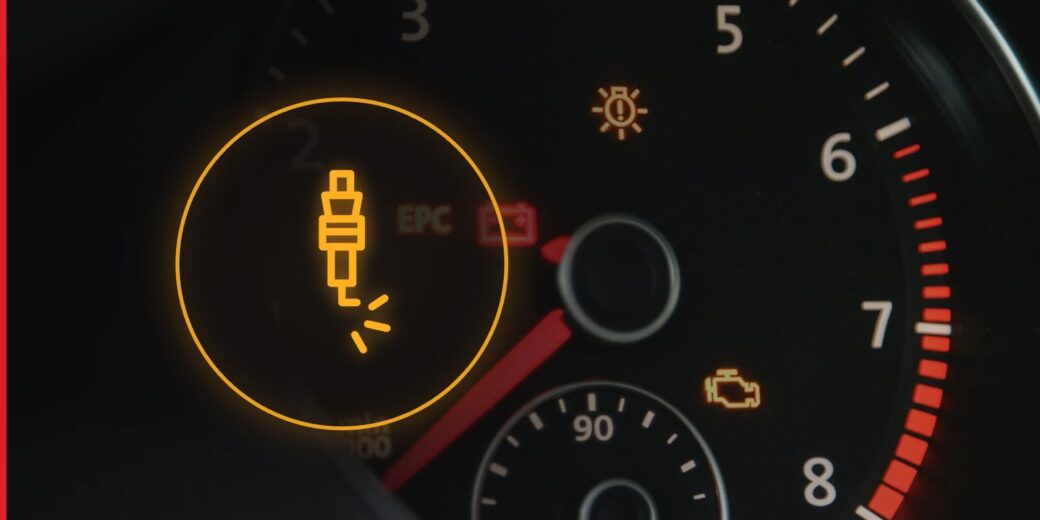
- Worn spark plugs: the most common cause. Plugs wear until the spark struggles to jump the gap under load.
- Failing ignition coils: cracked boots or weak coils leak spark, usually worse in damp weather or under load.
- Vacuum leak: unmetered air leans out the mixture. Look for a cracked hose or a leaking intake gasket, often with a lean code such as P0171.
- Low fuel pressure or clogged injectors: a weak pump or dirty injectors starve cylinders, mostly under heavy load.
- Bad or contaminated fuel: water or the wrong grade shows up soon after a fill-up.
- Low compression or a stuck EGR valve: worn valves, worn rings or an EGR valve stuck open cause rarer random misfires.
How to fix P0300
- Read the freeze frame: it records engine speed, load and coolant temperature when the code set. A misfire at idle points to vacuum leaks. A misfire under load points to plugs, coils or fuel pressure. See how to use an OBD2 scanner.
- Check for other codes and misfire counters: a scanner with live data shows misfires per cylinder. See the best OBD2 scanners for beginners. If one cylinder leads the count, treat it like P0301.
- Check the plugs: find when they were last changed. Copper plugs last around 30,000 miles and iridium plugs up to about 100,000. Replace them as a set.
- Inspect the coils and boots: look for cracks, oil in the plug wells and burn marks.
- Look for vacuum leaks: listen for hissing and check the intake hoses, the brake booster hose and the PCV hose. A smoke machine finds the rest.
- Test fuel pressure: do this only after plugs and coils pass. Consider the last fill-up if the misfire started right after it.
- Test compression: do it last. Poor compression across several cylinders needs a shop. See the car engine 3D model to see how the cylinders and valves relate.
Can you drive with a P0300 code?
Short trips are often possible if the engine runs smoothly and the light is steady. If the light flashes, stop driving. Raw fuel reaching the exhaust can destroy the converter, and a ruined converter later sets P0420. If you must move the car, keep the speed and load low until it is fixed.
Related codes
- P0301: Cylinder 1 Misfire Detected
- P0171: System Too Lean (Bank 1)
- P0420: Catalyst System Efficiency Below Threshold (Bank 1)
- P0316: Engine Misfire Detected on Startup (First 1000 Revolutions)
FAQ
Can bad gas cause P0300?
Yes. Water in the fuel or a badly contaminated tank causes random misfires. If the code appeared right after a fill-up, add fresh fuel and see whether it improves. If it stays, move on to plugs and coils.
Why does P0300 only show up when the engine is cold?
A cold start needs extra fuel and strong spark. A cracked coil boot, a small vacuum leak or a weak injector shows itself first when the engine is cold, then eases as parts warm up and expand.
Is P0300 expensive to fix?
It depends on the cause. Spark plugs and a coil are cheap and common. A fuel pump, a compression problem or a head gasket sits at the expensive end, which is why you work through the cheap causes first.
What is the difference between P0300 and P0301?
P0300 means misfires from several cylinders or no single culprit. P0301 means cylinder 1 alone. P0301 points to a part on that cylinder, while P0300 points to something shared such as fuel, air or a set of old plugs.
Got more than one code? Enter them all in the OBD2 code lookup to see each meaning, severity and first check side by side. If you still need a reader, start with the best OBD2 scanners for beginners, then follow how to use an OBD2 scanner to pull freeze frame data before you clear anything.
Sources & References
- SAE J2012, diagnostic trouble code definitions: https://www.sae.org/standards/content/j2012_201612/
- California Air Resources Board, on-board diagnostics: https://ww2.arb.ca.gov/our-work/programs/obd-board-diagnostic-program
- EPA, vehicle emissions inspection and maintenance: https://www.epa.gov/state-and-local-transportation/vehicle-emissions-inspection-and-maintenance-im

James Kowalski
More from James KowalskiHow we reviewed this article
This article was researched against manufacturer records and editorially reviewed before publishing. We accept no payment for coverage. Some guides contain affiliate links; see our affiliate disclosure.