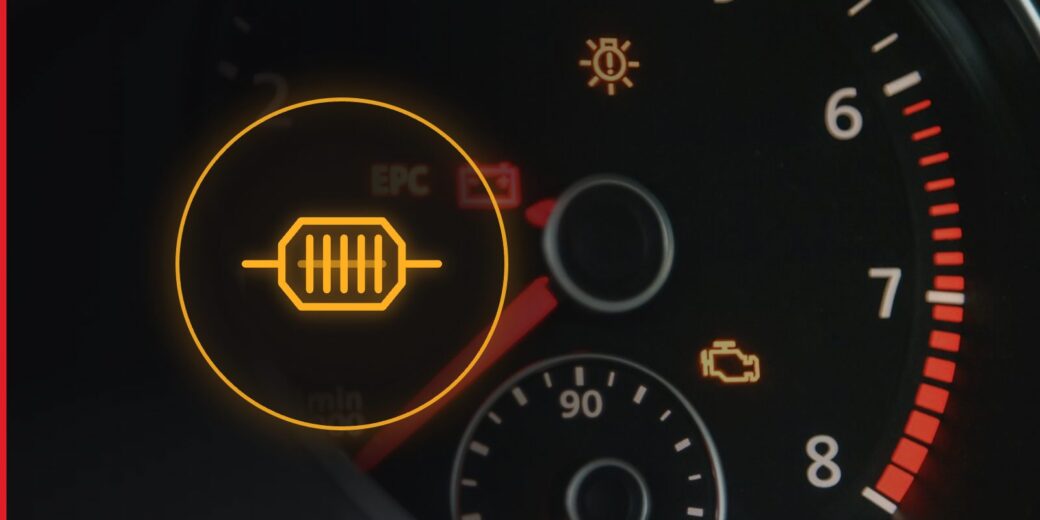
P0430 means the catalytic converter on Bank 2, the side of a V or flat engine opposite cylinder 1, is not cleaning the exhaust as well as the computer expects. It shares its causes with its Bank 1 twin: a worn converter, an exhaust leak or a weak rear oxygen sensor. The car keeps running, so it is a fix-soon code.
| Code | P0430 |
|---|---|
| Meaning | Catalyst System Efficiency Below Threshold (Bank 2) |
| Severity | Fix promptly |
| Can I keep driving? | Yes for a while. The car runs normally, but you will fail an emissions test and fuel economy may drop. Fix the cause before the converter clogs. |
| Most common cause | Aging or worn out catalytic converter |
| Difficulty | Usually a shop job |
What does P0430 mean?
A bank is a group of cylinders that share one exhaust manifold. Bank 1 is the group containing cylinder 1 and Bank 2 is the other group. On a V6 or V8 that means the left and right sides, though which is which depends on the engine and how it is mounted. Flat engines such as Subaru and Porsche boxers have two banks too. Inline engines have one, so P0430 belongs to V and flat engines. Bank 1 is covered by P0420, which uses the identical test.
Each bank has its own front oxygen sensor (B2S1 on Bank 2) and rear sensor (B2S2). The computer compares them while the engine cruises warm. A healthy converter evens out the front sensor’s rich and lean swings, so the rear sensor stays steady. When the rear sensor starts to follow the front one, the converter is no longer storing oxygen and P0430 sets.
P0430 symptoms
- A steady check engine light with P0430 as the only stored code
- P0420 stored alongside it, which means both banks are failing
- A failed emissions test
- A sulfur smell or a loss of power at highway speed if the converter is clogging
What causes P0430?
- Bank 2 converter worn out: heat and age wear the coating, and the converter on one side can go before the other.
- Leak at the Bank 2 manifold or pipe: cracked manifolds and broken manifold studs are common on high-mileage V engines. The leak lets air reach the rear sensor and it reads lean.
- Faulty Bank 2 rear oxygen sensor: the sensor reads slowly or stays fixed at one value.
- Misfires or oil burning on Bank 2 cylinders: worn valve stem seals or rings on one side coat that converter with oil ash.
- Lean or rich running on Bank 2: a code such as P0174 means that bank’s mixture is off and the converter takes the damage.
How to fix P0430
- Confirm which side is Bank 2: use the sensor names on your scan tool (B2S1 and B2S2) and a service manual for the engine layout. Trace the pipe from the cylinder head to the converter.
- Check whether P0420 is also stored: if both are, look for a cause that hits both sides, such as fuel quality, oil use or misfires. If only P0430 is stored, the cause is on Bank 2.
- Fix related codes first: repair any misfire codes, including P0300, and any Bank 2 fuel trim code before you condemn the converter.
- Inspect the Bank 2 manifold and flanges: the leak is often hidden under a heat shield near the firewall. Look for soot streaks and listen for ticking at a cold start.
- Compare the banks in live data: use a scanner that shows live data. The Bank 1 rear sensor is your reference for how a steady signal looks. See how to use an OBD2 scanner for reading it.
- Try a sensor swap: if the harnesses reach, swap the two rear sensors and clear the code. If the fault moves to Bank 1, the sensor is bad. The monitor needs several trips to rerun.
- Replace the Bank 2 converter: each bank has its own, so you can change just the failing one. On a high-mileage car, inspect the other side, since it has the same age.
Can you drive with a P0430 code?
Yes, for a while. The engine runs normally and the main cost is a failed emissions test. If a Bank 2 misfire or leak is behind it, that fault keeps damaging the converter every day you drive. Get it checked if power drops at highway speed.
Related codes
- P0420: Catalyst System Efficiency Below Threshold (Bank 1)
- P0156: O2 Sensor Circuit (Bank 2 Sensor 2)
- P0300: Random/Multiple Cylinder Misfire Detected
- P0174: System Too Lean (Bank 2)
FAQ
Is P0430 the same as P0420?
It is the same test on the other bank. P0420 refers to the bank with cylinder 1 and P0430 to the opposite one. If both are stored together, suspect a shared cause such as fuel, oil use or misfires before replacing two converters.
Can I replace just one converter?
Yes, when only P0430 is stored and each bank has its own converter. Confirm the diagnosis with live data first. If one side failed from age, the other is often close behind.
Can I clear P0430 and pass an emissions test?
Not reliably. Clearing codes resets the readiness monitors, and the catalyst monitor needs several specific trips to complete. Most state tests reject a car with incomplete monitors, and the code returns if the cause is still there.
Can a stolen catalytic converter cause P0430?
Yes. A missing converter sets P0420 or P0430 and the exhaust becomes loud. Thieves often take the converter from one side only, so look under the car if the sound changed at the same time as the light.
Got more than one code? Enter them all in the OBD2 code lookup to see each meaning, severity and first check side by side. If you still need a reader, start with the best OBD2 scanners for beginners, then follow how to use an OBD2 scanner to pull freeze frame data before you clear anything.
Sources & References
- SAE J2012, diagnostic trouble code definitions: https://www.sae.org/standards/content/j2012_201612/
- California Air Resources Board, on-board diagnostics: https://ww2.arb.ca.gov/our-work/programs/obd-board-diagnostic-program
- EPA, vehicle emissions inspection and maintenance: https://www.epa.gov/state-and-local-transportation/vehicle-emissions-inspection-and-maintenance-im

James Kowalski
More from James KowalskiHow we reviewed this article
This article was researched against manufacturer records and editorially reviewed before publishing. We accept no payment for coverage. Some guides contain affiliate links; see our affiliate disclosure.