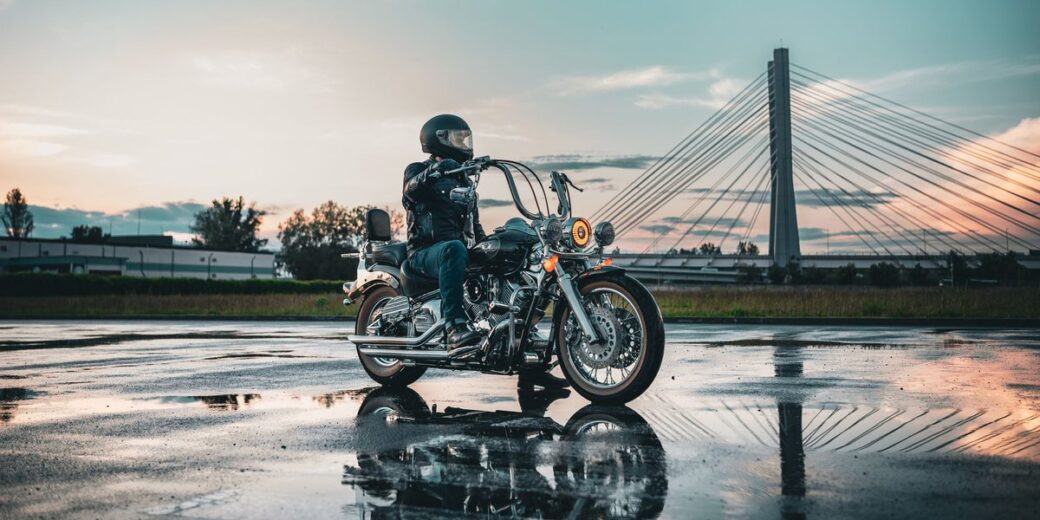
Why 2002 Matters More Than Most Model Years
Harley-Davidson dropped a liquid-cooled, overhead-cam, Porsche-developed engine into showrooms in 2002 and called it a V-Rod. That alone would make the year notable. But 2002 was also the first year every Softail in the catalog ran the Twin Cam 88, closing out a three-year rollout that started with the Dynas and Touring bikes in 1999. If you’re trying to place a specific 2002 Harley, figure out what it’s actually worth, or just understand why this year keeps coming up in forum threads about “the good Twin Cams,” this is the whole picture in one place.
Table of Contents
- The 2002 Lineup at a Glance
- Sportster: The Entry-Level Twins
- Dyna Glide: Factory Customs
- Softail: Old-School Looks, New Cam
- Touring: The Highway Machines
- V-Rod: The Porsche Experiment
- Buying a 2002 Harley-Davidson Today
The 2002 Lineup at a Glance
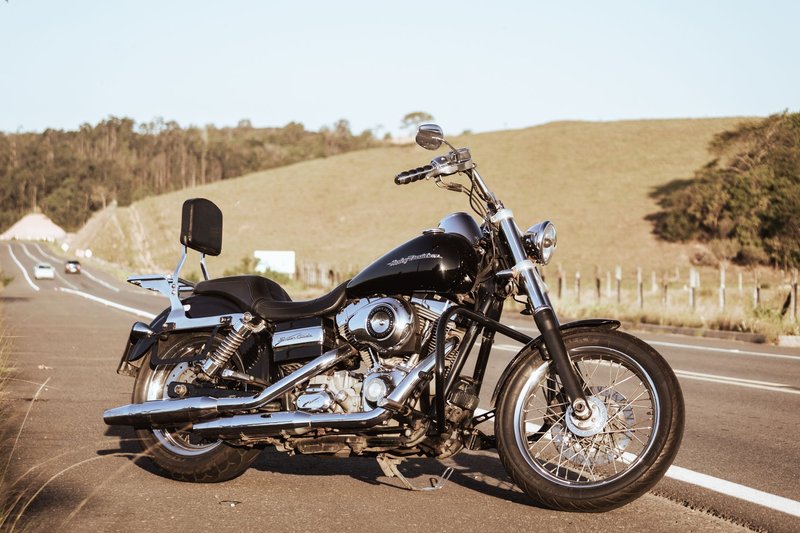
Five families, one new arrival. Here’s the shape of the 2002 catalog before you dig into any single bike.
| Family | Representative Models | Engine | Launch MSRP (base) | What Made It Distinct |
|---|---|---|---|---|
| Sportster | XL883, XL883C, XL883R, XL1200C, XL1200S | 883cc or 1200cc Evolution, air-cooled | ~$8,000–$9,500 | New 883R flat-track homage joined the range this year |
| Dyna Glide | Super Glide, Low Rider, Wide Glide, Super Glide Sport, Super Glide T-Sport | 1450cc Twin Cam 88, air-cooled | ~$14,000–$16,000 | Rubber-mounted engine in a factory-custom chassis |
| Softail | Softail Standard, Night Train, Softail Deuce, Heritage Softail Classic, Fat Boy, Springer Softail, Heritage Springer | 1450cc Twin Cam 88, air-cooled | $12,995–$18,000+ | First full year with Twin Cam 88 across the entire family |
| Touring | Road King, Road King Classic, Electra Glide Standard, Electra Glide Classic, Electra Glide Ultra Classic, Road Glide | 1450cc Twin Cam 88, air-cooled | ~$15,000–$20,000+ | Full dressers with fairings, hard bags, and CB/stereo options |
| VRSC | VRSCA V-Rod | 1130cc Revolution, liquid-cooled DOHC | $16,995 | Porsche-developed engine, drag-bike stance, brand new platform |
Sportster: The Entry-Level Twins
The Sportster range carried the Evolution engine into 2002 in 883cc and 1200cc displacements, the same basic architecture Harley had been refining since the mid-1980s. The lineup covered the XL883 Standard, XL883C Custom, XL1200C Custom, and XL1200S Sport, each aimed at a slightly different rider — commuter, cruiser, or someone who actually wanted the bike to turn.
The real news was the XL883R, new for 2002. It borrowed its orange-and-black paint scheme and number-plate graphics directly from Harley’s XR-750 flat-track racer, a bike with actual championship pedigree on dirt ovals. It wasn’t a race replica in any mechanical sense — same 883cc mill, same five-speed box — but it gave the entry-level Sportster a personality the base 883 never had, and it’s the 2002 Sportster collectors still ask about by name.
Dyna Glide: Factory Customs
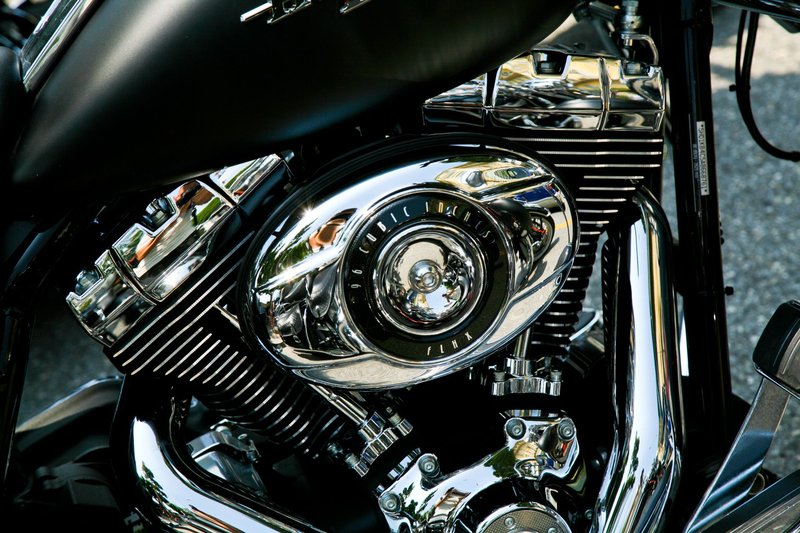
Dyna models split the difference between Softail style and Sportster practicality: a rubber-mounted Twin Cam 88 in a chassis with visible rear shocks, none of the hardtail-look concealment the Softails go for. The 2002 range ran five deep — Super Glide, Low Rider, Wide Glide, Super Glide Sport, and the newer Super Glide T-Sport, which added a small front fairing and hard saddlebags for riders who wanted Dyna handling without giving up all-day comfort.
The Wide Glide (FXDWG) is the one people remember, with its 21-inch front wheel, extended forks, and peanut tank giving it a chopper silhouette straight off the showroom floor. It carried an MSRP of $15,950 and the same 1450cc, 45-degree Twin Cam 88 as the rest of the Dyna family, with Harley’s conservative factory rating putting output around 68 horsepower at 5,000 rpm — a number that undersells how much low-end torque the engine actually puts down.
Softail: Old-School Looks, New Cam
The Softail family is where 2002 earns its footnote in Harley history. The rear suspension is hidden under the frame to fake a rigid, hardtail look while still giving the rider real travel — a trick Harley had been running since the mid-1980s. What changed by 2002 was under the tank: every Softail, from the base Standard to the Heritage Springer, now ran the Twin Cam 88, the last family in the catalog to make the switch after Dyna and Touring got it in 1999.
The Softail Deuce (FXSTD) was the style leader of the range that year, with a stretched tank, staggered dual exhaust, and a low, raked-out stance that made it Harley’s answer to the custom-bike boom happening outside its own dealerships. Base MSRP ran $16,555, with another $600 tacked on for the fuel-injected FXSTDI and a $290 surcharge in California for emissions compliance. The plainer Softail Standard sat at the other end of the range at $12,995 — same engine, none of the styling premium.
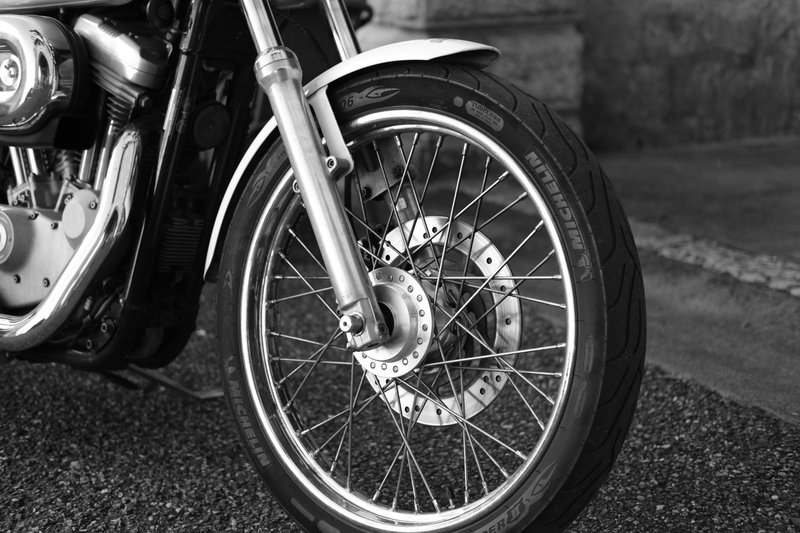
Other 2002 Softails worth knowing: the Fat Boy, with its solid-disc wheels and unmistakable silhouette; the Heritage Softail Classic, leaning hard into 1950s touring cues with a windshield and leather saddlebags; and the Springer Softail and Heritage Springer, both running Harley’s exposed front-end springer suspension for a pre-war look that had nothing to do with modern performance and everything to do with standing out at a bike night.
Touring: The Highway Machines
Touring models carried the same Twin Cam 88 as the Dynas and Softails, but everything else about them was built for distance: full fairings, hard-mounted saddlebags, passenger accommodations, and — on the Ultra Classic — a factory CB radio and stereo. The 2002 range covered Road King and Road King Classic on the unfaired-with-windshield end, through Electra Glide Standard, Electra Glide Classic, and the fully loaded Electra Glide Ultra Classic, plus the frame-mounted-fairing Road Glide.
Pricing climbed with equipment. A base Road King started well under $20,000; a fully optioned Ultra Classic, with its stereo, CB, and full luggage set, pushed past that mark. These were the bikes Harley sold to riders doing actual interstate miles, not weekend cruising, and the option sheets reflected it.
V-Rod: The Porsche Experiment
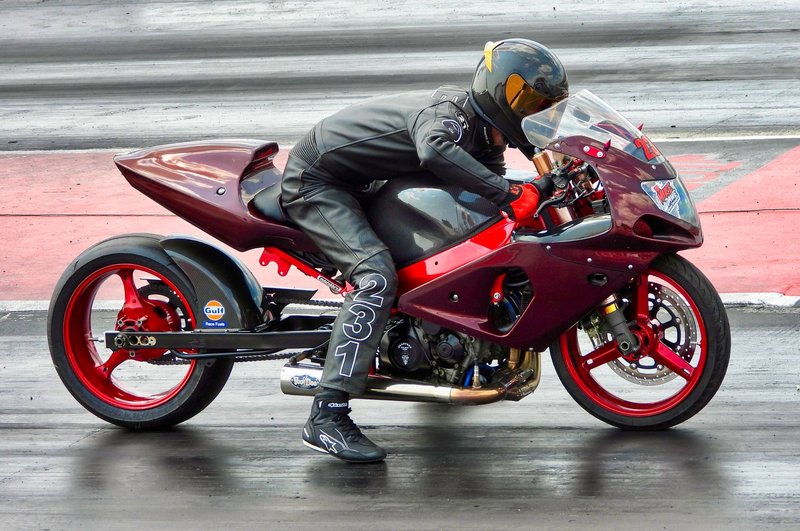
Nothing else in the 2002 catalog looked or ran like the VRSCA V-Rod. Harley had Porsche Engineering develop the Revolution engine — a 1130cc, liquid-cooled, dual-overhead-cam 60-degree V-twin with electronic fuel injection and an 11.3:1 compression ratio nothing else in the lineup came close to. Harley claimed 115 horsepower at 8,250 rpm and 74 lb-ft of torque at 7,000 rpm, run through a five-speed gearbox and belt final drive.
Everything about the V-Rod’s shape signaled the break from tradition: a low, drag-bike stance, a stretched wheelbase, and a fake fuel tank sitting where you’d expect one — the real tank sits under the seat, with the “tank” up front actually housing the airbox. It’s the kind of detail that trips up first-time buyers checking fuel level. Harley priced the launch VRSCA at $16,995 and planned an initial production run around 11,000 units for the model year, a deliberate scarcity play for a bike positioned as a statement, not a volume seller.
Buying a 2002 Harley-Davidson Today
This is the part the photo catalogs and spec sheets skip, and it’s the part that actually matters if you’re shopping.
The Twin Cam 88’s known weak point is the cam chain tensioner. Early Twin Cams, 2002 included, used plastic tensioner shoes that wear under normal heat and friction. Worn shoes shed plastic debris into the oil and coolant passages, and the failure mode isn’t subtle — a rattling noise from the cam chest, worse at idle or low rpm, that gets louder as the shoes deteriorate. Harley didn’t move to a stronger tensioner design until the 2006-2007 model years, which means every 2002 Dyna, Softail, and Touring bike out there is either still running the original plastic tensioner or has already had it replaced. Cold-start the bike before you buy it and listen for that rattle. If a seller won’t let you do a cold start, treat that as a red flag on its own.
Check whether it’s carbureted or fuel-injected. 2002 sat in the middle of Harley’s carb-to-EFI transition, and both setups shipped that year depending on model. Neither is inherently more reliable at this age, but parts availability and starting behavior differ enough that you should know which one you’re looking at before you negotiate price.
On the V-Rod specifically, check belt condition and confirm the seller understands where the actual fuel tank lives — a surprising number of used listings get basic details wrong because the seller never registered that the visible “tank” is really the airbox cover. Twenty-plus years on, first-year V-Rods have settled into a niche of their own: depreciated hard off that $16,995 sticker, but increasingly sought out by riders who want the only Porsche-engineered Harley ever built.
On value generally, clean, mechanically sound 2002 Dynas and Softails trade well below their original MSRPs today, and condition matters more than mileage once you’re past the tensioner question — a well-maintained bike with the tensioner already addressed is worth real money over an unknown-history example with the original parts still in it. Get service records if you can. If the seller has none, budget for a tensioner inspection as part of the purchase price, not as an optional extra.
The 2002 lineup gave Harley-Davidson its most complete Twin Cam catalog and its biggest engineering swing in a generation, in the same twelve months. That combination is exactly why the year still comes up in buyer research two decades later — there’s a genuinely good bike in most of these model lines, as long as you know what to check before you hand over a deposit.

Sarah Thornton
More from Sarah ThorntonHow we reviewed this article
This article was researched against manufacturer records and editorially reviewed before publishing. We accept no payment for coverage.