Every “2020 Harley-Davidson lineup” article still online was written before anyone rode these bikes for more than an afternoon. They’re launch-day press copy — specs, glamour shots, quotes from product managers. Six years later, we know things those articles couldn’t: what the LiveWire’s battery actually does in year four, what the Low Rider S sells for used, and which parts of the Milwaukee-Eight engine owners keep replacing.
2020 was also a strange year to buy a Harley. Jochen Zeitz took over as CEO in March, and by summer the company had announced it would cut its model lineup by roughly 30% as part of a restructuring plan it called “The Rewire.” Some 2020 models turned out to be one-year-only trims, discontinued before 2021 even started. That matters if you’re shopping used — a few of these bikes are genuinely harder to find than their production numbers suggest.
Table of Contents
- Quick Answer
- The New Models for 2020
- What Got Cut in 2020
- 2020 Harley-Davidson Lineup: Specs and MSRP
- What Used 2020 Harleys Actually Sell For
- Reliability Check: What’s Actually Gone Wrong
- How 2020 Models Stack Up Against Today’s Lineup
- Is a 2020 Harley Worth Buying Used?
Quick Answer
If you’re skimming: the Low Rider S is the 2020 model that’s aged best and still commands a premium used. The LiveWire is the one to buy only if you understand its real-world range (80–100 miles, not the 146-mile city figure on the window sticker) and its 2020 recall history. The Milwaukee-Eight engine across the touring and softail lines is fundamentally solid but has two known weak points — rocker box oil seepage and cam chain tensioner wear — that are worth a pre-purchase inspection, not a dealbreaker. And several 2020 trims (Superlow, 1200 Custom, Ultra Limited Low, CVO Road Glide) were cut from the lineup afterward, which makes clean examples slightly scarcer on the used market than you’d expect.
The New Models for 2020
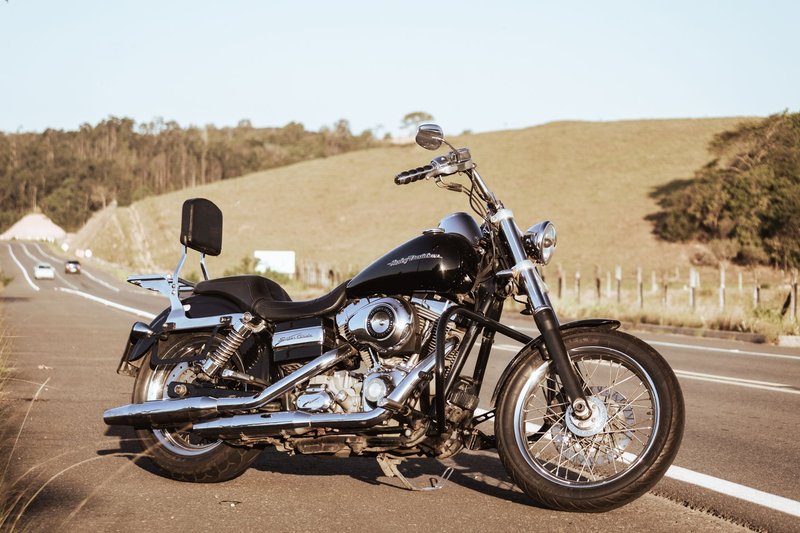
Harley used 2020 to do two things at once: reshape the Softail lineup around a sportier riding position, and finally put an electric motorcycle into production.
Low Rider S. This was the headline release — a factory hot-rod built on the Low Rider platform with the Milwaukee-Eight 114 (1,868cc), a 43mm inverted Showa fork, dual front discs, and a steepened 28-degree rake that sharpened the steering compared to other Softails. It made 119 lb-ft of torque at just 3,000 rpm, which is the number that actually matters on a bike like this — it pulls hard from idle without needing to be revved out. MSRP was $17,999.
Road Glide Limited. A new top-of-the-line Road Glide trim that folded Ultra-spec touring equipment — the larger fairing, more storage, additional electronics — into the Road Glide’s frame-mounted shark-nose fairing, aimed at riders who wanted Ultra comfort without the batwing fairing.
CVO Tri Glide. Harley’s three-wheeler got the Custom Vehicle Operations treatment for the first time in 2020, with the Milwaukee-Eight 117, premium paint, and the full CVO trim package. It was also, at launch, the most expensive bike in the catalog.
Heritage Classic. A meaningful restyle rather than a new model — revised bodywork, updated seat, and a return to a more retro-correct silhouette that had drifted over the previous decade.
LiveWire. The one nobody expected Harley to actually ship. An all-electric motorcycle with a 15.5kWh battery, a claimed 146-mile city range, 105 hp, and 86 lb-ft of instant torque, priced at $29,799 — more than any other standard-production Harley that year. It was as much a statement about where the company thought it needed to go as it was a motorcycle.
What Got Cut in 2020
Not every 2020 model made it to 2021. The Sportster line lost the Superlow and 1200 Custom, both victims of the touring-and-cruiser-focused Rewire plan. The touring lineup lost the Ultra Limited Low, a lower-seat-height Ultra variant, and — somewhat surprisingly given how popular the standard Road Glide had become — the CVO Road Glide, at least for a model year, as Harley consolidated its CVO touring offerings.
If you’re specifically hunting a 2020 example of one of these four, expect a smaller used pool than for bikes that ran multiple consecutive years. Dealers moved through remaining 2020 inventory of discontinued trims quickly once word got out they wouldn’t be back.
2020 Harley-Davidson Lineup: Specs and MSRP

| Model | Engine | Torque | MSRP (2020) | Status |
|---|---|---|---|---|
| LiveWire | Electric, 15.5kWh | 86 lb-ft | $29,799 | New for 2020 |
| CVO Tri Glide | Milwaukee-Eight 117 | 125 lb-ft | ~$40,000+ | New for 2020 |
| Road Glide Limited | Milwaukee-Eight 114 | 119 lb-ft | ~$26,000 | New for 2020 |
| Low Rider S | Milwaukee-Eight 114 | 119 lb-ft | $17,999 | New for 2020 |
| Heritage Classic | Milwaukee-Eight 107 | 108 lb-ft | ~$18,000 | Restyled |
| Street Glide Special | Milwaukee-Eight 114 | 119 lb-ft | ~$23,000 | Carryover |
| Road King | Milwaukee-Eight 107 | 108 lb-ft | ~$19,500 | Carryover |
| Fat Boy 114 | Milwaukee-Eight 114 | 119 lb-ft | ~$20,500 | Carryover |
| Iron 883 | Evolution 883 | 54 lb-ft | ~$9,000 | Carryover |
| Superlow | Evolution 883 | 54 lb-ft | ~$8,700 | Discontinued after 2020 |
| 1200 Custom | Evolution 1200 | 72 lb-ft | ~$10,600 | Discontinued after 2020 |
| Ultra Limited Low | Milwaukee-Eight 107 | 108 lb-ft | ~$24,500 | Discontinued after 2020 |
| CVO Road Glide | Milwaukee-Eight 117 | 125 lb-ft | ~$40,000 | Discontinued after 2020 |
MSRPs varied by paint and options; treat these as launch-year baselines rather than exact transaction prices.
What Used 2020 Harleys Actually Sell For
Six years in, depreciation has done most of its work. A 2020 Street Glide — one of the volume sellers in the touring lineup — has depreciated roughly 38% from its original MSRP, with typical used listings landing around $13,000–$14,000 depending on mileage and options. The 1200 Custom, one of the discontinued Sportster trims, now trades for around $5,000, less than half its original price.
The pattern holds across the lineup: Sportster-family bikes lose the largest percentage of their value, while limited-run and CVO models hold up better in dollar terms even though they still depreciate meaningfully. A 2020 CVO Street Glide, for comparison, still commands a typical listing price north of $26,000 with trade-in values around $21,900 — a smaller percentage drop than the standard-trim bikes, simply because there were fewer of them made and CVO buyers tend to maintain them closer to showroom condition.
Big touring three-wheelers depreciate the slowest of all. A 2020 Tri Glide Ultra typically trades in around $24,600, with private-party asking prices running $22,000–$33,000 depending on condition and options — a shallower depreciation curve than almost anything else Harley made that year.
As a rule of thumb: expect a well-kept 2020 Harley to have lost 30–45% of its MSRP by now, with CVO and low-production trims sitting at the shallow end of that range and entry-level Sportster models at the steep end.
Reliability Check: What’s Actually Gone Wrong
This is the section none of the 2019–2020 launch coverage could write, because none of these bikes had six years on the road yet.
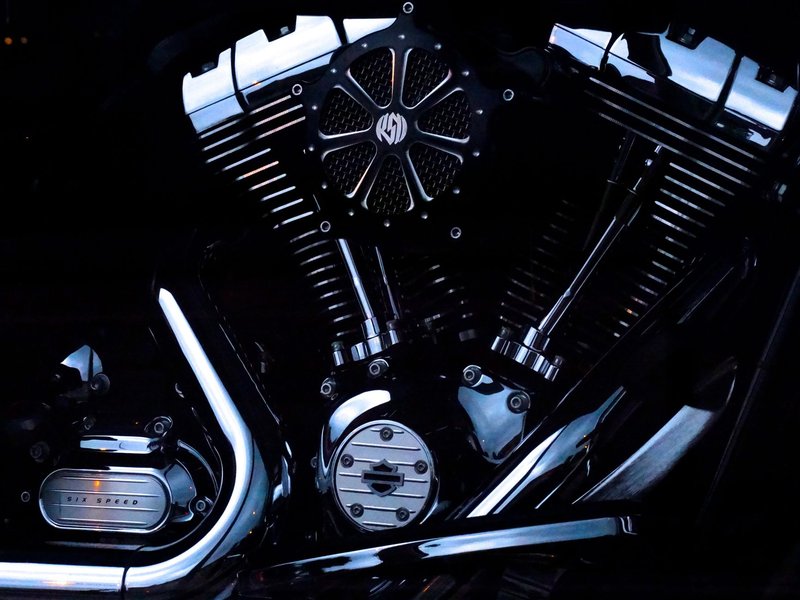
Milwaukee-Eight engines (107, 114, and 117, which cover nearly every 2020 model except the Sportsters and LiveWire) have proven reliable in the ways that matter most — bottom-end durability is good, and catastrophic failures are rare. The recurring complaints are smaller and more annoying: oil seepage from the rocker box gaskets and cam chest seals, often showing up in the first few thousand miles as the gaskets shrink and harden, and cam chain tensioners that wear faster than owners expect, occasionally leading to a ticking noise that needs addressing before it becomes a bigger problem. Neither issue is expensive to fix individually, but both are worth checking for on any used example — a light oil film around the rocker boxes or a chain-rattle at idle are both easy to spot on a test ride.
The LiveWire carries the more serious history. Harley issued a recall covering LiveWire units built between September 2019 and March 2020 — essentially the entire first production run — after finding that around 1% of bikes could experience a power interruption originating in the onboard charging system. Harley’s fix was a software update delivered through dealer service, and the recall is documented in federal safety databases for anyone who wants to verify a specific bike’s repair history before buying. Beyond the recall, real-world range has consistently landed below the window-sticker numbers: owners report 80–100 miles in mixed riding rather than the claimed 146-mile city figure, and highway range closer to 90 miles than the advertised 70-mile “sustained 70 mph” spec would suggest is conservative. Battery degradation over time is the other thing to ask about — get a charge-cycle count from any seller if you can, the way you’d ask an EV car seller for battery health.
How 2020 Models Stack Up Against Today’s Lineup
The biggest shift since 2020 isn’t any single model — it’s the Pan America adventure-touring bike, launched in 2021, which didn’t exist yet when this lineup shipped and which pulled a meaningful chunk of Harley’s engineering attention and marketing budget away from cruisers and touring bikes for the next few years. If you’re cross-shopping a 2020 touring bike against a current one, the platform differences are smaller than you’d think — the Milwaukee-Eight architecture hasn’t fundamentally changed, and infotainment updates are the main year-over-year difference on Road Glides and Street Glides.
The LiveWire has changed the most. Harley spun LiveWire off as its own electric-motorcycle brand in 2022, and later LiveWire models (the S2 Del Mar and S2 Mulholland) are lighter, cheaper, and built on a different platform than the original 2020 bike. A 2020 LiveWire is now effectively a first-generation product from a company that has already moved to a second generation — which is exactly why used pricing on it has dropped harder than its performance specs alone would suggest.
Is a 2020 Harley Worth Buying Used?
For most buyers, yes — with the usual used-motorcycle homework. The Milwaukee-Eight bikes in this lineup are mature, well-understood machines at this point, and the known issues are minor and inspectable. The Low Rider S in particular has held up as one of the more interesting Harleys of the last decade, not because it reinvented anything, but because it took an existing platform and made the steering and the front end genuinely better.
The LiveWire is a different conversation. It’s a fascinating bike to ride and a legitimately historic one — Harley’s first series-production EV — but buy it knowing you’re getting first-generation electric-motorcycle technology, a documented recall, and a battery that won’t do what the original spec sheet promised. Ask for service records, verify the recall was completed, and price it like the depreciated first-gen product it is, not like a collectible.

Sarah Thornton
More from Sarah ThorntonHow we reviewed this article
This article was researched against manufacturer records and editorially reviewed before publishing. We accept no payment for coverage.