
TLDR
Toyota fielded 17 nameplates for 2019, and three of them mattered more than the rest: a ground-up RAV4 redesign, the return of the Corolla Hatchback, and the Supra’s comeback after a 21-year absence. If you’re shopping the used market now, the RAV4 and Camry are the safest bets for reliability and resale, the Avalon is the most underrated deal on the lot, and the Land Cruiser is the one that’ll outlive everyone reading this. Full breakdown below.
Table of Contents
- The 2019 lineup at a glance
- Cars and hatchbacks
- Crossovers and SUVs
- Trucks and the minivan
- Sports cars
- Alternative fuel
- Buying a 2019 Toyota used: what to actually check
- The best used 2019 Toyota to buy
2019 was a transition year for Toyota. The company was mid-rollout on its TNGA platform strategy — the shared architecture underneath most of the lineup now — and it showed. Some models got completely reworked. Others just carried over with a trim shuffle and a new infotainment screen. Knowing which is which matters more than the sticker price, especially if you’re buying one of these secondhand in 2026 and want to know what you’re actually getting.
The 2019 lineup at a glance
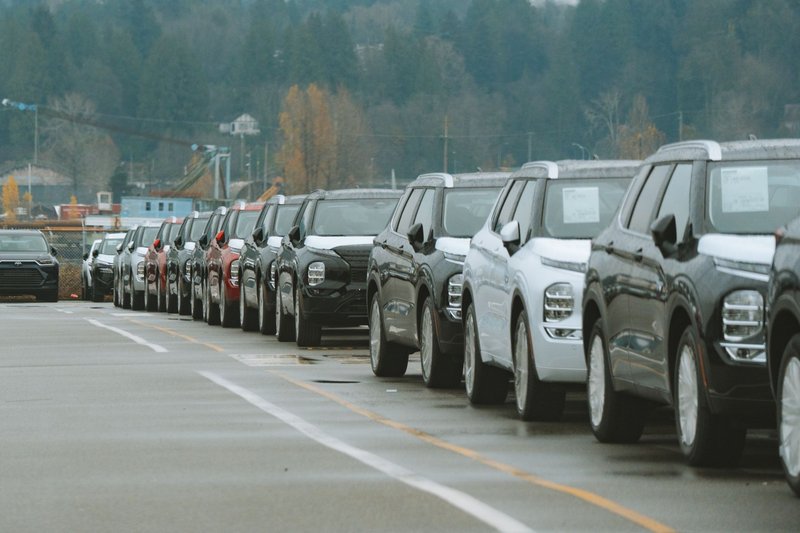
Here’s the full range, sorted roughly by segment. MSRP figures are base trim, before destination charge, and options push most of these up several thousand dollars — treat them as a floor, not a quote.
| Model | Segment | Starting MSRP | EPA Combined MPG | Notable trims |
|---|---|---|---|---|
| Yaris | Subcompact sedan | ~$15,635 | 32 | L, LE, XLE |
| Corolla Sedan | Compact sedan | ~$18,700 | 31 | L, LE, SE, XLE, XSE |
| Corolla Hatchback | Compact hatchback | $19,990 | 30 | SE, XSE |
| Camry | Midsize sedan | ~$24,095 | 32 (34 Hybrid LE) | LE, SE, XLE, XSE, TRD, Hybrid |
| Avalon | Full-size sedan | ~$35,500 | 26 (43 Hybrid) | XLE, XSE, Limited, Touring, Hybrid |
| Prius | Hybrid hatchback | ~$23,770 | 52 | L Eco, LE, XLE, Limited |
| C-HR | Subcompact crossover | ~$21,300 | 29 | LE, XLE, Limited |
| RAV4 | Compact SUV | ~$25,650 | 30 (40 Hybrid) | LE, XLE, XLE Premium, Adventure, Limited, Hybrid |
| Highlander | Midsize SUV | ~$31,830 | 24 (29 Hybrid) | LE, LE Plus, SE, XLE, Limited, Hybrid |
| 4Runner | Midsize/off-road SUV | ~$35,310 | 18 | SR5, TRD Off-Road, Limited, TRD Pro |
| Sequoia | Full-size SUV | ~$47,675 | 15 | SR5, Limited, TRD Sport, Platinum |
| Land Cruiser | Full-size luxury SUV | ~$85,090 | 14 | Land Cruiser (single trim) |
| Tacoma | Midsize pickup | ~$25,550 | 21 | SR, SR5, TRD Sport, TRD Off-Road, Limited, TRD Pro |
| Tundra | Full-size pickup | ~$31,320 | 15 | SR, SR5, Limited, Platinum, 1794, TRD Pro |
| Sienna | Minivan | ~$31,115 | 21 | L, LE, SE, XLE, Limited |
| 86 | Sports coupe | ~$26,455 | 24 | Standard, GT |
| GR Supra | Sports coupe | $49,990 | not yet EPA-rated at 2019 launch | 3.0, 3.0 Premium, Launch Edition |
| Mirai | Hydrogen fuel cell sedan | ~$58,500 | 67 MPGe | Single trim, lease-only in select states |
Fuel economy figures are EPA combined estimates for the base powertrain and will vary by trim and drivetrain.
Cars and hatchbacks
The sedan side of the lineup ranged from genuinely new to barely touched, and it’s worth knowing which was which before you shop.
Corolla Hatchback is the real story here. Toyota killed the Scion iM and brought the hatchback back under the Corolla badge, built on the new TNGA platform with a sport-tuned suspension and a 2.0-liter four making 168 horsepower — a real bump over the old iM’s 137. It’s lower, wider, and shorter than its predecessor, and it was the first Toyota in North America to get Toyota Safety Sense 2.0 standard. If you want a Corolla with an actual personality, this was the one to get.
The Corolla Sedan carried over largely unchanged from 2018, still riding the older platform for one more year before its own TNGA redesign landed in 2020. The Camry, one year removed from its own full redesign, got minor trim tweaks and little else. The Avalon is the one people miss: a complete ground-up redesign for 2019, dropping the old car’s soft, anonymous styling for something genuinely aggressive, with a new 3.5-liter V6 and, for the first time, a hybrid variant that hit 43 mpg combined. It’s the most underrated used buy on this entire list — a full-size sedan with Lexus-adjacent build quality that nobody was cross-shopping against a German sedan, so depreciation hit it hard.
The Prius and Yaris both carried over with no meaningful changes for the year.
Crossovers and SUVs
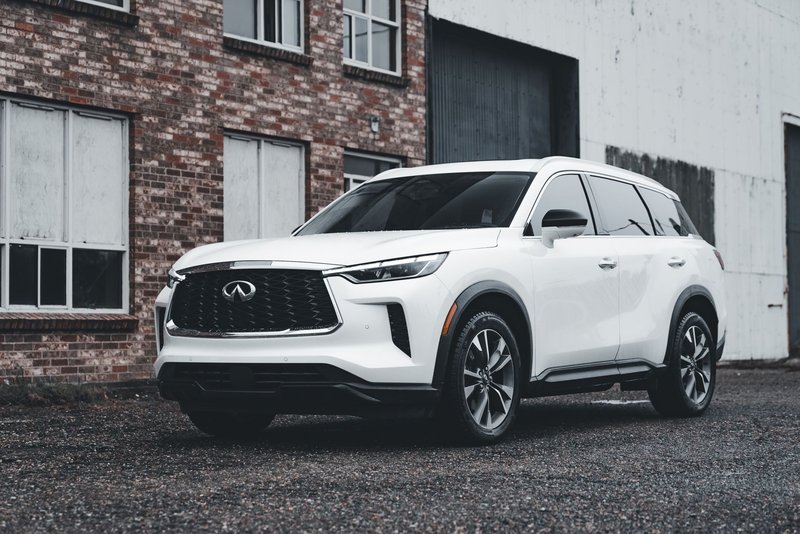
This is where 2019 actually happened. The RAV4 got Toyota’s biggest news of the year: a total redesign on the TNGA platform, with boxier, more rugged styling that ditched the outgoing generation’s soft curves entirely. Toyota claimed 57% more structural rigidity than the previous RAV4, horsepower jumped to 203 from 176, and the whole Toyota Safety Sense suite — adaptive cruise, lane tracing assist, pedestrian-detecting automatic braking — came standard on every trim. The new Adventure trim added real off-road intent for the first time in the RAV4’s history. This redesign is the reason the RAV4 has spent the years since as America’s best-selling non-truck vehicle.
The C-HR carried over from its 2018 US debut with no major changes. The Highlander and 4Runner both held steady in the final years of their respective generations — the 4Runner, in particular, was already six years into a platform it wouldn’t meaningfully update until 2025, which tells you something about how little urgency Toyota felt to touch a truck-based SUV that was still selling itself on reputation. The Sequoia and Land Cruiser, both aging even harder, got no real updates either. The Land Cruiser’s ~$85,000 sticker in 2019 looked almost absurd next to a fully loaded Land Rover — but it also came with a drivetrain nobody expected to need major work before 250,000 miles.
Trucks and the minivan
Tacoma, Tundra, and Sienna all rolled over from 2018 with trim-level shuffling rather than substantive change. The Tacoma remained the best-selling midsize truck in America almost by default — its main competition, the Chevy Colorado and Ford Ranger, couldn’t touch its resale value even when they beat it on power or ride quality. The Tundra, by contrast, was showing its age hard by 2019: still on a platform dating to 2007, still without a proper diesel or a modern turbocharged option while Ford and Ram moved on. Buyers who wanted the Toyota badge on a full-size truck accepted the tradeoff for the reliability reputation, not the technology.
Sports cars
The 86 (formerly the Scion FR-S) carried on largely unchanged, still built with Subaru and still one of the last genuinely light, rear-wheel-drive Japanese sports cars sold new for under $30,000.
The GR Supra is the one everyone actually searched for. Toyota brought the Supra back after a 21-year gap, co-developed with BMW and sharing its platform, turbocharged inline-six, and eight-speed automatic with the Z4. Toyota’s Gazoo Racing division handled the tuning and styling to keep it from feeling like a badge-engineered BMW, and the 3.0-liter six made 335 horsepower and 365 lb-ft of torque, good for a sub-4.2-second run to 60. One wrinkle worth knowing if you’re shopping listings: Toyota announced 2019 pricing and revealed the car in January 2019, but the Supra actually went on sale in the US as a 2020 model year vehicle, aside from a small Launch Edition batch. If a listing says “2019 Toyota Supra,” read the fine print — it’s almost always describing the reveal year, not the title year.
Alternative fuel
The Mirai, Toyota’s hydrogen fuel-cell sedan, continued its limited rollout in 2019 — lease-only, and only in markets with hydrogen fueling infrastructure, which in practice meant California. It’s the one car on this list you should not buy used unless you live within a short drive of an operating hydrogen station; parts and fuel access outside that footprint range from inconvenient to nonexistent.
Buying a 2019 Toyota used: what to actually check
Most people searching for the 2019 Toyota lineup in 2026 aren’t cross-shopping new dealer inventory — they’re looking at a seven-year-old car and trying to figure out if it’s worth buying. A few things matter more than the model-year trivia above.
Reliability is genuinely strong, with two known trouble spots. Toyota’s 2019 lineup largely lived up to the brand’s reputation, but it wasn’t flawless. Early RAV4 and Highlander Hybrid models from this generation saw a wave of complaints about hybrid system faults and inconsistent power delivery, enough that Toyota issued service updates. The 3.5-liter V6 used across the Camry, Avalon, Highlander, and Sienna had scattered reports of oil consumption on high-mileage examples, though nowhere near the scale of the oil-burning issues that plagued some competitors’ engines in the same era. Before buying, pull the vehicle’s history and check for open recalls through NHTSA’s VIN lookup tool — it’s free and takes under a minute.
Resale value held up better than almost any other brand. A 2019 RAV4 or Tacoma routinely retains 55-60% of its original MSRP even now, which is unusually strong for a seven-year-old vehicle. That’s good news if you’re selling, and it means you shouldn’t expect steep discounts when buying — Toyota depreciation curves are famously flat compared to the segment average.
Crash safety across the board was strong. Several 2019 Toyota models, including the redesigned RAV4 and the Camry, earned IIHS Top Safety Pick or Top Safety Pick+ awards that year, largely on the strength of standard Toyota Safety Sense across nearly the entire lineup — a rarity in 2019, when most competitors still gated automatic emergency braking behind higher trims.
Check maintenance history on anything with the 8-speed automatic or the CVT. The transmissions themselves are reliable, but Toyota’s service intervals on both assume synthetic fluid changes that a lot of first owners skip. A car with documented transmission service records is worth paying a premium for over one without.
The best used 2019 Toyota to buy
If you want the single best value on this list, it’s the RAV4. You’re getting the freshest platform in the 2019 lineup, standard safety tech that some rivals still charged extra for, a hybrid option that actually delivers real-world mileage in the high 30s, and resale value strong enough that you won’t lose much even if you sell it in three years.
If you want something with more presence for similar money, look at the Avalon. It’s the most redesigned car on this list that nobody talks about, and depreciation has already done the work of making a genuinely upscale sedan affordable.
And if budget isn’t the constraint and you just want the Toyota that’ll still be running in 2040, it’s the Land Cruiser — no contest, no close second.

James Kowalski
More from James KowalskiHow we reviewed this article
This article was researched against manufacturer records and editorially reviewed before publishing. We accept no payment for coverage.