TLDR
The 2010s didn’t get the fanfare of Japan’s ’90s golden age, but it quietly produced some of the best-driving, most dependable performance cars the country has ever built. If you want one car: the Toyota 86 / Subaru BRZ is the easiest entry point and the best value. If money’s no object, the Lexus LFA is the one that’s already turned into a blue-chip collectible. Everything in between — the GT-R, the Supra, the Civic Type R — earns its spot for a different reason, and we break down why, what to pay, and what actually goes wrong with each one.
Table of Contents
- Why the 2010s Mattered More Than People Give Them Credit For
- 1. Nissan GT-R R35 (NISMO era)
- 2. Toyota 86 / Subaru BRZ
- 3. Toyota Supra A90
- 4. Lexus LFA
- 5. Honda Civic Type R (FK8)
- 6. Subaru WRX STI (VA)
- 7. Mazda MX-5 ND
- 8. Honda S660
- Where the JDM Import Rules Actually Stand in 2026
Why the 2010s Mattered More Than People Give Them Credit For {#why-the-2010s-mattered}
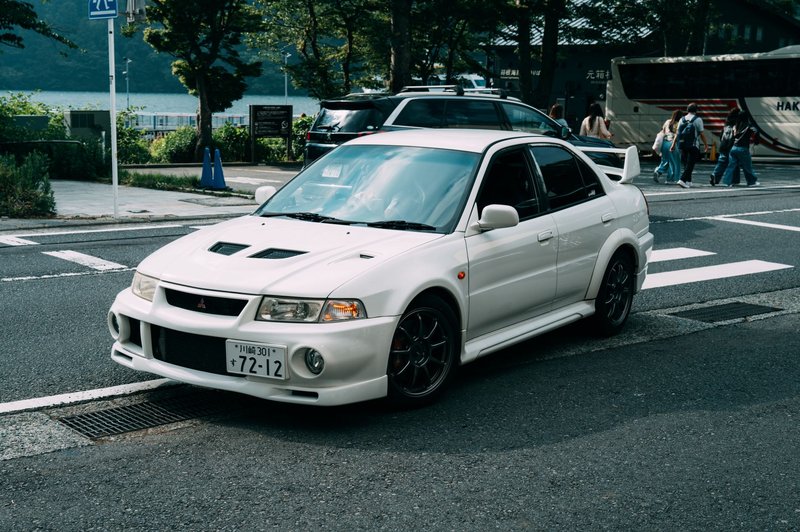
Ask someone to name a great era for Japanese performance cars and they’ll say the ’90s — Supra Turbo, R32-R34 Skyline, NSX, RX-7. The 2010s get filed under “the quiet years,” the decade Japan supposedly stepped back from building anything with real teeth.
That’s not what happened. It’s what happened to the lineup, not the cars themselves. Nissan kept building one of the most technically dense all-wheel-drive coupes on sale anywhere. Lexus built a V10 supercar almost nobody asked for and let it become one of the great engineering flexes of the decade. Honda brought the Civic Type R back to the US after a 12-year absence and immediately set a front-wheel-drive Nürburgring record. Mazda kept the Miata alive and made it better. None of that reads like retreat.
What actually changed is that these cars stopped being cheap. A used Supra Turbo in 2010 was a $15,000 project car; a 2010s GT-R was never going to be that. The upside now is that the decade has aged into its own identity — low-production specials, genuinely reliable daily drivers, and a couple of cars that have already turned into appreciating assets. Here’s what’s worth your money.
1. Nissan GT-R R35 (NISMO era) {#nissan-gt-r-r35}
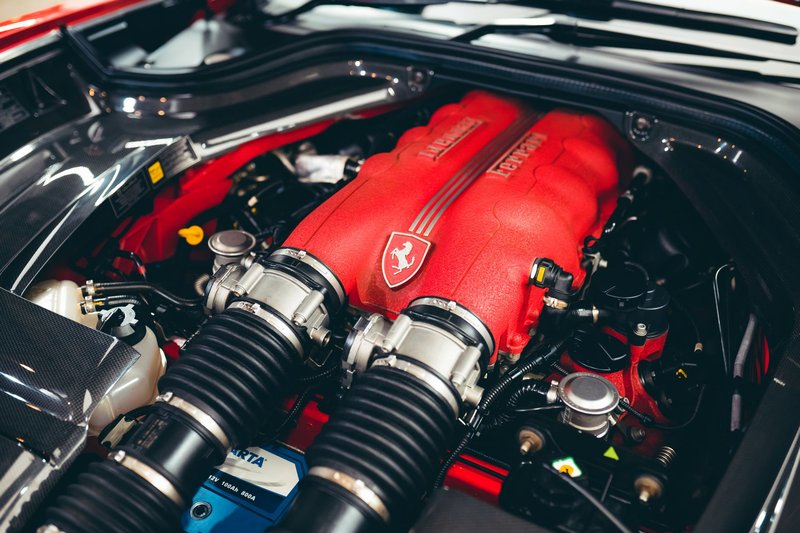
The R35 spent the 2010s getting meaner every year it stayed in production, and the NISMO trim, introduced for 2014, is where that culminated. It runs a hand-assembled 3.8-liter twin-turbo V6 — each engine built start-to-finish by a single technician, whose name goes on a plate on the block — tuned to 600 horsepower, with GT3-derived aero and a stiffened version of Nissan’s ATTESA E-TS all-wheel-drive system. NISMO models will do 0-60 in about 2.7 seconds, which was supercar territory when the car launched and still isn’t far off it now.
You don’t need the NISMO to get the point, though. Early R35s from 2010-2012 have depreciated into genuinely attainable territory — figure roughly $45,000-$60,000 for a clean, unmodified example — while still running the same 480-545 horsepower twin-turbo architecture that made the car famous. The catch is maintenance: transmission services, brake jobs, and tires are all expensive on this car, and Nissan wants you sticking to factory service intervals if you care about the drivetrain warranty history. Buy the service records, not just the car.
2. Toyota 86 / Subaru BRZ {#toyota-86-subaru-brz}
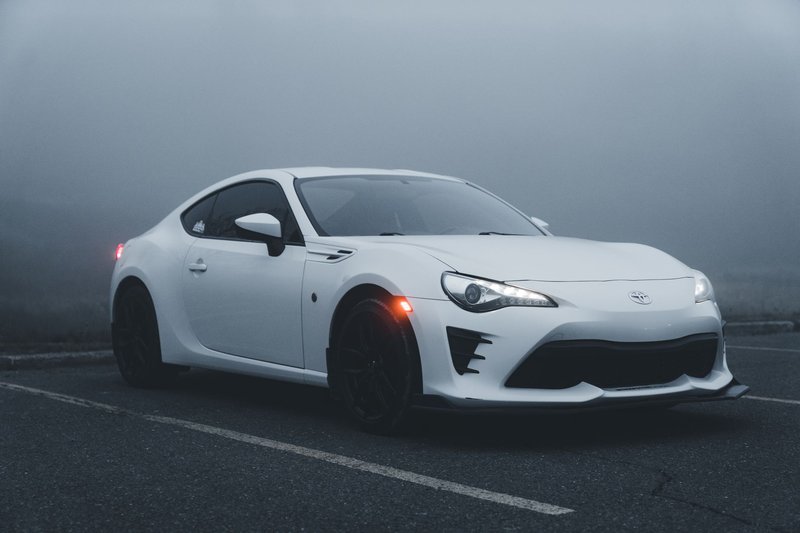
Toyota and Subaru co-developed this one, so the differences between badges are mostly suspension tuning and trim — mechanically they’re the same car, a 2.0-liter naturally aspirated flat-four making 200 horsepower, rear-wheel drive, low center of gravity thanks to the boxer engine sitting almost on the floor. Two hundred horsepower doesn’t sound like a sports car spec anymore, and that’s exactly why this car built a cult following: it’s not fast, it’s balanced, and there’s a real difference between the two.
This is the car people cross-shop against much quicker, much more expensive machinery and still walk away happy, because the chassis rewards commitment instead of horsepower. It’s also the cheapest entry on this list by a wide margin — clean examples routinely trade in the low-to-mid teens — and the aftermarket support is enormous, since the platform barely changed for nearly a decade. If you want a first “real” sports car that won’t punish you on insurance or fuel, this is the one to look at first.
3. Toyota Supra A90 {#toyota-supra-a90}
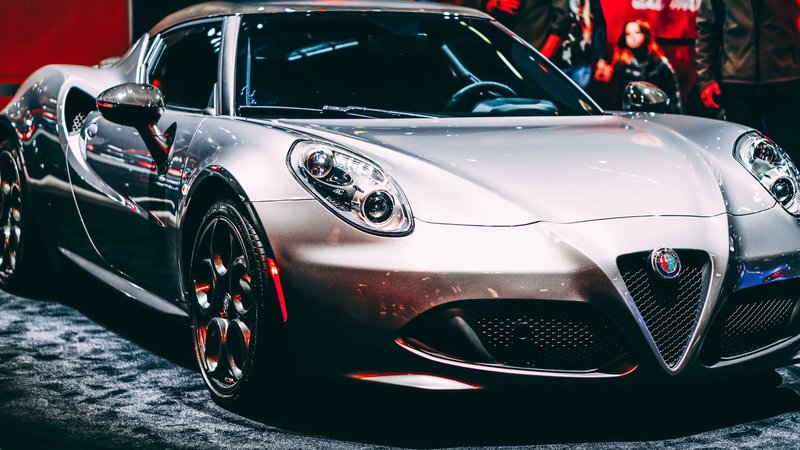
The Supra name came back in 2019 after 17 years away, and the arrangement that made it happen — a joint development deal with BMW that put a turbocharged BMW inline-six under the hood, on a platform shared with the Z4 — still gets argued about in comment sections. The 3.0-liter B58 makes 335 horsepower and 369 lb-ft, good for a 0-60 in the low-4-second range, numbers the old naturally aspirated 2JZ never touched stock.
Purists have a point about the parts-bin BMW switchgear, but the driving experience is genuinely its own thing: short wheelbase, quick steering, and a chassis that feels smaller than the numbers suggest. Used A90s from the first couple of model years have already dropped into the mid-$30,000s, which is a lot of turbocharged inline-six for the money, and Toyota’s reliability reputation (plus the BMW engine’s known quantity) makes it a far less risky used buy than most cars in this price range.
4. Lexus LFA {#lexus-lfa}
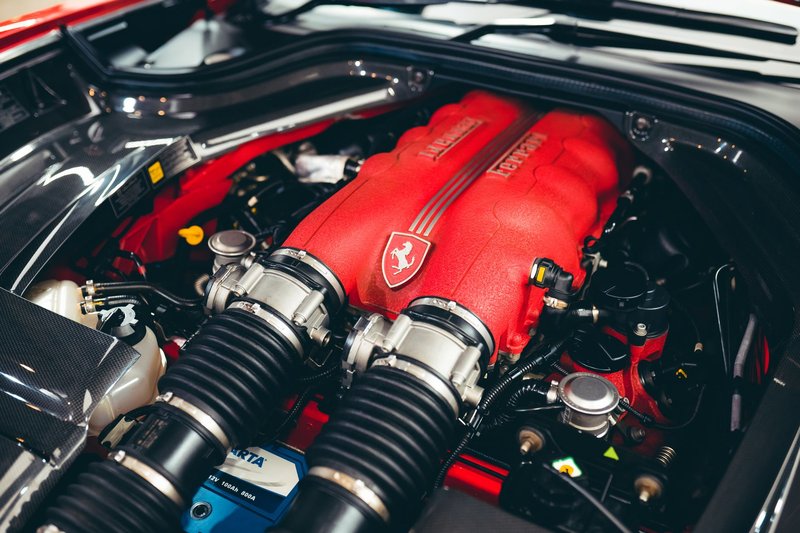
Lexus built exactly 500 LFAs between 2010 and 2012, and it’s the only car on this list that’s already a proven collectible rather than a used car with collectible potential. The 4.8-liter V10, co-developed with Yamaha, spins to a 9,000 rpm redline and makes 552 horsepower — and Yamaha’s engineers reportedly spent as much time tuning the exhaust note as the powerband, building a digital tachometer with a mechanically-driven needle because a normal digital display couldn’t keep up with how fast the engine revved.
At 3,263 pounds thanks to a carbon-fiber-reinforced-plastic chassis, it was also absurdly light for a V10 GT car. None of that came cheap: LFAs launched around $375,000, and clean examples now sell well north of that at auction — the car has appreciated rather than depreciated, which almost nothing else on this list can claim. This isn’t a buying guide entry so much as a reminder that it exists, and that Toyota’s luxury division built one of the great engineering statements of the decade almost nobody talks about.
5. Honda Civic Type R (FK8) {#honda-civic-type-r-fk8}
Honda skipped the US market on Type R hatchbacks for over a decade, then came back in 2017 with the FK8 and immediately set a front-wheel-drive Nürburgring lap record. The turbocharged 2.0-liter K20C1 makes 306 horsepower, paired exclusively with a 6-speed manual — no automatic option, ever, which tells you what Honda thought the car was for.
It’s also the rare hot hatch that doesn’t feel compromised by the FWD layout: a helical limited-slip differential and genuinely serious suspension tuning keep torque steer in check in a way older Civic Type Rs never managed. Used prices have settled into the high-$20,000s to low-$30,000s depending on mileage, which puts a car that can hang with much pricier machinery on a track day within reach of a normal car payment. Check for track use and clutch wear before buying — this is a car people genuinely drive hard.
6. Subaru WRX STI (VA) {#subaru-wrx-sti-va}
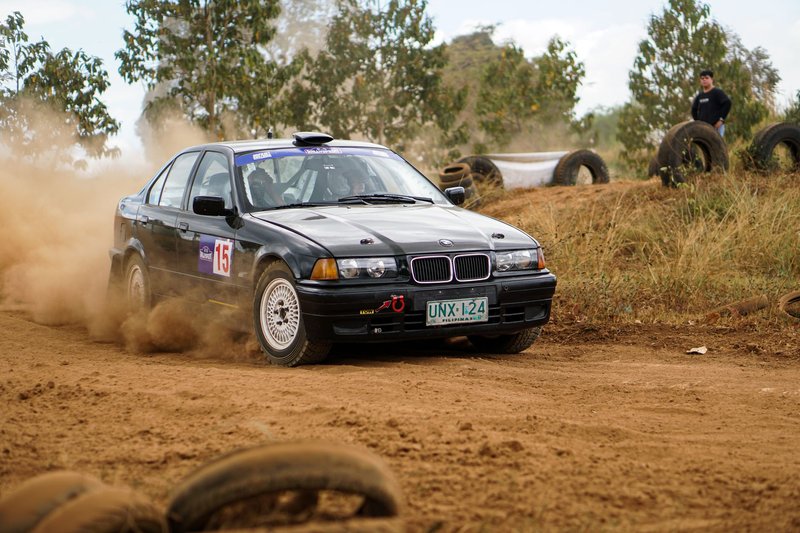
The VA-generation STI, sold from 2015 to 2021, kept Subaru’s 2.5-liter turbocharged EJ257 boxer-four alive well past the point most manufacturers would’ve moved on, paired with a 6-speed manual, a driver-adjustable center differential, and Brembo brakes as standard equipment. Factory output sits around 305-310 horsepower, which undersells how the car actually drives — the all-wheel-drive system and diff hardware are what set it apart from a basic WRX, not raw numbers.
Reliability is a real conversation with this car, and worth being honest about: stock, well-maintained EJ257s hold up fine, but the engine has a known ceiling, and cars that have been tuned or driven hard without matching upkeep are a genuine risk by 100,000 miles. A stock, documented STI is a very different used-car proposition than a modified one — treat those as two separate shopping categories, not the same car at different prices.
7. Mazda MX-5 ND {#mazda-mx-5-nd}
The fourth-generation Miata, launched for 2015, went smaller and lighter when the rest of the industry was going the opposite direction — curb weight dropped to around 2,400 pounds, and the 2.0-liter four-cylinder made a modest 155-167 horsepower depending on transmission. On paper that’s the least powerful car on this list by a wide margin. On a back road, it’s one of the most satisfying.
That’s the whole Miata argument: this car doesn’t need power to be fun, because everything else — steering weight, throttle response, how close you sit to the rear axle — is tuned around a low weight instead of a big engine. It’s also the most affordable car here to buy and to own, with clean examples available in the mid-teens and running costs closer to a Corolla than a sports car. If the rest of this list feels like it’s asking a lot of your budget, this is the one that doesn’t.
8. Honda S660 {#honda-s660}

Honda never sold the S660 outside Japan, which is exactly why it belongs on this list. It’s a kei-class roadster — a mid-engine, rear-wheel-drive convertible built to Japan’s strict kei car regulations, meaning a 660cc turbocharged three-cylinder making a regulated 63-64 horsepower and a curb weight of around 830 kg. Those numbers look like a joke until you remember the car weighs less than a motorcycle with a cage around it.
It was built from 2015 to 2022 and never crossed 25 mph in a straight line particularly fast, but mid-engine layout and go-kart weight make it one of the most purely enjoyable small cars ever built for a public road. It’s also JDM-only by design, so importing one outside Japan means the gray market — expect to pay well beyond its original Japanese sticker once shipping, compliance, and scarcity premiums are factored in.
Where the JDM Import Rules Actually Stand in 2026 {#jdm-import-rules-2026}

This is worth clearing up, because it gets muddled online: the US federal exemption lets vehicles at least 25 years old skip current safety standards, and in 2026 that window covers vehicles manufactured through 2001 — not the 2010s. A 2011 GT-R or 86 doesn’t clear that bar in the US until the mid-2030s. If you’ve seen claims that early-2010s JDM cars are newly import-legal in America this year, that’s not accurate yet.
Where it is happening right now is Canada, which uses a 15-year rule instead of 25. As of 2026, vehicles manufactured in 2011 are starting to clear that threshold, opening the door to Japan-market variants of cars on this list — JDM-spec trims, engine options, and options packages that never officially came to North America. It’s a real and current shift, just a Canadian one rather than a US one, and worth knowing if you’re shopping across the border. The NHTSA’s guidance on importing a vehicle covers the US federal exemption in detail, and Transport Canada’s page on vehicle importation covers the 15-year rule for anyone actually shopping the Canadian gray market.
Either way, the 2010s aren’t done getting interesting. The cars that were merely good a few years ago are starting to become the ones people specifically go looking for — and unlike the ’90s icons, most of them are still cheap enough to actually buy and drive.

Marco Delantero
More from Marco DelanteroHow we reviewed this article
This article was researched against manufacturer records and editorially reviewed before publishing. We accept no payment for coverage.