TL;DR
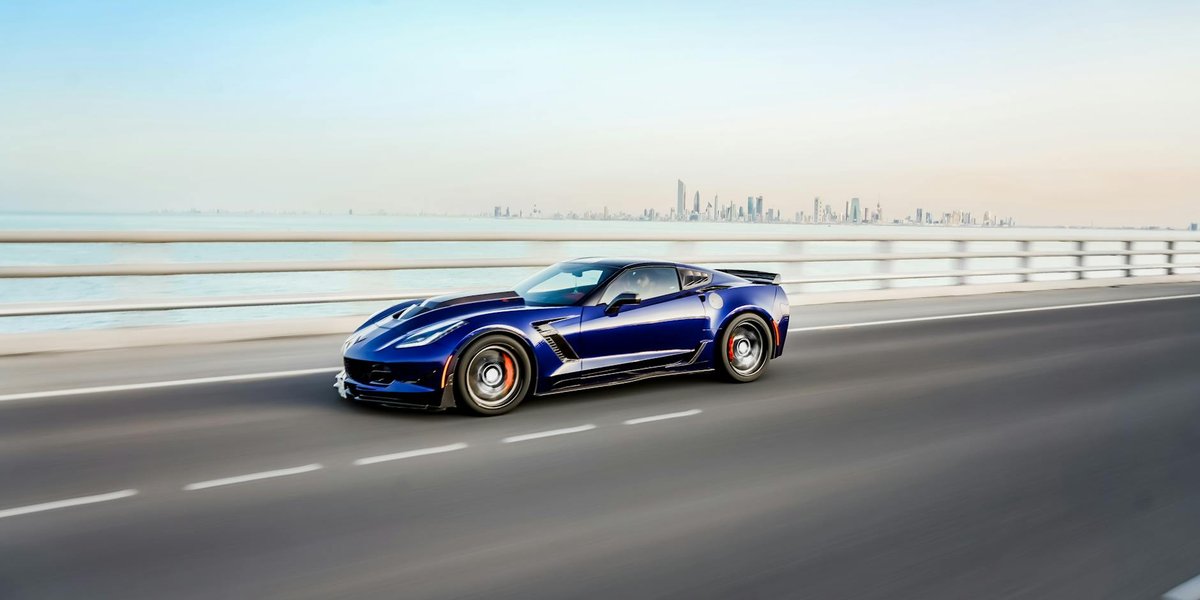
Chevrolet built 20,639 Corvettes for 1991: 14,967 coupes, 5,672 convertibles, and within that coupe count, 2,044 ZR-1s. Base cars ran the 245-horsepower L98 V8 and started at $32,455 for the coupe, $38,770 for the convertible. The ZR-1’s hand-built LT5 made 375 horsepower and is the one worth hunting for. The real unicorn is the Callaway B2K — a factory-sanctioned twin-turbo option good for 403 horsepower, and 1991 was its last year on the order sheet with just 71 built. Clean base coupes trade in the $8,000–$12,000 range today; ZR-1s and Callaways run well into five and six figures.
Table of Contents
- The 1991 Lineup at a Glance
- Base Coupe and Convertible: The L98 V8
- ZR-1: The King of the Hill
- Callaway B2K Twin Turbo: The One Most People Miss
- What Changed for 1991
- What a 1991 Corvette Is Worth Today
- Buying a 30-Plus-Year-Old C4: What to Check
- Which 1991 Corvette Should You Buy
The 1991 Lineup at a Glance
There were, functionally, four different 1991 Corvettes wearing the same body. A base coupe your neighbor could finance, a convertible for the same money plus a premium, a ZR-1 that GM built to embarrass Ferrari owners, and a twin-turbo Callaway that most Chevy dealers never even saw come through the door. All four share the C4 chassis and the facelift that arrived that year, but the gap between a base L98 coupe and a Callaway B2K is closer to two different cars than two trims of the same one.
Total production landed at 20,639 units — down from 23,646 the year before, making 1991 one of the leaner years for the fourth-generation Corvette. That scarcity matters more now than it did when these cars were new.
Base Coupe and Convertible: The L98 V8
Most 1991 Corvettes — about 18,595 of them — were base cars powered by the L98, a 350-cubic-inch tuned-port-injected V8. Standard output was 240 horsepower; coupes ordered with the optional 3.07:1 axle ratio got a less restrictive exhaust and picked up 245 horsepower instead. It’s not a number that impresses anyone raised on modern LS engines, but paired with the C4’s low curb weight, it was still enough to run the quarter-mile in the low 14s.
The coupe listed at $32,455 and the convertible at $38,770 — a meaningful gap for a soft top and a trunk lid instead of a hatch. Both came standard with a four-speed automatic; the six-speed manual with the CAGS gear-skip feature (it forced first-to-fourth shifts at light throttle to help fuel economy ratings) was optional and, for what it’s worth, the one enthusiasts actually want to find today.
ZR-1: The King of the Hill
The ZR-1 wasn’t a trim level so much as a different car wearing a Corvette badge—one of the best 1990s sports cars by a wide margin. Under the hood sat the LT5, an all-aluminum, 32-valve DOHC V8 designed with Lotus and hand-assembled by Mercury Marine — the same outfit that built high-performance boat engines, brought in because GM’s own plants couldn’t handle the tolerances the design demanded. The National Corvette Museum’s history of the LT5 covers just how unconventional that build process was for a factory GM product.
Output was 375 horsepower at 5,800 rpm and 370 lb-ft of torque, sent exclusively through a ZF six-speed manual — there was no automatic option, full stop. Chevrolet only built 2,044 ZR-1s for 1991, down about a third from 1990’s 3,032, and the model would only survive two more model years before GM killed it. Visually, spotting one is easy even at a glance: it’s three inches wider at the rear than a base car, riding on staggered 275/40 front and 315/35 rear rubber that fills out those flared quarter panels.
Callaway B2K Twin Turbo: The One Most People Miss
This is the model most casual shoppers don’t know existed, and it’s the rarest of the bunch. RPO B2K was a factory-authorized option — you ordered it through your Chevy dealer, and GM shipped the car to Callaway Cars in Old Lyme, Connecticut, for the twin-turbo conversion before it came back with a full warranty intact.
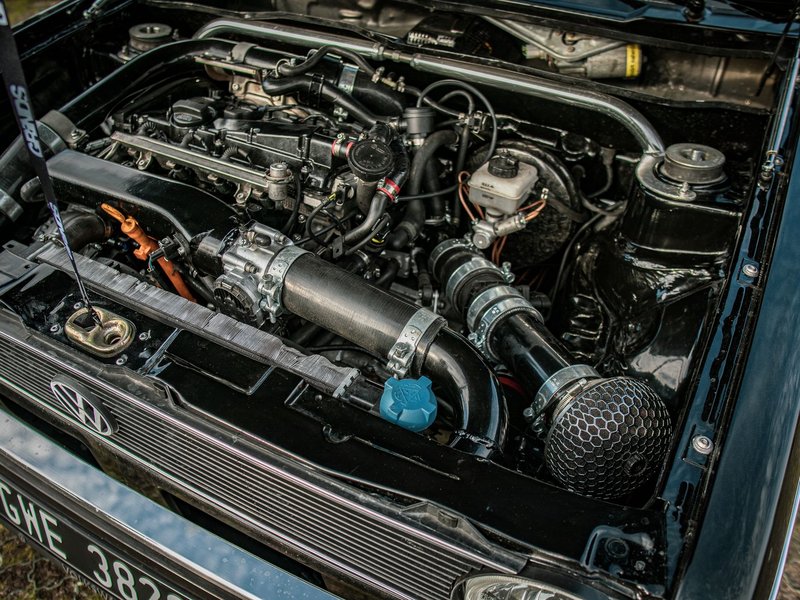
The 1991 B2K made 403 horsepower and roughly 575 lb-ft of torque from the same 350-cubic-inch block, numbers that outran the ZR-1 in a straight line despite a much lower profile in Corvette history. Callaway’s “Sledgehammer” record run a few years earlier had already proven the platform could hit 254 mph in the right configuration — the B2K was the street-legal, dealer-ordered version of that same engineering. Only 71 were built for 1991, and it was the final year GM offered the option before pulling B2K from the order sheet. If you find one with clean provenance, you’re looking at one of roughly 500 Callaway twin-turbo Corvettes built across the entire 1987–1991 run.
What Changed for 1991
Every 1991 Corvette, base or ZR-1, got a mid-cycle facelift that borrowed styling cues straight off the ZR-1’s rear end. The concave tail and round taillights that had defined the C4 since 1984—the look that 1989 Corvette models still wore—were gone, replaced by a convex fascia and rectangular lights — what enthusiasts still call the “ZR-1 look” spreading to the whole lineup a year before it needed to. Up front, the fascia got smoother, the parking and fog lights wrapped around the corners, and the body-side molding was now painted to match instead of standing out in black rubber.
Base cars also picked up a new “saw blade” wheel design — 9.5-inch cast aluminum wheels with a turbine-style spoke pattern that replaced the previous look. It’s a small detail, but it’s one of the fastest ways to eyeball a 1990 Corvette next to a 1991 without popping the hood.
What a 1991 Corvette Is Worth Today
Values split hard by trim, and that split has only widened. A base 1991 coupe in clean, unmodified condition typically lands in the $8,000–$12,000 range, with rougher project cars dipping under $6,000 and exceptional low-mile survivors pushing higher. Convertibles carry a modest premium over coupes in similar condition.
ZR-1s live in an entirely different bracket — clean, documented examples regularly sell in the $20,000–$35,000 range, with the best low-mile cars pushing past that. Callaway B2Ks are the outlier: because so few exist and documentation matters enormously for authenticity, prices vary widely by seller and condition, but expect six figures for a verified, well-preserved example. Hagerty’s price guide tracks condition-based valuations for all three if you want current numbers before making an offer.
Buying a 30-Plus-Year-Old C4: What to Check
These cars are old enough to vote, and the C4’s early-90s electronics haven’t aged as gracefully as the drivetrain has. A few places to look before you commit:

- Electronics first. The digital dash, power windows, and flip-up headlight motors are the most common failure points — not the engine. A sluggish or dead headlight motor usually means a worn plastic gear, cheap to fix but annoying if you don’t know to check it.
- Cooling system. A clogged or leaking radiator is the leading cause of head-gasket failure on these engines. Run it up to temperature during a test drive and watch the gauge, not just the idle.
- Oil cooler line. The joint between the oil cooler and its inlet pipe is a known weep point. It’s a minor leak until it isn’t.
- Steering knuckle. If the wheel jitters over bumps or pulls to one side, check the tilt-steering knuckle — years of drivers using the wheel to climb out of a low car wear it out.
- VIN and documentation, especially on a ZR-1 or Callaway. Verify the trim matches the VIN and RPO codes on the factory build sheet before you pay a premium for rarity. It’s also worth running the VIN through NHTSA’s vehicle lookup to check for open recalls, including the seatbelt retractor lockup issue that affected some 1991 cars.
None of this makes a 1991 Corvette fragile — the L98 and LT5 are both fundamentally durable engines. It just means the car’s weak points are electrical and cosmetic, not mechanical, which is good news for anyone buying one to actually drive.
Which 1991 Corvette Should You Buy
If you want a weekend cruiser and don’t need bragging rights, a base coupe with the manual transmission is the honest answer — cheapest to buy, cheapest to fix, and still quick enough to surprise people who underestimate it. If you’re chasing performance and collector upside, the ZR-1 is the sweet spot: rare enough to matter, common enough that parts and specialist knowledge still exist. The Callaway B2K is a different conversation entirely — buy one because you want the rarest street-legal Corvette GM ever sold through a dealer, not because you’re trying to make a rational purchase. All three are getting harder to find in unmolested condition every year, which is exactly why the shopping list starts with documentation, not horsepower.

Marco Delantero
More from Marco DelanteroHow we reviewed this article
This article was researched against manufacturer records and editorially reviewed before publishing. We accept no payment for coverage.