The database sites will give you a grid of cards and a number. They won’t tell you that the 1989 Corvette is the one C4 that has a legitimate “what could have been” story attached to it, or that the C/K pickup you’re looking at was a brand-new truck that year, not a carryover. So here’s the whole 1989 Chevrolet roster, model by model, with the original sticker price, the specs that matter, and a straight answer on what each one trades for now.
This was a transition year for Chevrolet. The trucks had just gone fully modern, the Camaro and Corvette were deep into their respective generations, and the front-drive economy cars were still finding their footing. Fourteen distinct nameplates, sorted into cars first, then trucks and vans.
Table of Contents
- The Cars
- Corvette
- Camaro
- Beretta and Corsica
- Cavalier
- Celebrity
- Caprice
- The Trucks and Vans
- C/K 1500, 2500, 3500
- S-10 Pickup
- S-10 Blazer and full-size Blazer
- Astro
- Sportvan / G-Series
- Quick spec table
- Which 1989 Chevy is worth buying today?
The Cars
Corvette
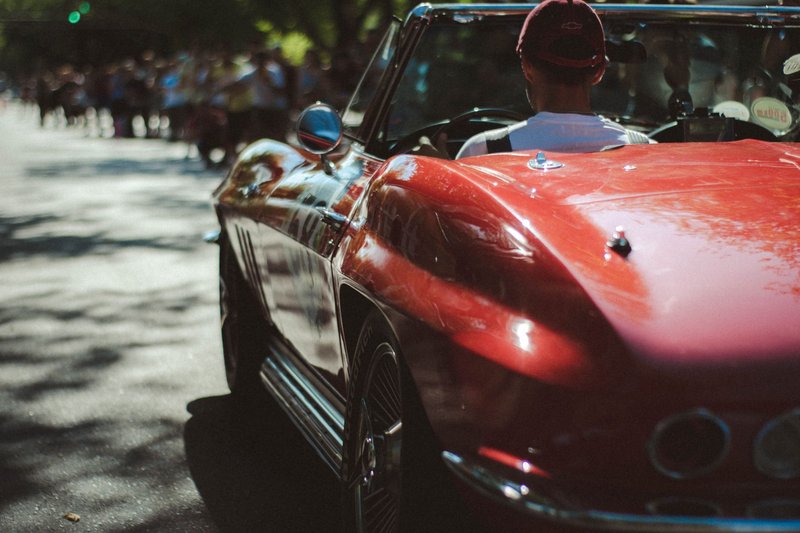
The 1989 Corvette is the C4 in its prime, and it’s also the year of the asterisk. The base coupe and convertible ran the L98 5.7-liter V8 making 245 horsepower (240 in California), backed for the first time by the new ZF six-speed manual that replaced the much-maligned 4+3 overdrive automatic-manual hybrid. Sticker was right around $32,000 for the coupe.
The asterisk is the ZR-1. Chevrolet announced the LT5 — an all-aluminum, dual-overhead-cam, 32-valve 5.7 designed with Lotus and built by Mercury Marine, good for 380 horsepower — as a 1989 model. Then they pulled it. Production slipped to 1990, so genuine 1989 ZR-1s are essentially press cars and prototypes, not retail units. If a listing claims a 1989 ZR-1, be skeptical and check the build records. As Jalopnik has covered, the tiny handful of real 1989 LT5 cars command money that has nothing to do with the regular C4 market.
What it’s worth today: A clean, sorted base 1989 coupe is one of the cheapest ways into a real Corvette — driver-quality cars often sit in the low-to-mid teens. The convertibles ask a bit more. The L98 is durable; the FX3 selectable suspension and the digital dash are the things that break.
Camaro
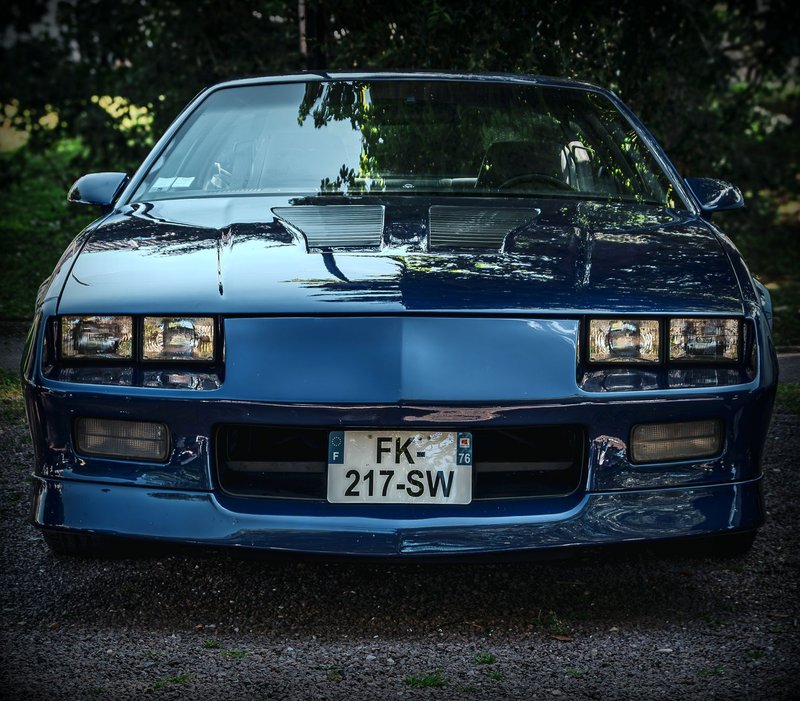
Third-gen Camaro, and 1989 is a sweet spot late in that run. The IROC-Z was still the headline trim before the name reverted to Z28 for 1990, and the engine chart is genuinely fun. The 5.0-liter TPI V8 made 220 horsepower with the five-speed manual, the 5.7-liter (350) TPI auto made 230, and the dual-exhaust 350 pushed 240 horsepower and 345 lb-ft of torque. The base 5.0 carbureted V8 sat at 170. You could get the IROC-Z as a coupe or a convertible. It’s one of the standouts in any roundup of the best 80s muscle cars worth buying today, and prices have started to reflect that.
The wrinkle: the 350 was automatic-only. If you wanted to row your own gears, you topped out at the 220-hp 305.
What it’s worth today: Rising, slowly. Clean IROC-Z 350 convertibles are the ones appreciating; base RS coupes are still affordable project territory. Rust in the T-top channels and hatch area is the killer — inspect there first.
Beretta and Corsica
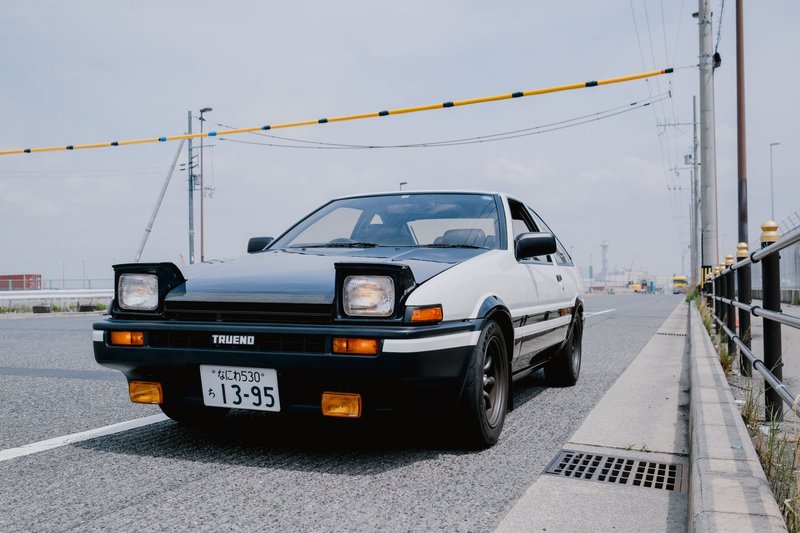
These two were Chevrolet’s then-new L-body compacts, sharing a platform but splitting body styles: the Beretta was the sporty two-door coupe, the Corsica the practical sedan and hatchback. Power came from a 2.0-liter four or the corporate 2.8-liter V6 making around 130 horsepower. The Beretta GT and the limited-run GTU dressed things up with body cladding and the V6.
These were high-volume, sensible, deeply un-collectible cars — and that’s exactly why almost none survive. They got driven into the ground.
What it’s worth today: Effectively nothing as an investment, but a tidy survivor Beretta GTU has a small cult following precisely because they’re so rare now. Buy one to enjoy, not to flip.
Cavalier
The Cavalier was Chevy’s volume leader and the entry point to the whole brand. Base price started at $7,795 and climbed past $12,000 for the loaded Z24 convertible. Coupe, sedan, wagon, and convertible body styles, with a 2.0-liter four standard and the 2.8 V6 in the Z24, which got a tuned suspension and the sportier nose.
It sold in enormous numbers and asked nothing of its owner except oil changes.
What it’s worth today: Pennies, except for a genuinely clean Z24 convertible, which the ’80s-nostalgia crowd has started to notice. A regular sedan is a curiosity, not a collectible.
Celebrity
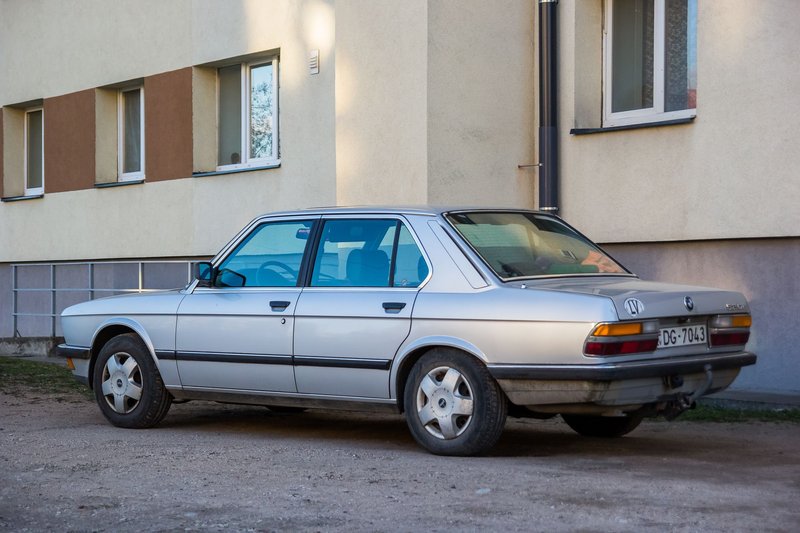
The Celebrity was the mid-size front-drive family workhorse, and 1989 was its final year as a sedan (the wagon limped on into 1990). Square, sensible, and powered by the 2.5 Iron Duke four or the 2.8 V6. The Eurosport trim added blackout exterior bits and a firmer ride for people who wanted their appliance to look slightly less like one.
It was everywhere in 1989, which makes its near-total disappearance today a little eerie.
What it’s worth today: No collector value to speak of. A clean Eurosport wagon is the only version that turns heads, and only at Radwood-style shows.
Caprice
The Caprice was the full-size, body-on-frame, rear-drive sedan and wagon — the last of the old-school big Chevys before the bubble-shaped 1991 redesign. The 5.0-liter V8 was standard, the 5.7 optional, and the Caprice Classic Brougham laid on the velour. The Estate wagon, with its woodgrain and rear-facing third-row seat, is the one people remember from childhood road trips.
This generation was a taxi-and-cop-car staple, which means the drivetrains are tough and parts are easy.
What it’s worth today: The wagons are the value play — clean Estate wagons have a real following and trade for more than you’d expect. A plain Brougham sedan stays cheap, which makes it a comfortable, cheap-to-run classic cruiser.
The Trucks and Vans
C/K 1500, 2500, 3500
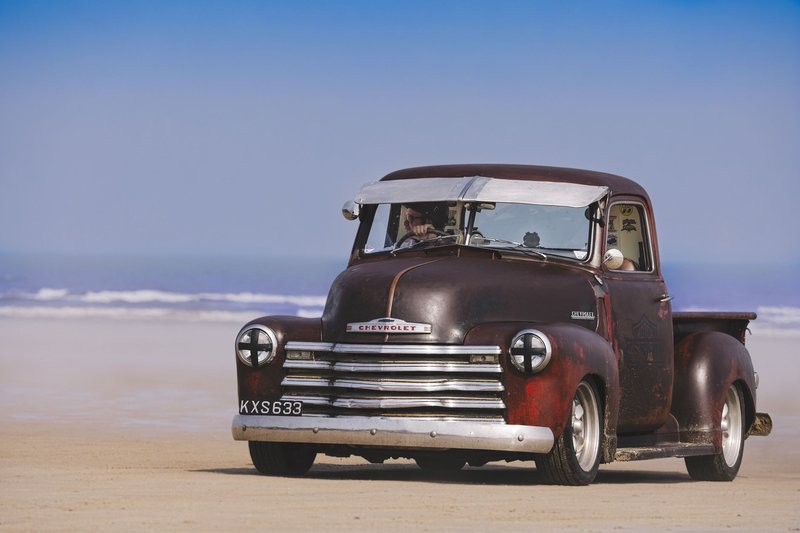
Here’s the one to pay attention to. The 1989 C/K wasn’t an old truck winding down — it was the new GMT400 platform, launched for 1988, in only its second year. Smoother, more aerodynamic, and far more comfortable than the square-body it replaced. The half-ton C1500 started around $11,130 with a 4.3-liter V6, with 5.0 and 5.7 V8s and a 6.2 diesel up the chart. Regular, extended, and crew cab; 2WD (C) or 4WD (K). The same basic truck soldiered on for years; you can trace its DNA through the later Chevrolet lineups of the 2000s before the GMT800 finally took over.
The 1989 news was the Z71 off-road package, exclusive to the K1500, bringing Bilstein shocks, skid plates, and the decals that started a badge legacy still running today.
What it’s worth today: Climbing steadily. Clean OBS (“old body style”) GMT400 trucks — especially short-bed, single-cab, V8 4x4s — have become a genuinely hot segment with the same crowd that drove up square-body prices. A rust-free 1989 Silverado is no longer cheap.
S-10 Pickup
The compact S-10 was the practical little hauler: a 2.5 four or the 4.3 V6, regular or extended cab, 2WD or 4WD. Cheap to buy, cheap to run, and the bones of countless project trucks.
What it’s worth today: Low, with one exception — clean V6 4×4 extended cabs have crept up as cheap-classic-truck demand spills downmarket from the full-size GMT400s.
S-10 Blazer and full-size Blazer
Two different trucks shared the Blazer name in 1989. The compact S-10 Blazer was the two- or four-door SUV built on the S-10 platform with the 4.3 V6 — a direct rival to the Ford Bronco II. The full-size V10/V20 Blazer was the old-school, removable-hardtop two-door body-on-frame brute on the truck chassis, in its final years before the 1992 Tahoe-era redesign.
What it’s worth today: The full-size two-door Blazer is the collectible one and prices reflect it. The S-10 Blazer remains an affordable, usable classic-ish SUV.
Astro
The Astro was Chevy’s rear- and all-wheel-drive mid-size van — the rare minivan that could actually tow, thanks to its truck-based layout and the 4.3 V6. Passenger and cargo versions. It was the anti-Caravan: heavier, thirstier, and far more capable.
What it’s worth today: Mostly used up, but the AWD versions and clean conversion vans have a quiet following among the van-life and overlanding crowd.
Sportvan / G-Series
The full-size G-van — Chevy Van for cargo, Sportvan for passengers — was the workhorse of the lineup. Long-running, simple, and the platform behind every airport shuttle and church van of the era. V6, V8, and diesel power, in regular and extended lengths.
What it’s worth today: Negligible as a collectible, but a clean, low-mile passenger Sportvan is sought after by the same camper-conversion crowd chasing vintage Econolines.
Quick spec table
| Model | Body styles | Standard engine | Top engine | Approx. 1989 MSRP |
|---|---|---|---|---|
| Corvette | Coupe, convertible | 5.7L V8 (245 hp) | LT5 5.7L DOHC (380 hp)* | ~$32,000 |
| Camaro IROC-Z | Coupe, convertible | 5.0L V8 (170 hp) | 5.7L TPI V8 (240 hp) | ~$15,000 |
| Beretta | Coupe | 2.0L I4 | 2.8L V6 (~130 hp) | ~$10,000 |
| Corsica | Sedan, hatchback | 2.0L I4 | 2.8L V6 (~130 hp) | ~$9,000 |
| Cavalier | Coupe, sedan, wagon, conv. | 2.0L I4 | 2.8L V6 (Z24) | $7,795+ |
| Celebrity | Sedan, wagon | 2.5L I4 | 2.8L V6 | ~$10,500 |
| Caprice | Sedan, wagon | 5.0L V8 | 5.7L V8 | ~$14,000 |
| C/K 1500 | Reg/ext/crew cab | 4.3L V6 (160 hp) | 5.7L V8 / 6.2 diesel | ~$11,130 |
| S-10 | Reg/ext cab | 2.5L I4 | 4.3L V6 | ~$8,000 |
| S-10 Blazer | 2-dr, 4-dr | 4.3L V6 | 4.3L V6 | ~$13,000 |
| Full-size Blazer | 2-dr | 5.7L V8 | 6.2 diesel | ~$15,000 |
| Astro | Van | 4.3L V6 | 4.3L V6 | ~$11,000 |
| Sportvan / G | Van | 4.3L V6 | 5.7L V8 / diesel | ~$12,000 |
*The 380-hp LT5 ZR-1 was announced for 1989 but didn’t reach retail production until 1990. Figures above are approximate base MSRPs; options moved them substantially.
Which 1989 Chevy is worth buying today?
If you want something that’s appreciating, the answer has shifted hard toward the trucks. The GMT400 C/K pickup — a fresh, modern design in 1989 — is the smart buy, with clean V8 4x4s leading the climb. The full-size two-door Blazer rides the same wave. Among the cars, the IROC-Z 350 convertible and the base C4 Corvette are the enthusiast picks, the Corvette being the cheapest genuine path into the breed.
If you just want a cheap, characterful daily-driver classic, the Caprice Estate wagon and a tidy Cavalier Z24 convertible deliver the most ’80s for the least money. And the rest of the front-drive economy cars — Beretta, Corsica, Celebrity — are survivors-only territory: buy a clean one because you love it, not because it’ll pay you back. The 1989 lineup was Chevrolet covering every base, and four decades later, the trucks are the ones that grew up to be worth something.

Marco Delantero
More from Marco DelanteroHow we reviewed this article
This article was researched against manufacturer records and editorially reviewed before publishing. We accept no payment for coverage.