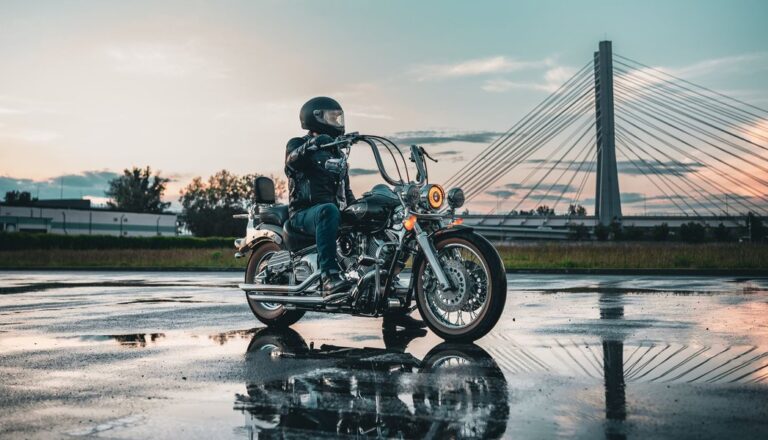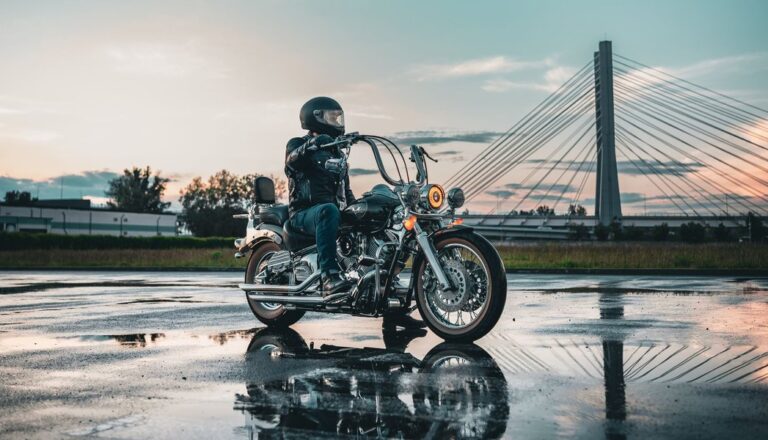
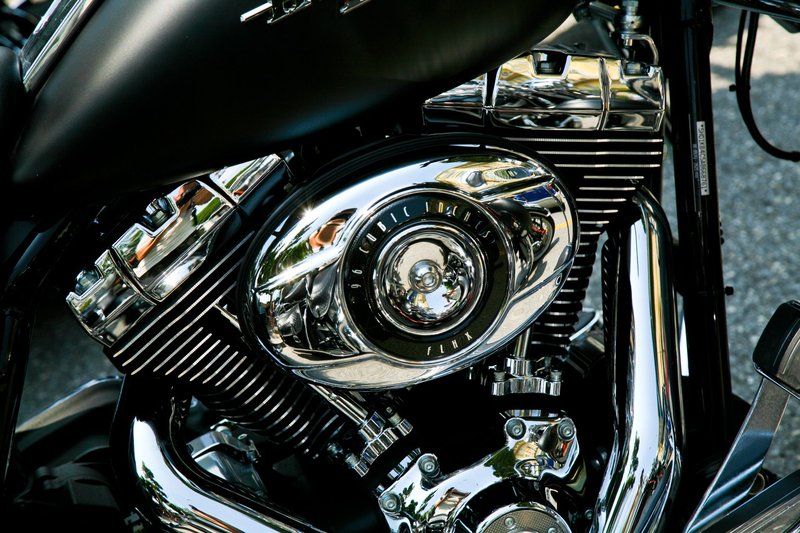
By 1987, Harley-Davidson had something it hadn’t had in over a decade: a lineup nobody needed to apologize for. The company had bought itself back from AMF in 1981, survived on tariff protection and sheer stubbornness through the mid-80s, and by ’87 the Evolution engine — introduced on the Big Twins in 1984 and on the Sportster the year before — had spread across every model in the catalog. This was the first full model year where every single Harley on the floor ran an Evo. That matters more than it sounds like it should: it’s the engine that stopped Harleys from leaking on your garage floor and started the reputation rebuild that’s still paying off today.
If you’re trying to identify a bike, decode a VIN, or figure out what a ’87 Harley in your garage or a seller’s listing is actually worth, here’s the full lineup, family by family, plus how to read the numbers stamped on the frame.
Table of Contents
- Sportster Family
- Softail Family
- FXR and Low Rider Family
- Touring Family
- How to Decode a 1987 VIN
- What These Bikes Are Worth Today
- The Short Version
Sportster Family
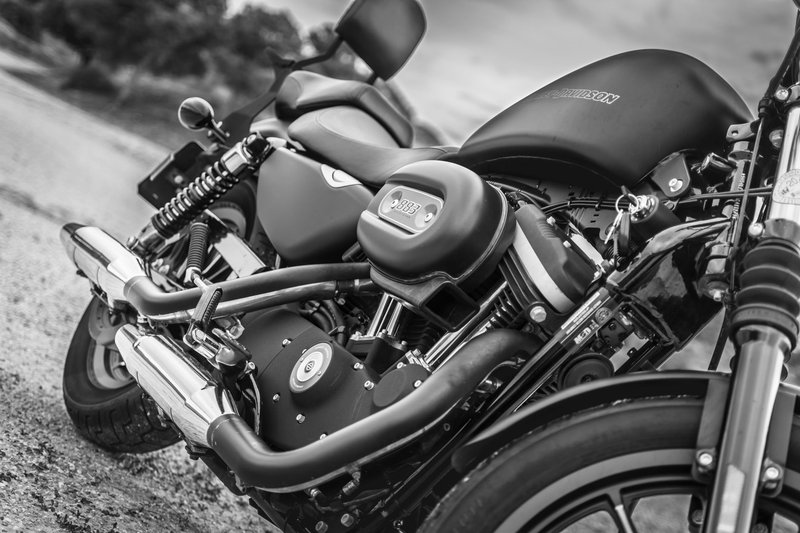
1987 was the Sportster’s 30th anniversary — the model line traces back to the XL in 1957 — and Harley marked it with a dedicated trim rather than just a badge. The Sportster range that year:
- XLH 883 — the base Sportster. Evolution 883cc V-twin, roughly 46 horsepower at the crank, hard-mounted engine, and the same compact chassis that had carried the Ironhead-era Sportsters. This was the bike credited with getting new riders onto Harleys at a price that undercut the Big Twins by thousands.
- XLH 883 Deluxe — the 883 with better trim: two-tone paint options, a passenger seat as standard, and chrome pieces the base bike left painted.
- XLH 883 Hugger — a low-seat-height variant aimed at shorter riders, with a smaller front wheel and reduced suspension travel to bring the saddle closer to the ground.
- XLH 1100 — the bigger-bore Sportster, same Evolution architecture stretched to 1100cc for more midrange torque. This was the performance option in the family before the 1200 arrived in 1988.
- XLH 1100 Anniversary — the 30th-anniversary edition of the 1100, with commemorative badging and unique graphics marking three decades of the Sportster nameplate.
The Sportster’s sales pitch never changed much across these trims: real Harley DNA, narrower and lighter than a Big Twin, and a price a working rider could actually justify.
Softail Family
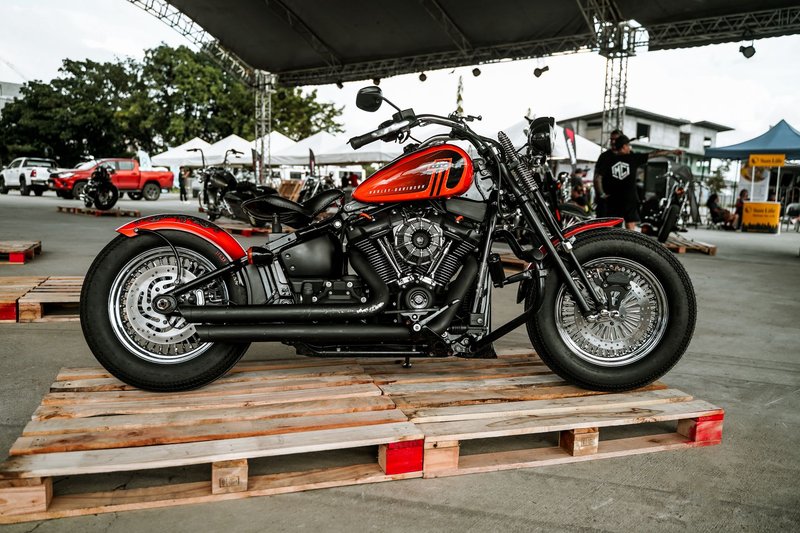
The Softail’s whole trick is a hidden rear shock tucked under the transmission, so from three feet away it reads like a rigid-frame bike from the 1940s while you’re actually sitting on a suspended rear end. By 1987 the line had matured past its 1984 debut into three distinct personalities:
- FXST Softail — the standard model, spoked wheels, minimal chrome, closest to the original hardtail silhouette the whole platform was built to fake.
- FXSTC Softail Custom — dressed up with more chrome, different bars, and a more aggressive stance aimed at buyers who wanted factory custom looks without building one themselves.
- FLST Heritage Softail — the retro-touring take, introduced the year before and carried into ’87, with a windshield, leather saddlebags, and studded seat styling meant to evoke a 1950s Hydra-Glide.
All three shared the Evolution Big Twin, now rubber-mounted in some of Harley’s newer frames to cut down the vibration that had defined — and occasionally punished — Harley owners for decades.
FXR and Low Rider Family
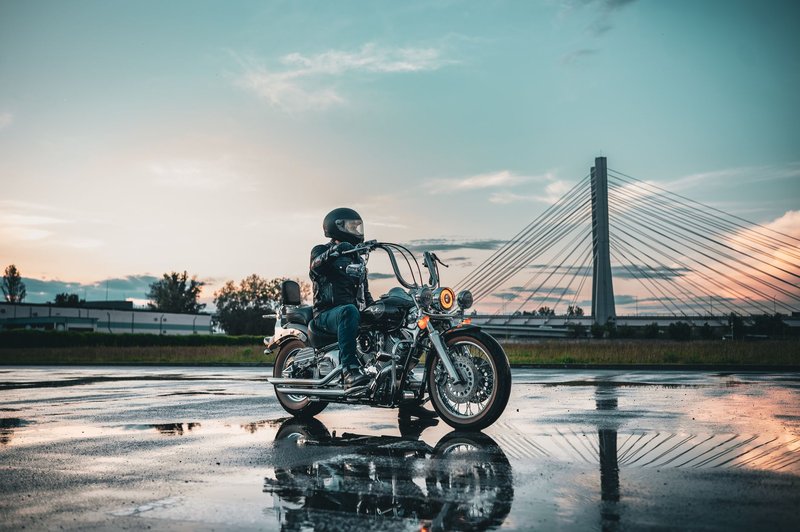
The FXR platform was Harley’s answer to complaints that its Big Twins shook themselves apart on the highway. A rubber-isolated, full-cradle frame decoupled the engine from the chassis, and by ’87 it had spawned the widest spread of variants in the catalog:
- FXR Super Glide — the base FXR, the direct descendant of the original 1971 Super Glide concept that started the whole factory-custom idea.
- FXRS Low Rider — lower seat height, forward controls, and the cruiser stance that made “Low Rider” a Harley household name.
- FXRS-SP Low Rider Sport — a firmer-suspension, more performance-leaning version of the Low Rider, aimed at riders who actually wanted to lean the thing into a corner.
- FXRC — a limited convertible-style Low Rider variant with removable windshield and saddlebags, letting one bike switch between stripped cruiser and light tourer.
- FXLR Low Rider Custom — new for 1987, blending Low Rider ergonomics with Softail-style styling cues: a 21-inch front wheel, solid disc rear wheel option, and a smaller sport headlight. Harley’s own dyno figures put it around 50 horsepower and roughly 68 lb-ft of torque at the rear wheel.
- FXRT Sport Glide — the sport-touring FXR, with a frame-mounted fairing and hard saddlebags, built for riders who wanted touring range without stepping up to a full dresser.
- FXRP — the FXR-based police package, stripped for duty use rather than comfort.
If you’re cross-shopping a Softail against an FXR Low Rider, the difference isn’t cosmetic. The FXR’s rubber-mounted frame rides noticeably smoother at highway speed; the Softail trades some of that comfort for a look that fakes a rigid frame most riders find better-looking at a standstill.
Touring Family
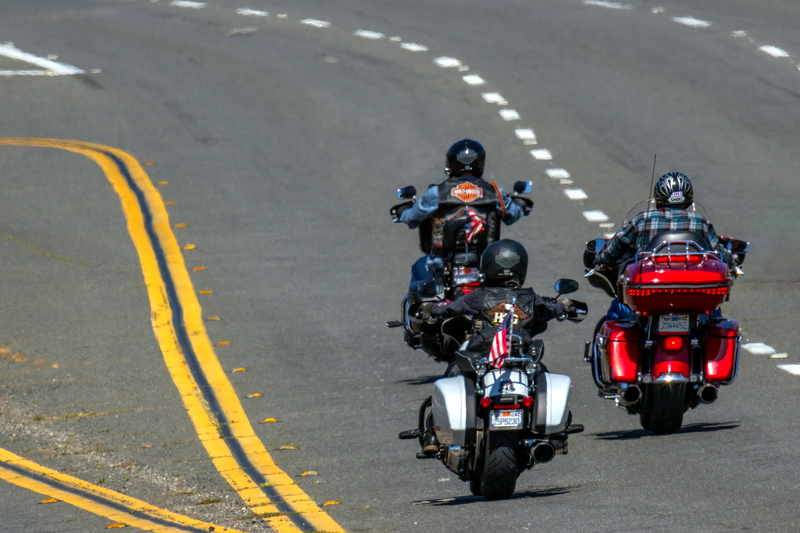
The dressers rounded out the lineup for riders logging real miles:
- FLHT Electra Glide — the standard batwing-fairing tourer, base trim.
- FLHTC Electra Glide Classic — the loaded version, with color-matched hard bags, a passenger backrest, and more standard chrome.
- FLHS Electra Glide Sport — a stripped-down, lighter-fairing take on the Electra Glide aimed at riders who wanted touring capability without the full dresser bulk.
- FLTC Tour Glide Classic — Harley’s frame-mounted-fairing tourer, the Electra Glide’s sibling with a different front-end setup that steered noticeably differently at low speed.
- FLHTP Electra Glide Police — the law-enforcement package, with an oil cooler, heavy-duty charging system, and factory wiring for sirens and light bars.
All the touring models carried the 1340cc (1100cc-badge-generation successor, commonly called “the 1340”) Evolution Big Twin, a five-speed transmission, and belt final drive — a durability upgrade over the chain drives that had worn out faster on earlier Harleys.
How to Decode a 1987 VIN
Every 1987 Harley carries a 17-character VIN under the steering head, following the standardized format the industry adopted in the early 1980s. Broken down:
- Characters 1–3: World Manufacturer Identifier. Harley-Davidson’s is
1HD. - Character 4: weight class —
1for a heavyweight Big Twin,4for a lightweight (Sportster-class),8for a sidecar-equipped unit. - Characters 5–6: model code, specific to each trim (an FXLR carries a different code than an FLHTC, for instance).
- Character 8: engine size code.
- Character 10: model year. This follows the same national standard used across the entire US auto and motorcycle industry, where each letter or digit maps to a specific year in sequence — for 1987, that character is
H. - Characters 12–17: the sequential production number, unique to that individual motorcycle.
That year-code system isn’t a Harley-specific quirk. It’s mandated under the federal vehicle identification standard the National Highway Traffic Safety Administration oversees for all manufacturers, which is why the same letter shows up in the tenth position of a 1987 car, truck, or motorcycle regardless of who built it.
If you’re trying to confirm a bike’s identity against its paperwork, the frame VIN and the engine case number should both check out — Harley stamped production dates and sequence numbers into the engine cases independently of the frame VIN, and a mismatch between the two is one of the first things a knowledgeable buyer checks before handing over money.
What These Bikes Are Worth Today
Values swing hard on originality and condition, but the shape of the market is consistent across trims. Base Sportsters — the 883 and 883 Deluxe — are the entry point of the whole 1987 lineup, and clean, mostly-original examples tend to trade in the low-to-mid four figures, with rougher project bikes going for less and pristine, low-mileage survivors pushing higher. FXR-family bikes, especially the FXRS-SP and FXRT, carry a premium among riders who know the rubber-mounted frame rides better than later Dyna models that replaced it, so well-kept examples often land in the mid four figures to low five figures. Softails and Heritage models track similarly, with the Heritage Softail commanding a bit more for its more distinctive styling. Touring bikes are the wild card: an unmolested FLHTC Classic with service records can outprice a Softail, while a neglected Tour Glide with deferred maintenance sells for scrap-adjacent money.
Two things move the number more than anything else: matching-numbers originality (frame VIN and engine case dates agreeing, factory paint intact) and documented maintenance on the belt, charging system, and top end. A well-sorted 1987 Harley with a paper trail is a different animal from the same model with an unknown history, even at identical mileage. For a specific bike, cross-reference recent sold listings rather than asking prices — asking prices on 30-plus-year-old motorcycles run high and stay unsold for months.
The turnaround that made these bikes worth collecting in the first place is well documented in business-school case studies of the era — Northwestern’s Kellogg School has one of the more detailed breakdowns of how a company nearly liquidated by 1985 was building bikes worth restoring by decade’s end.
The Short Version
1987 sits at a specific hinge point in Harley history: every model finally shared the Evolution engine, the FXR platform was at its most varied, and the Softail had matured past its debut into three real trims. Whether you’re identifying a bike from a title, decoding a VIN before you buy, or figuring out what a barn-find Low Rider is actually worth, the model code on the frame tells you almost everything — engine family, weight class, and trim, all in six characters before you even open the tank.

Sarah Thornton
More from Sarah ThorntonHow we reviewed this article
This article was researched against manufacturer records and editorially reviewed before publishing. We accept no payment for coverage.