TLDR
Ukraine has no mass-market passenger car brand today. It does have a real heritage: ZAZ (the Zaporozhets, Tavria and Slavuta), LuAZ (the amphibious 967 and the 969 “Volynianka”), Bogdan (cars and buses, bankrupt in 2020), KrAZ (heavy trucks) and Etalon/ChAZ (buses). Most passenger-car production has stopped, and the surviving industry now leans on trucks, buses and military vehicles. A small group of startups is trying to bring back the LuAZ name with cheap electric minicars.
Table of Contents
- Quick Comparison: Ukrainian Car Brands at a Glance
- ZAZ: The Zaporozhets and Everything After
- LuAZ: The Amphibious Oddball
- Bogdan: The Licensed-Assembly Giant
- KrAZ: Heavy Trucks
- Etalon and ChAZ: Buses
- Timeline: From Soviet Plants to 2022
- True Ukrainian Designs vs. Foreign Assembly
- The Revival: Electric Minicars and Military Vehicles
- Is Geely Ukrainian? Is Lada?
- FAQ
Quick Comparison: Ukrainian Car Brands at a Glance
Ukrainian car brands are mostly a story of five factories. Here’s the short version before the details.
| Brand | City | Founded | Vehicle type | Status |
|---|---|---|---|---|
| ZAZ | Zaporizhzhia | 1923 (cars from 1960) | Passenger cars, minivans | Passenger production wound down in the late 2010s |
| LuAZ | Lutsk | 1955 | Light 4x4s, amphibious vehicles | Defunct as a mainstream marque |
| Bogdan | Cherkasy / Lutsk | Around 2000 | Cars (licensed), buses, trucks | Bankrupt, 2020 |
| KrAZ | Kremenchuk | 1945 | Heavy trucks, military vehicles | Active |
| Etalon / ChAZ | Chernihiv | Early 1990s | Buses | Active, scaled back |
ZAZ: The Zaporozhets and Everything After
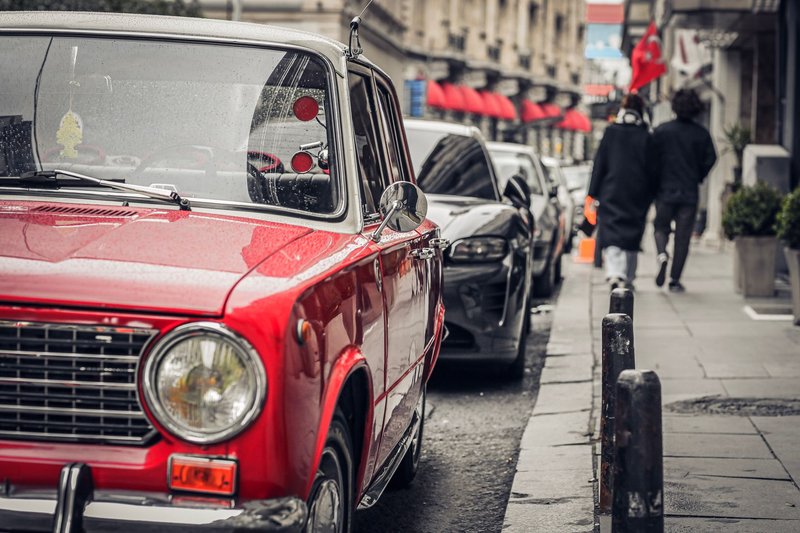
ZAZ is the name most people mean when they ask about Ukrainian cars. The Zaporizhzhia Automobile Building Plant sits in Zaporizhzhia, an industrial city on the Dnieper, and it grew out of a farm-machinery factory founded in the 1920s.
The Zaporozhets (1960). The ZAZ-965 was a tiny rear-engined microcar with an air-cooled V4 of about 746 cc and roughly 23 horsepower. It was the Soviet Union’s answer to the question “what can a family afford?” The cheap, rattly, repairable little car put a generation of Soviet drivers on the road, and its later ZAZ-968 version, with side air intakes that earned the nickname “eared,” stayed in production into the 1990s.
Tavria (1987 onward). The ZAZ-1102 Tavria was the plant’s break from the rear-engine formula: a front-wheel-drive hatchback with a 1.1-liter engine. It sold well in Ukraine through the 1990s and into the 2000s.
Slavuta. The Slavuta, a ZAZ-1103 with a notchback-style body, arrived in the late 1990s as a Tavria derivative. It never got a second life outside Ukraine and neighboring markets.
The Daewoo era. In the late 1990s ZAZ partnered with South Korea’s Daewoo and began building the Lanos, sold in Ukraine as the ZAZ Lanos and later as the Sens. That’s the car most Ukrainians under 40 remember as “the ZAZ.” Production of the Lanos line continued until about 2017, alongside assembly of other foreign models. After that, passenger production faded and the plant’s role shrank.
LuAZ: The Amphibious Oddball
LuAZ comes from Lutsk, in western Ukraine’s Volyn region. It started as a repair plant in 1955, and its best-known work was the strangest.
The LuAZ-967, introduced in 1961, was an amphibious military transporter. It borrowed the air-cooled V4 from the Zaporozhets, had very high ground clearance, and could cross water without preparation. Soviet forces used it for hauling people and supplies over terrain where wheeled trucks would sink.
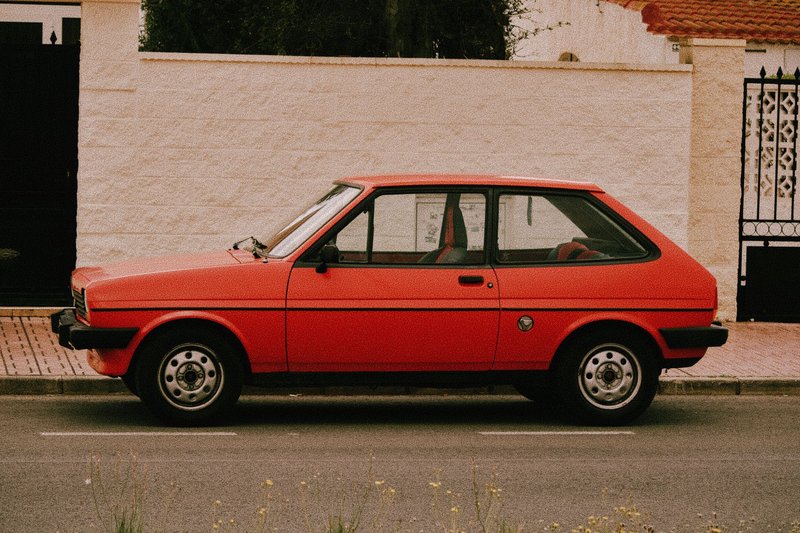
The civilian-friendly LuAZ-969, nicknamed the “Volynianka” after the region, followed in 1971. It was a small, boxy, high-riding 4×4 with a ZAZ-derived engine, and it ended up on farms across the Soviet Union because it could climb out of mud that stopped a Lada Niva. It is the car collectors mean when they say “a LuAZ.”
The plant stumbled after the Soviet collapse and was absorbed into Bogdan. The LuAZ name faded from showrooms, but not from memory, which is why startups are still using it.
Bogdan: The Licensed-Assembly Giant
Bogdan was the closest Ukraine came to a modern, privately owned car group. It was assembled around 2000 by businessman Petro Poroshenko, who later became president of Ukraine, and it took over the Lutsk and Cherkasy plants.
Bogdan’s cars were not Ukrainian designs. It assembled the Lada 2110 as the Bogdan 2110, and licensed Hyundai models such as the Accent and Elantra, plus buses and light trucks based on foreign platforms. It was a real manufacturer with real jobs, but the engineering came from elsewhere.
The model worked while Ukraine had import tariffs and a growing middle class. It stopped working after the 2008 financial crisis, and again after 2014, when sales collapsed and Russian-linked supply chains were cut. Bogdan Motors went bankrupt in 2020.
KrAZ: Heavy Trucks
KrAZ makes trucks, not cars, but it belongs on any list of Ukrainian automotive brands. The Kremenchuk Automobile Plant dates to 1945 and became famous for big, heavy-duty trucks like the KrAZ-214 and KrAZ-255, which hauled timber, ore and military cargo across the USSR and to export markets in Africa, Asia and the Middle East.
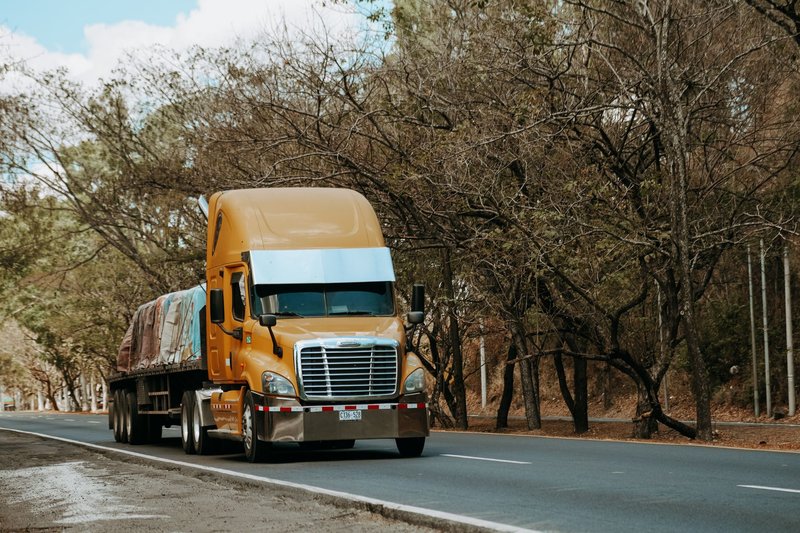
KrAZ is also the one major brand still operating under direct pressure. WardsAuto reported that the Kremenchuk plant was hit during the war, that Bogdan and KrAZ shifted toward military supply, and that domestic vehicle output stayed under 10,000 units.
Etalon and ChAZ: Buses
Etalon is the bus brand from the Chernihiv Automobile Plant (ChAZ). Its buses, often built on foreign chassis and running gear, show up in city fleets across Ukraine, which makes it Ukraine’s most visible everyday vehicle brand even though it’s rarely discussed alongside cars.
Timeline: From Soviet Plants to 2022
- 1923: The Komunar factory in Zaporizhzhia begins, making agricultural machinery.
- 1945: The Kremenchuk plant that becomes KrAZ is established.
- 1955: The Lutsk repair plant, the future LuAZ, opens.
- 1960: The ZAZ-965 Zaporozhets begins production.
- 1961: The amphibious LuAZ-967 enters military service.
- 1971: The LuAZ-969 “Volynianka” arrives.
- 1987-1991: The Tavria appears; Ukraine becomes independent.
- Late 1990s: ZAZ partners with Daewoo and starts building the Lanos.
- Around 2000: Bogdan is assembled and takes over the Lutsk and Cherkasy plants.
- 2008: The financial crisis cuts Ukrainian car sales sharply.
- 2014: Market turmoil and supply-chain breaks hit domestic assembly.
- 2017: Lanos-line production ends at ZAZ.
- 2020: Bogdan Motors goes bankrupt.
- 2022: The war forces KrAZ, Bogdan and others toward military supply.
True Ukrainian Designs vs. Foreign Assembly
Ukrainian car brands split into two groups, and mixing them up is the most common error on ranking lists.
Designed and engineered in Ukraine (or the Soviet Ukrainian SSR):
- ZAZ-965 Zaporozhets (loosely inspired by the Fiat 600 layout, but its engine and body were engineered locally)
- ZAZ Tavria and Slavuta
- LuAZ-967 and LuAZ-969
- KrAZ heavy trucks
Foreign cars assembled in Ukraine:
- ZAZ Lanos / Sens (Daewoo, South Korea)
- Bogdan 2110 (Lada, Russia)
- Bogdan Hyundai-based models (South Korea)
- Škoda, Kia, Opel and Chevrolet models that went through Ukrainian assembly lines under license
A car assembled in Ukraine is not a Ukrainian car. The Lanos is a Daewoo. Treat it as a Ukrainian-built Korean car.
The Revival: Electric Minicars and Military Vehicles
The modern story is happening away from mass-market showrooms.
Luaz Motors is reviving the LuAZ name with small electric minicars priced at about $5,000, positioned as cheap urban or rural runabouts. Synchronous EV is another Ukrainian electric-vehicle effort. Neither is producing at the scale of the old ZAZ or Bogdan plants, so judge them as early-stage ventures rather than established brands.
The sturdier side is military and specialist vehicles. Sherp builds amphibious all-terrain machines on huge low-pressure tires, while the Kozak and Dozor-B are armored vehicles built for Ukrainian forces. War has changed what Ukraine’s industry makes: fewer cars, more armored and utility vehicles.
Is Geely Ukrainian? Is Lada?
No to both, and both questions come up constantly.
- Geely is Chinese, founded in 1986 in Zhejiang province and now the owner of Volvo Cars. Some low-quality listicles call it Ukrainian. They are wrong.
- Lada is Russian, built by AvtoVAZ in Tolyatti. Ukraine assembled Lada models under the Bogdan name, but Lada is not a Ukrainian brand.
- Daewoo is South Korean, even though the Lanos was a ZAZ staple.
Geely’s cars do sell in Ukraine, where Chinese brands have been gaining share, and that’s probably the source of the confusion.
FAQ
Does Ukraine have its own car brand today? Not a mass-market passenger car brand. It has truck and bus makers (KrAZ, Etalon), military vehicle builders, and electric-car startups such as Luaz Motors.
What was the most famous Ukrainian car? The ZAZ-965 Zaporozhets, followed by the Tavria. Outside Ukraine, the amphibious LuAZ-967 gets a lot of attention from collectors.
Is ZAZ still in business? The Zaporizhzhia plant exists, but its passenger-car production wound down in the late 2010s after the Lanos line ended.
What happened to Bogdan Motors? It went bankrupt in 2020 after years of falling sales and loss of its licensing and supply-chain advantages.
Which car brands sell best in Ukraine? Imports. Toyota led new-car sales in 2024, with Chinese brands rising fast. None of them are Ukrainian.
Is KrAZ a car brand? No. It makes heavy trucks and military vehicles, but it’s Ukraine’s best-known automotive export name.

Marco Delantero
More from Marco DelanteroHow we reviewed this article
This article was researched against manufacturer records and editorially reviewed before publishing. We accept no payment for coverage. Some guides contain affiliate links; see our affiliate disclosure.