P0172 means the engine computer sees a rich mixture on Bank 1: too much fuel or too little air, beyond what it can trim away. A clogged air filter, a faulty MAF sensor or a leaking injector are the usual causes. You can drive short distances, but fix it soon to protect the catalytic converter.
| Code | P0172 |
|---|---|
| Meaning | System Too Rich (Bank 1) |
| Severity | Fix promptly |
| Can I keep driving? | Short trips are usually fine, but fix it soon. A rich engine wastes fuel and can foul spark plugs and damage the catalytic converter. |
| Most common cause | Dirty air filter or blocked intake |
| Difficulty | Moderate DIY |
What does P0172 mean?
The front oxygen sensor on Bank 1 reports how much oxygen is left in the exhaust. Very little oxygen means the engine burned more fuel than the air could support. The computer responds by pulling fuel through short term and long term fuel trim, which show as negative percentages on a scanner. When the total correction reaches the maker’s limit and the mixture is still rich, it sets P0172. The threshold varies by make and often sits somewhere around negative 25 percent.
Bank 1 is the side of the engine with cylinder 1. The matching code for the other side of a V engine is P0175. The opposite problem, a lean mixture, is P0171.
P0172 symptoms
- A strong smell of raw fuel from the exhaust or the engine bay
- Black smoke from the tailpipe
- Poor fuel economy
- Rough idle or sluggish acceleration
- Hard starting when the engine is hot
- A check engine light, sometimes with a misfire code such as P0300
What causes P0172?
- Clogged air filter or blocked intake: the engine gets less air than the fuel calculation expects. It is the cheapest cause and a common one.
- Faulty MAF sensor: a dirty or failing sensor that over-reads airflow makes the computer add too much fuel. See P0101.
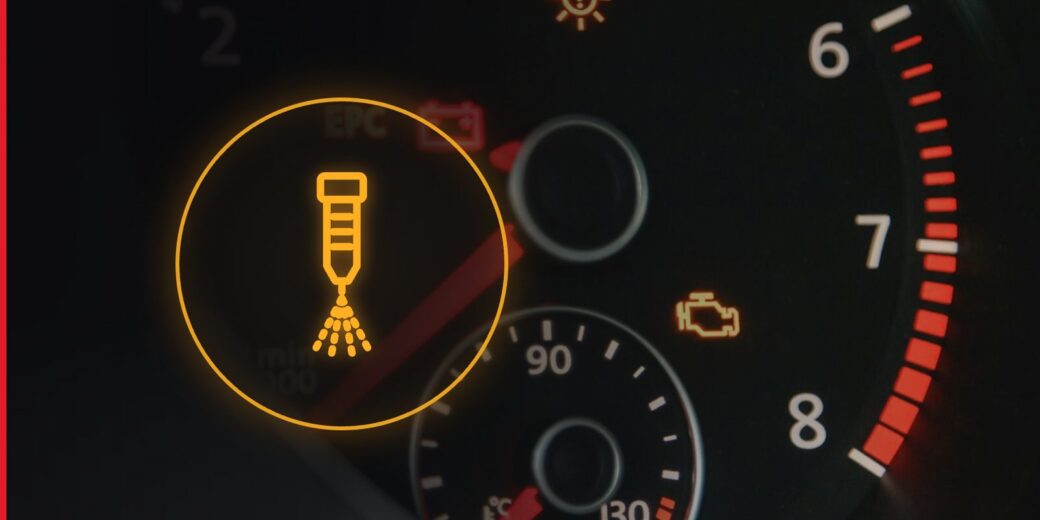
- Leaking fuel injector: it drips fuel into the cylinder after it should close. Hot starts get long and the oil can smell of fuel.
- High fuel pressure: a bad pressure regulator pushes more fuel through every injector.
- Purge valve stuck open: fuel vapor from the charcoal canister flows into the intake when it should not, which is the clue if the car is hard to start right after refueling.
- Faulty oxygen or coolant temperature sensor: rare. A coolant sensor that reads cold keeps the engine in cold-start enrichment.
How to fix P0172
- Check the air filter and intake path: replace a dirty or oily filter and look for collapsed or restricted intake hoses.
- Clean the MAF sensor: use MAF cleaner only, never brake or carburetor cleaner, and do not touch the element.
- Read the fuel trims: use a scanner with live data and follow the steps in how to use an OBD2 scanner. Trims that are negative at idle and in the cruise range point to fuel excess or a metering error. A rich condition that appears only at idle suggests a purge valve or an injector leak.
- Check the purge valve: a good valve is spring-closed when unpowered. Unplug it, remove it and apply vacuum to the port with a hand pump. If it does not hold vacuum, it is stuck open, so replace it.
- Check fuel pressure: pressure above the specification points to the regulator or a clogged return line. On engines with a vacuum-referenced regulator, fuel inside the vacuum hose confirms a failed diaphragm.
- Look for injector leaks: raw fuel smell on the dipstick or a rising oil level means fuel is reaching the crankcase. Change the oil if so.
Can you drive with a P0172 code?
Yes for short trips, with a repair soon. A rich engine wastes fuel, fouls spark plugs and can overheat the catalytic converter when unburned fuel burns in it. Do not drive far if the light flashes, if black smoke is heavy or if you smell strong fuel, since a leaking injector can dilute the engine oil.
Related codes
- P0171: System Too Lean (Bank 1)
- P0174: System Too Lean (Bank 2)
- P0175: System Too Rich (Bank 2)
- P0101: Mass or Volume Air Flow Sensor A Circuit Range/Performance
- P0300: Random/Multiple Cylinder Misfire Detected
FAQ
Can a dirty air filter cause P0172?
Yes. A badly clogged filter restricts airflow, so the mixture runs richer than the computer expects. It is the first thing to check because the part is cheap and the job takes minutes.
Can a bad spark plug cause P0172?
Not by itself. Worn plugs misfire, which leaves unburned oxygen and tends to read lean rather than rich. Fouled plugs are more often a result of a rich condition than its cause, so find the fuel excess first.
Will P0172 clear itself?
Only if the cause was temporary, such as a clogged filter you replaced. The light can go out after several clean drive cycles. If the fault remains, the code returns within a few days of driving.
Is P0172 expensive to fix?
It ranges widely. An air filter or a MAF cleaning costs little, a purge valve costs a moderate amount and replacing injectors or a regulator costs more. Start with the cheap checks and let the fuel trim data decide the next step.
Got more than one code? Enter them all in the OBD2 code lookup to see each meaning, severity and first check side by side. If you still need a reader, start with the best OBD2 scanners for beginners, then follow how to use an OBD2 scanner to pull freeze frame data before you clear anything.
Sources & References
- SAE J2012, diagnostic trouble code definitions: https://www.sae.org/standards/content/j2012_201612/
- California Air Resources Board, on-board diagnostics: https://ww2.arb.ca.gov/our-work/programs/obd-board-diagnostic-program
- EPA, vehicle emissions inspection and maintenance: https://www.epa.gov/state-and-local-transportation/vehicle-emissions-inspection-and-maintenance-im

James Kowalski
More from James KowalskiHow we reviewed this article
This article was researched against manufacturer records and editorially reviewed before publishing. We accept no payment for coverage. Some guides contain affiliate links; see our affiliate disclosure.