TLDR
1998 was the final model year of the air-cooled Porsche 911 — the 993 — before the 996 switched to water cooling in 1999. The lineup spanned the Carrera, Carrera 4, Carrera S, Carrera 4S, Cabriolet, Targa, Turbo, and Turbo S, plus the brand-new Boxster in its second year on sale. If you’re buying today, a manual Carrera coupe is the sweet spot for usable classic ownership, the Turbo is the one that’s still appreciating fastest, and the Boxster remains the cheapest real way into air-cooled-era Porsche ownership (even though its engine is water-cooled). Check the case for cracking, the rear main seal for weeping, and the service history for anything, before you sign.
Table of Contents
- Why 1998 Matters
- The Full 1998 Porsche Lineup
- 911 Carrera and Carrera 4
- 911 Carrera S and Carrera 4S
- 911 Cabriolet and Targa
- 911 Turbo and Turbo S
- Boxster
- Buying Guide: What to Check on a 993
- What These Cars Are Worth in 2026
Why 1998 Matters
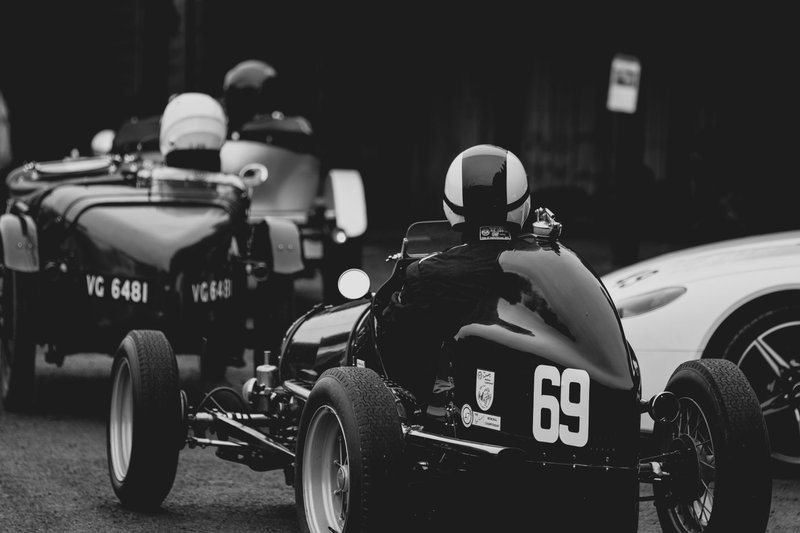
Every Porsche 911 built between 1963 and 1998 used an air-cooled flat-six. In 1999, that ended. The 996 arrived with water jackets, a redesigned chassis, and headlights that a lot of longtime owners still won’t forgive. Which makes 1998 the last chance to buy a brand-new 911 that traced its engine architecture straight back to the original.
That single fact drives almost every conversation about these cars now. Not “which 1998 Porsche is fastest” — the Turbo S settles that in under five seconds — but “which 1998 Porsche is the last of something.” Buyers treat the 993 less like a used sports car and more like the closing chapter of a 35-year story, and the pricing reflects it.
The Boxster complicates the narrative a little. It launched for the 1997 model year as Porsche’s answer to a cash-flow crisis, and by 1998 it was already outselling the 911 in the U.S. It’s water-cooled, mid-engined, and shares nothing structurally with the 993. But it’s still a 1998 Porsche, and it’s the reason the company had the money to keep building 911s at all.
The Full 1998 Porsche Lineup
Porsche USA offered nine distinct 1998 models across two model lines. Here’s the full roster before we get into specifics.
| Model | Body Style | Drivetrain | Engine |
|---|---|---|---|
| 911 Carrera | Coupe | RWD | 3.6L flat-six, 282 hp |
| 911 Carrera 4 | Coupe | AWD | 3.6L flat-six, 282 hp |
| 911 Carrera S | Coupe (Turbo-look widebody) | RWD | 3.6L flat-six, 282 hp |
| 911 Carrera 4S | Coupe (Turbo-look widebody) | AWD | 3.6L flat-six, 282 hp |
| 911 Cabriolet | Convertible | RWD or AWD | 3.6L flat-six, 282 hp |
| 911 Targa | Glass-roof coupe | RWD | 3.6L flat-six, 282 hp |
| 911 Turbo | Coupe | AWD | 3.6L twin-turbo flat-six, 400 hp |
| 911 Turbo S | Coupe | AWD | 3.6L twin-turbo flat-six, 424 hp |
| Boxster | Roadster | RWD | 2.5L flat-six, 201 hp |
Nine cars, one basic architecture split into two very different personalities. The GT2, Porsche’s homologation special for GT racing, technically existed in this era too, but it was a 1996-98 build with such limited numbers in the U.S. that most buyer’s guides treat it separately from the mainstream lineup.
911 Carrera and Carrera 4
The standard Carrera is the one most people picture when they say “993.” By 1998, the 3.6-liter flat-six was making 282 horsepower, up from the 272 hp the engine put out when the 993 launched in 1995 — Porsche revised the intake and exhaust to squeeze out the extra power partway through the run.
The Carrera 4 is the same car with Porsche’s viscous-coupling all-wheel-drive system bolted in, adding weight and a slightly different driving character in exchange for confidence in bad weather. Purists tend to prefer the RWD Carrera for feel; owners in snow states tend to prefer the 4.
| Spec | 911 Carrera | 911 Carrera 4 |
|---|---|---|
| Engine | 3.6L flat-six | 3.6L flat-six |
| Power | 282 hp | 282 hp |
| 0-60 mph | ~5.2 sec | ~5.3 sec |
| Top speed | ~168 mph | ~165 mph |
| MSRP new (1998) | ~$65,000 | ~$69,000 |
911 Carrera S and Carrera 4S
This is the pair most people misunderstand. The Carrera S and Carrera 4S aren’t more powerful than the standard car — they’re the same 282-hp naturally aspirated engine wearing the wide-body Turbo shell, without the turbochargers underneath. Porsche did it because the Turbo’s flared hips and staggered wheel widths had become the look enthusiasts wanted, even on cars they couldn’t afford turbocharged.
The Carrera 4S pairs that widebody with all-wheel drive, which makes it arguably the most complete daily-driver 993: the visual drama of the Turbo, the manageable power of the Carrera, and grip in the wet that the RWD cars simply don’t have.
| Spec | 911 Carrera S | 911 Carrera 4S |
|---|---|---|
| Engine | 3.6L flat-six | 3.6L flat-six |
| Power | 282 hp | 282 hp |
| 0-60 mph | ~5.3 sec | ~5.3 sec |
| Body | Turbo-look widebody, RWD | Turbo-look widebody, AWD |
| MSRP new (1998) | ~$72,000 | ~$75,000 |
911 Cabriolet and Targa
The open-top 993s split into two philosophies. The Cabriolet is a conventional soft-top convertible, available with either Carrera or Carrera 4 running gear, and it’s the most straightforward way to get air-cooled flat-six sound with the roof down.
The Targa took a different approach entirely for 1996-98: instead of the removable roof panel older 911s used, this Targa got a full sliding glass roof that retracted under the rear window at the touch of a button — genuinely novel engineering for the era, and still one of the more distinctive party tricks in the lineup.
| Spec | 911 Cabriolet | 911 Targa |
|---|---|---|
| Engine | 3.6L flat-six | 3.6L flat-six |
| Power | 282 hp | 282 hp |
| Roof | Soft-top convertible | Sliding glass roof |
| Drivetrain | RWD or AWD | RWD |
| MSRP new (1998) | ~$74,000 | ~$70,000 |
911 Turbo and Turbo S
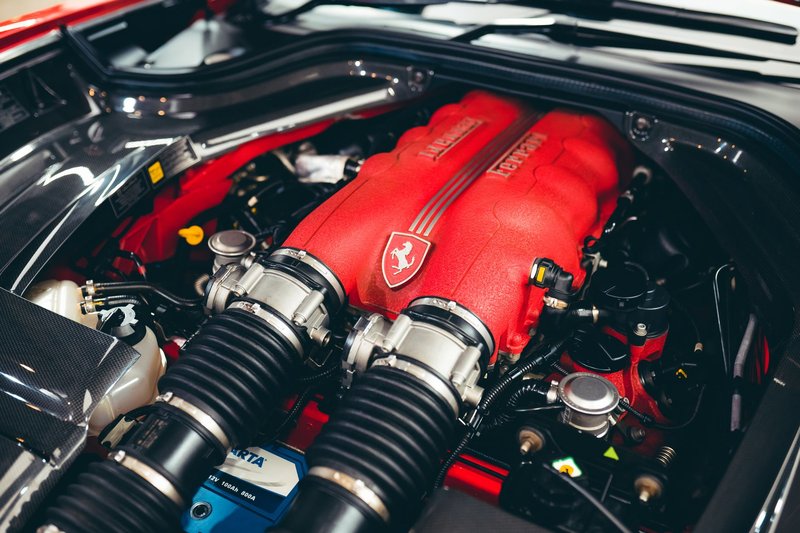
The Turbo is where the 993 stops being a nice classic and starts being a genuine event. Porsche gave it twin turbochargers — the first time a 911 Turbo had used two instead of one — standard all-wheel drive, and 400 horsepower, enough to hit 60 mph in the mid-four-second range with a top speed north of 180 mph. It also introduced hollow-spoke aluminum wheels that were, at the time, some of the lightest wheels ever fitted to a production car.
The Turbo S pushed further still: 424 hp, a stripped-down interior on some builds, and a production run so limited that fewer than 350 were built worldwide across the model years. It’s the 993 that collectors chase hardest, and pricing reflects a car that was already special the day it left the factory.
| Spec | 911 Turbo | 911 Turbo S |
|---|---|---|
| Engine | 3.6L twin-turbo flat-six | 3.6L twin-turbo flat-six |
| Power | 400 hp | 424 hp |
| 0-60 mph | ~4.5 sec | ~4.2 sec |
| Top speed | ~180 mph | ~183 mph |
| Drivetrain | AWD | AWD |
| MSRP new (1998) | ~$100,000 | ~$150,000+ |
Boxster
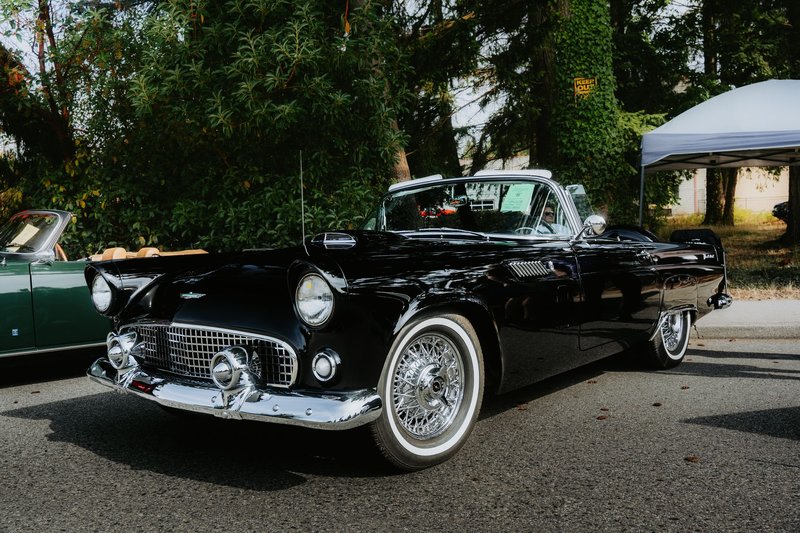
The Boxster doesn’t get invited to most 993 conversations, which is a little unfair given it’s the reason Porsche survived to keep building 911s. For 1998, the mid-engined roadster ran a 2.5-liter flat-six making 201 hp — modest next to the 911s above it, but paired with a mid-engine layout that gave it a balance the 911 couldn’t match at any price.
It’s water-cooled, which disqualifies it from the “last air-cooled” conversation entirely, but it’s the most attainable 1998 Porsche by a wide margin, both then and now.
| Spec | Boxster |
|---|---|
| Engine | 2.5L flat-six |
| Power | 201 hp |
| 0-60 mph | ~6.7 sec |
| Drivetrain | RWD, mid-engine |
| MSRP new (1998) | ~$40,000 |
Buying Guide: What to Check on a 993
Twenty-eight years on, buying any 1998 Porsche means buying a car that’s outlived multiple owners, several timing belt or clutch services, and probably at least one bad repair. Here’s what actually matters on inspection.
Engine case cracking. Some early-to-mid 993 blocks used a “biral” case design — aluminum with cast-iron cylinder liners — that in rare instances developed cracks around the liners. It’s not universal, and later production largely resolved it, but a pre-purchase inspection from a shop that knows air-cooled 911s specifically is worth the few hundred dollars it costs.
Rear main seal weeping. Every air-cooled 911 leaks a little oil somewhere eventually, and the rear main seal is the usual suspect on a 993. A small weep isn’t a dealbreaker; a puddle under the car after it’s been sitting overnight is a negotiating point.
Tiptronic vs. manual. The 993 was available with Porsche’s Tiptronic automatic, and while it’s reliable, it saps performance and collector interest. Manual cars command a real premium and hold value better — factor that into what you’re comparing prices against.
Service history, full stop. These are 28-year-old cars with turbochargers, all-wheel-drive systems, and complex convertible roof mechanisms depending on trim. A thin folder of receipts should worry you more than a slightly higher mileage number with documentation behind it. It’s also worth running the VIN through a recall lookup before you buy — even a 1998 car can carry an open recall that never got addressed.
Rust in the usual places. Less of an issue than on earlier 911s thanks to galvanized bodies, but check the rear wheel arches and the leading edge of the targa roof track anyway.
What These Cars Are Worth in 2026
Run the original Carrera’s roughly $65,000 sticker price through an inflation calculator and you land somewhere around $130,000 in today’s dollars — which tells you something interesting: clean manual Carrera coupes are trading well below their inflation-adjusted new price, typically in the $70,000-$95,000 range depending on mileage and originality. That makes the Carrera one of the rare classic Porsches where you’re arguably buying below what the car “should” cost.
The Turbo tells a different story. These have climbed hard over the past decade, with clean examples now regularly changing hands well into six figures, and Turbo S cars command a real premium over that given how few were built. The Targa and Cabriolet sit in between — desirable for their mechanisms and top-down driving, but generally priced below the Carrera coupe for the same running gear, since coupe purists still dominate the buyer pool.
The Boxster remains the outlier worth knowing about: clean 1998 examples can still be found for a fraction of any 911 on this list, and while it won’t scratch the “air-cooled” itch, it’s the same era, the same engineering team, and a genuinely good driver’s car that current prices don’t fully credit yet.
One more practical note if you’re cross-shopping a period-correct car: fuel economy on any of these was never the point, but if you want the EPA’s original ratings for context against what you’re used to driving now, they’re a useful gut check before a long-distance test drive.

Daniela Voss
More from Daniela VossHow we reviewed this article
This article was researched against manufacturer records and editorially reviewed before publishing. We accept no payment for coverage.