Five years out, the 2021 lineup sits in an odd spot. It’s too recent to be a bargain and too old to be current — which is exactly why it’s worth understanding before you shop. This was the last full model year before the Macan’s engine shuffle, the year the Taycan grew a cheaper entry point, and the year the Cayenne GTS came back with a V8 instead of a turbocharged six. None of that shows up on a “for sale” listing. It shows up when you’re comparing two cars with the same badge and wildly different specs.
Here’s every 2021 Porsche — 911, 718 Boxster/Cayman, Macan, Cayenne, Panamera, Taycan — broken down by what actually changed, what it’s worth now, and where the reliability soft spots are.
Table of Contents
- The Short Version
- What Changed for 2021
- 2021 Porsche Lineup at a Glance
- 911 (992)
- 718 Boxster and Cayman
- Macan
- Cayenne, Including GTS and Coupe
- Panamera
- Taycan
- Recalls and What to Check Before You Buy
The Short Version
If you only read one section, read this one.
- Best all-around value: the 911 Carrera S. It barely depreciates, the 3.0-liter twin-turbo flat-six is proven, and a 3.5-second 0-60 run doesn’t need an asterisk.
- Best sleeper pick: the 718 Cayman GTS 4.0. Naturally aspirated flat-six, available manual, and it’s the last 718 generation before Porsche leaned harder into turbo fours for the base cars.
- Skip unless you need the badge: the 2021 Macan GTS. Porsche upgraded the GTS to the Turbo’s 434-hp engine for 2022, which makes the otherwise-identical 2021 GTS (375 hp) a car you’re paying GTS money for without the GTS engine.
- Buy carefully, not at all costs: the Taycan. It’s the quickest-depreciating car in this lineup, and 2021-2024 models are under an active high-voltage battery recall.
- Most underrated: the Cayenne GTS Coupe. It got its V8 back for 2021 after a turbo-six interim, and 453 hp in a mid-size SUV that still fits in a garage is hard to argue with.
What Changed for 2021
A few shifts define this specific model year, and they matter more than they’d matter in a typical year-to-year comparison:
- Taycan got cheaper. Porsche added a rear-wheel-drive base Taycan for 2021, its first entry point below the 4S. It also bumped EPA range across the board — the Taycan 4S went from 203 miles in 2020 to 227 miles in 2021 through battery and software refinements, not a bigger pack.
- Cayenne GTS came back with a V8. The outgoing GTS had used a turbocharged V6. For 2021, GTS and GTS Coupe switched to the 4.0-liter twin-turbo V8 shared with other high-performance Cayennes — a genuine step up, not a trim shuffle.
- 718 GTS models got a PDK option. For the first time, the 718 Cayman GTS 4.0, Boxster GTS 4.0, GT4, and Spyder could be ordered with the 7-speed dual-clutch instead of the standard six-speed manual.
- The Macan GTS was about to get better. This is the one to know before you buy: Porsche announced the 2022 Macan GTS would inherit the Turbo’s 434-hp engine, while the 2022 S would inherit the old GTS’s 375-hp unit. If you’re cross-shopping a 2021 GTS against a 2022, you’re not comparing the same GTS.
2021 Porsche Lineup at a Glance
| Model | Starting MSRP (2021) | Engine | Power | 0-60 mph | Best Trim for the Money |
|---|---|---|---|---|---|
| 911 (992) | $100,550 | 3.0L twin-turbo flat-6 | 379–443 hp | 2.7–4.0 sec | Carrera S |
| 718 Boxster/Cayman | ~$61,000 (base) | 2.0L/4.0L flat-4 or flat-6 | 300–394 hp | 4.0–4.3 sec | Cayman GTS 4.0 |
| Macan | ~$53,900 (base) | 2.0L turbo-4 / 2.9L twin-turbo V6 | 248–434 hp | 4.3–6.3 sec | Macan S |
| Cayenne (incl. GTS/Coupe) | ~$68,500 (base) | 3.0L V6 to 4.0L twin-turbo V8 | 335–453 hp | 4.5–7.1 sec | GTS Coupe |
| Panamera | ~$87,200 | Turbocharged V6/V8, some hybrid | 325–690 hp | 3.0–5.5 sec | 4S |
| Taycan | ~$81,250 | Dual electric motors, 79.2/93.4 kWh | 375–750 hp | 2.6–5.1 sec | 4S |
Prices reflect original MSRP, not current used-market pricing — that varies too much by mileage and region to put in a table with a straight face.
911 (992)
The 992-generation 911 launched for 2020 and carried into 2021 largely unchanged, which is good news for a used buyer: you’re not paying a “first year” tax, and the platform had already worked out its early kinks.
Eight trims: Carrera, Carrera S, Targa, Carrera GTS, Targa S, Targa GTS, Turbo, and Turbo S, with Carrera and Turbo available as convertibles and the Targa line offering the roll-hoop roofless setup instead. Every 2021 911 runs a version of the 3.0-liter twin-turbo flat-six, with output climbing by trim — the Carrera S makes 73 hp more than the base Carrera, and the Turbo’s 2.7-second 0-60 run puts it in company usually reserved for cars with more cylinders.
Original pricing ran from $100,550 for a base Carrera to $204,850 for a Turbo S, both including destination.
Resale: this is the one Porsche in the lineup that barely acts like a used car. A 2021 911 that started around $108,000 new is still trading in the low six figures, and industry data puts the 911’s five-year value retention at roughly 92% — against a 24% average loss for the luxury sports car segment. If you’re buying one, you’re not getting a discount so much as a slightly-used option list.
Reliability: Consumer Reports flags fuel propulsion system complaints concentrated in the 2021 and 2022 model years, plus electrical faults averaging around $1,072 a year in repairs. There’s also a recall on the center-lock wheel bolt, which can fracture and let a wheel detach — confirm it’s been addressed before you sign anything.
Best trim for the money: the Carrera S. It’s the sweet spot where the extra power actually changes how the car feels, without the GTS or Turbo premium.
718 Boxster and Cayman
The 718 twins got a mid-cycle refresh for 2021 that’s easy to miss on a spec sheet but noticeable in daily use: two-zone automatic climate control, heated front seats, and rain-sensing auto-dimming mirrors became standard across the base, T, S, and GTS 4.0 variants. Apple CarPlay and bi-xenon PDLS headlights went standard too.
The GTS 4.0 is the trim worth knowing. Cayman GTS 4.0 started at $86,800, Boxster GTS 4.0 at $88,900, both before the $1,350 delivery fee. Both use a naturally aspirated 4.0-liter flat-six — no turbo lag, no fake engine noise piped through the speakers — making 394 hp and 309 lb-ft, standard with a six-speed manual and capable of 60 mph in 4.3 seconds with a 182-mph top speed. For 2021, the GTS 4.0, GT4, and Spyder could finally be had with the 7-speed PDK if you wanted the manual’s performance without the manual.
Reliability: the 718 twins land in the more dependable end of the Porsche range; the flat-six used in the GTS 4.0 shares its roots with the naturally aspirated GT models rather than the smaller turbo-four in base cars, which owners tend to trust more long-term.
Best trim for the money: the Cayman GTS 4.0. It’s the last chance to get a naturally aspirated flat-six with a manual transmission in a mid-engine Porsche before the lineup leans further into turbocharging and electrification.
Macan
Four trims for 2021: base, S, GTS, and Turbo, all on the same all-wheel-drive platform. The base and S run a version of the 2.0-liter turbo-four or the smaller V6 depending on spec year, the GTS steps up to a 2.9-liter twin-turbo V6 making 375 hp and 383 lb-ft, and the Turbo uses the same 2.9-liter block tuned to 434 hp and 405 lb-ft.
That GTS number is the thing to sit with. It’s a real jump over the S’s 348 hp, but it’s also 59 hp short of what the badge would deliver just one model year later — Porsche moved the Turbo’s 434-hp engine down into the 2022 GTS, while the 2022 S inherited the old GTS engine. A 2021 Macan GTS and a 2022 Macan GTS wear the same name and drive noticeably differently.
Reliability: Consumer Reports notes owner-reported electrical gremlins, particularly alarm and security system faults, plus a suspension recall covering improperly torqued screw connections on the front and rear shock absorbers. Have both checked on a pre-purchase inspection — the suspension recall especially, since it affects ride control.
Best trim for the money: the Macan S. It gets you the twin-turbo V6 character without paying GTS pricing for an engine that, in this specific model year, doesn’t fully earn the badge.
Cayenne, Including GTS and Coupe
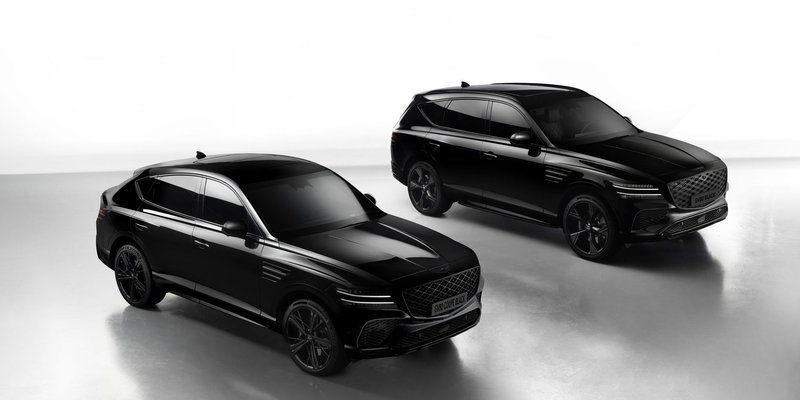
The 2021 Cayenne lineup runs from the V6 base model up through the Turbo, but the GTS and GTS Coupe are the story of this model year. After a generation running a turbocharged V6, the GTS returned to a 4.0-liter twin-turbo V8 for 2021 — 453 hp and 457 lb-ft, paired with the standard 8-speed Tiptronic S automatic and Porsche Traction Management all-wheel drive.
That’s enough to hit 60 mph in 4.5 seconds, or 4.2 with the Sport Chrono Package’s Performance Start (standard on the Coupe body style), and a top speed of 168 mph. Sport Exhaust comes standard on every GTS, which matters more than it sounds like it should — this is a V8 SUV that actually announces itself.
The Coupe body isn’t just a styling exercise. It trades some rear headroom for a lower roofline and comes with Performance Start baked in as standard rather than optional, which is a meaningful difference if you cross-shop the two body styles on price.
Reliability: the Cayenne posts roughly average reliability for its model year, with a recall covering the screw connection between the steering column and steering box, which can fail and cause a detached steering column — not common, but worth a firm “yes, this was fixed” from any seller.
Best trim for the money: the GTS Coupe. You get V8 power, the more aggressive body, and the standard Performance Start that non-Coupe GTS buyers had to option separately.
Panamera
The Panamera’s 2021 lineup spans three body styles — standard wheelbase, extended-wheelbase Executive, and the wagon-adjacent Sport Turismo — with pricing running from roughly $87,200 for a base rear-drive model to $198,100 for a loaded Turbo S E-Hybrid Executive. Every engine in the range is turbocharged, several are paired with a hybrid system, and everything routes through a 7-speed PDK. All-wheel drive is standard on everything except the base car.
The 4S is the trim that makes the most sense for a used buyer: enough performance to feel like a genuine Porsche rather than a fast Audi, without stepping into E-Hybrid complexity or Turbo S pricing. Starting around $105,000 new, it splits the difference between the base car’s relative restraint and the Turbo S’s excess.
Reliability: the Panamera doesn’t show up in reliability conversations as often as the SUVs or the Taycan, which is itself a mild point in its favor, though the E-Hybrid variants carry the added complexity — and added service cost — of any hybrid system once they’re out of warranty. A non-hybrid 4S sidesteps that entirely.
Best trim for the money: the Panamera 4S, ideally in Sport Turismo if you actually need the extra cargo room a sedan-shaped Porsche can’t offer.
Taycan
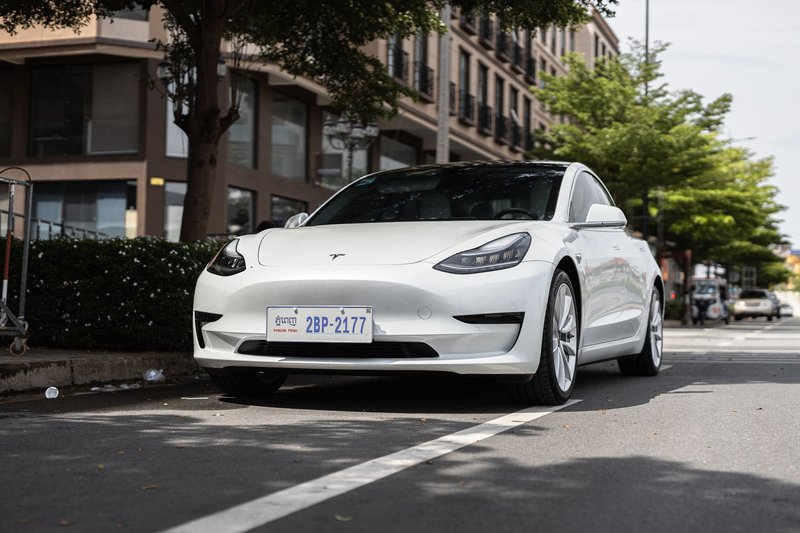
2021 was the year the Taycan got accessible. Porsche added a rear-wheel-drive base Taycan alongside the existing 4S, Turbo, and Turbo S, giving the lineup an entry point for the first time, part of how Porsche’s lineup changed in the 2020s. The base and 4S offer two battery options — a 79.2 kWh standard pack and a 93.4 kWh Performance Battery Plus — while the Turbo and Turbo S come standard with the larger pack. All of them ride on an 800-volt architecture, which under ideal fast-charging conditions can take the battery from 5% to 80% in around 20 minutes at a high-power DC charger — not the 4 minutes sometimes quoted, which reflects only the initial charge curve, not a full session.
Range improved meaningfully within the model year: the 4S went from 203 EPA miles in 2020 to 227 in 2021, without a larger battery — Porsche squeezed it out through efficiency updates. The Turbo S tops the range with up to 750 hp available in short bursts via launch control, at a 2021 starting price of $185,000; the Turbo started at $150,900.
Resale: this is the model in the lineup where “five-year-old Porsche” behaves like a normal used car, not a 911. EVs generally depreciate faster than combustion cars as battery technology and range figures improve year over year, and the Taycan is no exception — expect meaningfully steeper discounts off original MSRP than you’d see on a 911 or 718 of the same age.
Reliability: this is the one to be careful with. Every 2021-2024 Taycan falls under an active NHTSA recall covering a potential short circuit within the high-voltage battery module — a fire risk serious enough that Porsche’s interim remedy is capping affected cars at 80% charge until the battery is replaced. Roughly 27,500 U.S. Taycans are covered. Confirm the recall has been completed, not just scheduled, before you buy.
Best trim for the money: the Taycan 4S with the Performance Battery Plus pack. It gets most of the range and the dual-motor character of the Turbo models without paying six figures for a car that will be worth noticeably less in another five years.
Recalls and What to Check Before You Buy
Every model in this lineup has at least one recall attached to it — that’s not unusual for a five-year-old car, but it does mean recall status matters more than most other used-car checkpoints here:
- 911: center-lock wheel bolt fracture risk
- Macan: front/rear shock absorber screw connection recall
- Cayenne: steering column screw connection recall
- Taycan: high-voltage battery short-circuit recall (2021-2024, active as of this writing)
Run the VIN through Porsche’s recall lookup before you negotiate on price, not after. A completed recall repair is a non-issue. An open one is leverage — or a reason to walk, if it’s the Taycan battery recall and the seller can’t confirm the fix.
Beyond recalls, the used-2021-Porsche checklist looks like any other pre-purchase inspection: verify service history through an authorized center, check for PDK or transmission fault codes on a test drive, and on the Taycan specifically, ask for a battery health report rather than trusting the range estimate on the dash. Five years in, that’s the number that tells you what you’re actually buying.

Daniela Voss
More from Daniela VossHow we reviewed this article
This article was researched against manufacturer records and editorially reviewed before publishing. We accept no payment for coverage.