TLDR
Porsche spent the 2020s rebuilding itself around electrification without abandoning the 911. The Taycan launched in 2020 as the brand’s first EV. The 992-generation 911 got a mid-cycle facelift (992.2) in 2023 with T-Hybrid tech on the Turbo and GTS. The 718 lost its manual option and its combustion future entirely by mid-decade. And the Macan went all-electric in 2026, ending the gas version’s run. If you’re buying used, the 2021-2022 model years hit a sweet spot: post-launch bugs ironed out, pre-facelift pricing.
Table of Contents
- 2020: The Taycan Changes Everything
- 2021-2022: Steady Refinement
- 2023: The 992.2 Facelift and a Turning Point
- 2024: Hybrid Power Goes Mainstream
- 2025-2026: The Electric Push Accelerates
- Model-by-Model: How Each Line Evolved
- Which Model Year Should You Buy Used?
- What’s Next
2020: The Taycan Changes Everything
Porsche entered the decade with a car that had no direct precedent in its own history. The Taycan wasn’t a modified 911 platform or a rebadged Panamera — it rode on the J1 architecture co-developed with Audi’s e-tron GT, built from the ground up around a battery pack and two motors instead of a flat-six.
The launch Taycan came in Turbo and Turbo S trims (Porsche kept the “Turbo” badge despite there being no actual turbocharger, which annoyed purists and amused everyone else), with the Turbo S hitting 0-60 in 2.6 seconds and a claimed range around 200 miles depending on trim and wheel size. It used an 800-volt architecture, a detail that mattered more than it sounds — even among the best cars of the 2020s, most EVs at the time ran 400 volts, and the higher voltage meant the Taycan could charge from 5% to 80% in about 22.5 minutes on a fast enough DC charger, according to Porsche’s own technical documentation.
Meanwhile, the rest of the lineup looked almost conservative by comparison. The 992-generation 911, introduced for the 2020 model year, brought wider bodies across the board (even the base Carrera now wore the wide-body stance previously reserved for S and 4S trims), a fully digital dash save for one analog tachometer, and a reworked twin-turbo 3.0-liter flat-six making 379 hp in the base Carrera and 443 hp in the Carrera S.
2021-2022: Steady Refinement
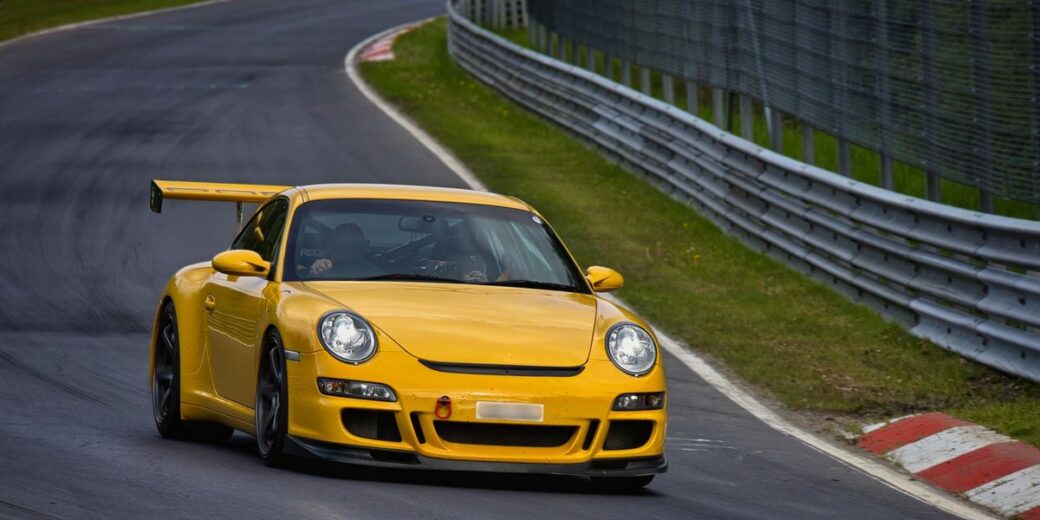
These two years were less about headline launches and more about filling in the family tree. The 911 lineup expanded with the Targa, GTS, and Turbo variants, plus the return of the GT3 in 2021 — a car enthusiasts had been waiting for since the 991.2 GT3 went out of production. The 992 GT3 kept the naturally aspirated 4.0-liter flat-six (510 hp, 9,000 rpm redline) and offered a choice between a manual gearbox and Porsche’s PDK dual-clutch, a rarity as manuals disappeared elsewhere in the industry.
The Taycan grew a lineup around it: the base rear-wheel-drive Taycan arrived in 2021 as a genuinely more affordable entry point, and the Cross Turismo wagon-styled variant landed the same year, adding usable cargo space and a slightly raised ride height aimed at buyers cross-shopping an Audi RS6 Avant.
Cayenne and Macan continued mostly unchanged mechanically, though both received infotainment updates and, in Cayenne’s case, a new Turbo GT variant in 2021 that briefly held the production SUV lap record at the Nürburgring — a genuinely useful marketing flex for a vehicle that spends most of its life in school pickup lines.
2023: The 992.2 Facelift and a Turning Point
2023 is the year the decade’s real story started to show. Porsche introduced the 992.2 facelift, and instead of the usual bumper-and-headlight refresh, it brought something structurally new: T-Hybrid technology on the 911 Turbo and GTS models, marking the first time a production 911 used any form of electrification.
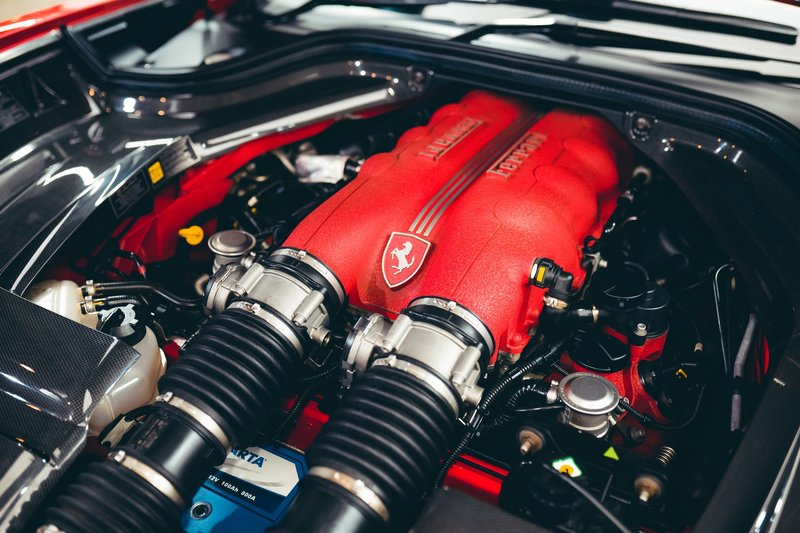
The T-Hybrid system paired the flat-six with a single electric turbocharger — an electric motor built directly into the turbo itself, eliminating lag almost entirely — plus a small motor integrated into the PDK transmission for a combined output boost. On the GTS, this pushed output past 530 hp while Porsche claimed no fuel economy penalty versus the outgoing non-hybrid GTS, according to Porsche’s newsroom technical release.
The Cayenne also got a substantial mid-cycle update in 2023, including a new infotainment system and, notably, one of the first uses of the T-Hybrid label applied to a Porsche SUV variant — a signal of where the platform-sharing was heading.
2024: Hybrid Power Goes Mainstream
By 2024, hybrid and electric technology had stopped being the exception across the lineup and started being the plan. The Panamera received a full redesign for the 2024 model year, with the Turbo E-Hybrid variant producing over 670 hp combined — making it, at the time, the most powerful production Panamera Porsche had built.
The 718 Cayman and Boxster, meanwhile, hit a wall. Emissions regulations in Europe made the naturally aspirated GT4 RS and manual variants increasingly difficult to certify, and Porsche began signaling the combustion 718’s days were numbered, with an electric successor already confirmed for development. For manual-transmission loyalists, the writing was on the wall: the 718 GT4 RS Manthey kept a stick shift available, but it was clearly a going-away gift rather than a long-term plan.
2025-2026: The Electric Push Accelerates
The most consequential shift of the back half of the decade landed with the Macan. Porsche confirmed the second-generation Macan would go fully electric, built on the Premium Platform Electric (PPE) architecture shared with Audi, and by 2026 the combustion Macan had been phased out of most major markets entirely — ending a nameplate that, since its 2014 debut, had been Porsche’s best-selling model by volume in several years.
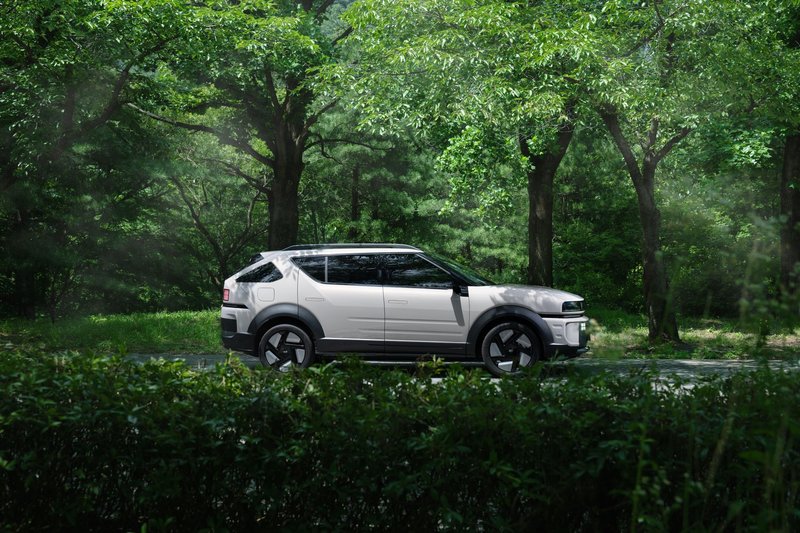
This wasn’t a small decision. The Macan had been a volume workhorse, often 25-30% of Porsche’s total annual sales. Betting its successor entirely on batteries, with no gas backup trim, was a real statement of intent — and a genuine risk if EV demand in key markets like the U.S. cooled faster than Porsche’s product planners assumed.
The Taycan also received a mid-cycle update for the 2025 model year, with improved range (some Turbo S variants now claiming over 300 miles on a charge) and a bump in peak charging speed. The 911 range continued expanding the T-Hybrid rollout to additional trims heading into 2026, while the GT department kept the naturally aspirated GT3 and GT3 RS free of any hybrid assistance — a deliberate line Porsche has held even as electrification spreads through the rest of the range.
Model-by-Model: How Each Line Evolved
| Model | 2020 State | 2026 State | Key Shift |
|---|---|---|---|
| 911 (992) | Twin-turbo flat-six, no hybrid | 992.2 facelift, T-Hybrid on Turbo/GTS | First electrified 911 |
| Taycan | Launch year, 800V architecture | Updated range/charging, full lineup | Established EV credibility |
| 718 Cayman/Boxster | Naturally aspirated + turbo options, manual available | Combustion phased toward discontinuation | Manual and NA engines fading |
| Panamera | Previous generation | Full redesign, 670+ hp E-Hybrid Turbo | Hybrid becomes flagship power |
| Cayenne | Pre-facelift | 2023 mid-cycle refresh, T-Hybrid trims | Platform electrification spreads |
| Macan | Combustion only | Fully electric on PPE platform | Complete architecture switch |
Which Model Year Should You Buy Used?
If you’re shopping the used market rather than tracking history for its own sake, the years matter differently than the headlines suggest.
2021-2022 models are generally the sweet spot for the 911 and Taycan. First-year production quirks (a handful of early Taycan software and charging issues were well documented in owner forums) had mostly been resolved, and depreciation from the facelift hadn’t hit yet. You’re paying less than a 992.2 while getting a car that’s mechanically sorted.
Avoid the very first model year of any all-new platform if you want the smoothest ownership experience — this applies to the 2020 Taycan specifically, where early software bugs around the infotainment system were common enough that Porsche issued multiple over-the-air fixes in the first 18 months.
2023-2024 T-Hybrid 911s carry a premium and will for a while, since they’re both newer and represent a genuine technical shift. If you want the naturally aspirated experience, buying a pre-facelift GT3 or GT3 RS locks in the non-hybrid flat-six before Porsche eventually extends electrification further into the GT lineup — something that hasn’t happened yet but isn’t off the table either.
718 manual cars from any year are becoming their own micro-market. With the combustion 718’s discontinuation now a certainty rather than a rumor, manual GT4s and Spyders are the kind of car that tends to hold value once a platform’s replacement changes character entirely.
What’s Next
The gas Macan is gone. The 718’s combustion engine is on the way out. The Cayenne and Panamera lean further into hybrid power every generation. The only real question left is how long Porsche keeps the 911 GT department free of electrification — and industry watchers, including several outlets that track emissions regulation timelines in the EU, expect that line to hold for at least another product cycle before hybrid assistance becomes mandatory there too.
What’s clear after six years of watching this play out: Porsche didn’t treat electrification as a side project bolted onto an existing lineup. It rebuilt the lineup around it, one platform at a time, starting with the car that had nothing to lose and ending with the one that had the most to protect.

Daniela Voss
More from Daniela VossHow we reviewed this article
This article was researched against manufacturer records and editorially reviewed before publishing. We accept no payment for coverage. Some guides contain affiliate links; see our affiliate disclosure.