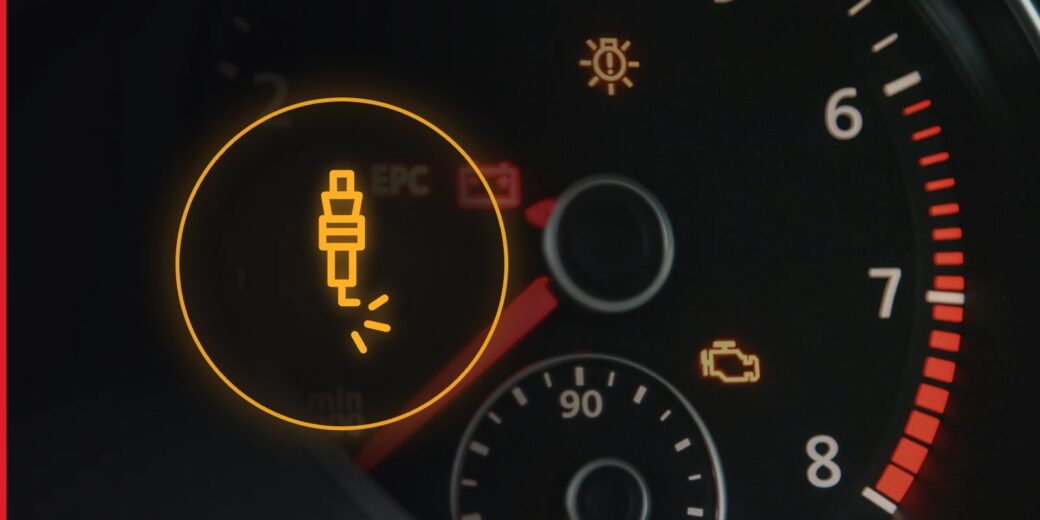
P0301 means the engine computer detected misfires in cylinder 1 only. A worn spark plug or a failing ignition coil on that cylinder causes most cases, followed by a clogged injector or low compression. A flashing check engine light means stop driving; a steady one allows short trips while you fix it.
| Code | P0301 |
|---|---|
| Meaning | Cylinder 1 Misfire Detected |
| Severity | Fix promptly |
| Can I keep driving? | Short trips are often possible if the engine runs smoothly. If the check engine light is flashing, stop driving, because raw fuel can destroy the catalytic converter. |
| Most common cause | Worn spark plug in cylinder 1 |
| Difficulty | Moderate DIY |
What does P0301 mean?
Misfire codes follow a pattern: P030 plus the cylinder number. P0301 is cylinder 1, P0302 is cylinder 2 and so on. The computer stores the cylinder code when one cylinder produces nearly all of the misfires it counted. If the misfires move around or spread over several cylinders, it stores P0300 instead.
A single-cylinder code is easier to chase, because each cylinder has its own plug, coil, injector and compression. Shared items such as fuel pressure rarely hit only one cylinder. Cylinder 1 is not always at the front of the engine. On many inline engines it is at the timing belt end, but V engines and transverse layouts differ, so check the service manual or the car engine 3D model for the layout.
P0301 symptoms
- A rough idle with a regular shake, like a missed beat
- Hesitation when you press the pedal
- A flashing check engine light during hard misfires
- A fuel smell at the tailpipe
- Poor fuel economy
What causes P0301?
- Worn spark plug in cylinder 1: the most common cause, especially when the plugs are past their service interval.
- Failing coil or boot on cylinder 1: a cracked coil or a boot soaked in oil leaks spark to the cylinder head.
- Clogged or failing injector: a dirty injector sends too little fuel, or none, to cylinder 1.
- Low compression: a burnt valve or a worn piston ring on that cylinder cannot hold the pressure the mixture needs.
- Vacuum leak near cylinder 1: a rare cause, such as a leaking gasket at that intake runner.
How to fix P0301
- Note the codes and the plug interval: write down everything stored and find when the plugs were last replaced.
- Do the coil swap test: swap the coil from cylinder 1 with the coil from a neighboring cylinder, such as cylinder 2. Clear the code, then run the engine until the misfire returns. If the code becomes P0302, the coil is bad. If it stays P0301, the coil is fine. How to use an OBD2 scanner shows how to clear and re-read codes.
- Do the plug swap test: if the coil was not the cause, swap the plugs between cylinder 1 and the same neighbor and repeat. A code that follows the plug means a bad plug. Inspect each plug for oil, fuel or a cracked insulator.
- Check the injector: with the engine running, touch a mechanic’s stethoscope or a long screwdriver to the injector. A steady click means it is firing. Check the connector for corrosion.
- Test compression: if the code stays on cylinder 1 after the swaps, a compression or leakdown test tells you whether the cylinder holds pressure. If cylinder 2 also reads low, suspect a head gasket.
On engines with a distributor, swap the plug wire instead of the coil. On engines where one coil fires two cylinders, only the plug test applies.
Can you drive with a P0301 code?
Short trips are often fine if the engine runs smoothly and the light is steady. A dead cylinder pushes raw fuel into the exhaust, which overheats the converter and can eventually set P0420. If the light flashes, stop driving, and avoid hard acceleration until the misfire is fixed.
Related codes
- P0300: Random/Multiple Cylinder Misfire Detected
- P0420: Catalyst System Efficiency Below Threshold (Bank 1)
FAQ
Why did P0301 turn into P0302 after I swapped parts?
The misfire followed the part you moved to cylinder 2. That means the swapped coil or plug is faulty. Replace it and the code should clear. If you moved a coil, you can leave the good one in its new spot.
Why do I have both P0300 and P0301?
Several cylinders are misfiring and cylinder 1 is the worst. Start with cylinder 1 because the computer singled it out, but check the shared causes too, such as old plugs on every cylinder or a vacuum leak.
Should I replace all the spark plugs or just cylinder 1?
Replace the full set. Plugs wear at the same rate, so the others are close behind. The labor to reach them is the same, and one fresh plug next to old ones leaves you chasing the next misfire.
Can a bad fuel injector cause P0301?
Yes. An injector that is clogged or stuck leaves cylinder 1 starved of fuel. It is less common than a plug or a coil, so test those first, then check the injector click and connector.
Got more than one code? Enter them all in the OBD2 code lookup to see each meaning, severity and first check side by side. If you still need a reader, start with the best OBD2 scanners for beginners, then follow how to use an OBD2 scanner to pull freeze frame data before you clear anything.
Sources & References
- SAE J2012, diagnostic trouble code definitions: https://www.sae.org/standards/content/j2012_201612/
- California Air Resources Board, on-board diagnostics: https://ww2.arb.ca.gov/our-work/programs/obd-board-diagnostic-program
- EPA, vehicle emissions inspection and maintenance: https://www.epa.gov/state-and-local-transportation/vehicle-emissions-inspection-and-maintenance-im

James Kowalski
More from James KowalskiHow we reviewed this article
This article was researched against manufacturer records and editorially reviewed before publishing. We accept no payment for coverage. Some guides contain affiliate links; see our affiliate disclosure.