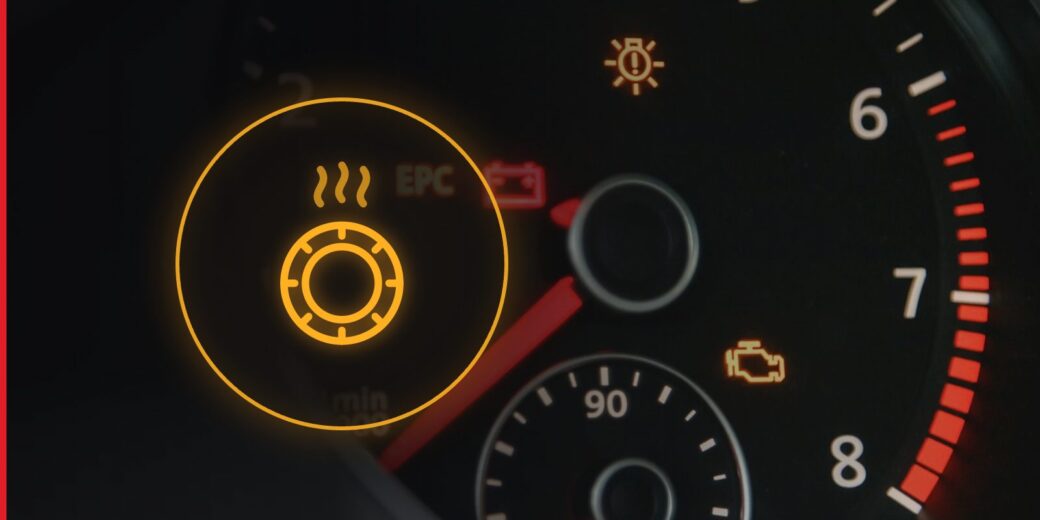
P0496 means the engine computer detected fuel vapor flowing through the EVAP purge valve when the valve should be closed. A purge valve stuck open is the usual cause. The car is safe to drive, but it can crank a long time or start hard right after you refuel.
| Code | P0496 |
|---|---|
| Meaning | EVAP System High Purge Flow |
| Severity | Fix soon |
| Can I keep driving? | Yes. The car is safe to drive, though it may be hard to start after refueling. |
| Most common cause | Purge valve stuck open |
| Difficulty | Easy DIY |
What does P0496 mean?
The purge valve is a gate between the charcoal canister and the intake manifold. The computer opens it for short periods while the engine runs so stored vapor gets burned. P0496 sets when the system sees vapor flow or tank vacuum while the valve is commanded closed. In plain terms, the valve leaks.
This is the opposite of P0441, which flags purge flow that is wrong, often too low. The test for P0496 runs only under set conditions, including a stable fuel level and engine state, so the code can take several days to return after a fix. The conditions vary by maker.
P0496 symptoms
- Check engine light.
- Hard starting or a long crank right after refueling, because a stuck-open valve pulls tank vapor into the manifold.
- Rough idle, sometimes a stumble at stops.
- A fuel smell around the engine bay.
- Stalling when the engine is cold or just after the tank is filled, on a few cars.
What causes P0496?
- Purge valve stuck open: the leading cause. Dirt or worn seat material keeps the valve from closing. I saw this most on cars with the original valve and well over 100,000 miles.
- Faulty vent or pressure sensor: a bad fuel tank pressure sensor can report vacuum that is not there, so the computer blames the purge valve.
- Wrong or crossed vacuum lines: after repairs, a swapped line gives the valve constant vacuum.
- Fault in the engine computer: rare. Rule out everything else first.
How to fix P0496
- Check the vacuum line routing: compare the lines with the underhood diagram or a known good car. Look for cracked ends and wrong connections.
- Test the purge valve off the car: with the valve unplugged, blow into the canister side. It should not pass air. Apply a hand vacuum pump to the manifold side and it should hold vacuum.
- Test it with a scan tool: command the valve closed with the engine idling and watch the short-term fuel trim. If the engine idles roughly or the trims change, vapor is getting through. A scanner with live data (see how to use an OBD2 scanner) makes this easy.
- Replace a leaking purge valve: this solves most P0496 cars. Use a valve that matches your engine.
- Check the tank pressure sensor: if a new valve does not help, compare the sensor readings with a known vacuum. Replace the sensor if it reads off.
Can you drive with a P0496 code?
Yes. The car is safe to drive, but the stuck-open valve can make it hard to start for a minute after refueling. If it stalls while you are moving through traffic, fix the valve sooner. Avoid topping off the tank, because liquid fuel in the canister adds to the rich start-up problem.
Related codes
- P0456: EVAP System Leak Detected (Very Small Leak)
- P0455: EVAP System Leak Detected (Large Leak)
- P0442: EVAP System Leak Detected (Small Leak)
- P0441: EVAP System Incorrect Purge Flow
- P0446: EVAP System Vent Control Circuit
- P0497: EVAP System Low Purge Flow
- P0443: EVAP System Purge Control Valve A Circuit
FAQ
Why is my car hard to start after filling up with P0496?
The purge valve is stuck open. When the engine cranks, fresh vapor from the full tank is drawn into the manifold, making the mixture too rich to ignite. It starts once the vapor clears, which is why the problem is intermittent.
Can I clean a purge valve with P0496?
Not reliably. Cleaning sprays can free a sticky valve for a short time, but they also damage the rubber seat. The part is not costly, so replacement is the lasting repair.
Can a bad gas cap cause P0496?
No. The cap is a leak-test component and does not influence purge valve operation. A bad cap sets a leak code like P0442. Check it anyway if you have both codes at once.
Is P0496 expensive to fix?
No, in most cases. The purge valve is a small part and plugs in with a connector and two hoses. The cost rises only if a pressure sensor or the computer is at fault, which is rare.
Got more than one code? Enter them all in the OBD2 code lookup to see each meaning, severity and first check side by side. If you still need a reader, start with the best OBD2 scanners for beginners, then follow how to use an OBD2 scanner to pull freeze frame data before you clear anything.
Sources & References
- SAE J2012, diagnostic trouble code definitions: https://www.sae.org/standards/content/j2012_201612/
- California Air Resources Board, on-board diagnostics: https://ww2.arb.ca.gov/our-work/programs/obd-board-diagnostic-program
- EPA, vehicle emissions inspection and maintenance: https://www.epa.gov/state-and-local-transportation/vehicle-emissions-inspection-and-maintenance-im

James Kowalski
More from James KowalskiHow we reviewed this article
This article was researched against manufacturer records and editorially reviewed before publishing. We accept no payment for coverage. Some guides contain affiliate links; see our affiliate disclosure.