A 2016 BMW is now old enough to buy on Craigslist for less than a used Camry, and that’s exactly why it’s worth doing your homework first. This was a transition year for BMW — the 7 Series went all-new, the X1 got completely re-engineered, and the last of the pre-facelift 3 Series cars were still on lots next to the first ones with a plug. That mix means two 2016 BMWs of the same model can be meaningfully different cars underneath.
This is a model-by-model rundown of the 2016 lineup, what actually changed that year, what things cost used today, and — more useful than any spec sheet — what breaks on these cars and what a decade-old BMW is actually going to cost you to keep running.
Table of Contents
- TLDR
- What Changed for the 2016 Model Year
- 2 Series: The Entry-Level Sports Coupe
- 3 Series & 4 Series: The Bread and Butter
- 5 Series: The Executive Standard
- 6 Series & 7 Series: The Flagships
- X1, X3 & X4: The Compact and Midsize Crossovers
- X5 & X6: The Big SUVs
- i3 & i8: BMW’s Electrified Experiment
- The M Cars: M2, M3 and M4
- 2016 BMW Price & Spec Comparison
- Reliability and Common Issues by Engine
- Buyer’s Checklist Before You Sign
TLDR
If you just want the short version: the 328i and 428i are the sweet spot — cheap to buy, cheap-ish to fix, and the N20 engine’s timing chain problem was already solved by 2016. The X1 is the most underrated used BMW on the market right now because most shoppers don’t know it was completely redesigned that year. Skip the diesels unless you’ve found a specific low-mileage example with full service records — DEF systems age badly and parts aren’t cheap. The i3 and i8 are fascinating and depreciating fast, but budget for battery and drivetrain diagnostics that most independent shops still can’t do. And if you want the best chance at long-term reliability with the least drama, a 328i or 528i with the N20/N55 engine and a documented water pump replacement is about as low-risk as a 2016 BMW gets.
What Changed for the 2016 Model Year
Three real changes happened in 2016, and everything else was a running update:
The 7 Series went fully redesigned (internally the G11/G12), switching to a new carbon-core body structure, adding gesture control for the infotainment system, and introducing BMW’s Display Key. The X1 was completely re-engineered, moving to a shared platform with the front-wheel-drive Mini/2 Series Active Tourer architecture — a genuinely different car from the 2015 X1, not a facelift. And the X5 lineup added the xDrive40e, BMW’s first plug-in hybrid SUV, alongside the debut of the 330e plug-in hybrid sedan in the 3 Series range.
Everything else — the 3 Series, 5 Series, X3, X5, X6, i3, i8, and the M cars — carried over from 2015 with minor trim and options tweaks. That matters for shopping: a 2016 X1 and a 2016 7 Series are essentially new designs, while a 2016 328i is mechanically the same car as a 2015 BMW — with only trim-level updates separating the model years.
2 Series: The Entry-Level Sports Coupe
The 2 Series was BMW’s smallest, cheapest rear-drive coupe in 2016, sold as the 228i (turbo four-cylinder, N20 engine) and the M235i (turbo inline-six, N55 engine), both available with rear- or all-wheel drive (xDrive). Convertible versions of both existed too.
This is the car BMW enthusiasts point to when they say “they don’t make them like this anymore” — short wheelbase, light curb weight for the class, and a manual transmission was still available on both trims. The M235i in particular punches well above its badge; it’s essentially an M2 with the volume turned down one notch, and used examples sit meaningfully cheaper than the M2 that replaced it in 2016’s own model year lineup.
3 Series & 4 Series: The Bread and Butter
The 3 Series carried five distinct powertrains in 2016: the 320i and 328i (both N20 four-cylinder), the 335i/340i (N55 six-cylinder, with the 340i replacing the 335i partway through the model year with more power), the 328d (turbo-diesel), and the brand-new 330e plug-in hybrid. The 4 Series — the 3 Series’ coupe and convertible sibling, badged separately since 2014 — mirrored most of that with the 428i, 435i, and 440i.
The 340i is the one to know about if you’re cross-shopping: it’s the same 3.0-liter N55 as the 335i but with roughly 20 more horsepower and a version of the engine used later in more M-adjacent applications. If you can find one, it’s the strongest non-M six-cylinder BMW made that year.
5 Series: The Executive Standard
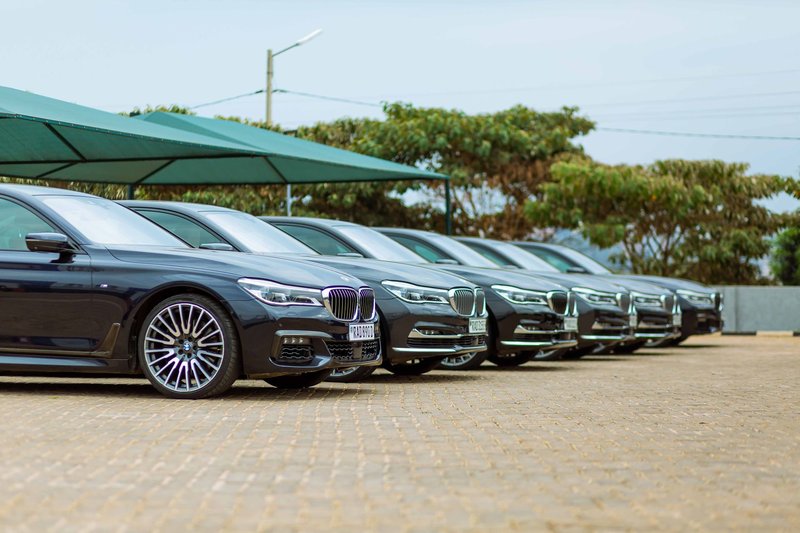
The 5 Series ran the 528i (N20 four-cylinder — yes, the same engine as the 328i, just doing more work in a heavier car), the 535i and 550i (N55 six and twin-turbo V8, respectively), and the 535d diesel, plus a longer, hatchback-bodied 5 Series Gran Turismo variant sold alongside the sedan.
The 528i’s use of a four-cylinder in a car this size is the thing most cross-shoppers get wrong — it’s adequate, not quick, and resale buyers consistently pay a premium for the 535i’s extra cylinders. If performance matters to you at all, skip the 528i.
6 Series & 7 Series: The Flagships
The 6 Series (coupe, convertible, and Gran Coupe four-door) ran the 640i and 650i, carried over largely unchanged from 2015. The 7 Series, on the other hand, was all-new for 2016 — new platform, new tech, and a jump from the 740i up through the 750i, 750Li, and eventually M760i variants that followed in later model years.
These are the cars depreciation hits hardest. Like many 2010s luxury cars, a 2016 750Li stickered north of $100,000 and today trades for a fraction of that — which sounds like a deal until you price out an air suspension repair or an iDrive module replacement on a car this complex.
X1, X3 & X4: The Compact and Midsize Crossovers
The X1 is the story here — completely redesigned for 2016, moving to front-wheel-drive-based architecture (with xDrive all-wheel drive available) and a smaller footprint than before. It’s the most modern platform in the affordable end of the 2016 BMW lineup, and most shoppers don’t realize it’s a different generation from the 2015 model.
The X3 carried the sDrive28i, xDrive28i, xDrive28d (diesel), and xDrive35i, all on the outgoing platform that had been around since 2011. The X4, the X3’s coupe-roofline sibling introduced in 2015, offered the xDrive28i and xDrive35i.
X5 & X6: The Big SUVs
The X5 lineup was the most varied in the whole 2016 catalog: sDrive35i, xDrive35i, xDrive35d (diesel), the new xDrive40e plug-in hybrid, the xDrive50i (twin-turbo V8), and the X5 M. The X6 offered the xDrive35i, xDrive50i, and X6 M on the same mechanical base with a coupe-like roofline.
The xDrive40e is worth calling out specifically: it pairs a turbo four-cylinder with an electric motor for a combined output around 308 horsepower and BMW-rated electric-only range in the mid-teens of miles. It’s a genuinely useful commuter setup if you can charge daily, and a fairly pointless one if you can’t — you’ll just be hauling a heavy battery pack around for no benefit.
i3 & i8: BMW’s Electrified Experiment
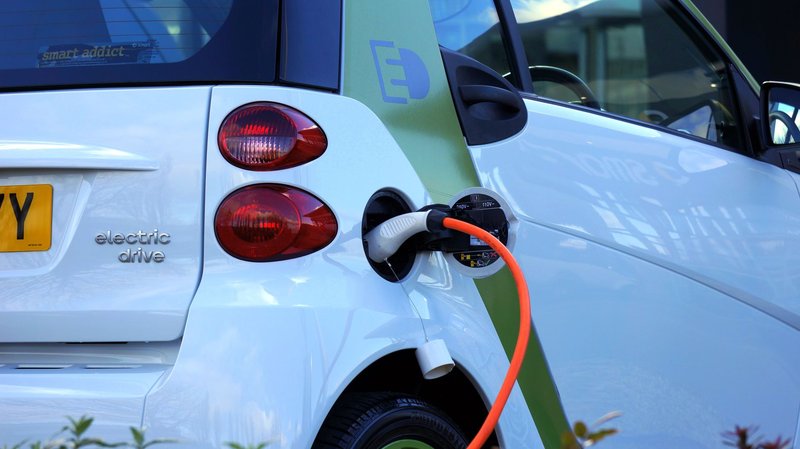
The i3 was BMW’s compact electric city car, available as a pure EV or with a small gasoline range-extender engine that kept the battery topped up. The i8 was — and still is — the halo car: a plug-in hybrid sports car pairing a turbocharged three-cylinder engine with an electric motor for a combined 357 horsepower, a claimed 0-60 in the low four-second range, and butterfly doors that still turn heads at gas stations.
The i8 started at $141,695 new. A decade later, depreciation has been brutal in dollar terms even though the car has aged well stylistically — expect to pay a fraction of the original sticker for a clean example today. The i3, meanwhile, depreciated even faster in percentage terms, which is typical for early mass-market EVs: battery anxiety and the pace of EV tech both work against resale value. Per the EPA’s official fuel economy data, both cars carry genuinely strong efficiency numbers for their era — the tech just aged faster than the cars did.
The M Cars: M2, M3 and M4
2016 was a strong year to be BMW’s performance division. The M2 launched this year — a 3.0-liter turbo inline-six (N55-based) making 365 horsepower in a package smaller and, to a lot of enthusiasts, more honest than the M3/M4. The M3 (sedan) and M4 (coupe and convertible) carried the S55 twin-turbo six at 425 horsepower, good for a 0-60 in the low four-second range.
These are the 2016 BMWs holding value best, and for good reason — they’re the ones people actually seek out used rather than settle for. That said, the S55 in early M3/M4 production had a well-documented rod bearing wear issue that led BMW to extend warranty coverage on affected cars; ask specifically whether a car’s bearings were inspected or replaced, and get service records, not just a verbal assurance.
2016 BMW Price & Spec Comparison
| Model | Engine(s) | Starting MSRP (new) | Typical Used Price Today | Notes |
|---|---|---|---|---|
| 228i / M235i | N20 turbo I4 / N55 turbo I6 | ~$33,150 – $44,150 | ~$11,000 – $18,000 | M235i is the value performance pick |
| 320i / 328i / 340i | N20 turbo I4 / N55 turbo I6 | ~$33,150 – $44,750 | ~$10,000 – $16,000 | 328i is the sweet spot |
| 328d | Turbo diesel I4 | ~$39,150 | ~$9,000 – $13,000 | Check DEF system history closely |
| 330e | Plug-in hybrid I4 | ~$44,100 | ~$12,000 – $16,000 | New for 2016; verify battery health |
| 428i / 435i / 440i | N20 turbo I4 / N55 turbo I6 | ~$40,650 – $47,000 | ~$13,000 – $19,000 | Coupe/convertible 3 Series sibling |
| 528i / 535i / 550i | N20 turbo I4 / N55 turbo I6 / twin-turbo V8 | ~$51,200 – $65,700 | ~$14,000 – $21,000 | Avoid the 528i if you want any pace |
| 640i / 650i | N55 turbo I6 / twin-turbo V8 | ~$76,150 – $91,700 | ~$16,000 – $24,000 | Complex, expensive to maintain long-term |
| 740i / 750i / 750Li | N55 turbo I6 / twin-turbo V8 | ~$81,300 – $102,300 | ~$18,000 – $27,000 | All-new platform for 2016 |
| X1 | N20 turbo I4 | ~$34,950 – $36,950 | ~$11,000 – $15,000 | Redesigned for 2016 — most modern budget pick |
| X3 / X4 | N20 turbo I4 / N55 turbo I6 / diesel | ~$39,300 – $50,300 | ~$13,000 – $19,000 | X3 outgoing platform since 2011 |
| X5 (incl. xDrive40e) | N20/N55/diesel/plug-in hybrid | ~$54,800 – $68,600 | ~$16,000 – $25,000 | 40e new for 2016 |
| X5 M / X6 M | Twin-turbo V8 | ~$99,100 – $99,900 | ~$28,000 – $38,000 | Holds value better than standard X5/X6 |
| i3 | Electric / range-extender | ~$42,400 – $46,250 | ~$9,000 – $14,000 | Fastest-depreciating model in the lineup |
| i8 | Turbo I3 + electric hybrid | $141,695 | ~$45,000 – $60,000 | Still the halo car |
| M2 | N55 turbo I6 | $51,700 | ~$32,000 – $36,000 | Best value M car used |
| M3 / M4 | S55 twin-turbo I6 | $63,500 – $74,200 | ~$32,000 – $44,000 | Check rod bearing service history |
Used price ranges reflect typical private-party asking prices for clean, reasonable-mileage examples and vary significantly by condition, mileage, and region.
Reliability and Common Issues by Engine
N20 (turbo four-cylinder — 228i, 320i, 328i, X1, X3, some 528i/X4 variants): The N20’s reputation for timing chain guide failure is real, but it’s a pre-2016 problem. BMW redesigned the timing chain guides with more durable material starting in 2015 production, and issued a recall covering 2011–2015 N20 engines. If your 2016 car has this updated engine — which it should — you’re not carrying the same risk as an early N20. Still worth asking for maintenance records that confirm the car isn’t an early-2016-build straggler with old-spec parts.
N55 (turbo inline-six — 335i, 340i, 435i, 535i, X5/X6 35i, M2): The recurring issue here is the electric water pump, which fails without much warning — sometimes as early as 30,000–40,000 miles, sometimes past 100,000. Watch for a climbing or erratic temperature gauge, a high-pitched whine from the engine bay, or coolant smell. Budget for a preventive replacement in the $600–$900 range if the car doesn’t have documentation of one already done.
S55 (twin-turbo six — M3, M4): Early production cars had a rod bearing wear issue serious enough that BMW extended the powertrain warranty for affected vehicles. Ask directly whether the bearings were inspected or replaced under that program.
Diesels (328d, 535d, X3/X5 diesel variants): These aren’t implicated in the emissions scandals that hit other manufacturers, but a decade-old diesel exhaust fluid (DEF) system, EGR valve, and turbo can all get expensive as they age. A diesel BMW with full service history is fine; one with gaps is a gamble.
iDrive generation: 2016 spans two different iDrive generations — most models ran iDrive 4.x, while the redesigned 7 Series and new X1 introduced the newer NBT EVO-based system (iDrive 5.0) with a faster processor and touch-capable controller. If infotainment responsiveness matters to you, that’s a real difference between an X1 and, say, an X3 from the same model year.
If you’re buying any of these, it’s worth running the VIN through NHTSA’s recall lookup tool before you commit — it takes thirty seconds and tells you immediately whether outstanding recall work was ever completed.
Buyer’s Checklist Before You Sign
- Pull the VIN history and check for open recalls, not just accident history — BMW issued several campaigns across this model year covering everything from airbags to fuel pump wiring.
- Ask for water pump and timing chain service records on any N20 or N55-powered car, even if nothing has failed yet.
- Get a pre-purchase inspection from a BMW specialist, not a generalist shop — independent BMW techs know exactly where to look on each engine variant, and a general mechanic often doesn’t.
- Budget beyond the purchase price. A 2016 BMW selling for $12,000 can easily cost another $2,000–$4,000 in deferred maintenance if it wasn’t kept up — factor that in before you compare it to a Camry at the same price.
- Check the iDrive version and infotainment condition if tech matters to you; screens and control knobs on this generation show wear and occasional glitches by now.
- For hybrids and EVs (330e, xDrive40e, i3, i8), ask specifically about high-voltage battery health and whether it’s ever been tested, not just whether it “still charges.”
A well-kept 2016 BMW, bought with eyes open, is a lot of car for the money a decade later. The ones that go wrong are almost always the ones bought on price alone, with no service history and no pre-purchase inspection. Do the thirty minutes of homework, and the badge on the hood stops being a gamble.

Daniela Voss
More from Daniela VossHow we reviewed this article
This article was researched against manufacturer records and editorially reviewed before publishing. We accept no payment for coverage.