Contents
- Why four-door cars get overlooked
- American full-size and compact sedans
- American luxury sedans
- Japanese sedans
- European sport and luxury sedans
- 1960s sedans at a glance
- What to look for when buying one today
- Which 1960s sedan fits you
Search for 1960s cars and you get GTOs, Mustangs, Corvettes and E-Types. Sedans show up as footnotes. That’s backwards. The four-door was the car families actually bought, and several of the decade’s boldest engineering ideas, from the rear-engine Corvair to Toyota’s first V8, were tried out on sedans.
This guide covers the 1960s sedans worth knowing: fifteen cars from Detroit, Tokyo and Europe, with years, engines and the reason each one earned its spot.
Why four-door cars get overlooked
Two things pushed the sedan out of the spotlight. The first was the hardtop. Detroit’s pillarless roofline made even four-door models look like coupes, so the sedan with a B-pillar was treated as the plain version. The second was marketing. Magazine covers and showroom posters went to two-door cars with big engines, while the four-door paid the bills.
Collectors followed the posters. A clean 1960s sedan usually costs a fraction of the same model as a convertible or a two-door coupe with the top engine option. If you want a period car that seats five and doesn’t need a trust fund, that gap is the opportunity.
A note on terms: a few entries below are four-door hardtops rather than pillared sedans. They’re included because the manufacturers sold them as part of the same four-door family.
American full-size and compact sedans
1. Chevrolet Impala (1961 to 1969)
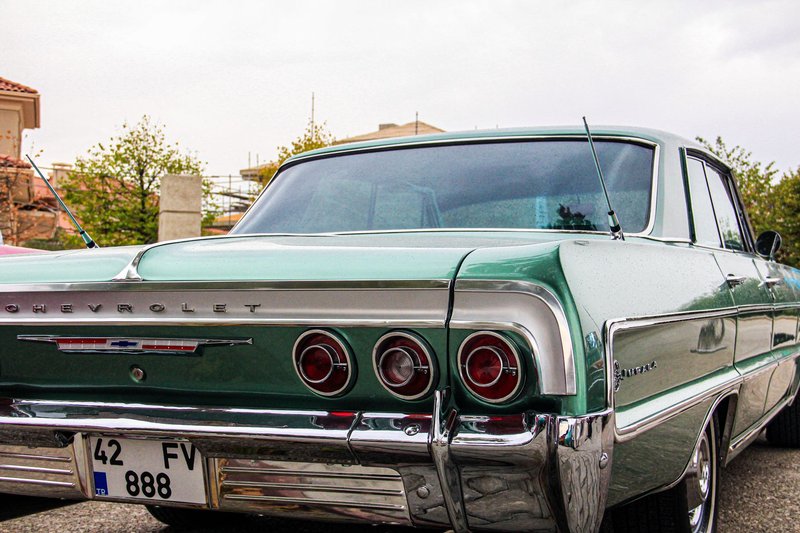
The Impala was the best-selling car in America for most of the decade. The 1965 model sold more than a million units in a single year, a record for one model line. The 1961 “bubble top” four-door hardtop and the long, clean 1965 body are the two shapes to know.
Engines ran from an inline six to the 409 V8, which the Beach Boys turned into a hit single, and later the 396. Most Impalas were four-doors, so they’re the easiest 1960s Chevrolet to find. A V8 four-door cost under $3,000 new.
2. Ford Galaxie 500 (1959 to 1969)
Ford’s answer to the Impala was less flashy and arguably better built. The 1965 redesign brought stacked vertical headlights and a stiffer frame, and the LTD trim package added a padded, hushed interior. Ford pitched it against Rolls-Royce on cabin quietness, and the comparison was only half a joke.
The sleeper detail: a Galaxie 500 four-door could be ordered with a 390 or even a 427 V8. A family sedan with that option list was normal in 1965.
3. Rambler Classic (1961 to 1966)
American Motors was the odd one out in Detroit. George Romney’s company skipped tailfins and chrome and sold sensible cars, and Rambler climbed to third in US sales around 1960. The Classic, a mid-size four-door with unibody construction and an easy-to-service six, took Motor Trend’s Car of the Year award for 1963.
It’s the least glamorous car on this list. It’s also the clearest picture of what a sedan was for: space, economy, no apologies.
4. Chevrolet Corvair sedan (1960 to 1969)
The Corvair’s air-cooled flat-six sat behind the rear axle, a layout almost unheard of in an American car. The first-year engine made 80 hp, and Chevrolet sold more than 250,000 Corvairs for 1960. The four-door sedan was offered through 1964. The 1965 redesign swapped it for a four-door hardtop and added a fully independent rear suspension.
Ralph Nader’s 1965 book Unsafe at Any Speed opened with the early Corvair’s swing-axle handling. The later cars fixed that, and they’re among the better-handling American sedans of the decade. The reputation never recovered.
American luxury sedans
5. Lincoln Continental (1961 to 1969)
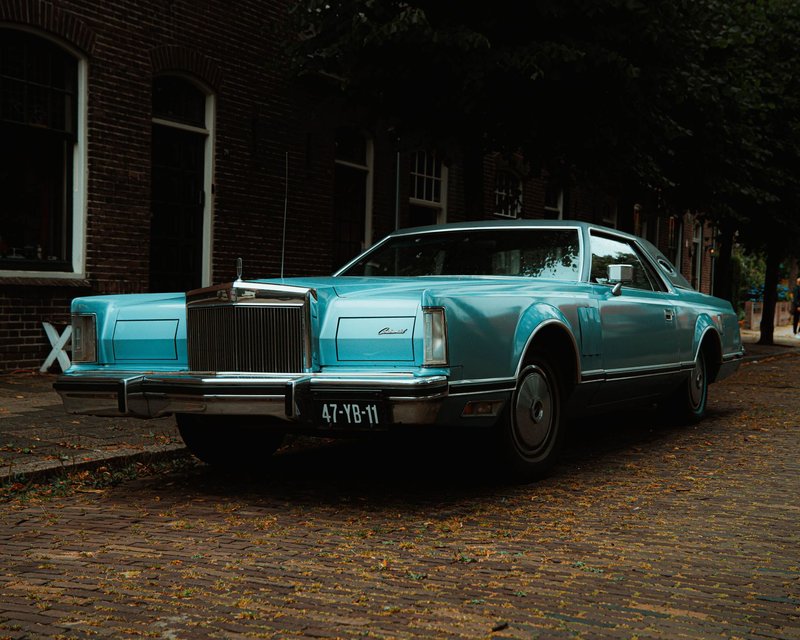
The 1961 Continental is the shape designers still cite when they talk about restraint. Elwood Engel’s slab-sided car came only as a four-door sedan or a four-door convertible, with rear-hinged back doors. A 430 cubic-inch V8 made 300 hp, and Lincoln backed the car with a two-year, 24,000-mile warranty, long for 1961.
It’s also the car behind the most famous presidential limousine in American history: a modified 1961 Continental convertible carried President Kennedy in Dallas in 1963.
6. Cadillac Sixty Special and Series 62 (1960 to 1969)
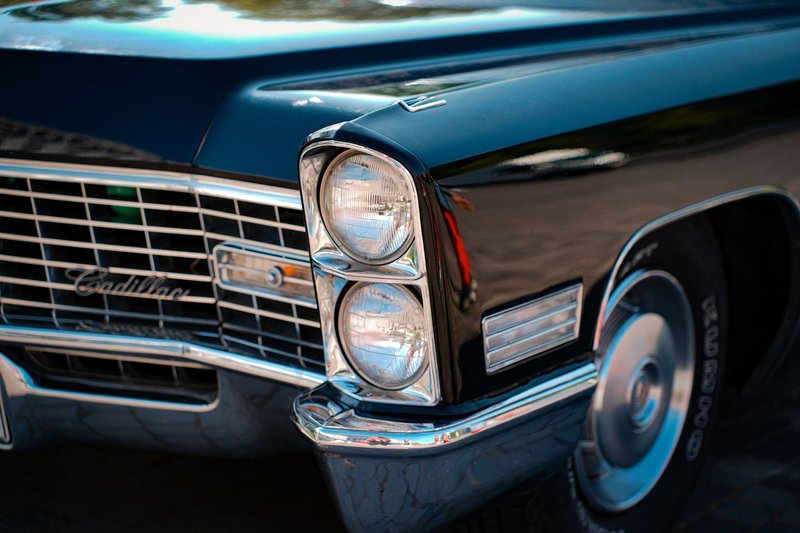
Cadillac sold two ways to arrive in style. The Series 62 was the volume model until 1964, when the De Ville line took over the middle of the range. The Sixty Special was the chauffeur’s choice: four doors only, a longer wheelbase than the 62 and extra rear legroom.
The tailfins that defined 1959 shrank every year and were gone by 1965. Power went the other way, from a 390 V8 to a 429 in 1965 and a 472 in 1968. A 1960s Cadillac sedan is still one of the cheapest ways to get a big, silent V8 and a back seat with real space.
7. Imperial Crown (1964 to 1966)
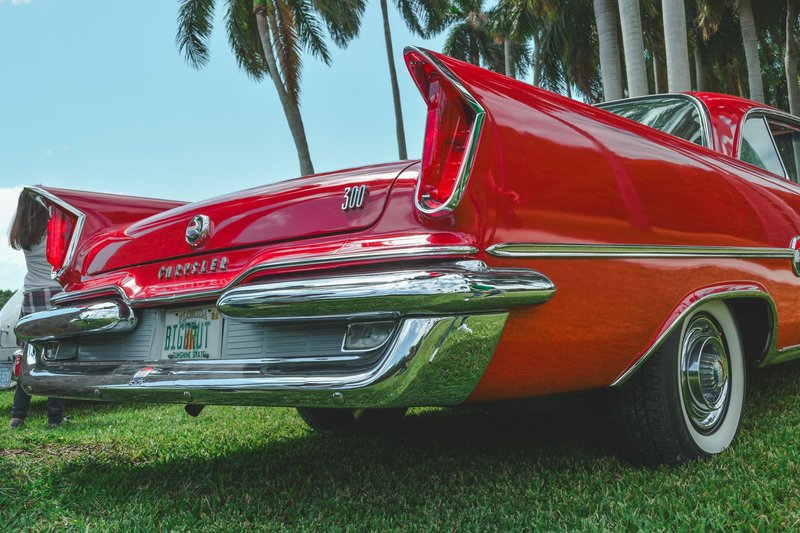
Chrysler ran Imperial as its own brand to fight Cadillac and Lincoln. The 1964 redesign came from Elwood Engel, who had drawn the 1961 Continental before moving to Chrysler. It has the same crisp slab sides, with free-standing fender pods that give it more visual mass.
The 413 V8 gave way to a 440 in 1966. Imperial never topped about 25,000 sales in a 1960s year, so these are rare, and they often cost less than a Continental of the same age.
Japanese sedans
8. Toyota Crown (1962 to 1967)
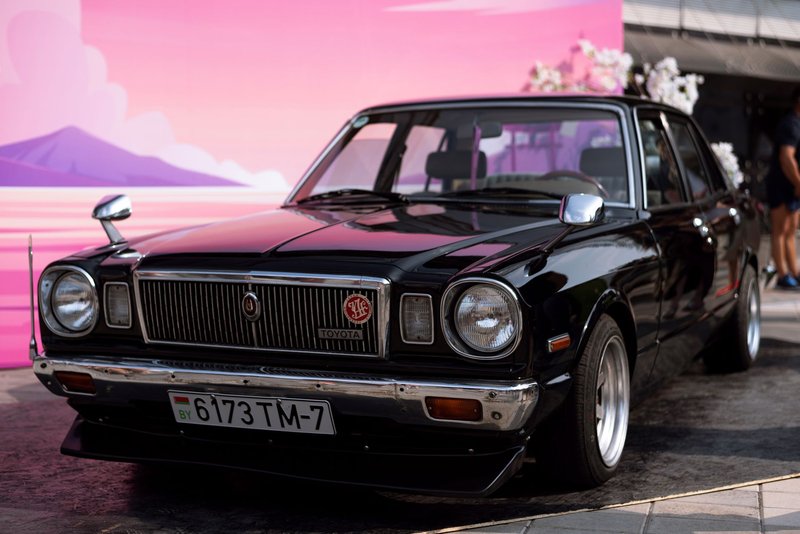
The Crown was Toyota’s first export attempt. The first-generation car reached the US in 1958 and was pulled in 1960 after it struggled to keep pace on American highways. Toyota came back later in the decade with a better product.
The second-generation Crown, launched in 1962, grew and gained a more modern body. In 1964 Toyota added the Crown Eight, with the company’s first V8, a 2.6-litre unit making about 115 hp. For Japan it was a statement: a domestic luxury sedan with eight cylinders.
9. Toyota Corona (1964 to 1970)
The Corona was the small Toyota that made American buyers pay attention. It went on sale in the US in 1965 as a compact four-door with sensible equipment and a price below most rivals. In Japan it fought the Datsun Bluebird in a sales rivalry the press called the “BC War.”
It wasn’t fast or beautiful. It started every morning and cost little to run, which is why Toyota’s US share grew from this car on.
10. Datsun Bluebird 510 (1967 to 1973)
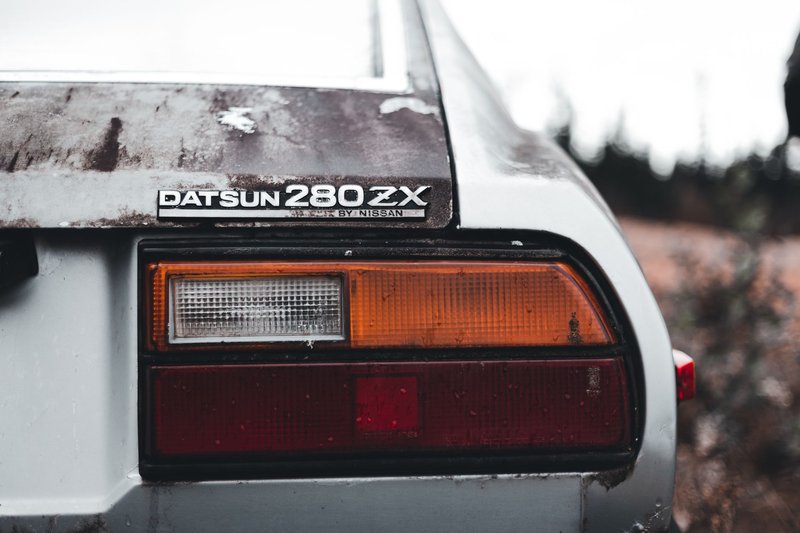
The 510 is the Japanese sedan that car people actually love. Launched in Japan in 1967 and in the US the next year, it paired a 1.6-litre overhead-cam four making 96 hp with independent rear suspension on the sedans, something rivals at this price didn’t offer. Road & Track’s nickname for it was the poor man’s BMW, and it sold for under $2,000.
It also raced. A 510 won the 1970 East African Safari Rally outright, and Peter Brock’s BRE team took the SCCA Trans-Am 2.5 Challenge in 1971 and 1972. Clean, unmodified 510s are now among the most expensive Japanese sedans from the decade.
European sport and luxury sedans
11. BMW Neue Klasse (1961 to 1972)
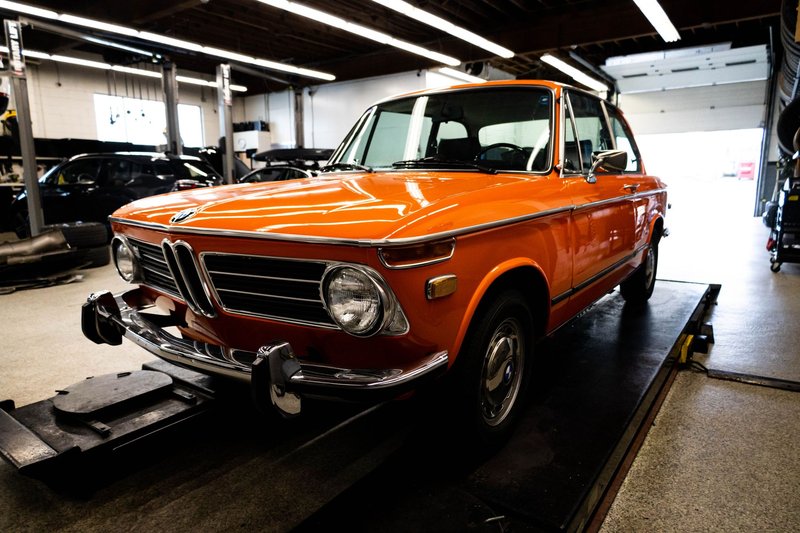
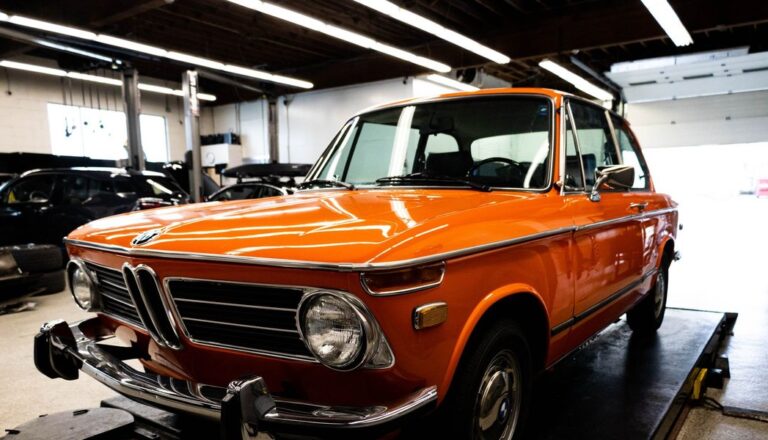
BMW came close to a takeover by Daimler-Benz in 1959. The Neue Klasse, starting with the 1500 at the 1961 Frankfurt show, is what pulled it back: a compact four-door with an overhead-cam four and the “Hofmeister kink,” the rear window line that remains a BMW signature.
The range grew into the 1800 and 2000, and by 1969 the 2000 tii had mechanical fuel injection and 130 hp. More than 300,000 Neue Klasse cars were built. They set the template for the sports sedan: four doors, a back seat, and a driver’s car anyway.
12. Jaguar S-Type (1963 to 1968)
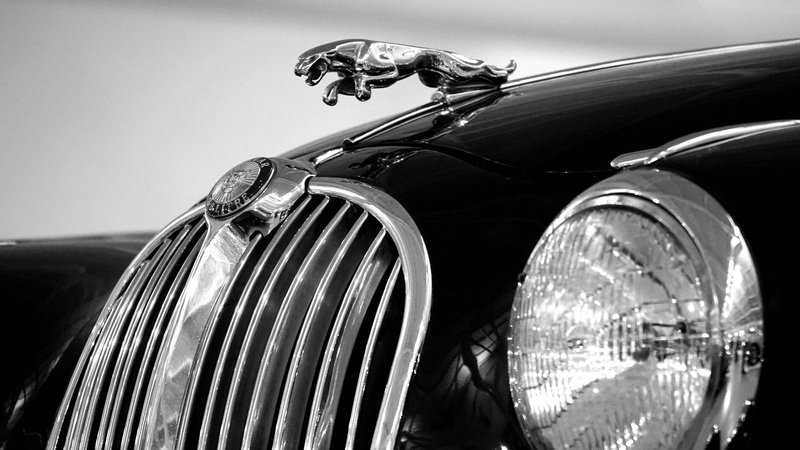
The S-Type is a Mk 2 with a longer tail and independent rear suspension borrowed from the E-Type and Mk X. The 3.4 and 3.8-litre XK sixes sat under the long bonnet, and a 3.8 reached around 120 mph. About 25,000 were built, fewer than the Mk 2 it sold alongside.
Inside you get the walnut and leather Jaguar was known for. Some buyers prefer the Mk 2 for its tidier shape; others take the S-Type for its softer ride and bigger boot.
13. Mercedes-Benz 300 SEL 6.3 (1968 to 1972)
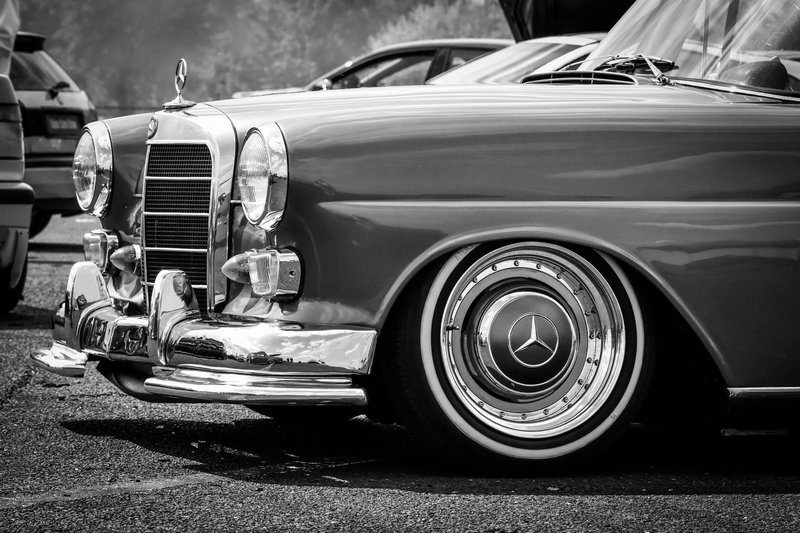
Mercedes took the 6.3-litre V8 from the 600 limousine and fitted it to the 300 SEL, a four-door sedan from the line that led to the S-Class. It made about 250 hp, reached 60 mph in roughly 6.5 seconds and topped out near 137 mph, with air suspension keeping the ride calm. Few four-doors of 1968 were as fast.
Only 6,526 were built. In 1971 AMG, then a small tuning shop, entered a 6.8-litre version at the Spa 24 Hours and finished second overall. The car was nicknamed “Rote Sau,” the Red Pig, and it started the AMG legend.
14. Alfa Romeo Giulia (1962 to 1978)
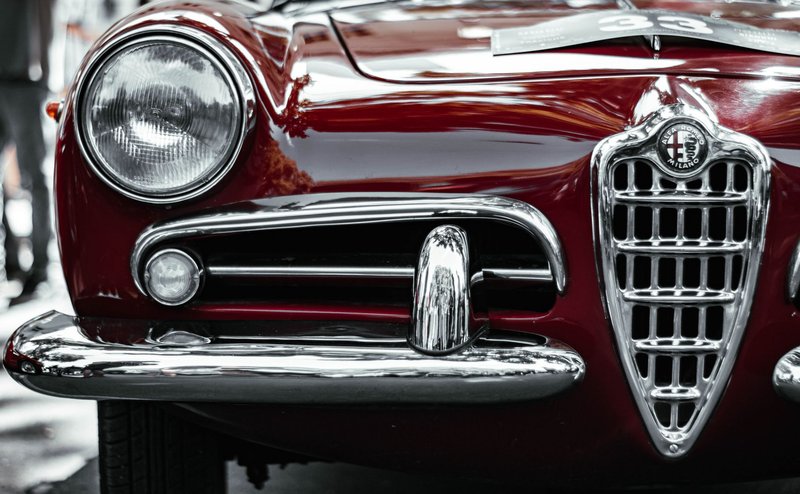
Alfa advertised the Giulia as the car shaped by the wind, and the figure backs it up: a drag coefficient of about 0.34, unusually low for a boxy four-door of 1962. The 1.6-litre twin-cam four, five-speed gearbox and quick steering made it the benchmark for small sports sedans.
Top speed was about 100 mph. More than half a million Giulia sedans were sold over sixteen years, so cars and parts exist, though rust is the problem. Good ones are worth the search.
15. Volvo Amazon 122S (1956 to 1970)
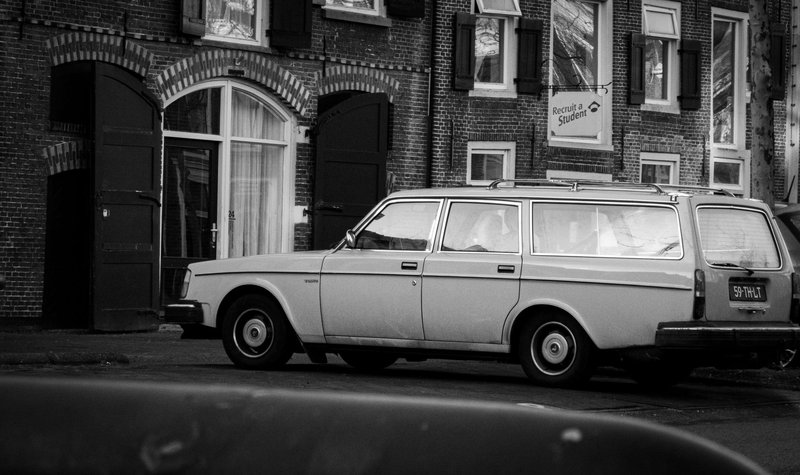
The Amazon earns its place for more than its looks: seat belts. In 1959 Volvo made Nils Bohlin’s three-point belt standard and gave the patent away. NHTSA’s seat belt data shows how much that one idea has done since.
The 122S, with the 1.8-litre B18 engine from 1961, is the one to find: tough, simple, and rally-proven. It was built in two- and four-door forms for fourteen years, and Volvo’s 140 series followed with crumple zones and dual-circuit brakes.
1960s sedans at a glance
| Car | Years | Region | Why it matters |
|---|---|---|---|
| Chevrolet Impala | 1961 to 1969 | US | Best-seller; over a million in 1965 |
| Ford Galaxie 500 | 1959 to 1969 | US | Quiet LTD trim; 427 V8 available |
| Rambler Classic | 1961 to 1966 | US | 1963 Motor Trend Car of the Year |
| Chevrolet Corvair | 1960 to 1969 | US | Rear-engine, air-cooled flat-six |
| Lincoln Continental | 1961 to 1969 | US luxury | Slab-sided design, rear-hinged doors |
| Cadillac Sixty Special / 62 | 1960 to 1969 | US luxury | Fins shrink as V8s grow |
| Imperial Crown | 1964 to 1966 | US luxury | Rare, by the Continental’s designer |
| Toyota Crown | 1962 to 1967 | Japan | First Toyota V8 (Crown Eight) |
| Toyota Corona | 1964 to 1970 | Japan | Toyota’s US breakthrough |
| Datsun Bluebird 510 | 1967 to 1973 | Japan | Independent rear, 96 hp, rally wins |
| BMW Neue Klasse | 1961 to 1972 | Europe | Saved BMW; set the sports sedan template |
| Jaguar S-Type | 1963 to 1968 | Europe | Mk 2 with independent rear |
| Mercedes-Benz 300 SEL 6.3 | 1968 to 1972 | Europe | 6.3 V8, 0 to 60 in about 6.5 seconds |
| Alfa Romeo Giulia | 1962 to 1978 | Europe | Cd 0.34, twin-cam four |
| Volvo Amazon 122S | 1956 to 1970 | Europe | Standard three-point belts from 1959 |
What to look for when buying one today
Rust first. Rocker panels, rear window surrounds, floors and trunk pans decide the price on every car here, and most of all on the Japanese and Italian ones. A shiny repaint over bad metal is the most common trap.
Check what the car lacks. Many 1960s sedans have drum brakes, slow manual steering or a two-speed automatic. Front disc brakes were an option on many American cars by mid-decade, and a brake or steering upgrade is a sensible first purchase. Federal emission rules started with the 1968 model year, as the EPA’s history of the Clean Air Act outlines, so 1968 and later engines often run leaner and feel different from earlier ones.
Trim and glass cost more than engines. Chrome, stainless trim, tail lamp lenses and rear glass for the Imperial, Continental and Jaguar are expensive and sometimes unobtainable. Parts for the Impala, Galaxie, Datsun 510 and Volvo Amazon are plentiful.
Buy on sold prices. Asking prices run well above what cars actually fetch. Check recent auction results, not listings.
Skip the heroic project. A complete, running car at a fair price beats a cheap one that needs everything. Sedans rarely make money as restorations.
Which 1960s sedan fits you
The best 1960s sedans cover every taste. For an easy classic you can fix in a driveway, take the Impala, Galaxie or Amazon. For luxury, a Continental or Cadillac Sixty Special. For a driver’s car, a Datsun 510, an Alfa Giulia or a BMW 2000. For the oddballs almost nobody else owns, the Imperial and the 300 SEL 6.3.
The sedan was never the hero of the decade. These fifteen did much of the work.

Marco Delantero
More from Marco DelanteroHow we reviewed this article
This article was researched against manufacturer records and editorially reviewed before publishing. We accept no payment for coverage. Some guides contain affiliate links; see our affiliate disclosure.