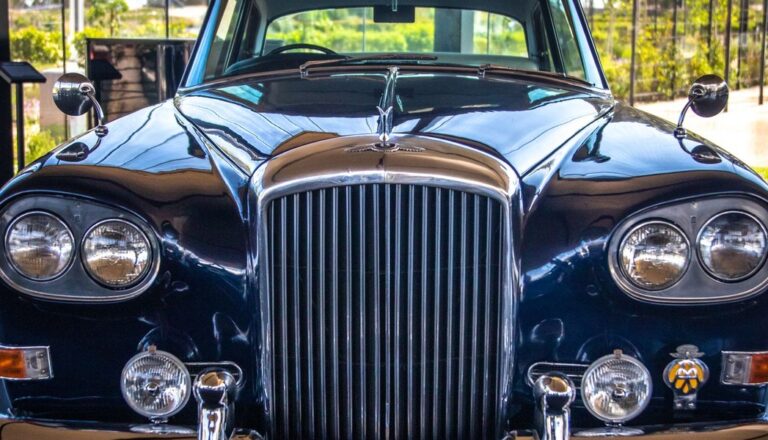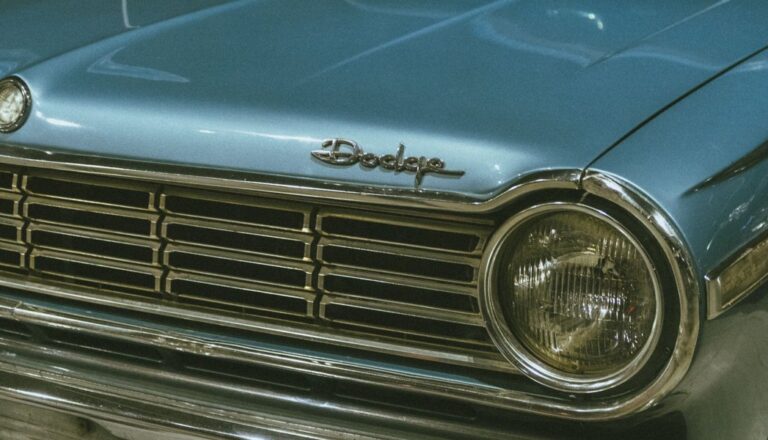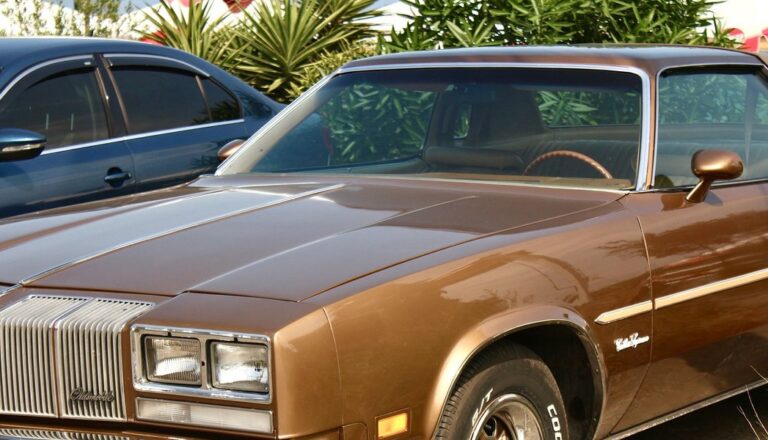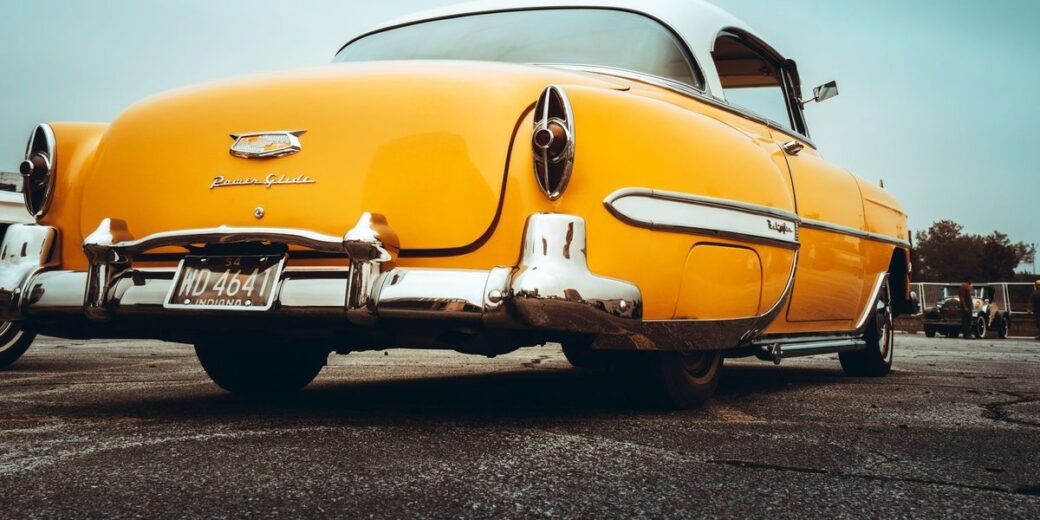
Chevrolet started the 1960s selling family sedans and ended it selling 396-cubic-inch muscle. The shift took ten years and one trigger: the Ford Mustang, which arrived in April 1964 and forced GM to build an answer. The lineup that came out of that decade covers almost every kind of American car, and most of it is collectable now.
This guide goes through every major model by segment, with launch years, engines, the numbers that matter and a realistic read on current values. Prices are rough ranges for decent, mostly correct cars. Concours-level and rare-option examples sit well above them.
Table of Contents
- The Decade in One Paragraph
- Quick-Reference Table
- Full-Size: Bel Air, Biscayne and Impala
- Compact: Corvair and Chevy II/Nova
- Intermediate: Chevelle and El Camino
- Pony Car: Camaro
- Sports Car: Corvette Sting Ray
- Early-Decade Styling vs. Late-Decade Muscle
- Buying Notes
- Summary
The Decade in One Paragraph
In 1960, Chevy’s identity was big, comfortable, V8-or-six family cars, with the Corvette as a small halo. Compacts arrived early (Corvair in 1960, Chevy II in 1962) to fight Ford’s Falcon. Then the performance race took over. The 409 appeared in 1961, the Sting Ray in 1963, the Chevelle in 1964, and the Camaro in 1967. By 1969 you could order a Camaro with a 427 through a dealer-network back door, and a Corvette with an all-aluminum engine that made it into only two cars.
Quick-Reference Table
| Model | Years in the 1960s | Notable engines | Why it matters | Typical value today |
|---|---|---|---|---|
| Bel Air | 1960-1964 (then a mid-level full-size) | 283, 327, 409 V8; 235 and 250 six | Mainstream full-size workhorse | $15,000-$40,000 |
| Biscayne | 1960-1969 | 283, 327, 396, 409; sixes | Cheapest full-size; sleeper basis for big-engine cars | $12,000-$35,000 |
| Impala | 1960-1969 | 283 to 427 V8 | Best-selling Chevy of the decade; the SS badge | $20,000-$100,000+ |
| Corvair | 1960-1969 | Rear-mounted air-cooled flat-six; turbo on Spyder | Only rear-engine American mass-market car | $10,000-$35,000 |
| Chevy II/Nova | 1962-1969 | Four and six; 283, 327, 396 V8 | Simple, light and cheap; became a muscle car | $15,000-$70,000 |
| Chevelle | 1964-1969 | 283 to 396 V8 | The intermediate that carried the SS 396 | $20,000-$90,000 |
| El Camino | 1964-1969 | Same as Chevelle | Car-based pickup | $20,000-$60,000 |
| Camaro | 1967-1969 | 230 and 250 six; 302, 327, 350, 396, 427 V8 | Chevy’s Mustang answer | $25,000-$100,000+ |
| Corvette | 1960-1969 | 283 to 427 V8 | C2 Sting Ray (1963-67) and C3 (1968) | $50,000 to well over $1,000,000 |
Full-Size: Bel Air, Biscayne and Impala
Chevy’s full-size cars were the volume business, and the three nameplates were a ladder: Biscayne at the bottom, Bel Air in the middle, Impala on top.
Impala
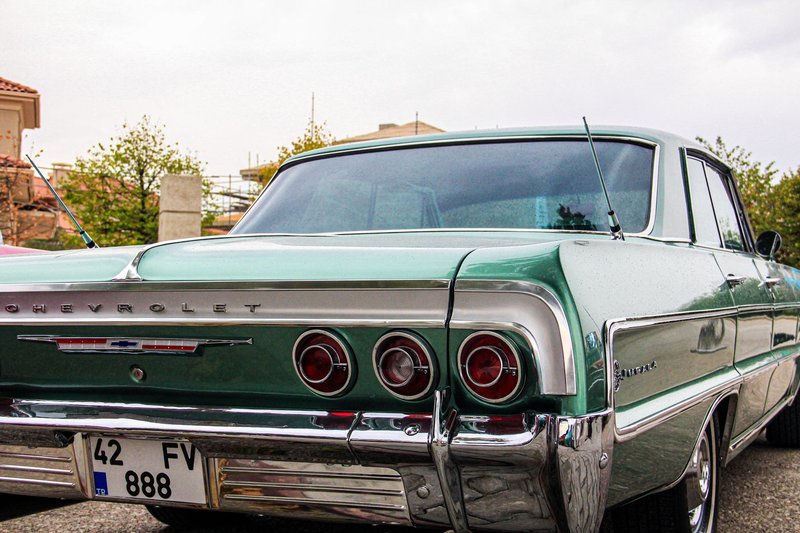
The Impala was the sales leader, and 1965 was the peak. Chevrolet built more than a million Impalas that year, a figure no other single American model line had reached. The 1961 Impala SS introduced the Super Sport badge and the 409 V8, the engine the Beach Boys sang about. Output went up to 409 horsepower in later versions, which is where the song title came from.
The 1963 Impala is the one most people picture: clean lines, a roofline sharper than the 1961-62 bubbletop, and a ladder of engines from a 230 six to the 409. By 1965 the body had curved glass and a flowing waist. The 1967 model grew more rounded, and the 396 and 427 were available in the big car through the decade. A 1961-65 Impala SS with a 409 sits at the top of the value range. A plain six-cylinder four-door sits at the bottom, and most cars are somewhere between.
Bel Air
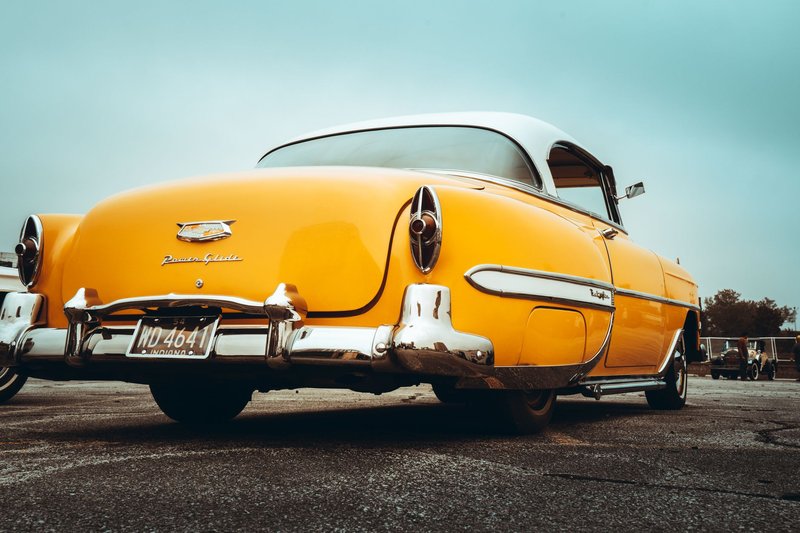
By 1960 the Bel Air was the middle trim, and the Impala had taken the top spot it held in 1958 when it started as a Bel Air sub-series. It remained a full-size family car through 1964 in that role. The easy find is a 283 or 327 V8 with a Powerglide, and values reflect that. The Bel Air is the car to buy if you want the look of a 1960s full-size Chevy and don’t care about the SS badge.
Biscayne
The Biscayne is the car the other two obscure. It was the stripped version: rubber mats, minimal chrome, bench seat. That’s the appeal. Plain Biscaynes with big engines were sleepers, and a few were ordered with a 409 for drag racing. It’s often the cheapest way into full-size Chevy ownership, and it’s the model that most listicles skip.
Compact: Corvair and Chevy II/Nova
Corvair
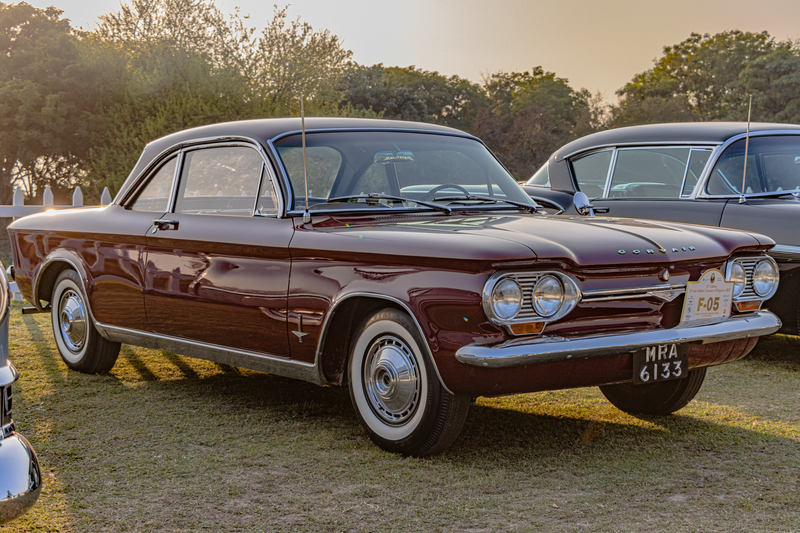
The Corvair was the odd one. It launched for the 1960 model year with a rear-mounted, air-cooled flat-six, a layout Detroit hadn’t tried at this scale. The 1962 Monza Spyder added a turbocharger, which made it one of the first turbocharged production cars anywhere. The 1965 redesign cleaned up the styling and the rear suspension, and critics at the time considered it among the best-looking American cars of the decade.
Then came Ralph Nader’s 1965 book Unsafe at Any Speed, which targeted the early Corvair’s swing-axle handling. Sales fell and production ended in 1969. A later NHTSA investigation concluded in 1972 that the 1960-63 Corvair was not unusually hazardous compared with other cars of its era. That didn’t revive the car, but it explains why enthusiasts treat the Corvair’s reputation as unfair. The 1965-69 cars are the ones to buy.
Chevy II / Nova
The Chevy II appeared for 1962 as a deliberately conventional alternative: front engine, rear drive, boxy body, four- or six-cylinder power. It was the dull answer to the Corvair’s weirdness, and it sold well. The Nova name started as the top trim and later replaced Chevy II on the whole line.
Performance came gradually. The Nova SS arrived in 1963 as a trim package, and V8s followed. By 1968 the redesigned Nova could be ordered with a 396, and in 1969 the SS 396 was a legitimate small-car muscle machine. That later Nova is the one that holds the high end of the value range. The early four-cylinder cars are cheap, and honest, but not much of a collectible.
Intermediate: Chevelle and El Camino
Chevelle
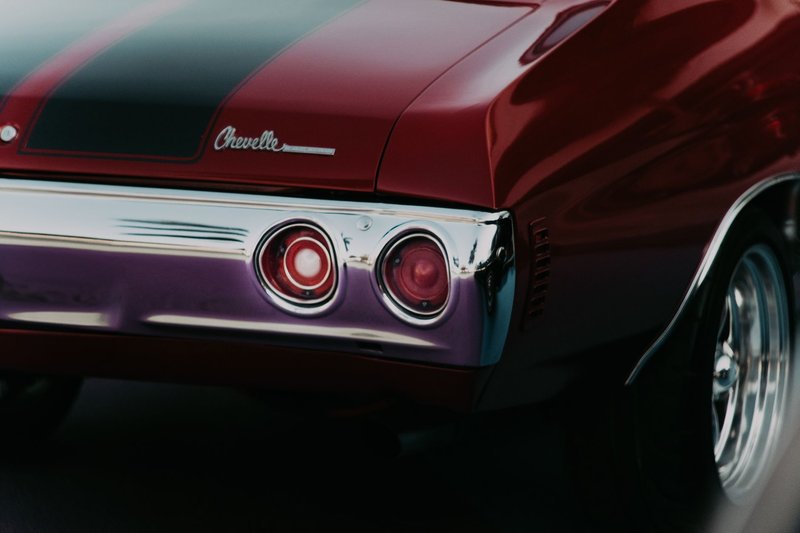
Chevrolet introduced the Chevelle for 1964 to fill the gap between the Chevy II and the full-size cars. It was a mid-size car, built on a new platform, sold as a sedan, coupe, convertible and wagon. For 1965 the Z16 option put a 375-horsepower 396 into a Malibu SS; only 201 were built. In 1966, the SS 396 became its own series with a 396 in every car, and the Chevelle was a full-time muscle car.
The 1966-67 Chevelle SS 396 is the one most buyers want for its looks. The 1968 redesign had a shorter wheelbase and more aggressive proportions, and the 1969 model was the last year before the 454 arrived. An SS 396 with matching numbers is a real car. Check that it’s real, because Chevelle clones are everywhere and a standard Malibu is easy to dress up.
El Camino
The El Camino was Chevy’s car-based pickup, a competitor to Ford’s Ranchero. The first generation ran in 1959 and 1960 (see the most iconic 1959 car models), then the nameplate went away. It came back for 1964 on the new Chevelle platform and stayed there. It shared the Chevelle’s engines and its SS 396 package in 1966 and later, which made it a pickup with muscle-car numbers. Any list that says the El Camino was a 1964 introduction has the year wrong; it was a return, and the original was five years earlier.
Pony Car: Camaro
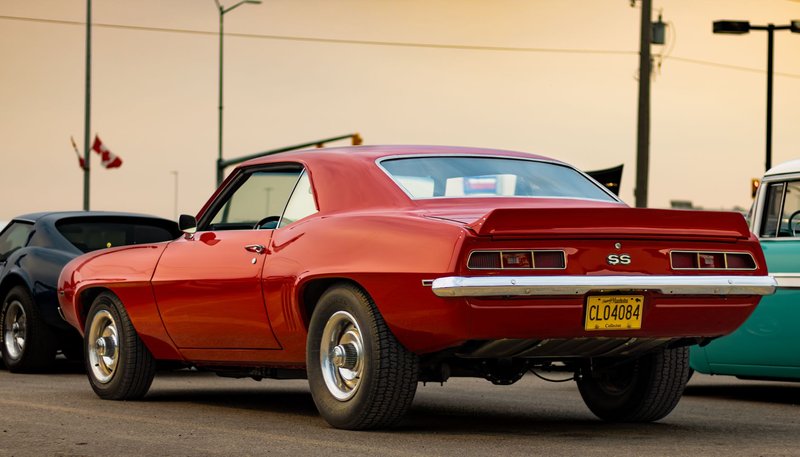
The Camaro went on sale for the 1967 model year, in September 1966, about 17 months after the Mustang. It was a unibody coupe or convertible with a front subframe, offered with sixes and V8s. The SS came with a 350 or 396. The Z/28 option, released in December 1966, paired a 302 V8 with a close-ratio four-speed and was built to qualify for Trans-Am racing. Only 602 Z/28s were built for 1967.
Chevrolet sold roughly 220,000 Camaros in the first year. In 1968, the Camaro kept the original shape with minor changes, like the side marker lights and different vent windows. In 1969, it got a more aggressive body, with the sheet metal flared around the wheels, and it sold about 243,000 units. Then there are the COPO cars: dealers like Yenko and Nickey ordered 427 Camaros through the Central Office Production Order system, and those are among the most valuable Camaros built.
The 1967 versus 1969 argument comes down to taste. The 1967 is lighter and cleaner, with the vent windows and the original proportions. The 1969 is more muscular, with the strongest engine offerings, and it’s the more common choice among collectors. Both are good cars.
Sports Car: Corvette Sting Ray
The 1963 Corvette Sting Ray was a full redesign: independent rear suspension, a hidden-headlight look, and the first Corvette coupe. Chevrolet built 21,513 of them. For the rest of that model year’s field, the complete list of 1963 car models covers every entry. The 1963 coupe has a split rear window, a design that lasted one year because drivers complained about rear visibility. It’s the most recognizable and most expensive of the mid-year cars. Honest examples trade in six figures.
The decade’s Corvette story is a story of engine size. A 327 was the standard V8 in 1963. Big-block power arrived with the 396 in 1965, and the 427 in 1966. The 1967 L88 427 was a barely street-legal race engine rated at 430 horsepower, and many sources say it made substantially more. The 1969 ZL1, an all-aluminum 427, went into just two Corvettes. Those cars sit well above anything else in this guide.
The Sting Ray ran through 1967. For 1968, the C3 generation took over with the “Coke bottle” shape that would last until 1982. The C3’s first years are cheaper than the Sting Ray cars, but they are real Corvettes with big-block options.
Early-Decade Styling vs. Late-Decade Muscle
Chevrolet’s early-1960s cars are defined by shape. The bubbletop Impala, the Corvair’s flat sides, the Bel Air’s thin roof, and the finned cars of 1960 were about appearance first. Engine options were broad, but the marketing was comfort.
By 1966 or 1967 the cars changed. The Chevelle SS 396, the Nova SS, the Camaro SS and Z/28, and the Corvette big-blocks pushed performance into the brochures. For a wider look at how quickly that shift showed up in acceleration, see The Fastest Cars of the 1960s, Ranked by 0-60. The coke-bottle styling of the late decade reflected the same idea. If you like chrome and style, buy early. If you want sound and torque, buy 1966 and later.
Buying Notes
- Verify the car. SS 396 Chevelles, Z/28 Camaros and 409 Impalas are the most commonly faked or cloned. Check the VIN, the cowl tag and the engine stamp pad.
- Check for rust. Rear quarters, floors and trunk pans on Chevelles and Camaros are the usual trouble spots. The Corvair’s heater and engine seals need attention too.
- Small-block cars are cheaper and easier. A 327 Chevelle or Nova is a cheaper drive and has far more parts available than a 396 car.
- Match the paperwork. Build sheets, Protect-O-Plates and original window stickers raise a car’s value.
- Budget realistically. The cheapest car is rarely the cheapest to own once you restore it.
Summary
Chevrolet’s 1960s lineup runs from the Biscayne’s plain bench seat to the ZL1 Corvette’s aluminum 427. For a daily-use classic, the Bel Air, Biscayne and early Nova are the affordable entries. For collector value, the Sting Ray, the SS 396 Chevelle, the Z/28 Camaro and the 409 Impala SS lead the list. The Corvair is the cheapest interesting car of the group, and the most unfairly judged. Whatever you buy, check the numbers first.

Marco Delantero
More from Marco DelanteroHow we reviewed this article
This article was researched against manufacturer records and editorially reviewed before publishing. We accept no payment for coverage. Some guides contain affiliate links; see our affiliate disclosure.