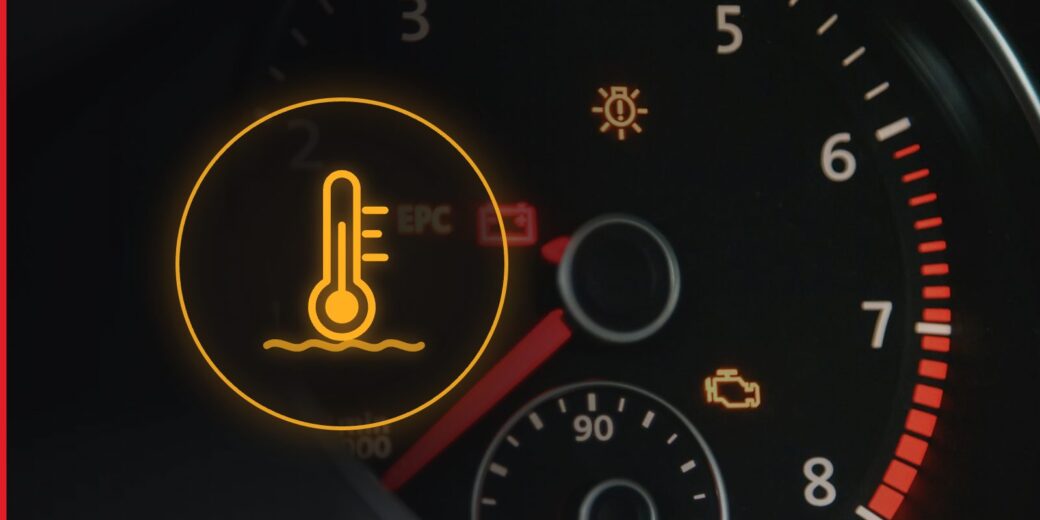
P0128 means the engine coolant is not reaching the temperature the thermostat should hold it at, so the engine runs too cool. A thermostat stuck open is the usual cause, with a faulty coolant temperature sensor next. It is safe to drive, but fuel economy drops and the heater may blow lukewarm air.
| Code | P0128 |
|---|---|
| Meaning | Coolant Thermostat (Coolant Temperature Below Thermostat Regulating Temperature) |
| Severity | Fix soon |
| Can I keep driving? | Yes. It is safe to drive, but fuel economy is lower and the heater may be weak. |
| Most common cause | Thermostat stuck open or opening too early |
| Difficulty | Moderate DIY |
What does P0128 mean?
After a cold start, the computer tracks coolant temperature from the coolant temperature sensor. It also estimates how long warm-up should take, using the starting coolant and intake air temperatures and how much air the engine has pulled through. If coolant has not reached a set temperature, a little below the thermostat’s opening point, by the time the estimate runs out, it sets P0128.
Most thermostats open somewhere between about 180 and 200 degrees F. A thermostat that stays open or opens early sends coolant through the radiator too soon and the engine never warms up fully. The code can also mean the sensor under-reports the temperature. Until the engine is warm the computer holds fuel enrichment, which is why economy drops. A related code, P0125, flags warm-up taking too long to enter closed loop fuel control.
P0128 symptoms
- The heater blows lukewarm air, especially in winter
- The temperature gauge stays low or climbs slowly
- Worse fuel economy
- A steady check engine light
- Weak defrosting in cold weather
What causes P0128?
- Thermostat stuck open or opening early: the most common cause by far. Thermostats wear out with age and cycles.
- Faulty coolant temperature sensor: a sensor that reads low makes the computer think the engine is cold when it is not.
- Low coolant or air in the system: an air pocket at the sensor gives readings that do not match the engine’s real temperature.
- Wrong or missing thermostat: a part with a lower rating or a thermostat removed during earlier repairs keeps the engine too cool.
- Cooling fan running constantly: a stuck relay or fan control fault pulls heat out of the radiator even when the engine is cold. This one is rare.
How to fix P0128
- Check the coolant level when the engine is cold: top it up with the type your car specifies. If it is low, find the leak.
- Look for sensor circuit codes: codes such as P0117 and P0118 point to the sensor circuit before the thermostat.
- Watch coolant temperature in live data: use a scanner that shows live data and see how to use an OBD2 scanner. On a drive, the reading should climb steadily and settle near the thermostat rating. A reading that stalls in the 160s or climbs very slowly points to the thermostat.
- Cross-check with an infrared thermometer: aim it at the thermostat housing. If the housing is hot while the scanner reads low, the sensor is at fault. If both are cold, the thermostat is stuck open.
- Check the fan: with a cold engine and the air conditioner off, the fan should not run.
- Replace the thermostat: use the temperature rating the carmaker specifies and a new gasket or seal. Some engines use a thermostat integrated into the housing, so you replace both.
- Bleed the air and recheck: refill the coolant, remove the air and drive through a full warm-up to confirm the reading holds.
Can you drive with a P0128 code?
Yes. It is safe to drive, but fuel economy suffers and the cabin heat may be weak. An engine that runs cool for months also dilutes the oil with fuel and wears faster, so do not leave it for long. Treat a temperature gauge that swings or climbs high as a different, more urgent fault.
Related codes
- P0125: Insufficient Coolant Temperature for Closed Loop Fuel Control
- P0117: Engine Coolant Temperature Sensor 1 Circuit Low
- P0118: Engine Coolant Temperature Sensor 1 Circuit High
FAQ
Will P0128 pass an emissions test?
No. An active check engine light fails most state tests. The warm-up monitors may also stay incomplete, so repair the cause and drive several full trips before you retest.
Can cold weather cause P0128?
Yes. Cold air makes a marginal thermostat fail the warm-up timing, so the code may appear only in winter. A healthy thermostat should still warm the engine on time, so the code points to a part near the end of its life.
Can I replace the thermostat myself?
Often yes. The part is cheap, and the labor depends on where it sits. On some engines it is on the front, easy to reach. On others it is hidden behind the intake manifold, which makes it a shop job.
Can I fit a cooler thermostat to be safe?
No. A lower rating keeps the engine under the temperature the computer expects and can set P0128 again. Use the rating the carmaker specifies.
Got more than one code? Enter them all in the OBD2 code lookup to see each meaning, severity and first check side by side. If you still need a reader, start with the best OBD2 scanners for beginners, then follow how to use an OBD2 scanner to pull freeze frame data before you clear anything.
Sources & References
- SAE J2012, diagnostic trouble code definitions: https://www.sae.org/standards/content/j2012_201612/
- California Air Resources Board, on-board diagnostics: https://ww2.arb.ca.gov/our-work/programs/obd-board-diagnostic-program
- EPA, vehicle emissions inspection and maintenance: https://www.epa.gov/state-and-local-transportation/vehicle-emissions-inspection-and-maintenance-im

James Kowalski
More from James KowalskiHow we reviewed this article
This article was researched against manufacturer records and editorially reviewed before publishing. We accept no payment for coverage. Some guides contain affiliate links; see our affiliate disclosure.