Rolls-Royce is the most expensive car brand, and it isn’t close. Its Boat Tail, a coachbuilt convertible of which three were made, was reported at about $28 million when it debuted in 2021. The next brand on this list, Bugatti, tops out around $18.7 million.
That ranking depends on how you measure “most expensive,” and most lists on this topic don’t say how they measured. They mix sticker prices, auction hammer prices and one-off commissions, then act surprised when a $28 million Rolls-Royce sits next to a $70 million Ferrari. Those are different kinds of number. This list separates them.
TLDR
- Most expensive brand by priciest new car: Rolls-Royce, Boat Tail, about $28 million (2021).
- Runner-up: Bugatti, La Voiture Noire, about $18.7 million (2019, one-off).
- Priciest cars of all, by sale price: a 1955 Mercedes-Benz 300 SLR Uhlenhaut Coupe (about $143 million, 2022) and a 1962 Ferrari 250 GTO (reported $70 million, 2018). Both are used cars, so they live in their own section below.
- Expensive brand is not expensive car. Bentley and Rolls-Royce sell cars you can order today for a fraction of their halo prices.
Contents
- How this ranking works
- The most expensive car brands at a glance
- The 13 most expensive car brands, ranked
- Most expensive cars ever sold at auction
- Expensive brands vs. expensive cars
- What these cars cost to own
- FAQ
How this ranking works
One rule: each brand is ranked by its most expensive new car, either a production model or a commissioned one-off or small series, that the maker sold directly. Auction results are excluded because they measure scarcity and provenance, not what a brand charges.
A few conditions apply.
- Prices are reported launch prices as of November 2026, before options, local taxes and dealer premiums. Manufacturers rarely publish prices for coachbuilt or limited cars, so many figures come from press reports of the first deliveries.
- Everything is in US dollars. Where the maker quoted euros or pounds, the original figure appears next to the conversion. Exchange rates move, so treat conversions as approximate.
- Track-only cars and concepts are excluded from the ranking.
- Brands, not parent groups. Lamborghini and Bentley are separate entries even though they share an owner with other names on this list.
The cutoff is 13 marques, which is where the list stops being “the world’s priciest” and becomes “a brand that has built one expensive car.”
The most expensive car brands at a glance
| # | Brand | Country | Founded | Priciest model | Price (USD) | Year | Units |
|---|---|---|---|---|---|---|---|
| 1 | Rolls-Royce | UK | 1906 | Boat Tail | ~$28M | 2021 | 3 |
| 2 | Bugatti | France | 1909 | La Voiture Noire | ~$18.7M (€11M) | 2019 | 1 |
| 3 | Pagani | Italy | 1992 | Huayra Codalunga | ~$7.4M | 2022 | 5 |
| 4 | Koenigsegg | Sweden | 1994 | CCXR Trevita | ~$4.8M | 2010 | 3 |
| 5 | Lamborghini | Italy | 1963 | Veneno Roadster | ~$4.5M | 2014 | 9 |
| 6 | Ferrari | Italy | 1947 | F80 | ~$3.9M (€3.6M) | 2024 | 799 |
| 7 | Aston Martin | UK | 1913 | Valkyrie | ~$3.2M | 2021 | 150 coupes |
| 8 | Gordon Murray Automotive | UK | 2017 | T.50 | ~$3.1M (£2.36M) | 2022 | 100 |
| 9 | Mercedes-Benz | Germany | 1926 | AMG One | ~$2.7M | 2022 | 275 |
| 10 | Rimac | Croatia | 2009 | Nevera | ~$2.4M | 2021 | 150 |
| 11 | McLaren | UK | 1963 | Speedtail | ~$2.25M (£1.75M) | 2020 | 106 |
| 12 | Hennessey | USA | 1991 | Venom F5 | ~$2.1M | 2021 | 30 coupes |
| 13 | Bentley | UK | 1919 | Bacalar | ~$2M | 2020 | 12 |
Year is the reveal or first-delivery year. Unit counts are the announced production run.
The 13 most expensive car brands, ranked
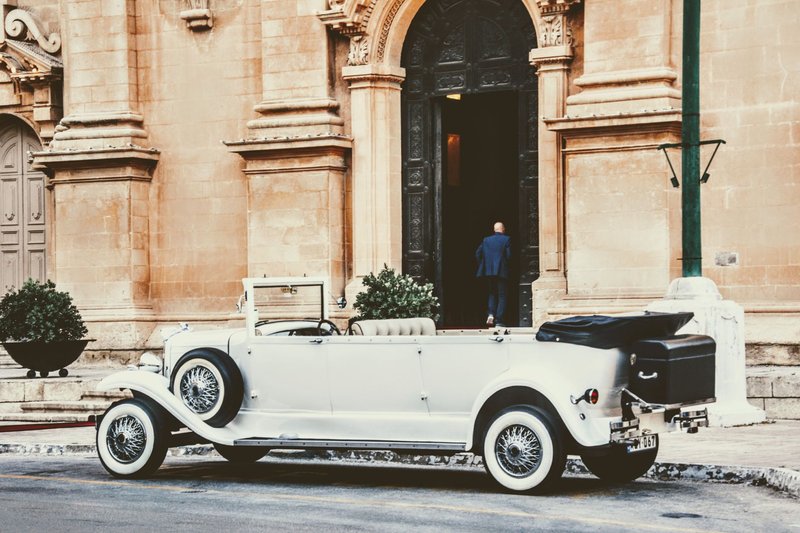
1. Rolls-Royce: Boat Tail (~$28 million)
The Boat Tail is a commission, not a model. Rolls-Royce’s Coachbuild division built three, each to one client’s brief, with a rear deck that opens like a flower into a fitted picnic set: champagne fridge, parasols, a hand-built hosting table. The first car was reported at roughly $28 million.
It costs that much because of what it is: a bespoke body on a bespoke architecture, built by hand over years for a handful of buyers. The price also covers a decision Rolls-Royce made that most brands won’t. It accepts that the project may never turn a profit and does it anyway for brand halo. The earlier Sweptail, a one-off from 2017, reportedly cost around $13 million.
2. Bugatti: La Voiture Noire (~$18.7 million)
La Voiture Noire is a single car, unveiled at Geneva in 2019 and priced at €11 million before tax. It’s a homage to the Type 57 SC Atlantic, with a 1,500 hp 8.0-litre quad-turbo W16 and six exhaust outlets across the tail. Bugatti never named the buyer.
Bugatti’s regular production cars are cheaper but still extreme. The Chiron Super Sport ran about $3.9 million. The price comes from the engineering required to make a roadgoing car do 300 mph, plus very few cars to spread development over.
3. Pagani: Huayra Codalunga (~$7.4 million)
Horacio Pagani’s long-tail Huayra, limited to five cars, is the most expensive Pagani. The coachwork stretches the rear by roughly 360 mm and drops the active aero for flowing bodywork, a nod to 1960s Le Mans cars. A 6.0-litre twin-turbo V12 from Mercedes-AMG sits in the middle.
Pagani’s pricing logic is craftsmanship. Carbon-titanium weave, exposed machined aluminium and gearshift linkages that look like jewellery take thousands of hours. The standard Utopia, at around $2.2 million for 99 cars, is the cheaper way in.
4. Koenigsegg: CCXR Trevita (~$4.8 million)
The Trevita’s name means “three whites” in Swedish. Its body uses a carbon fibre weave coated with diamond dust, which gives the surface a shimmer and takes far more time than ordinary carbon. Koenigsegg built only a tiny handful. The CCXR runs on E85 for around 1,000 hp.
Koenigsegg’s current road cars, such as the Jesko Absolut, sit around the $3 million mark, which makes the Trevita an outlier driven by one expensive material.
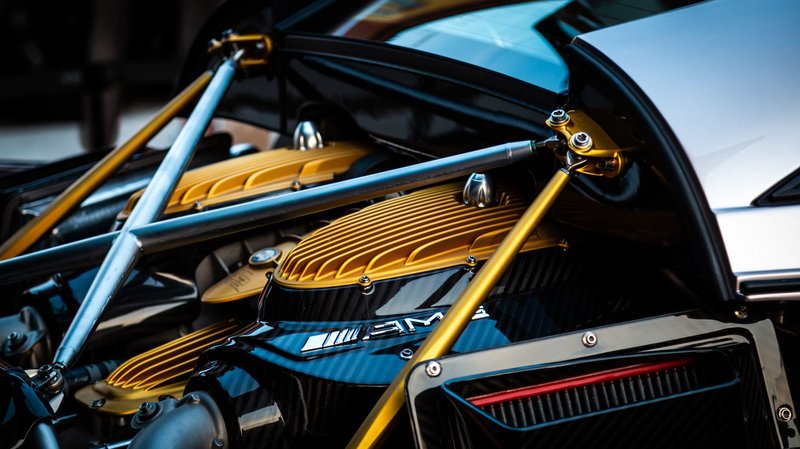
5. Lamborghini: Veneno Roadster (~$4.5 million)
The Veneno was built for Lamborghini’s 50th anniversary in 2013. Three coupes were built, followed by nine roadsters, each priced at roughly $4.5 million. The 6.5-litre V12 makes 750 hp, and the body was developed in a wind tunnel with Le Mans prototypes in mind.
Lamborghini’s showroom cars are far cheaper. A Revuelto starts around $600,000. The Veneno prices reflect an anniversary run of twelve cars total, and the buyers who wanted one of them.
6. Ferrari: F80 (~$3.9 million)
The F80, shown in 2024, is Ferrari’s flagship, with a 1,184 hp twin-turbo V6 hybrid and F1-derived aerodynamics. The €3.6 million price (about $3.9 million) is steep for a run of 799 cars, but the build count is large by this list’s standards.
Ferrari also builds one-off Special Projects cars for individual clients. These aren’t publicly priced, which is why they don’t appear in this ranking. A price that nobody states can’t be ranked honestly.
7. Aston Martin: Valkyrie (~$3.2 million)
Adrian Newey, the designer behind multiple Formula 1 championship cars, led the Valkyrie’s aerodynamics. The naturally aspirated 6.5-litre Cosworth V12 revs past 11,000 rpm and, with a hybrid assist, makes over 1,100 hp. Aston built 150 coupes, plus separate Spider and track-only AMR Pro variants.
The price stayed above the early £2.5 million estimate once options and taxes landed, and the car was sold out well before deliveries began.
8. Gordon Murray Automotive: T.50 (~$3.1 million)
The T.50 is Gordon Murray’s follow-up to the McLaren F1, and it shares an attitude with it: a central driving seat, a manual gearbox, light weight. A 3.9-litre Cosworth V12 revs to 12,100 rpm, and a rear fan helps ground effect. The price was £2.36 million before taxes, for 100 cars.
Gordon Murray’s logic is the opposite of most hypercar brands. The car makes less power than the competition, about 654 hp, and costs more because the engineering is aimed at weight and feel, not numbers.
9. Mercedes-Benz: AMG One (~$2.7 million)
The AMG One uses a Formula 1 hybrid powertrain: a 1.6-litre turbo V6 with electric assist, around 1,049 hp, in a road car. The development took years longer than planned, largely because F1 engines weren’t designed for stop-start traffic or emissions rules. Production is capped at 275 cars.
For a brand that sells hundreds of thousands of cars a year, this is the clearest example of expensive car, not expensive brand.
10. Rimac: Nevera (~$2.4 million)
Rimac, a Croatian electric specialist, builds the Nevera with four motors and about 1,914 hp. It also holds multiple acceleration records for production cars. A run of 150 units is planned. Rimac is closely tied to Bugatti through the Bugatti Rimac joint venture, but it sells its own car under its own name.
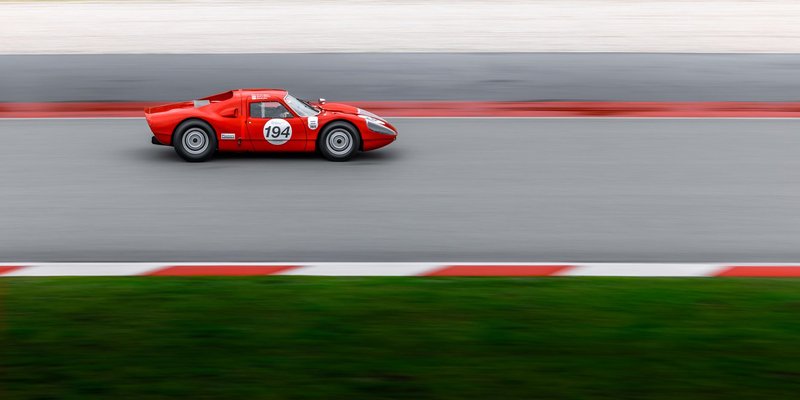
11. McLaren: Speedtail (~$2.25 million)
The Speedtail puts the driver in the middle of a three-seat cabin, the layout of the McLaren F1, and trims the car to a 250 mph top speed. Production was limited to 106, priced at £1.75 million before taxes. It was sold out before it was revealed, to clients from McLaren’s existing customer list.
12. Hennessey: Venom F5 (~$2.1 million)
Hennessey is a Texas tuner that became a car maker. The Venom F5 uses a 6.6-litre twin-turbo V8 with around 1,800 hp. Production is capped at 30 coupes, a number Hennessey set early and kept. It is the only American brand on this list.
13. Bentley: Bacalar (~$2 million)
The Bacalar is a barchetta, an open two-seater with no windscreen, built by Bentley’s Mulliner division on a Continental GT base and powered by the 6.0-litre W12. Only 12 were built, and all were sold before the car was shown publicly. The price is reported around $2 million.
Bentley’s regular range starts around a quarter of that price, so the Bacalar is Mulliner’s way of showing what a coachbuilder can do within a mainstream brand.
Most expensive cars ever sold at auction
This is a different list. Auction records reflect age, racing history and survival, not what a brand charges for a new car.
- 1955 Mercedes-Benz 300 SLR Uhlenhaut Coupe: sold for €135 million (about $143 million) in a private auction run by RM Sotheby’s in 2022. It’s the most expensive car ever sold. Only two were built, both used by the Mercedes engineer Rudolf Uhlenhaut.
- 1962 Ferrari 250 GTO: one example sold for $48.4 million at auction in 2018. Another was reported to have changed hands privately for about $70 million the same year. Only 36 were built.
Neither car appears in the ranking above because neither was sold new at those prices. That’s the confusion most “most expensive car in the world” articles don’t clear up. The brand that charges most for a new car is Rolls-Royce. The cars that have sold for the most money are old Mercedes and Ferrari racers.
Expensive brands vs. expensive cars
The ranking above measures a brand’s ceiling. Most customers never see it.
A brand is expensive if its normal range is expensive. Rolls-Royce and Bentley qualify: a Rolls-Royce Phantom starts well above $450,000, and a Bentley Continental GT sits around $250,000 and up. Ferrari’s regular range starts at roughly $250,000 and climbs fast with options.
A car is expensive because it is rare. Pagani, Koenigsegg and Rimac sell very few units, so their halo cars set the price. Mercedes-Benz and McLaren are at the other end: their priciest cars cost multiples of the rest of the range.
So the answer depends on the question. Priciest ceiling: Rolls-Royce. Priciest everyday range: also Rolls-Royce, with Bentley and Ferrari behind. Priciest production car you can buy in volume: close to nothing on this list, because volume and price don’t coexist.
What these cars cost to own
The purchase price is the start of it. Depreciation, maintenance, insurance and storage each take a share, and the line-by-line breakdown of ownership costs shows which fixes save the most.
- Depreciation. Limited hypercars with sold-out runs often hold or gain value. Regular luxury cars, such as the Phantom and the Continental, can lose a large share of their value in the first few years. This is the opposite of what the sticker price suggests.
- Maintenance. Parts and labour are priced for the car’s class. Veyron owners have reportedly paid around $20,000 for a routine oil change, because the service requires specialist tools and the car’s wheels have to come off.
- Insurance. Policies for cars like these are typically agreed-value policies with garage, mileage and storage conditions. Owners usually need specialist insurers.
- Storage and transport. Many owners keep these cars in climate-controlled storage and move them by enclosed trailer.
FAQ
What is the most expensive car brand in the world? Rolls-Royce, based on the Boat Tail, which was reported at about $28 million. Bugatti is second with La Voiture Noire at about $18.7 million.
What is the most expensive car in the world? It depends on the measure. The most expensive new car is the Rolls-Royce Boat Tail. The most expensive car ever sold is the 1955 Mercedes-Benz 300 SLR Uhlenhaut Coupe, at about $143 million.
What is the most expensive hypercar brand? Bugatti and Pagani lead among pure hypercar makers: La Voiture Noire at about $18.7 million and the Huayra Codalunga at about $7.4 million.
Why are these cars so expensive? Small production runs, hand-built bodies, carbon-fibre structures and engines developed for a few hundred cars, not hundreds of thousands. The cost of development is spread across very few buyers.
Is a Ferrari more expensive than a Rolls-Royce? Not at the top end. Ferrari’s priciest new car, the F80, is about $3.9 million, compared with about $28 million for the Boat Tail. For everyday range, Rolls-Royce is also more expensive.
Are these prices current? They are launch or reported prices as of November 2026, before options and taxes. Resale prices for sold-out limited cars are often higher.

Marco Delantero
More from Marco DelanteroHow we reviewed this article
This article was researched against manufacturer records and editorially reviewed before publishing. We accept no payment for coverage. Some guides contain affiliate links; see our affiliate disclosure.