Table of Contents
- TLDR
- 1990: the year the boxy decade ended
- Sports and performance cars
- Sedans and luxury cars
- Economy cars
- Trucks and SUVs
- Forgotten and obscure cars of 1990
- Quick reference: cars made in 1990 at a glance
- What 1990 cars cost today
TLDR
- Best one to own today: the Mazda MX-5 Miata. Cheap to run, easy to fix, and still sold in spirit by the current car.
- Best one to dream about: the Honda NSX. An aluminum mid-engine supercar that a normal person could drive to the shops.
- Best performance bargain: the Ford Taurus SHO. A Yamaha-built V6 in a car that looks like a rental.
- Most important car on the list: the Honda Accord, America’s best-selling car in 1990.
- Best oddity: the Chrysler TC by Maserati, or the Cadillac Allanté if you prefer your oddities flown across the Atlantic.
1990: the year the boxy decade ended
The cars made in 1990 sit at a hinge. The 1980s left behind a pile of slab-sided sedans and carbureted leftovers, and 1990 is when Japan walked in and rewrote the performance-car rulebook. The Honda NSX, the Mazda Miata and the Nissan 300ZX Twin Turbo all landed within about 18 months of each other, and each one embarrassed a European or American rival on price, reliability or both.
It was also the year Citroën built the last 2CV. The car that had been in production since 1948 rolled off the line in Portugal on July 27, 1990, still powered by a tiny air-cooled flat-twin. Meanwhile Detroit was figuring out airbags, plastic body panels and front-wheel-drive minivans, and some of those ideas aged better than others.
A note on dates: “made in 1990” is fuzzy in the car trade. This list covers cars that launched, went on sale or hit their stride in 1990. A few, like the NSX, Explorer and Saturn SL, carry 1991 model-year badges because the industry sells next year’s model in the autumn. Prices are approximate launch figures in local currency. Specs are for the 1990 version.
There are 25 cars below, grouped by what they were built to do.
Sports and performance cars
Honda NSX
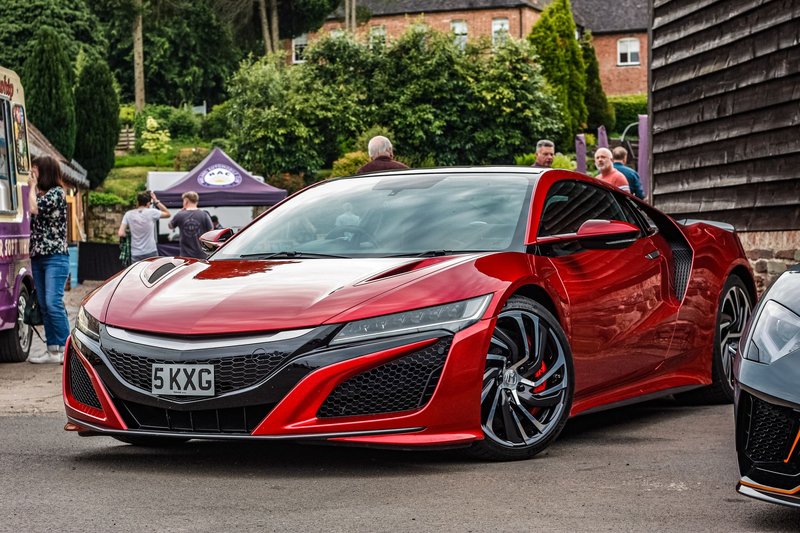
Specs: 3.0L V6, 270 hp (US) | Original price: about $60,000
The NSX was the first mass-produced car with an all-aluminum body, and its VTEC V6 sat behind the driver where Ferrari kept its engines. Ayrton Senna gave feedback on the chassis. The result was a supercar with good visibility, a clutch you could use in traffic and an air conditioner that worked. Ferrari spent the next decade quietly improving the 348’s manners in response. It reached Japan in September 1990, with US cars following as Acuras. The decade that followed brought more contenders, listed in 12 Best 1990s Japanese Sports Cars (and What They Cost Now).
Mazda MX-5 Miata
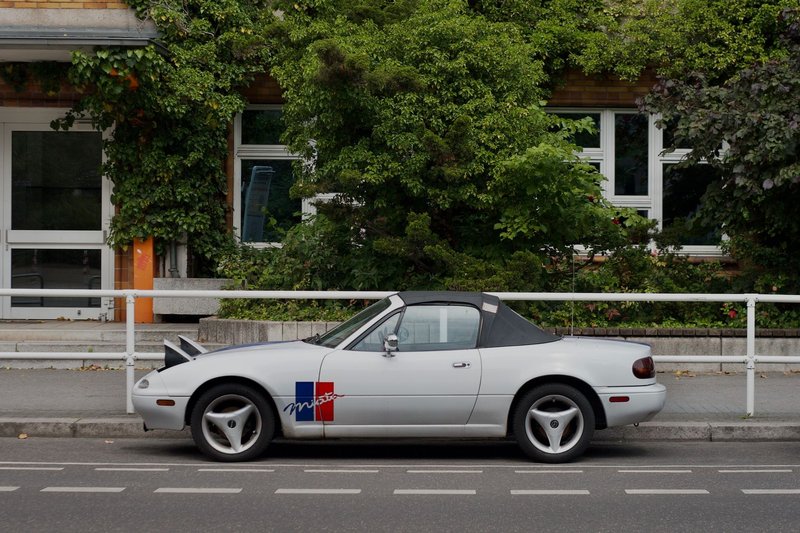
Specs: 1.6L four-cylinder, 116 hp | Original price: about $13,800
Mazda looked at the dead British roadster, took what made it fun and removed what made it leak. The Miata weighed about 2,100 pounds, used a five-speed manual with a short throw you could shift with two fingers, and cost less than a loaded Camry. It went on to become the best-selling two-seat sports car ever made. If you’ve never driven one, pop the top in a first-generation car and you’ll understand within a block.
Nissan 300ZX Twin Turbo
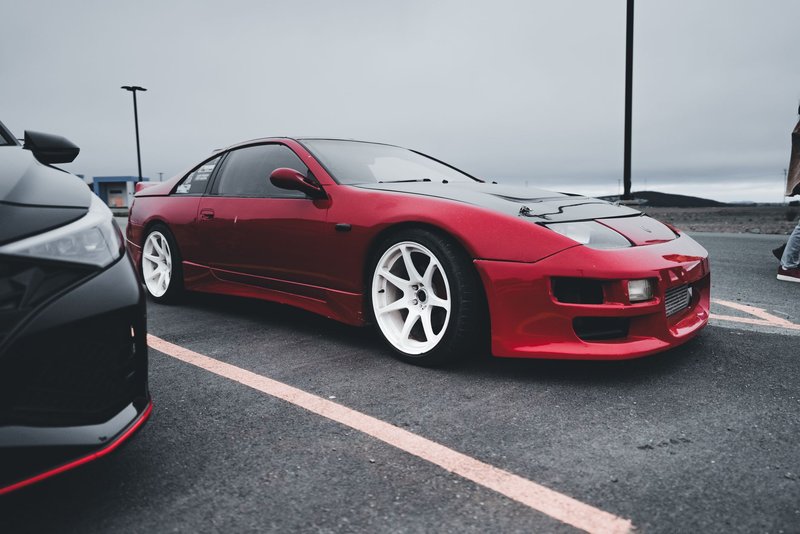
Specs: 3.0L twin-turbo V6, 300 hp | Original price: roughly $35,000
The Z32 looked like a spaceship with its low nose and wraparound taillights, and it had the numbers to back it up. Four-wheel steering was optional, and 0-60 mph took under six seconds. It was Japan’s high-water mark of bubble-era excess. Nissan’s own Skyline GT-R was waiting in the wings, but Americans never got that one, so the Twin Turbo was the closest thing. Check the T-tops for leaks and the engine bay for crumbling vacuum lines.
Chevrolet Corvette ZR-1
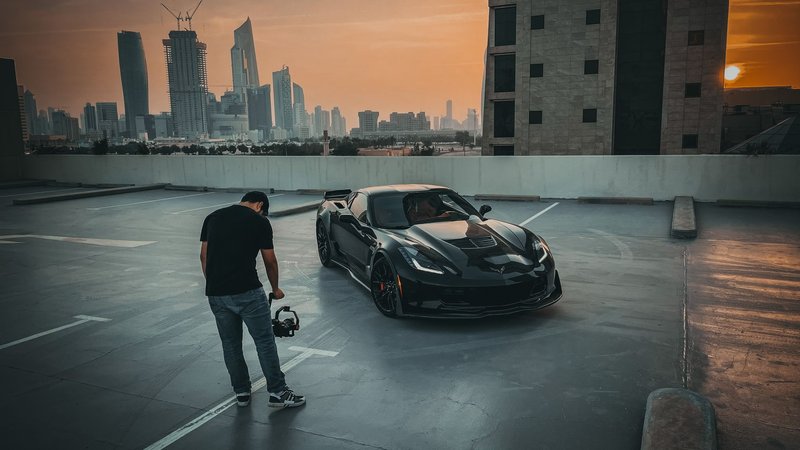
Specs: 5.7L DOHC V8, 375 hp | Original price: $58,995
Chevrolet went to Lotus for a new engine and had Mercury Marine build it in Oklahoma. The LT5 had 32 valves and four camshafts, which made the ZR-1 the first Corvette to chase Europe on its own terms. The ZR-1 cost about $27,000 more than a base Corvette, which is why Chevy sold relatively few of them. The top speed topped 170 mph, and the engine’s sound under hard acceleration is still one of the better V8 noises of the era.
Lotus Carlton
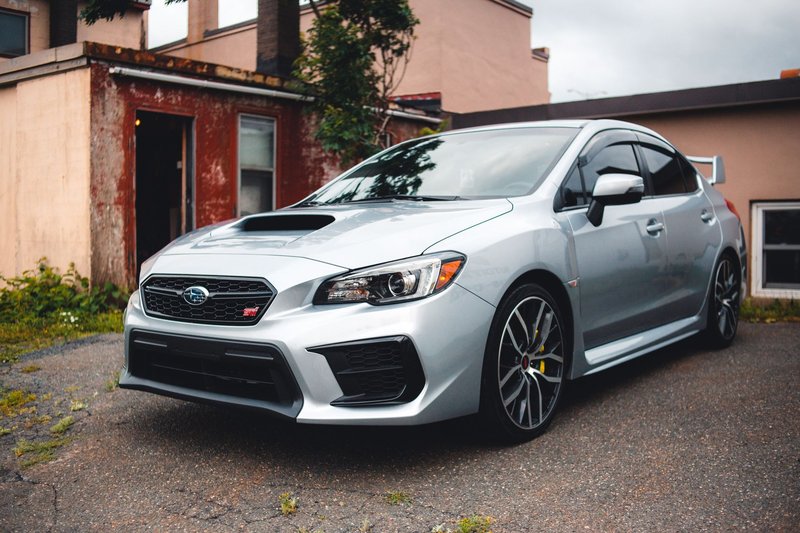
Specs: 3.6L twin-turbo inline-six, 377 hp | Original price: about £48,000
It was a Vauxhall Carlton (Opel Omega in Europe) with a Lotus-tuned engine and a top speed near 176 mph. In 1990, that made it the fastest four-door on earth, and the British press worked itself into a lather over whether it was irresponsible. Only about 950 were built, which is why prices are now far above what a rebodied family sedan has any right to. It remains the original sleeper.
Lamborghini Diablo
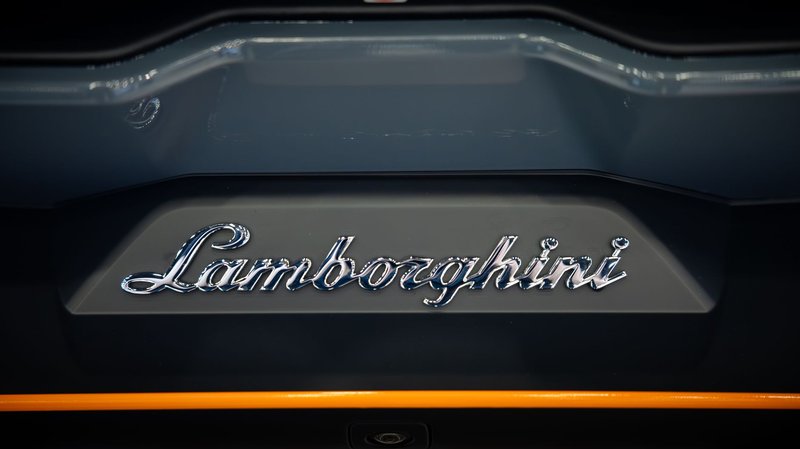
Specs: 5.7L V12, 485 hp | Original price: about $240,000
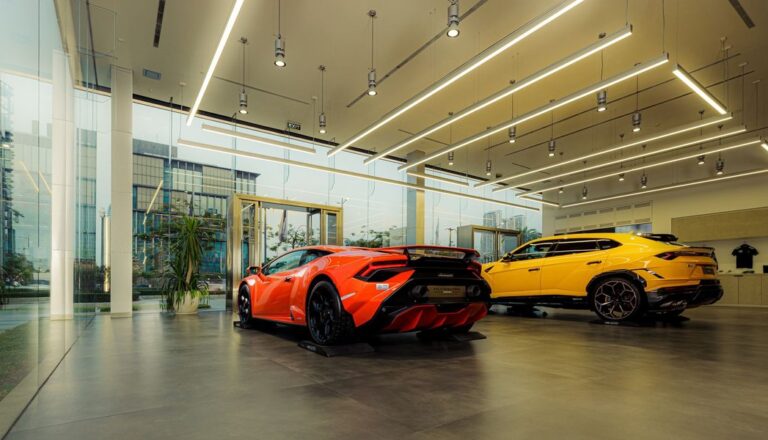
The Diablo replaced the Countach in January 1990 and became the first Lamborghini to claim 200 mph. It was rear-wheel drive, wide, hard to see out of and hell to park. The Countach was a wedge poster; the Diablo was the same poster in a smoother wrapper, drawn with more help from Chrysler’s money. If you wanted a bedroom wall car in 1990, this was the one that actually shipped.
Ford Mustang 5.0 LX
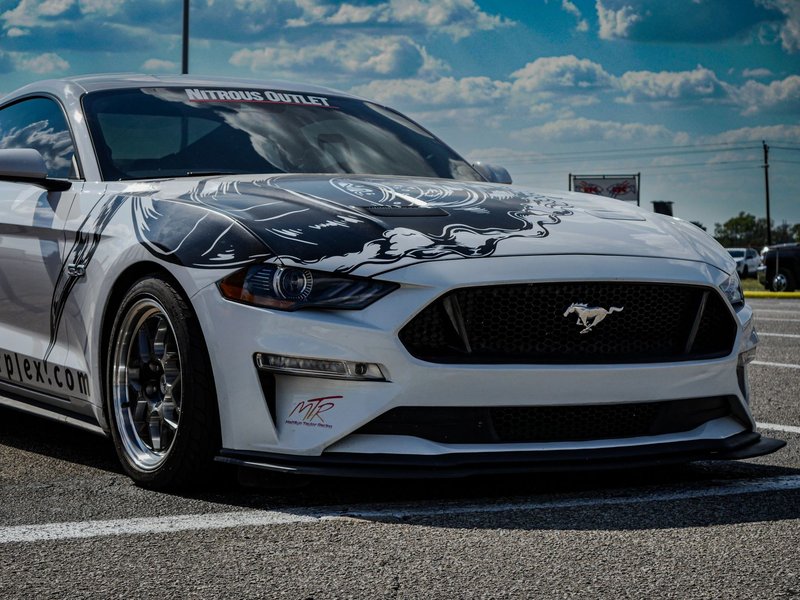
Specs: 5.0L V8, 225 hp | Original price: about $11,500
The Fox-body LX was a lightweight coupe with a V8 and nothing else, and it cost the same as a well-equipped economy sedan. The whole formula was one engine, one rear axle and a lot of tire smoke. A driver’s airbag became standard in 1990, which is a rare example of safety and speed arriving in the same model year. Teenagers loved it, insurance companies did not, and the aftermarket never stopped selling bolt-on parts for it.
Ford Taurus SHO
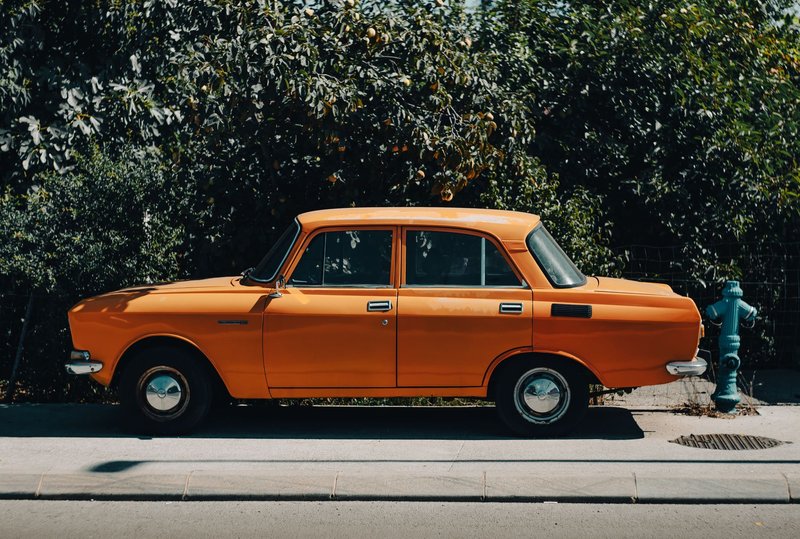
Specs: 3.0L DOHC V6 (Yamaha), 220 hp | Original price: about $24,000
On paper, a Taurus. Under the hood, a Yamaha-engineered 24-valve V6 that revved to 7,000 rpm, and the only transmission was a five-speed manual. Ford made no attempt to shout about it, which is the charm. The SHO is the car for the person who wants their neighbor’s minivan to lose a stoplight drag and not mention it afterward. Look for service records on the engine, because the Yamaha parts aren’t cheap.
Mitsubishi Eclipse GSX
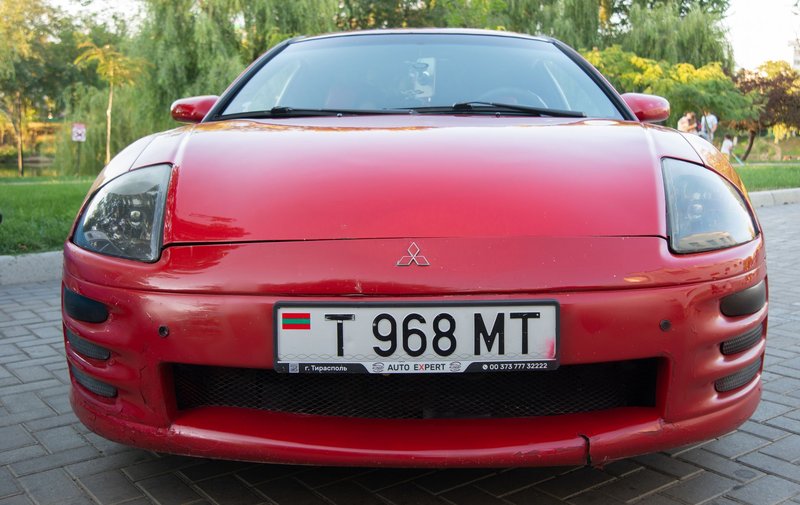
Specs: 2.0L turbo four, 190 hp, all-wheel drive | Original price: about $17,000
Built in Normal, Illinois by Diamond-Star Motors and sold as the Eagle Talon and Plymouth Laser as well, the Eclipse gave sport-compact buyers a turbo and all-wheel drive for under $20,000. Nothing else in that price range could launch off the line in the rain. The early 4G63 engines have a reputation for crankshaft problems, so budget for that, or look for one that’s been rebuilt. It’s also a car that was cut up by tuners, so unmodified examples are rare now.
Sedans and luxury cars
Honda Accord
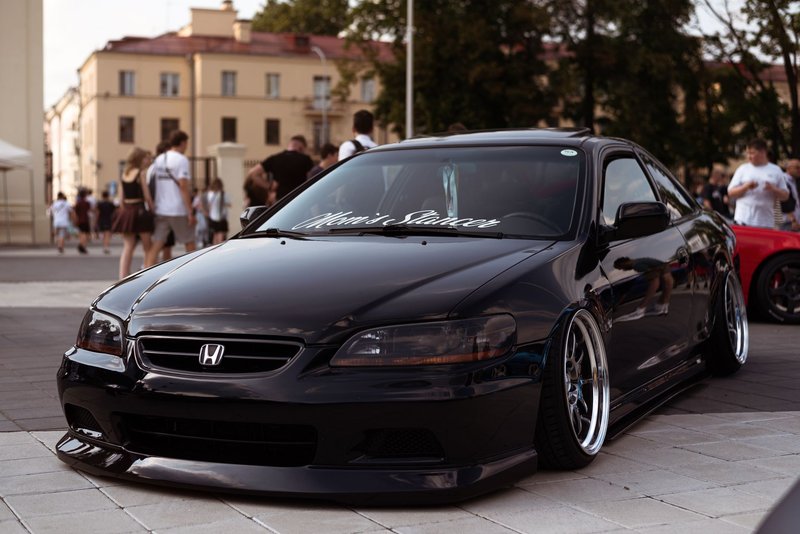
Specs: 2.2L four-cylinder, 125 hp | Original price: about $14,000
The fourth-generation Accord was America’s best-selling car in 1990, and it earned the title honestly: tight panel gaps, an engine that didn’t care how it was treated and a driving position that suited most people. It was built in Marysville, Ohio, which made it as American as most Detroit cars of the same year. The Accord is the car that taught a generation of buyers that a Japanese sedan was the safe choice, and that reputation hasn’t gone away.
Toyota Camry
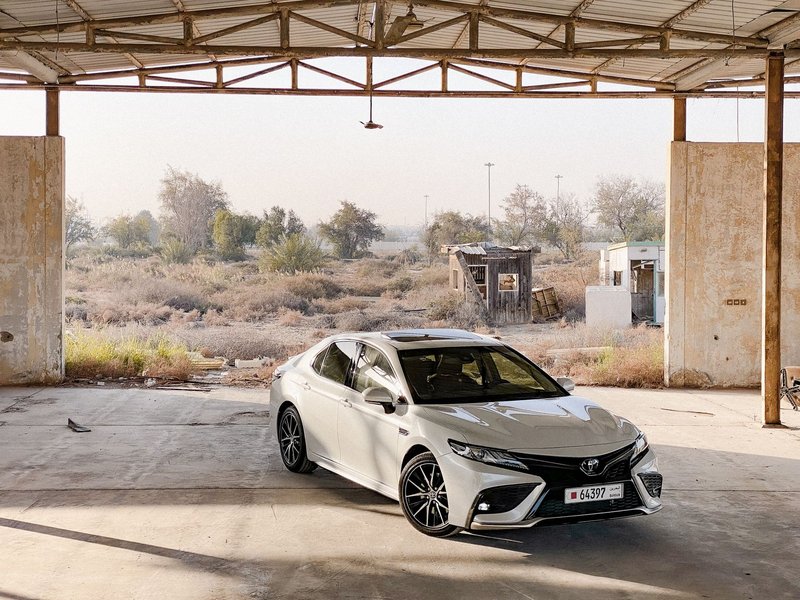
Specs: 2.0L four (115 hp) or 2.5L V6 (156 hp) | Original price: about $13,000
The 1990 Camry is the car that every used-car guide quietly recommends. It was assembled in Georgetown, Kentucky, offered a V6 for the first time on a mainstream Toyota and rarely needed anything beyond oil changes. Nobody has ever fallen in love with one, and nobody has been stranded by one either. It’s the flavor of vanilla that people buy again.
Lexus LS 400
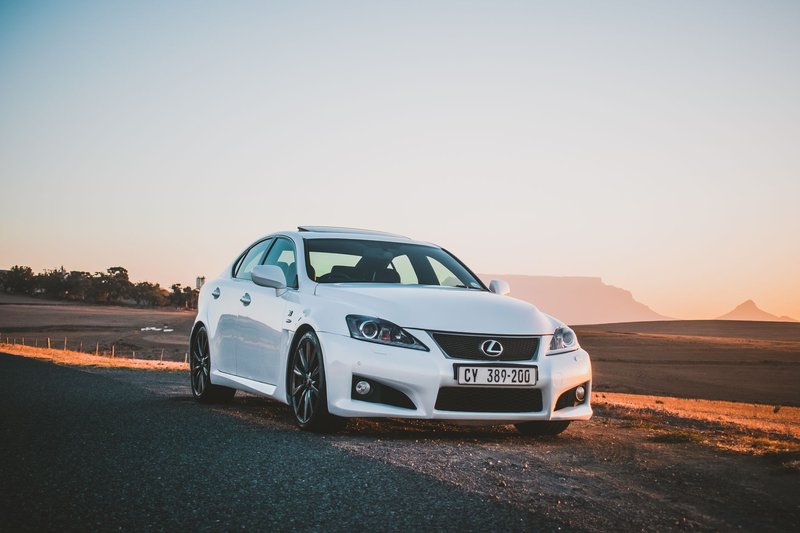
Specs: 4.0L V8, 250 hp | Original price: about $36,000
Lexus launched in late 1989 with the LS 400, and 1990 was its first full year. A V8 so smooth that Toyota’s ad stacked champagne glasses on the hood with the engine running, and a price roughly $20,000 below a comparable Mercedes S-Class. German makers noticed. When Toyota found a fault early on, it recalled every car and sent technicians to owners’ homes, which set the standard for luxury service. The LS 400 is the car that made “Japanese luxury” a real category.
Chevrolet Caprice
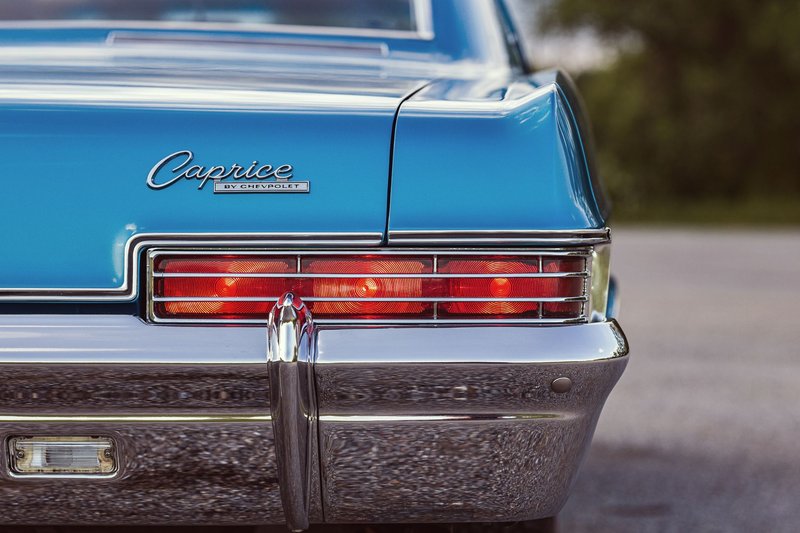
Specs: 5.0L V8, 170 hp | Original price: about $17,000
The redesigned Caprice debuted in the fall of 1990 as a 1991 model, and its rounded body drew more laughs than praise. It was big, heavy and quiet, and that was the point. Police departments and taxi fleets bought it for years, and it picked up a V8 with real power in later years. The 1991 version is the soft, unthreatening American sedan at its most honest, with a back seat you could sleep in.
Economy cars
Renault Clio
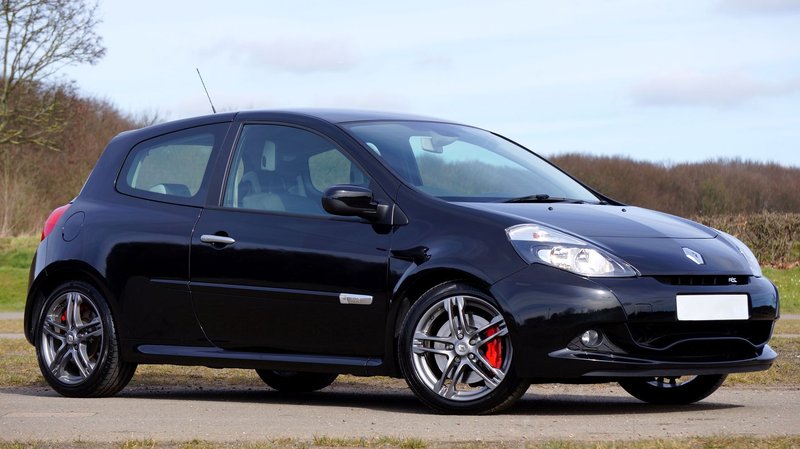
Specs: 1.2L or 1.4L petrol, roughly 55-80 hp | Original price: about £6,000 (UK, 1991)
The Clio replaced the Renault 5 in 1990 and won European Car of the Year for 1991. It was the first Renault supermini to feel like a proper small car and not a cheap one. The cabin was bright, the ride was soft and the badge carried a little French charm. UK sales began a year after the continental launch, which is why you will see 1991 on many British price lists.
Saturn SL
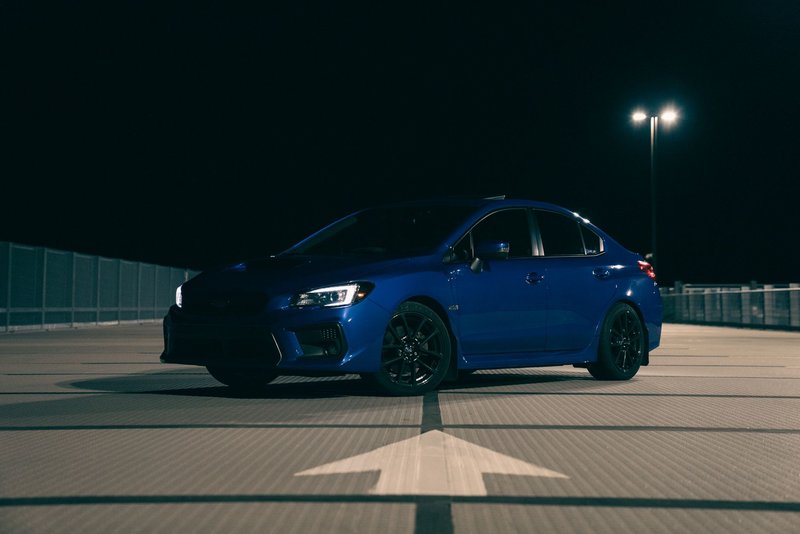
Specs: 1.9L four-cylinder, 85 hp (SL), 124 hp (SL2) | Original price: from about $9,000
GM built an entirely new company in Spring Hill, Tennessee, with plastic body panels that resisted dents, and a fixed-price policy so nobody had to haggle. The Saturn SL was fine to drive and loud under hard acceleration, but customers loved the dealer experience enough to hold owner reunions. It’s remembered for what it tried to do, which was to treat buyers like humans.
Geo Metro
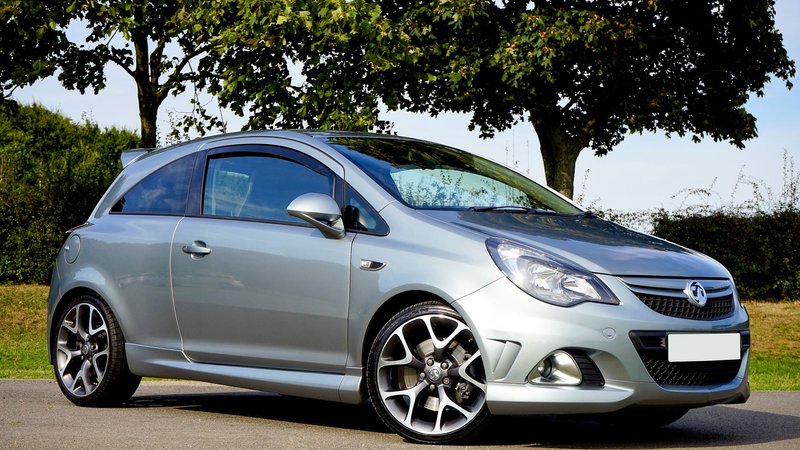
Specs: 1.0L three-cylinder, 55 hp | Original price: about $6,500
A Suzuki Cultus in a Chevrolet dealership, the Metro was cheap, tiny and slow. Its main talent was fuel economy: the XFi version has among the best figures for any gasoline-only car in the EPA’s fueleconomy.gov database, which lets you pull up 1990 models and compare them with today’s cars. The three-cylinder engine sounds like a sewing machine. Hypermilers still buy them.
Citroën 2CV
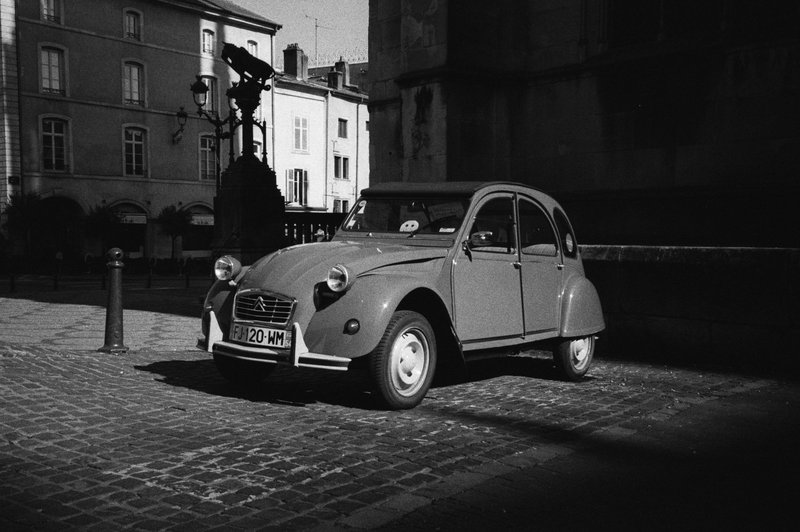
Specs: 0.6L air-cooled flat-twin, 29 hp | Original price: entry-level
The last one was built in Mangualde, Portugal, on July 27, 1990, after about 3.8 million 2CVs. It was designed to carry a farmer, a basket of eggs and a pair of boots across a plowed field without breaking anything. Top speed was about 70 mph, and the suspension was soft enough to make it lean like a sailboat. Its replacement, in spirit, was the Citroën AX, but nothing replaced the personality.
Trucks and SUVs
Ford Explorer
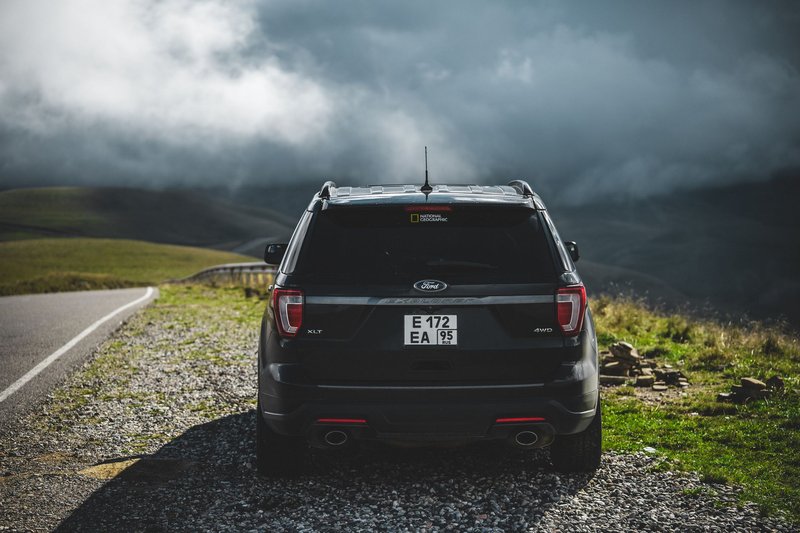
Specs: 4.0L V6, 155 hp | Original price: from about $15,500
The Explorer arrived in March 1990 as a 1991 model and replaced the Bronco II. The four-door body made it a family wagon with ground clearance, and it started the SUV boom. Suburban garages soon filled with them. Within a few years, the Explorer was America’s best-selling SUV, and the minivan lost ground. It’s an important car even if it isn’t a lovely one.
Ford F-150
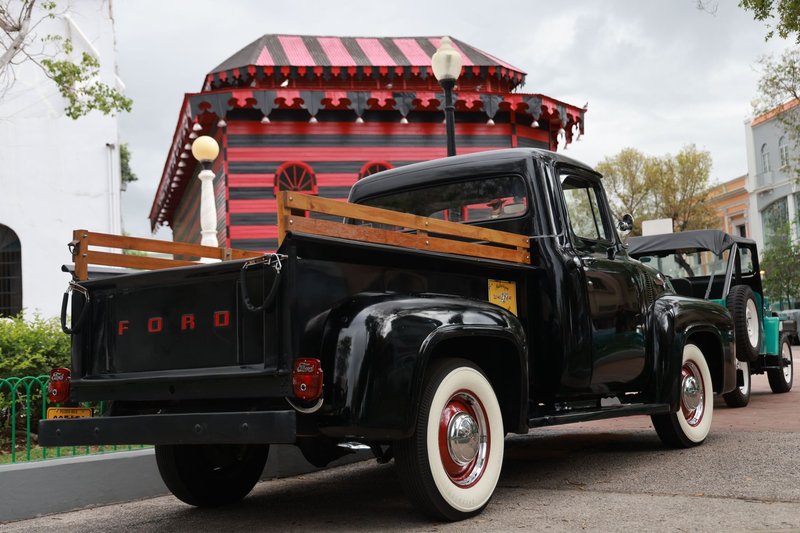
Specs: 4.9L inline-six standard; 5.0L and 5.8L V8 optional | Original price: about $10,500
The F-Series has been America’s best-selling pickup every year since 1977, and 1990 was another one. The slab-sided F-150 of this era wasn’t pretty, but it was easy to work on, and the inline-six is still one of the most durable truck engines Ford ever built. Buy one today and you’ll find that it needs an alternator and little else.
Land Rover Defender
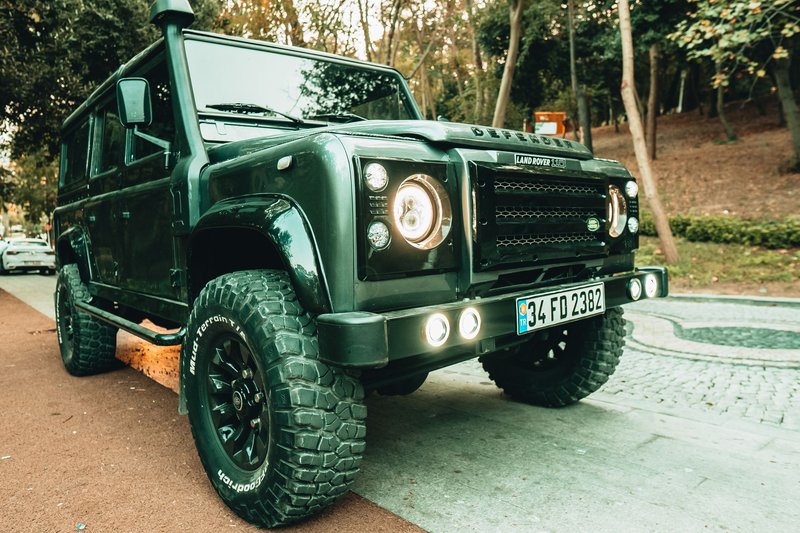
Specs: 2.5L turbo-diesel four, about 110 hp | Original price: about £13,000
In 1990, Land Rover renamed its 90 and 110 models “Defender” to separate them from the new Discovery, and fitted the 200Tdi diesel. The aluminum body panels don’t rust, but the steel frame and bulkhead can. It was built the way a farm tool is built, with flat glass, an upright windshield and almost no concession to comfort. The Defender of this era is the one people mean when they say “classic Land Rover.”
Forgotten and obscure cars of 1990
Yugo GV
Specs: 1.1L four-cylinder, about 55 hp | Original price: about $4,500
Built in Kragujevac, Yugoslavia, the GV was the cheapest new car in America. It was also a late-1970s Fiat design in a decade that wanted something better. Quality control was unpredictable, and the jokes wrote themselves. The company filed for bankruptcy in 1992, and Yugoslavia’s wars ended the supply chain. Surviving cars are now a conversation piece, and some owners drive them with real affection.
Chrysler TC by Maserati
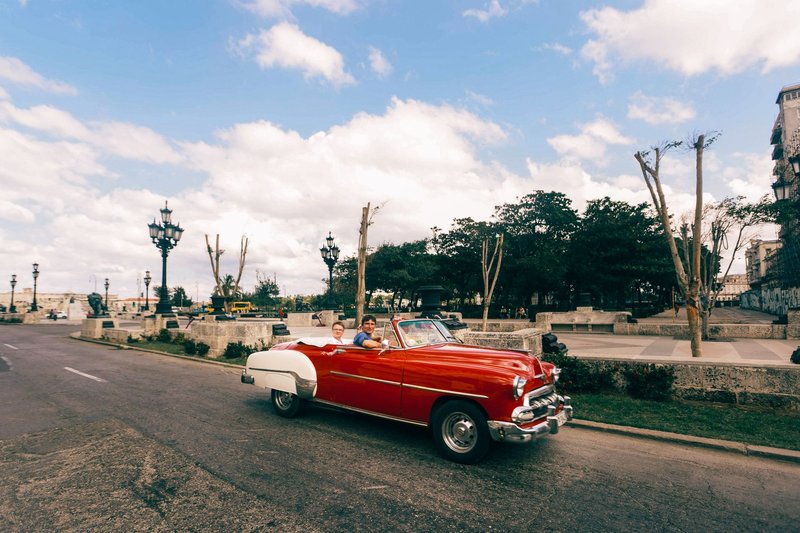
Specs: 2.2L turbo four, 160 hp (16-valve version, 200 hp) | Original price: about $33,000
Lee Iacocca and Alejandro de Tomaso were friends, and this was the result: a Chrysler K-car platform dressed up with a Maserati badge, a leather interior and a hand-built body from Milan. About 7,300 were made across three years. Critics sneered at the price, and buyers mostly agreed. It was an expensive, odd, rather charming idea that nobody asked for.
Chevrolet Lumina APV
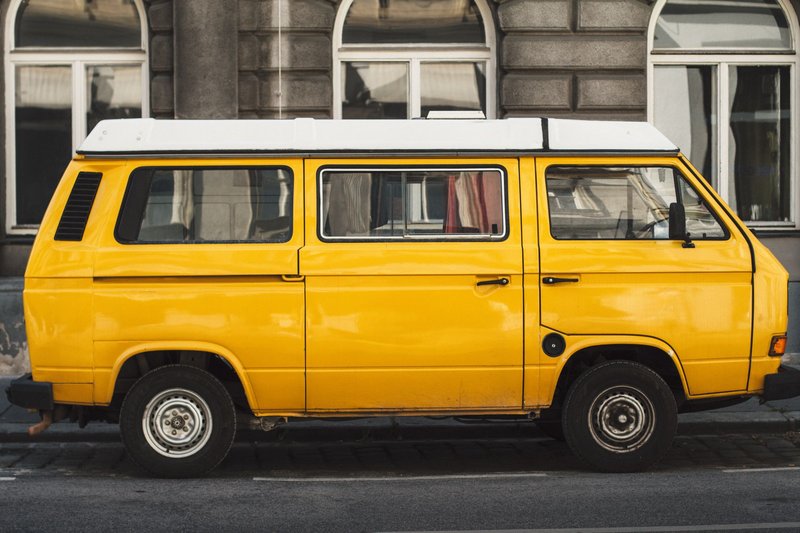
Specs: 3.1L V6, 120 hp | Original price: about $14,000
The “Dustbuster” minivan, sold alongside the Pontiac Trans Sport and Oldsmobile Silhouette, had a nose that sloped like a spaceship and plastic body panels that never dented. Interior space was excellent, and the driving experience was somewhere between a bus and a boat. It was futuristic, and for most buyers that was a problem. Chrysler’s plain-looking minivans won the market.
Subaru Justy
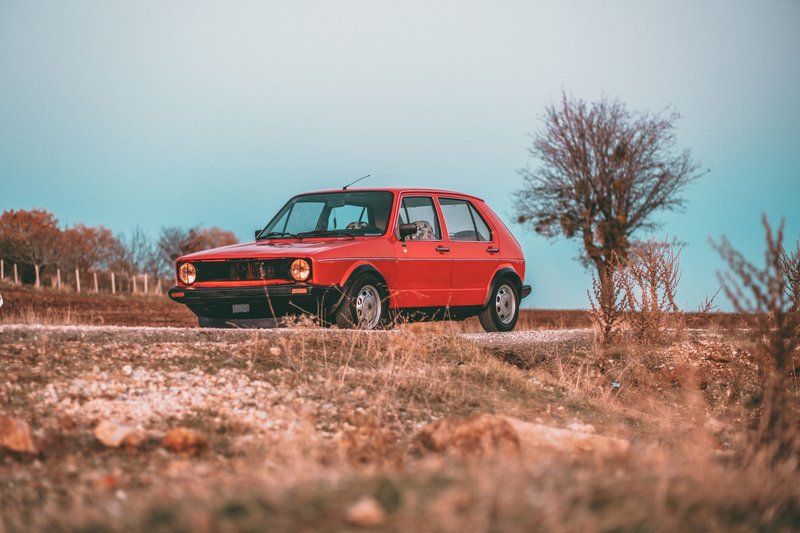
Specs: 1.2L three-cylinder, about 73 hp | Original price: about $6,000
A tiny three-cylinder hatchback with optional four-wheel drive, which is about as 1990 Subaru as it gets. The Justy was also offered with an ECVT, one of the first continuously variable transmissions sold in America. The concept would take over the industry decades later. At the time, the Justy sold in small numbers, and almost nobody remembers it.
Cadillac Allanté
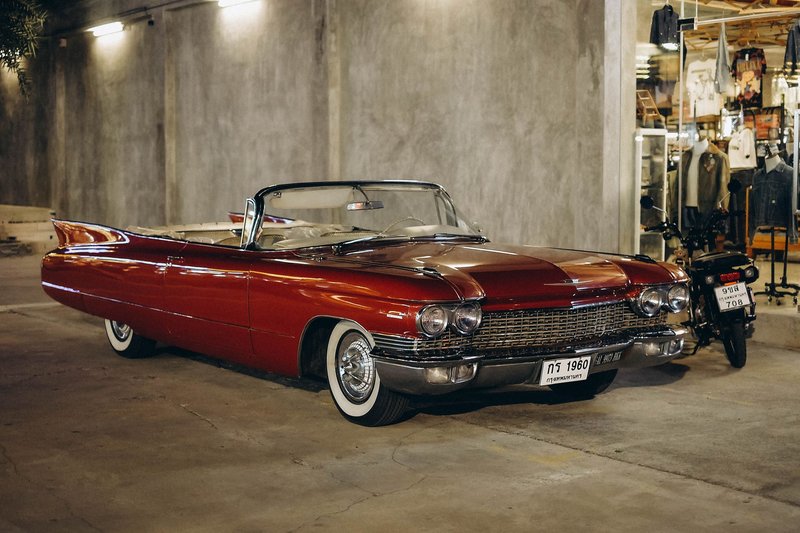
Specs: 4.5L V8, 200 hp | Original price: roughly $55,000
Pininfarina built the body in Turin, and Cadillac flew the finished shells to Detroit in a 747 for final assembly. The logistics were the most interesting thing about it. The front-wheel-drive layout was a poor match for a roadster at this price, and a Mercedes SL was better in every measurable way. The Allanté is the sort of ambitious idea a company only gets one shot at.
Quick reference: cars made in 1990 at a glance
| Model | Country | Engine | Original price |
|---|---|---|---|
| Honda NSX | Japan | 3.0L V6 | ~$60,000 |
| Mazda MX-5 Miata | Japan | 1.6L I4 | ~$13,800 |
| Nissan 300ZX Twin Turbo | Japan | 3.0L twin-turbo V6 | ~$35,000 |
| Chevrolet Corvette ZR-1 | USA | 5.7L DOHC V8 | $58,995 |
| Lotus Carlton | UK / Germany | 3.6L twin-turbo I6 | ~£48,000 |
| Lamborghini Diablo | Italy | 5.7L V12 | ~$240,000 |
| Ford Mustang 5.0 LX | USA | 5.0L V8 | ~$11,500 |
| Ford Taurus SHO | USA | 3.0L DOHC V6 | ~$24,000 |
| Mitsubishi Eclipse GSX | USA / Japan | 2.0L turbo I4 | ~$17,000 |
| Honda Accord | Japan / USA | 2.2L I4 | ~$14,000 |
| Toyota Camry | Japan / USA | 2.0L I4 / 2.5L V6 | ~$13,000 |
| Lexus LS 400 | Japan | 4.0L V8 | ~$36,000 |
| Chevrolet Caprice | USA | 5.0L V8 | ~$17,000 |
| Renault Clio | France | 1.2L / 1.4L I4 | ~£6,000 |
| Saturn SL | USA | 1.9L I4 | ~$9,000 |
| Geo Metro | Japan / USA | 1.0L I3 | ~$6,500 |
| Citroën 2CV | France | 0.6L flat-twin | Entry-level |
| Ford Explorer | USA | 4.0L V6 | ~$15,500 |
| Ford F-150 | USA | 4.9L I6 / 5.0L, 5.8L V8 | ~$10,500 |
| Land Rover Defender | UK | 2.5L turbo-diesel I4 | ~£13,000 |
| Yugo GV | Yugoslavia | 1.1L I4 | ~$4,500 |
| Chrysler TC by Maserati | Italy / USA | 2.2L turbo I4 | ~$33,000 |
| Chevrolet Lumina APV | USA | 3.1L V6 | ~$14,000 |
| Subaru Justy | Japan | 1.2L I3 | ~$6,000 |
| Cadillac Allanté | Italy / USA | 4.5L V8 | ~$55,000 |
What 1990 cars cost today
The simplest way to compare old and new prices is the Bureau of Labor Statistics inflation calculator. Multiply a 1990 price by roughly 2.5 and you have today’s equivalent. A $13,800 Miata becomes a car that costs about $34,000 in current money, which is close to what Mazda charges for a new one. The $60,000 NSX works out to about $150,000, and that’s close to what a good early one sells for now.
The numbers below are ballpark ranges based on how the market has behaved for each car, not appraisals. Check recent auction results before you buy anything.
Under $10,000 (most of the list): Accord, Camry, Caprice, Saturn SL, Geo Metro, Justy, Lumina APV, the Yugo (if you can find one) and tired examples of the Taurus SHO. These are cheap because they were built in huge numbers and driven hard. A well-kept Camry or Accord is still one of the safest used purchases on the road, and the only real risk is that someone neglected the maintenance.
$10,000 to $30,000: Miata, Mustang 5.0, Eclipse GSX, 300ZX Twin Turbo, a good SHO, an LS 400 with a clean history, a Corvette ZR-1 at the lower end, and F-150s in decent shape. The Miata is the easiest to live with, the Mustang is the easiest to modify, and the 300ZX is the most likely to need a specialist. Rust is the main enemy of the Miata, and a leaking soft top is the second.
$40,000 to $100,000: A Defender in good condition, a clean ZR-1, early NSXs with high mileage, and the Lotus Carlton, which has been a collector item for years. Low-mileage NSXs can go well beyond that range. On the NSX, ask for proof that the timing belt and water pump have been replaced on schedule.
Six figures and up: The Diablo, and the best NSXs. At this level you are paying for provenance, and a pre-purchase inspection from a marque specialist is not optional.
The pattern is simple. The cars that were cheap in 1990 are cheap now, apart from the few that tuners or collectors discovered. Most of the money in this list sits in the Japanese sports cars, because they were good enough that people kept them.

Marco Delantero
More from Marco DelanteroHow we reviewed this article
This article was researched against manufacturer records and editorially reviewed before publishing. We accept no payment for coverage. Some guides contain affiliate links; see our affiliate disclosure.