Ask three reliability sources for the most reliable Chevrolet cars and you get three different answers. iSeeCars ranks the Corvette first. HotCars picks the 2022 Bolt EV. Auto Reliability Index leans toward the Blazer, Trax, Colorado and Silverado. They aren’t contradicting each other so much as measuring different things, and that gap is where used-car shoppers get burned.
The short version: reliability at Chevrolet depends on the model year far more than on the nameplate. The same Equinox that’s a sensible buy in 2019 is a gamble in 2011. This list ranks ten Chevys by how dependable specific years have proven, flags what tends to break, and ends with the years to skip.
Table of Contents
- TLDR: the quick picks
- How we ranked the most reliable Chevrolet cars
- 1. Chevrolet Corvette (C7, 2014-2019)
- 2. Chevrolet Colorado (2019-2022)
- 3. Chevrolet Trax (2017-2022)
- 4. Chevrolet Bolt EV (2022)
- 5. Chevrolet Blazer (2020-2023)
- 6. Chevrolet Silverado 1500 (2014-2018)
- 7. Chevrolet Tahoe and Suburban (2015-2020)
- 8. Chevrolet Equinox (2018 and later)
- 9. Chevrolet Impala (2014-2020)
- 10. Chevrolet Spark (2016-2022)
- Chevrolet years to avoid
- A buying checklist
TLDR: the quick picks
| Need | Pick | Years |
|---|---|---|
| Best overall | Corvette (C7) | 2014-2019 |
| Best cheap | Spark or Trax | 2016-2022 / 2017-2022 |
| Best EV | Bolt EV | 2022 |
| Best SUV | Blazer or Tahoe | 2020-2023 / 2015-2020 |
| Best truck | Colorado or Silverado 1500 | 2019-2022 / 2014-2018 |
| Best to avoid | Equinox with the 2.4L engine, Malibu with the 8-speed | 2010-2013 / 2016-2018 |
Price ranges below are rough used-market figures. Check current listings in your area before you budget, because they move quickly.
How we ranked the most reliable Chevrolet cars
We combined four kinds of evidence: the iSeeCars reliability scores (out of 10), Auto Reliability Index’s model-year scores (out of 100), the ownership and cost data that HotCars and SlashGear cite from J.D. Power, RepairPal and Kelley Blue Book, and the recall and complaint history on NHTSA’s recall database.
The sources disagree because they weigh different things. iSeeCars leans on how long cars last and how often they show up with severe problems. Auto Reliability Index scores individual model years. J.D. Power surveys owners about problems per 100 vehicles in a short window. A Corvette can score high on all of them and still cost far more per repair than a Spark, because repair cost and reliability aren’t the same number. For context, RepairPal puts Chevrolet’s brand-wide average at roughly $650 a year in repairs and maintenance, which is around the middle of the pack.
Three rules shaped the order:
- Years beat nameplates. We recommend years, not models. Where a model had a bad stretch, it’s named in the entry.
- Mechanical simplicity counts. Naturally aspirated engines and conventional automatics rank above early turbo and CVT combinations.
- Newer isn’t proven. Cars from 2025-26 have low complaint counts partly because they haven’t had time to collect any. We left them off until the data catches up.

1. Chevrolet Corvette (C7, 2014-2019)
The Corvette tops the iSeeCars ranking, and the C7 generation is the reason. Its 6.2-liter LT1 and LT4 V8 engines are pushrod designs with a long track record, and owners report fewer serious faults than on most sports cars at any price.
Best years: 2014-2019. Pick a manual or the 8-speed automatic over the early 7-speed manual if you can, and be aware that the Z06 and ZR1’s supercharged LT4 needs more attentive maintenance.
Weak points: The C7’s paddle-less transmission isn’t the concern. Watch for worn clutches on cars that were driven hard, early-run infotainment glitches, and rear-end tire wear on cars with wide aftermarket wheels.
Typical used price: Roughly $35,000-$50,000 for a base Stingray or Grand Sport, more for Z06 and ZR1 trims.
Verdict: The only car on this list that’s both fast and dependable. Insurance and tires aren’t cheap, though.
2. Chevrolet Colorado (2019-2022)
Auto Reliability Index scores the second-generation Colorado among the best Chevy trucks, and its simplicity explains why. Midsize, traditional ladder frame, and a choice of a 2.5-liter four, a 3.6-liter V6 and, in some years, a 2.8-liter Duramax diesel.
Best years: 2019-2022. The V6 is the safe choice; the diesel adds torque but also expense if the emissions system fails.
Weak points: The 2015-2018 trucks had more transmission complaints than the later ones. Check for shift hesitation on a test drive.
Typical used price: Roughly $20,000-$30,000, depending on trim and mileage.
Verdict: A good truck for people who don’t need full-size capability. It’s easier to park and cheaper to run than a Silverado.
3. Chevrolet Trax (2017-2022)
The Trax lands on the Auto Reliability Index favorites list and on SlashGear’s small-Chevy roundup. The 1.4-liter turbo four it shipped with is dull to drive but has fewer complaints than most small-car engines of the era.
Best years: 2017-2022. A 2024 or later redesign sits on a different platform and engine, so treat it as a separate, less-proven car.
Weak points: The cabin is plastic-heavy and road noise is high. Mechanically, the main thing to check is coolant levels, since small turbo engines can develop leaks around the thermostat housing.
Typical used price: Roughly $9,000-$15,000.
Verdict: A budget crossover that’s genuinely cheap to own. Not exciting, but it rarely strands you.
4. Chevrolet Bolt EV (2022)
HotCars gives the 2022 Bolt EV its top reliability pick, and the reasoning holds. The 2017-2019 Bolts were part of a well-known battery recall after fires in the early battery packs. GM replaced battery modules across the affected cars, and 2022 models came with the fixed packs.
Best years: 2022. A recall-completed 2020-2021 Bolt can also be a decent buy if the paperwork confirms the battery replacement. Always run the VIN on NHTSA to confirm.
Weak points: Battery recall history. Ask for proof that the new modules were installed, and check that the software update was applied.
Typical used price: Roughly $14,000-$20,000, which makes it one of the cheapest real EVs available. The EPA rates range at about 259 miles per charge; confirm figures for any specific year on fueleconomy.gov.
Verdict: The best EV choice here if the battery documentation is clean. Without proof, move on to the next car.
5. Chevrolet Blazer (2020-2023)
The Blazer is one of Auto Reliability Index’s strongest Chevy nameplates, and it’s the pick if you want a midsize SUV that looks better than an Equinox. The 2020 model year is the first with a clean sheet after the 2019 launch.
Best years: 2020-2023, with the 3.6-liter V6 in most cases.
Weak points: The 2019 model year had early-build quirks. The standard 4-cylinder is adequate but the V6 has the better record. Note that the electric Blazer EV is a separate product with its own software problems and shouldn’t be confused with this one.
Typical used price: Roughly $22,000-$32,000.
Verdict: The best Chevy SUV for people who don’t need three rows.
6. Chevrolet Silverado 1500 (2014-2018)
ARI favors the Silverado, but only select years. The 2014-2018 trucks with the 5.3-liter V8 have long records and fewer reported problems than the newest generation.
Best years: 2014-2018. The 2019 redesign introduced a new 8-speed and a refreshed dynamic fuel management system that brought more owner complaints, so don’t assume the newest trucks are better.
Weak points: Active fuel management on older 5.3-liter V8s can lead to lifter failure, a known weak point in GM’s V8 range. Listen for ticking at idle on a cold start.
Typical used price: Roughly $20,000-$35,000.
Verdict: A durable truck if you pick the right years. The wrong years are expensive.

7. Chevrolet Tahoe and Suburban (2015-2020)
The Tahoe and Suburban share a platform and powertrain, so they share a record. Both from 2015-2020 use the 5.3-liter V8 with a 6-speed automatic and are cheaper to keep running than their size suggests.
Best years: 2015-2020. The 2021 redesign added an independent rear suspension and new engines, with limited track record.
Weak points: The same lifter issues as the Silverado on higher-mileage trucks. Also check air-ride suspension on Z71 and Premier trims, which is costly to repair.
Typical used price: Roughly $22,000-$40,000, depending on the trim and mileage.
Verdict: The reliable way to move a family of seven. Fuel costs will be your real expense.
8. Chevrolet Equinox (2018 and later)
Chevy Equinox reliability is a story of two eras. The 2010-2013 models with the 2.4-liter engine are known for oil consumption and timing chain wear, and they’re among the worst Chevrolets you can buy. Later Equinoxes, especially from 2018, are a different car.
Best years: 2018 and later, with the 1.5-liter turbo or the 2.0-liter turbo, and the 6-speed automatic.
Weak points: The oil consumption concern lingers over 2014-2015 cars too. Run a dealer service history before buying anything from before 2016.
Typical used price: Roughly $13,000-$20,000.
Verdict: A sensible compact crossover as long as you avoid the early years.
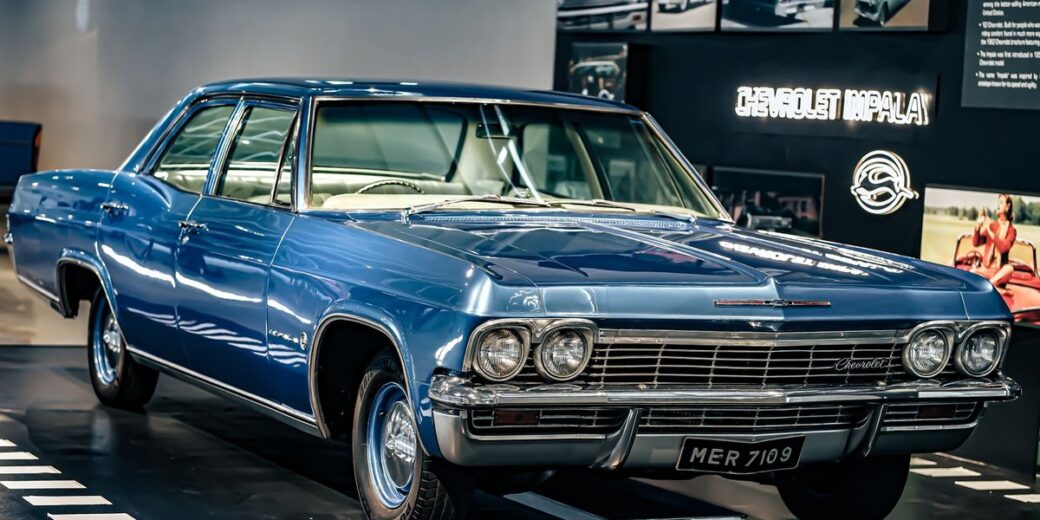
9. Chevrolet Impala (2014-2020)
The tenth-generation Impala is the cheapest large sedan on this list, and a sleeper. Its 3.6-liter V6 is shared with many GM products, and owners report solid longevity.
Best years: 2014-2020, with the V6 in preference to the 2.5-liter four.
Weak points: Some early cars had power steering issues and infotainment glitches. Otherwise it’s a cheap, comfortable car with a huge trunk.
Typical used price: Roughly $9,000-$16,000.
Verdict: The best used-car value for people who still want a sedan, since most buyers have moved to crossovers.
10. Chevrolet Spark (2016-2022)
The Spark is Chevy’s cheapest car, and SlashGear includes it in its small-car list. It’s tiny, slow and plain. It’s also inexpensive to fix.
Best years: 2016-2022, the third generation.
Weak points: Highway merging is slow, and the CVT used in some versions can be noisy. Keep up on fluid changes.
Typical used price: Roughly $6,000-$11,000.
Verdict: The best cheap city car. Don’t buy one for road trips.
Chevrolet years to avoid
Reliability stories at Chevy cluster around a few specific years and engines. The Malibu is the clearest example, which is why you won’t find it in the ten above.
- Chevrolet Equinox, 2010-2013 (2.4L): Oil consumption and timing chain failures. Repairs can exceed the car’s value.
- Chevrolet Malibu, 2016-2018 (8-speed automatic): Owners complain about harsh or shuddering shifts in cars with the 2.0-liter turbo. Chevrolet Malibu transmission problems are well documented, so test-drive carefully and ask for any transmission service records.
- Chevrolet Cruze, 2011-2016 (1.4L turbo): Coolant leaks and water pump failures were common enough that many owners faced repeat repairs.
- Chevrolet Silverado and Tahoe, 2019 onward: Not necessarily bad, but dynamic fuel management and the new transmission calendar have created more complaints than the 2014-2018 trucks.
- Early Bolt EVs, 2017-2019: Only buy with documented battery replacement.
- Brand-new 2025-26 models: Too early to judge. Low complaint counts mean little yet.
A buying checklist
- Run the VIN on NHTSA. The recall database is free and shows open recalls, which is especially important on the Bolt.
- Get a pre-purchase inspection. An independent mechanic will spot transmission and lifter problems that a short test drive can miss.
- Ask for service records. Regular oil changes matter most on the older Equinox, Silverado and Tahoe engines.
- Test the transmission cold. Shuddering, delayed engagement or harsh shifts are the signs to walk away from.
- Pick the year, not the badge. Every entry above has a bad year somewhere near its good ones.
- Budget for tires and insurance on the Corvette, fuel on the Tahoe. Reliable doesn’t mean cheap to run.

Marco Delantero
More from Marco DelanteroHow we reviewed this article
This article was researched against manufacturer records and editorially reviewed before publishing. We accept no payment for coverage. Some guides contain affiliate links; see our affiliate disclosure.