Chevrolet sold 17 nameplates in 1998: eight cars, six trucks and SUVs, and three vans. The lineup ran from a 55-horsepower three-cylinder Metro to a 7.4-liter Suburban, and it included one of the best performance bargains GM ever built. This is the full 1998 Chevrolet models list, grouped by body type, with the engines, the changes that year, and what each one is worth now.
TLDR
- Cars: Camaro, Cavalier, Lumina, Malibu, Monte Carlo, Metro, Prizm, Corvette.
- Trucks and SUVs: S-10, C/K 1500/2500/3500, Blazer, Tahoe, Suburban, Tracker.
- Vans: Astro, Express, Venture.
- Best buys today: the Camaro Z28 and the Corvette. Both have the LS1 V8 and cost less than a new economy car.
- Common mix-up: there was no “1998 Silverado” model. Full-size pickups were still C/K trucks (details below).
Table of contents
- What changed for 1998
- 1998 Chevrolet cars
- 1998 Chevrolet trucks and SUVs
- 1998 Chevrolet vans
- 1998 Chevrolet models at a glance
- Buying and collecting a 1998 Chevy today
What changed for 1998
Most of the lineup carried over from 1997, but four changes matter.
The Geo cars became Chevrolets. GM folded the Geo brand into Chevrolet for 1998, so the Metro, Prizm and Tracker (Geo Metro, Prizm and Tracker the year before) wore Chevy badges for the first time. For the Geo models that were dropped before 1998, see when each Geo model was discontinued.
The Camaro Z28 got the LS1. The aluminum 5.7-liter V8 from the Corvette arrived in the Camaro with 305 horsepower, up from 285 hp in the old LT1. The Camaro also got a restyled nose.
The Corvette convertible came back. The C5 launched in 1997 as a coupe only. The droptop followed for 1998 and paced that year’s Indy 500.
The C/K pickups ended their run. The 1998 model year was the last for the squared-off truck generation that began in 1988.
1998 Chevrolet cars
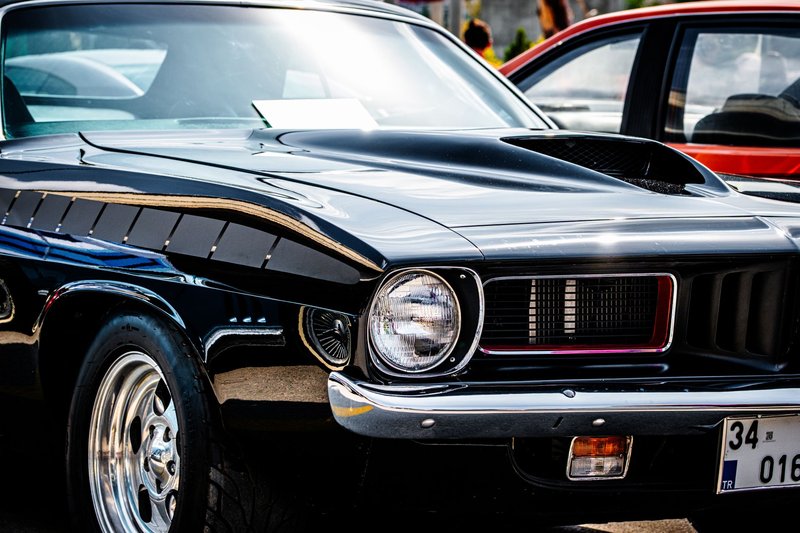
Camaro
The fourth-generation Camaro came as a coupe or a T-top/convertible, with a 3.8-liter V6 making 200 hp as the base engine. The reason to care is the Z28: the 5.7-liter LS1 V8 made 305 hp and 335 lb-ft, backed by a six-speed manual or a four-speed automatic. SLP Engineering also sold a Camaro SS package that pushed the LS1 to about 320 hp.
The Camaro and its Pontiac Firebird twin were built in Quebec, and 1998 is the first year of the LS1 era. A Z28 from this year does the quarter mile in the low 14s and costs far less than any V8 sports car that new.
Cavalier
The Cavalier was Chevy’s small-car workhorse in coupe, sedan and convertible forms. The base engine was a 2.2-liter four with 120 hp. The Z24 coupe and convertible used a 2.4-liter twin-cam four with 150 hp, the only Cavalier worth calling quick. Everything else about it is plain, cheap and easy to fix.
Lumina
The Lumina was the full-size family sedan, front-wheel drive with a 3.1-liter V6 making 160 hp. The LTZ sedan added the 3.8-liter V6 with 200 hp. Its coupe sibling, the Monte Carlo, took over the sporty duties. This was the Lumina’s second-to-last model year before the Impala replaced it for 2000.
Malibu
The Malibu name returned in 1997 on a new front-drive midsize sedan that replaced the Corsica and Beretta. For 1998 you could choose a 2.4-liter twin-cam four with 150 hp or a 3.1-liter V6 with about 155 hp, both with a four-speed automatic. It was a rental-fleet staple, and most of the survivors are the V6 LS.
Monte Carlo
The 1995-1999 Monte Carlo is a two-door coupe on the same front-drive platform as the Lumina. The LS used the 3.1-liter V6 at 160 hp. The Z34 got the 3.8-liter V6 with 200 hp, a sport suspension and a sharper look, and it’s the one collectors pick.
Metro
Built in Ontario with Suzuki hardware, the Metro came as a three-door hatchback or a four-door sedan. A 1.0-liter three-cylinder made 55 hp, and a 1.3-liter four made 79 hp. Fuel economy was the point: the EPA’s fueleconomy.gov lists 1998 ratings for every model here, and the Metro is near the top for mileage.
Prizm
The Prizm was a Toyota Corolla built at the NUMMI plant in Fremont, California, with Chevy badges. 1998 brought a new 1.8-liter four with 120 hp (the Toyota 1ZZ-FE). Four-door sedan only. It’s the most durable car in the Chevy lineup that year, and the used market prices it accordingly.
Corvette
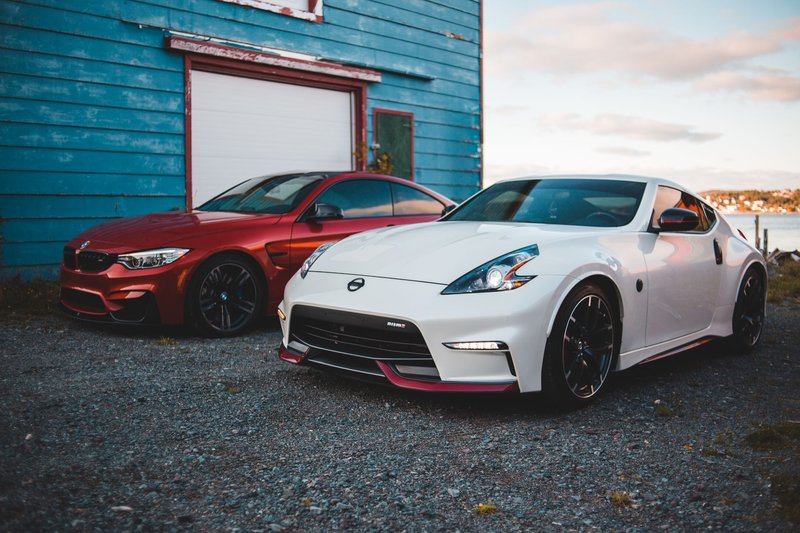
The C5 Corvette made 345 hp and 350 lb-ft from its 5.7-liter LS1 V8, with a four-speed automatic or a six-speed manual. A convertible joined the coupe for 1998, and a limited Indy 500 Pace Car replica run followed. The frame is a hydroformed steel backbone, a big jump in stiffness over the C4. It is also one of the best 1990s sports cars you can still buy for the money.
The fixed-roof hardtop, a cheaper and lighter body style, didn’t arrive until 1999, so the 1998 lineup is coupe and convertible only.
1998 Chevrolet trucks and SUVs
S-10
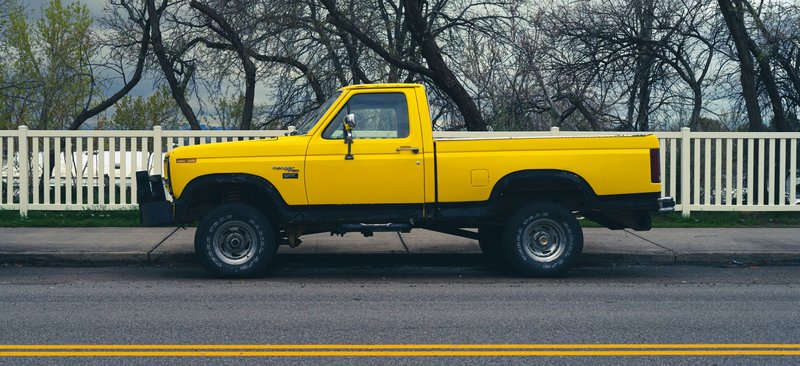
The compact pickup came as a regular or extended cab, in two-wheel or four-wheel drive. A 2.2-liter four with 120 hp was standard, and the 4.3-liter V6 with about 180 hp was the upgrade. The ZR2 package added a wider track and off-road suspension. An S-10 Electric, built in tiny numbers, was sold to fleets.
C/K 1500, 2500 and 3500
The “C” meant two-wheel drive and the “K” meant four-wheel drive. The 1500 was the half-ton, the 2500 the three-quarter-ton, and the 3500 the one-ton, available as a regular, extended or crew cab. Engines started at the 4.3-liter V6 and went up through the 5.0-liter and 5.7-liter Vortec V8s (the 5.7 made 255 hp) to the 7.4-liter big-block at 290 hp, with a 6.5-liter turbodiesel offered in the heavy-duty trucks.
About the Silverado name: it was a trim level, not a model line, in 1998. The top-spec C/K was called the Silverado (the lower one, the Cheyenne). The name only became the model name for the all-new 1999 truck.
Blazer
The S-10 Blazer was a compact SUV in two-door and four-door versions, powered by the 4.3-liter Vortec V6 with about 190 hp. It’s not the full-size Blazer of the 1970s, which the Tahoe replaced in 1995.
Tahoe
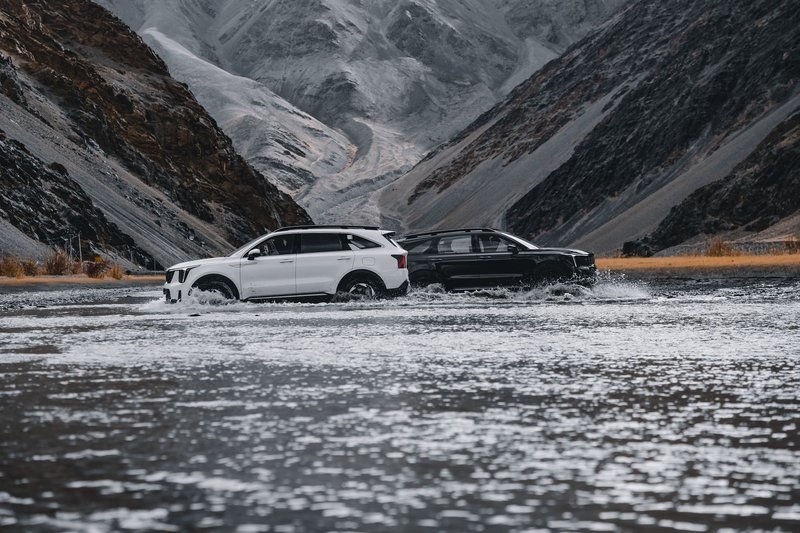
The Tahoe was the short-wheelbase version of the full-size SUV, offered as a two-door or a four-door. The 5.7-liter V8 with 255 hp was the main engine, and the 6.5-liter turbodiesel also appeared on the option list. The two-door is the one enthusiasts hunt, because it disappeared after 1999.
Suburban
The Suburban name goes back to 1935, which makes it the longest-running nameplate in the industry, and in 1998 it was the long-wheelbase C/K wagon. The 1500 and 2500 came with the 5.7-liter V8 or the 7.4-liter V8, and a 6.5-liter turbodiesel was available. Three-row seating made it the family hauler and the tow rig of the lineup.
Tracker
The Tracker was a small body-on-frame SUV in two-door convertible and four-door wagon forms, with two- or four-wheel drive. A 1.6-liter four with about 97 hp was the only engine. The design was shared with the Suzuki Sidekick, and it was built in Ontario alongside the Metro.
1998 Chevrolet vans
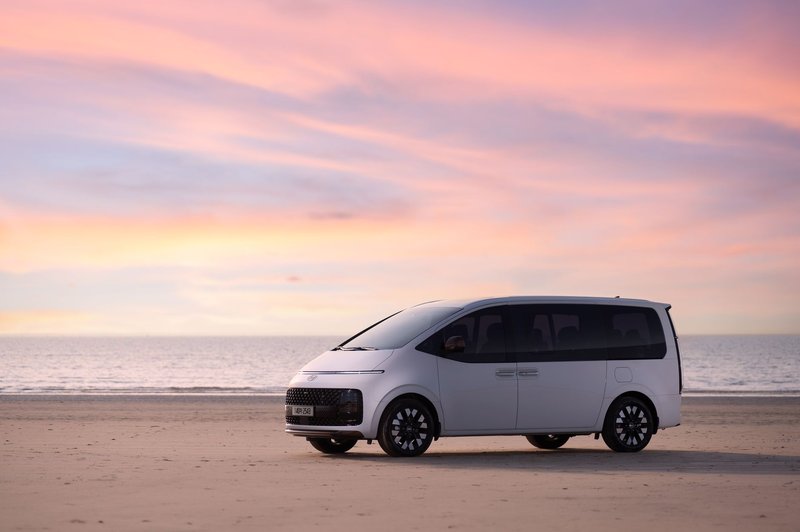
Astro
The Astro had been around since 1985 and was a rear-drive (or optional all-wheel-drive) mid-size van with the 4.3-liter V6 making 190 hp. It was sold as a passenger van or a cargo van. Tradesmen still run them for the towing and the AWD.
Express
The Express replaced the old G-series full-size vans in 1996. The 1500, 2500 and 3500 in cargo and passenger versions used the 4.3-liter V6, the 5.0 and 5.7-liter V8s, the 7.4-liter V8, or a 6.5-liter turbodiesel. Stripped-down work vans were the norm, so the cleaner passenger and conversion versions are rarer than they should be.
Venture
The Venture replaced the Lumina APV in 1997. It was a front-drive minivan with a 3.4-liter V6 at 180 hp and a four-speed automatic, offered in regular and extended-wheelbase forms. It was an everyday family hauler, and nobody saves them.
1998 Chevrolet models at a glance
Prices are rough used-market estimates for 2026 and swing with mileage, condition and region. Treat them as starting points, not quotes.
| Model | Body style | Engines | Approx. used price |
|---|---|---|---|
| Camaro | Coupe, T-top, convertible | 3.8L V6 (200 hp), 5.7L LS1 V8 (305 hp Z28) | $5,000-10,000 (V6); $10,000-20,000 (Z28/SS) |
| Cavalier | Coupe, sedan, convertible | 2.2L I4 (120 hp), 2.4L I4 (150 hp Z24) | $1,500-4,500 |
| Lumina | Sedan | 3.1L V6 (160 hp), 3.8L V6 (200 hp LTZ) | $1,500-3,500 |
| Malibu | Sedan | 2.4L I4 (150 hp), 3.1L V6 (about 155 hp) | $1,500-3,500 |
| Monte Carlo | Coupe | 3.1L V6 (160 hp), 3.8L V6 (200 hp Z34) | $2,000-6,000 |
| Metro | Hatchback, sedan | 1.0L I3 (55 hp), 1.3L I4 (79 hp) | $1,500-4,000 |
| Prizm | Sedan | 1.8L I4 (120 hp) | $2,500-5,500 |
| Corvette | Coupe, convertible | 5.7L LS1 V8 (345 hp) | $15,000-25,000+ |
| S-10 | Pickup | 2.2L I4 (120 hp), 4.3L V6 (about 180 hp) | $3,000-8,000 |
| C/K 1500/2500/3500 | Pickup | 4.3L V6, 5.0L and 5.7L V8, 7.4L V8, 6.5L diesel | $6,000-15,000+ |
| Blazer | 2- and 4-door SUV | 4.3L V6 (about 190 hp) | $2,500-6,000 |
| Tahoe | 2- and 4-door SUV | 5.7L V8 (255 hp), 6.5L diesel | $4,000-9,000+ |
| Suburban | 4-door SUV | 5.7L V8, 7.4L V8, 6.5L diesel | $4,000-10,000 |
| Tracker | 2-door convertible, 4-door wagon | 1.6L I4 (about 97 hp) | $3,000-6,000 |
| Astro | Van | 4.3L V6 (190 hp) | $3,000-7,000 |
| Express | Van | 4.3L V6, 5.0L/5.7L/7.4L V8, 6.5L diesel | $3,000-8,000 |
| Venture | Minivan | 3.4L V6 (180 hp) | $1,000-3,000 |
Buying and collecting a 1998 Chevy today
A 1998 model is now 28 years old, past the 25-year mark many states and insurers use for antique or classic plates and agreed-value policies. Check your own state’s rules, since they vary. The cheap daily drivers are still just cheap, but a few of these have turned into real collector cars.
What collectors want: the Camaro Z28 and SS, any C5 Corvette (convertible and Pace Car replicas at the top), low-mileage two-door Tahoes, clean K1500 four-wheel-drive pickups, and the Z24 Cavalier. Tracker convertibles with four-wheel drive get more attention than they used to.
Known weak spots by family:
- 3.1L and 3.8L V6 cars (Lumina, Malibu, Monte Carlo): the intake manifold gaskets leak coolant, a common problem on these engines when the original Dex-Cool is left too long.
- Corvette: the Optispark distributor sits behind the water pump and fails if the pump leaks. Check for a dash cluster that glitches too.
- 4.3L V6 trucks, S-10, Blazer and Astro: the Vortec “spider” fuel injector assembly wears out, and the symptoms are rough running and hard starts.
- 6.5L turbodiesel: the injection pump and its driver module are a known failure point. Walk away from one without service records.
- Full-size trucks and SUVs: rust at the rocker panels, cab corners and rear wheel arches. Frame rust on northern trucks is worse than the paint suggests.
- Everything else: at 28 years, rubber, plastic and wiring are the real issue, not the engine.
Run the VIN through the NHTSA recall lookup before you buy, since open recalls are still tied to the vehicle. Then check how the car did in crash testing at the IIHS ratings database, because 1998 safety equipment is nothing like what’s on sale now: many of these have no side airbags and no stability control.
The best 1998 Chevy for most buyers is the Camaro Z28 or a clean C5 Corvette, since the LS1 is cheap to maintain and parts are everywhere. For the lowest running costs, the Prizm is the safe answer. For a truck that can still work, a K1500 with the 5.7 is the pick, provided the frame is straight.

Marco Delantero
More from Marco DelanteroHow we reviewed this article
This article was researched against manufacturer records and editorially reviewed before publishing. We accept no payment for coverage. Some guides contain affiliate links; see our affiliate disclosure.