TLDR
- Best used-car value: Fusion. The 2.0L EcoBoost is quick enough, and the Hybrid returns about 42 mpg combined.
- Best fun per dollar: Fiesta ST (manual only, 197 hp) or a Mustang EcoBoost.
- Best sleeper: Fusion Sport. A 325-hp twin-turbo V6 and standard AWD inside a family sedan.
- Best long-term bet: Focus RS or Mustang GT350. Both hold value because Ford never built them again in this form.
- Best family hauler: Explorer. Edge if you only need five seats.
- Skip: Fiesta and Focus with the dual-clutch automatic. Buy the manual or buy something else.
Table of Contents
- The 2017 Ford lineup at a glance
- Why 2017 matters: the end of Ford’s sedan era
- Fiesta and Fiesta ST
- Focus, Focus ST and Focus RS
- Fusion, Fusion Sport and the hybrids
- Taurus and Taurus SHO
- Mustang, from V6 to GT350R
- The Ford GT
- Escape, Edge and Explorer
- Buying a 2017 Ford today
Ford’s 2017 car lineup is an odd snapshot. It includes the last good small cars Ford sold in America, a mid-size sedan with a performance version nobody expected, a Mustang at its most varied, and a carbon-fiber supercar that cost about $450,000. Almost all of the sedans are gone now, which is why the 2017 Ford cars are worth sorting out whether you’re shopping for a used one or just revisiting the lineup.
This guide covers every Ford car sold for the 2017 model year, plus the three crossovers people usually lump in. Trucks, vans and the F-150 are a separate conversation.
The 2017 Ford lineup at a glance
| Model | Engines (hp) | Approx. combined MPG | Best for |
|---|---|---|---|
| Fiesta | 1.6L (120), 1.0L EcoBoost 3-cyl (123) | 30 to mid-30s | Cheap commuting |
| Fiesta ST | 1.6L EcoBoost (197) | 29 | Budget hot hatch |
| Focus | 2.0L (160) | ~30 | Basic transportation (manual) |
| Focus ST | 2.0L EcoBoost (252) | 26 | Daily-driver hot hatch |
| Focus RS | 2.3L EcoBoost AWD (350) | 22 | Collectors, drift fans |
| Fusion | 2.5L (175), 1.5L EcoBoost (181), 2.0L EcoBoost (245) | 25 to 28 | Commuters, families |
| Fusion Sport | 2.7L twin-turbo V6 AWD (325) | ~21 | Sleeper seekers |
| Fusion Hybrid / Energi | 2.0L hybrid (188 total) | 42 hybrid | High-mileage drivers |
| Taurus | 3.5L V6 (288) | ~22 | Highway cruising |
| Taurus SHO | 3.5L twin-turbo V6 AWD (365) | ~19 | Big-sedan speed |
| Mustang V6 | 3.7L (300) | ~22 | Budget Mustang |
| Mustang EcoBoost | 2.3L turbo (310) | 24 to 25 | Daily Mustang |
| Mustang GT | 5.0L V8 (435) | ~19 | The default enthusiast pick |
| Shelby GT350 / GT350R | 5.2L flat-plane V8 (526) | ~16 | Track days, investors |
| Ford GT | 3.5L twin-turbo V6 (647) | ~16 | Seven-figure garages |
| Escape | 2.5L (168), 1.5L EcoBoost (179), 2.0L EcoBoost (245) | ~25 | Compact crossover |
| Edge | 2.0L EcoBoost (245), 3.5L V6 (280), 2.7L twin-turbo V6 (315, Sport) | ~22 | Five-seat family |
| Explorer | 3.5L V6 (290), 2.3L EcoBoost (280), 3.5L twin-turbo V6 (365) | ~19 | Three-row family |
MPG figures are rounded from EPA numbers, which you can check for any trim on FuelEconomy.gov. Horsepower is as Ford rated it.
Why 2017 matters: the end of Ford’s sedan era
Ford sold the Fiesta, Focus, Fusion and Taurus in the US in 2017. By the end of 2020, all four were gone from showrooms. Ford chose crossovers and trucks, and the Mustang survived as the lone car for American buyers.
So 2017 is close to the last model year where you could walk into a Ford dealer and pick from a full range of sedans and hatchbacks, including a few performance versions that had no real replacement. That’s also why some of these cars are worth more now than their age suggests.
Fiesta and Fiesta ST
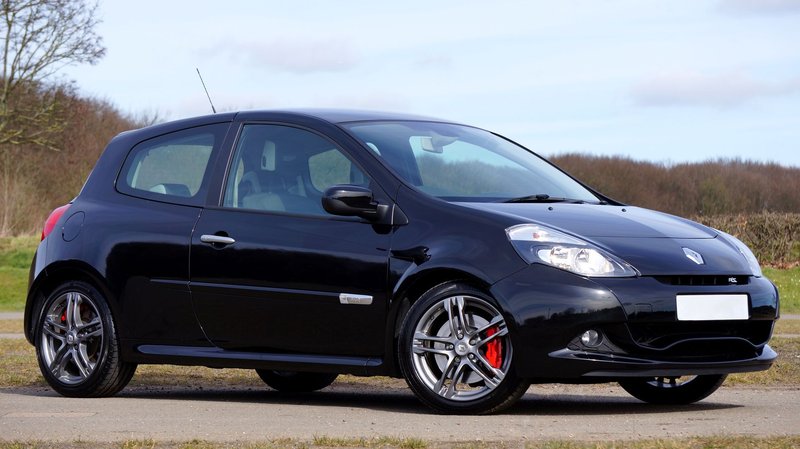
The regular Fiesta is a subcompact with a 120-hp 1.6-liter four, or a 1.0-liter three-cylinder EcoBoost making 123 hp. The three-cylinder is the one to want: small, eager, and good for about 36 mpg combined with the manual. Sedan and hatchback bodies were both available.
The Fiesta ST is the reason this section exists. Its 1.6-liter turbo makes 197 hp and 202 lb-ft, it only comes with a six-speed manual, and it weighs about 2,700 pounds. It’s short, loud and honestly a little silly. It’s the cheapest way to get a proper front-drive enthusiast car from this lineup.
Who it suits: Fiesta for city commuters on a tight budget, ST for anyone who wants a small manual car that feels fast at legal speeds.
Watch out: Non-ST Fiestas with the six-speed dual-clutch automatic (Ford called it PowerShift) have a long record of shuddering and clutch complaints. More on that in the buyer’s section.
Focus, Focus ST and Focus RS
The 2017 Focus was a refreshed car with a new front end and updated tech. The base engine is a 2.0-liter four making 160 hp. It’s competent, a bit dull and fine for A-to-B driving. The Focus Electric also returned with a 33.5-kWh battery and an EPA range of 115 miles, which was respectable in 2017 and is limiting now.
The two versions that matter:
Focus ST. 252 hp from a 2.0-liter EcoBoost, 270 lb-ft, six-speed manual, hatchback only. It’s a better daily driver than the Fiesta ST, with more room and a calmer highway ride, and it’s still properly quick. Expect about 26 mpg combined.
Focus RS. 350 hp from a 2.3-liter EcoBoost (the same engine family as the Mustang EcoBoost, retuned), 350 lb-ft, all-wheel drive with a torque-vectoring rear axle, and a Drift mode that exists mostly because Ken Block’s name was on the project. Manual only, 0 to 60 in the mid-four-second range. Ford sold it for only a few model years in the US, and prices have held up for that reason.
Who it suits: Base Focus for buyers who need cheap and simple (manual only). ST for the person who wants a hot hatch and a daily driver in one car. RS for people who understand what it is and want one before they’re all gone or modified.
Watch out: Early Focus RS cars had head gasket and coolant-loss complaints, and Ford extended some warranty coverage. Ask for service records and check coolant levels before buying.
Fusion, Fusion Sport and the hybrids
The 2017 Fusion got a mid-cycle refresh with a new face and sharper interior, and it’s a really good mid-size sedan: nicer to drive than a Camry, roomier than most. The standard engine is a 2.5-liter four making 175 hp. The 1.5-liter EcoBoost (181 hp) is the efficient option. The 2.0-liter EcoBoost (245 hp, with available AWD) is the sweet spot for most buyers.
Fusion Sport is the 2017 headline. A 2.7-liter twin-turbo V6 with 325 hp and 380 lb-ft, standard all-wheel drive, a six-speed automatic, paddle shifters and firmer suspension. It looks almost like a regular Fusion with a different grille and a few badges. That’s the whole joke. It does 0 to 60 in around five seconds, and nobody next to you at a red light will guess.
Hybrid and Energi. The Fusion Hybrid pairs a 2.0-liter Atkinson-cycle four with an electric motor for 188 hp total and about 42 mpg combined. The Energi plug-in uses the same drivetrain with a larger battery for roughly 20-plus miles of electric range. Both lose trunk space to the battery pack. A 2017 Hybrid with a documented battery history is a very sensible used buy for anyone who drives a lot. The C-Max Hybrid and Energi, Ford’s tall-wagon cousins, use the same powertrain and returned about 40 mpg combined.
Who it suits: 2.0L EcoBoost for most families, Hybrid for commuters, Sport for people who want a family car that doesn’t act like one.
Watch out: The 1.5- and 1.6-liter EcoBoost engines across Ford’s lineup have had coolant-related recalls, so run any VIN through the NHTSA tool described below.
Taurus and Taurus SHO
The Taurus was the biggest sedan in Ford’s lineup, and the lineup’s most overlooked. The base 3.5-liter V6 makes 288 hp, which is plenty for a car this size, and fuel economy sits around 22 mpg combined. The ride is quiet and the trunk is huge. The 2017 model has SYNC 3 infotainment.
The Taurus SHO is the performance model: a 3.5-liter twin-turbo V6 with 365 hp and 350 lb-ft, all-wheel drive, a six-speed automatic and paddle shifters. It’s a heavy car, so it’s more of a fast highway cruiser than a handler. The Police Interceptor Sedan used the same platform, which explains why the cabin feels more like a patrol car than a sports sedan.
Who it suits: People who want a large, comfortable, inexpensive highway car and don’t need to be told what’s trendy.
Watch out: The 3.5-liter V6 family has a known internal water pump design, and when it fails, coolant can mix with the oil. Check for a recent replacement or a reliable service history.
Mustang, from V6 to GT350R
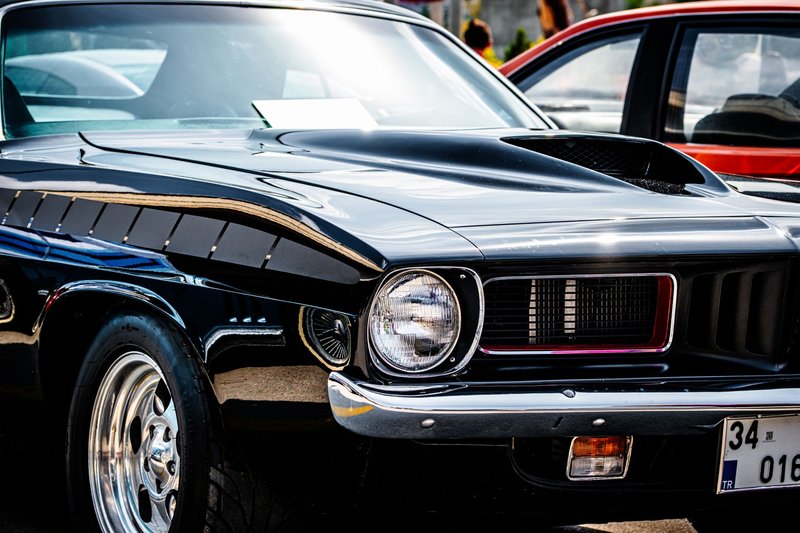
The 2017 Mustang had the widest spread of any car in the lineup, and it was the final year for the V6. The 2018 refresh dropped it in favor of the EcoBoost and V8.
- V6: 3.7-liter, 300 hp, 280 lb-ft. A fine engine, but it sounds ordinary and it’s not much cheaper to buy now than an EcoBoost. We’d skip it.
- EcoBoost: 2.3-liter turbo four, 310 hp, 320 lb-ft, 21 city and 31 highway with the manual. Quick, efficient and the best daily-driver Mustang. Add the Performance Package for stronger brakes and a limited-slip differential.
- GT: 5.0-liter V8, 435 hp, 400 lb-ft. This is the car most people picture, and for good reason. It sounds right, it pulls hard, and it’s easy to live with.
- Shelby GT350: 5.2-liter flat-plane-crank V8, 526 hp, 429 lb-ft, 8,250 rpm redline, six-speed manual only. The engine sounds more like a Ferrari than a Mustang. It started in the mid-$50,000s.
- Shelby GT350R: the same engine, but with carbon-fiber wheels, no rear seat, less sound deadening and a base price around $64,000. It’s a track tool that happens to be street legal.
Transmission options were a six-speed manual or a six-speed automatic. The ten-speed came later.
Who it suits: EcoBoost for daily use, GT for anyone who wants the V8 experience, GT350 for people who track or collect. The GT350R is for people with a garage and a trailer.
Watch out: Check the tires and brakes on GT and GT350 cars for signs of hard use. On any manual, shift through all six gears with the engine warm.
The Ford GT
The 2017 Ford GT isn’t a used buy for most people. It is part of the 2017 story, though, because it was the model year Ford began delivering the car.
It has a carbon-fiber tub, a 3.5-liter twin-turbo V6 with 647 hp and 550 lb-ft, a seven-speed dual-clutch gearbox and a top speed of roughly 216 mph. Ford built it to go back to Le Mans on the 50th anniversary of the 1966 win, and the race car won its class in 2016. Ford said it would build 500 road cars over two years, then later added more. It costs about $450,000 new, and buyers had to apply, which is how Ford kept speculators at arm’s length. Used examples change hands for well above the original sticker.
Who it suits: Collectors, mostly. If you’re asking about used prices, that’s a different budget conversation.
Escape, Edge and Explorer
Ford’s crossovers aren’t cars, but searchers asking about 2017 Ford cars often mean them too.
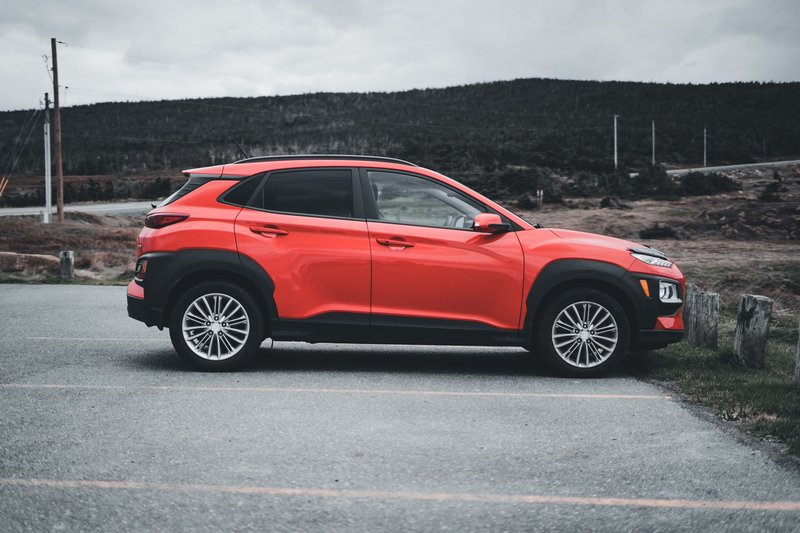
Escape. Refreshed for 2017 with a new grille, SYNC 3 and a sportier look. Engines are a 2.5-liter four (168 hp), a 1.5-liter EcoBoost (179 hp) and a 2.0-liter EcoBoost (245 hp, with AWD). Handling is the Escape’s strength. The 2.0L is the fun one but the 1.5L is the reasonable one. Expect about 25 mpg combined.
Edge. A five-seat midsize crossover. The 2.0-liter EcoBoost (245 hp) is the engine most buyers want. The 3.5-liter V6 (280 hp) is smooth. The Edge Sport has a 2.7-liter twin-turbo V6 with 315 hp and 350 lb-ft, and it’s the one to have if you want speed in a crossover. It was the last year of this generation, which means mature tech and fewer first-year problems.
Escape vs Edge: Escape is smaller, cheaper to buy and easier to park. Edge has more rear-seat room, a bigger cargo area and a quieter highway ride. If you carry adults in the back often, buy the Edge. Otherwise the Escape does the job for less.
Explorer. A three-row SUV with a 290-hp 3.5-liter V6, a 280-hp 2.3-liter EcoBoost, or a 365-hp 3.5-liter twin-turbo V6 in Sport and Platinum trims. If you need seven seats, it’s the pick. Fuel economy is about 19 mpg combined. Have the exhaust checked for odors, since NHTSA investigated carbon-monoxide-related complaints on 2011 to 2017 Explorers.
Buying a 2017 Ford today
Prices change quickly, but here are the rough used ranges we typically see for these cars in listings. Use them as a starting point.
| Model | Typical asking range |
|---|---|
| Fiesta | $7,000 to $11,000 |
| Fiesta ST | $12,000 to $17,000 |
| Focus (base) | $7,000 to $11,000 |
| Focus ST | $15,000 to $20,000 |
| Focus RS | $27,000 to $38,000 |
| Fusion | $9,000 to $14,000 |
| Fusion Sport | $16,000 to $22,000 |
| Taurus / SHO | $11,000 to $22,000 |
| Mustang V6 / EcoBoost | $15,000 to $23,000 |
| Mustang GT | $22,000 to $30,000 |
| GT350 / GT350R | $45,000 to $85,000 |
| Escape | $9,000 to $14,000 |
| Edge | $13,000 to $18,000 |
| Explorer | $14,000 to $20,000 |
Known problem areas
The dual-clutch automatic. Fiesta and Focus cars with the six-speed PowerShift have a long history of shuddering, hesitation and clutch wear, with the worst reports on 2011 to 2016 cars. The 2017 models still use the same type of transmission. Ford extended warranty coverage on some earlier model years, so ask whether any coverage applies to the VIN. During a test drive, creep through a parking lot and pull away from a stop several times. A shudder means walk away.
EcoBoost coolant issues. Smaller EcoBoost engines have had recalls for coolant leaks. Look for a clean coolant reservoir and no sweet smell.
Focus RS. Look for coolant loss and ask about head gasket work.
3.5-liter V6 water pump. Taurus, Explorer and Edge V6 engines can have an internal water pump failure. Ask for proof of replacement.
Performance cars generally. Mustang GT, GT350, Focus ST and RS and Fiesta ST were driven hard by some owners. Look for aftermarket tunes, mismatched tires and uneven brake wear.
What to inspect
- Run the VIN through NHTSA’s recall lookup to see open recalls.
- Check crash-test ratings for the specific model on the IIHS ratings page.
- Ask for service records, especially for transmissions and cooling systems.
- Test every gear on manual cars and every drive mode on cars that have them.
- Pay for a pre-purchase inspection from an independent shop. It costs about $150 to $250.
Which 2017 Ford should you buy?
- You want the most car for the money: Fusion 2.0L EcoBoost.
- You want the cheapest fun: Fiesta ST, then the Focus ST.
- You want a daily V8: Mustang GT with the manual.
- You want a daily Mustang that’s cheaper to run: Mustang EcoBoost with the Performance Package.
- You want a sleeper: Fusion Sport.
- You drive 20,000 miles a year: Fusion Hybrid.
- You need seven seats: Explorer.
- You want something that will likely appreciate: Focus RS or GT350.
Ford doesn’t build most of these cars anymore, and for the sedans the 2017 model year is close to the final complete lineup. That’s the case for buying one now.

Marco Delantero
More from Marco DelanteroHow we reviewed this article
This article was researched against manufacturer records and editorially reviewed before publishing. We accept no payment for coverage. Some guides contain affiliate links; see our affiliate disclosure.