If you only know one car from 1963, it’s probably the Corvette Sting Ray with the split rear window. It’s the right place to start, but it’s not the whole story. In one calendar year Carroll Shelby shipped his first 289 Cobras, Aston Martin launched the DB5, Mercedes showed the “Pagoda” 230 SL, and Porsche rolled a rear-engined coupe onto the Frankfurt show stand that would still be on sale 60 years later. Detroit, meanwhile, was busy building the first factory drag cars.
This list covers the best cars of 1963 across American sports cars, luxury coupes, European sports cars, and the muscle and everyday vehicles that sold in the numbers. Each entry has the specs, the original price where it’s well documented, and a rough sense of what a decent example costs today.
Table of contents
- TLDR: the short version
- How we picked the best cars of 1963
- American sports cars
- American luxury
- European sports cars
- Muscle and everyday cars
- Pick by use case
TLDR: the short version
- Best overall: the 1963 Chevrolet Corvette Sting Ray. Modern shape, independent rear suspension, and a one-year-only split rear window.
- Best investment: the Shelby Cobra 289 and the Aston Martin DB5. Both are seven-figure cars now.
- Best to actually drive: the Mercedes-Benz 230 SL and the Austin-Healey 3000 Mk II.
- Best bargain: the Studebaker Avanti and the Buick Riviera. Distinctive, well built, and still a fraction of the price of the cars above.
- Most underrated: the Jeep Wagoneer, which invented the premium SUV before anyone called it that.
How we picked the best cars of 1963
Three filters. First, the car had to be new or newly significant in 1963, meaning a debut, a landmark redesign, or the year its reputation was set. Second, it had to change something: a design language, a mechanical idea, a market. Third, it had to be a car you can still find, buy, and drive, so one-off racers and race-only specials are out.
Values below are rough ranges for sound, driver-quality cars in the 2020s. Condition, originality and documentation swing prices hard, so treat them as a starting point and check current auction results before you spend money.
American sports cars
1. Chevrolet Corvette Sting Ray
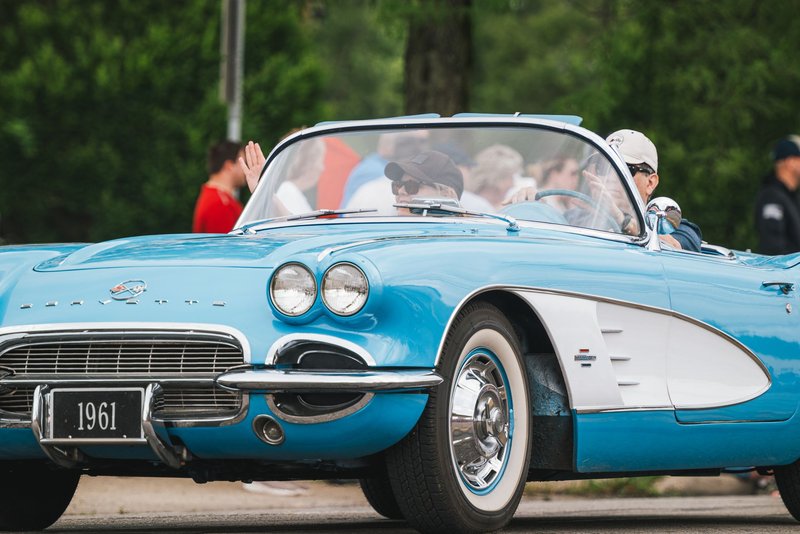
The 1963 Sting Ray was the first redesign of the Corvette, and it looked like nothing else on an American road. Bill Mitchell’s studio drew the shape, with hidden headlights and a sharp spine line. Underneath, the Corvette finally got independent rear suspension, a big step over the solid axle it had before.
The famous part is the coupe’s split rear window, a body-colored bar down the middle of the glass. It lasted one year. Zora Arkus-Duntov, the engineer behind the car, hated it because it blocked rear visibility, and it was gone for 1964. That’s exactly why collectors want 1963.
- Engine: 327 cu in V8, 250 to 360 hp depending on carburetor or fuel injection
- Original price: about $4,250 for the coupe, about $4,040 for the convertible
- Production: 21,513 in 1963, including 10,594 coupes
- Why it matters: the Corvette stopped being a styling exercise and became a real sports car
- Today: roughly $100,000 to $200,000 for a split-window coupe. The rare Z06 racing package, with only 199 built, trades into seven figures.
2. Shelby Cobra 289
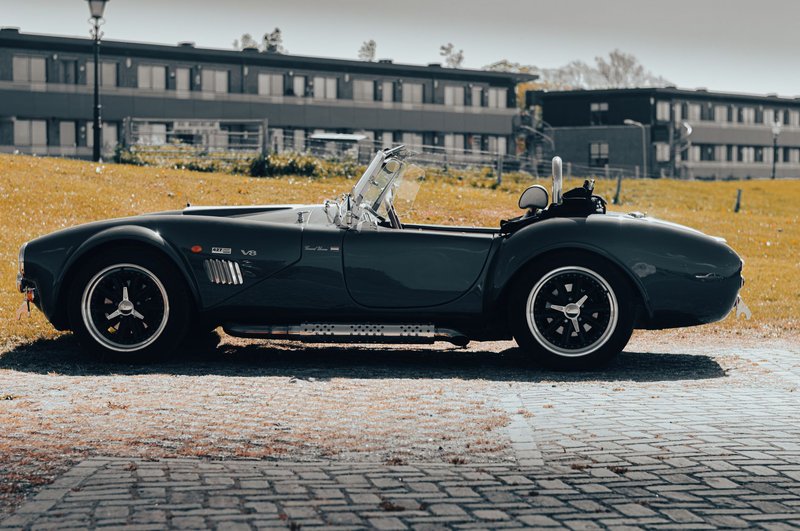
Carroll Shelby’s idea was simple: take a light British roadster, the AC Ace, and drop a Ford V8 into it. The first Cobras shipped in 1962 with the 260 cu in engine, and cars with the 289 followed in 1963. The result was a car that weighed little more than a ton and made well over 250 hp.
It was brutally fast for its time, and it didn’t pretend to be civilized. You sat close to the road with thin doors, no real roof, and a sound that startled people two blocks away.
- Engine: 289 cu in Ford V8, about 271 hp in high-performance form
- Original price: around $6,000
- Production: roughly 650 cars with the 260 and 289 engines combined, over 1962 to 1965
- Why it matters: it proved that a small shop and an off-the-shelf V8 could beat Europe’s best at their own game
- Today: seven figures for a real 289 car, which is why the replica business is so large
3. Studebaker Avanti
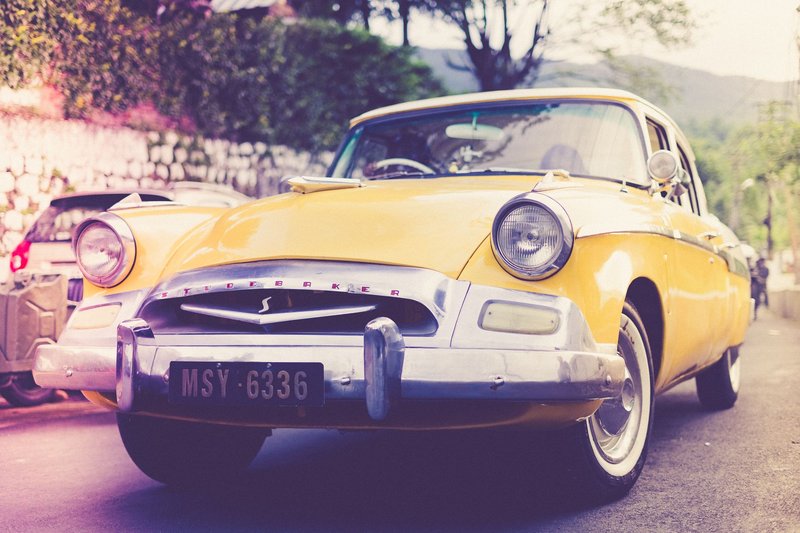
Studebaker was running out of money in 1962, so it hired industrial designer Raymond Loewy and a small team to produce a halo car fast. What came out was the Avanti: a fiberglass coupe with no traditional grille, a swooping “Coke bottle” waist, and an interior that looked like it came from a jet. Front disc brakes were standard, which almost no American car offered.
The supercharged R2 versions were quick enough to set records at the Bonneville Salt Flats. It didn’t save the company. Studebaker ended South Bend production in December 1963.
- Engine: 289 cu in V8, naturally aspirated or supercharged (R2, around 290 hp)
- Original price: about $4,450
- Production: 4,643 for the 1963 model year
- Why it matters: safety and design ideas that Detroit wouldn’t adopt widely for years
- Today: roughly $15,000 to $40,000, one of the cheapest ways into a genuinely unusual 1963 car
American luxury
4. Buick Riviera
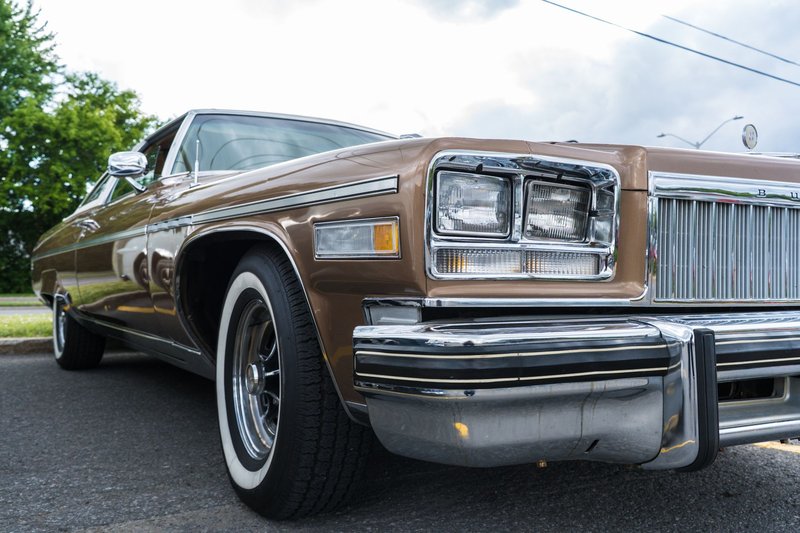
General Motors wanted a personal luxury coupe to compete with the Ford Thunderbird. The Riviera, drawn in Bill Mitchell’s studio, did the job and then some. It had a clean, knife-edged body with none of the chrome clutter of the era, and the proportions looked European. Motor Trend named it 1963 Car of the Year. For more on the decade’s coupes, see 15 best 1960s coupes worth knowing (and owning).
Under the hood was Buick’s 401 cu in “Nailhead” V8, a torquey engine that made the Riviera relaxed rather than raucous.
- Engine: 401 cu in V8, 325 hp
- Original price: about $4,330
- Production: about 40,000 in the first year
- Why it matters: it defined the American personal luxury coupe for the next decade
- Today: roughly $15,000 to $35,000. The rare Gran Sport version costs more.
5. Lincoln Continental
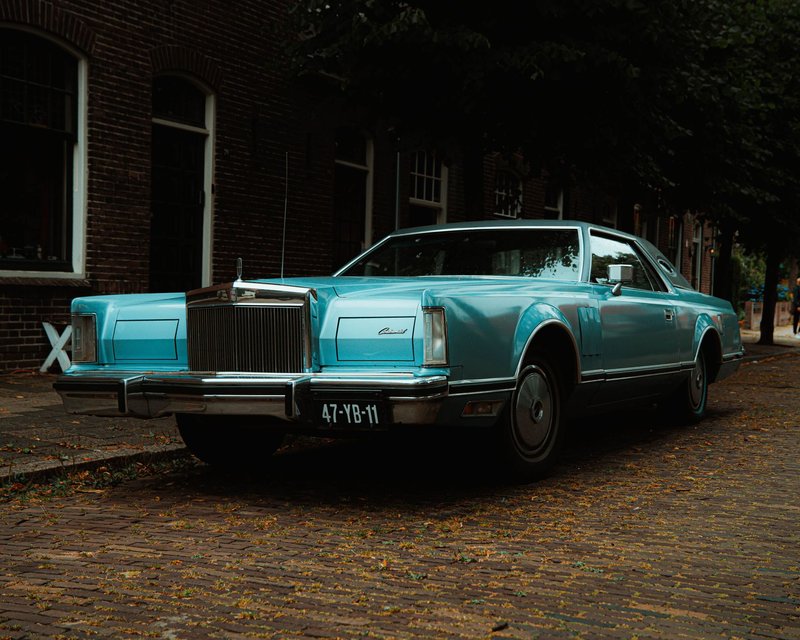
The slab-sided Continental had arrived in 1961, and by 1963 it was the car every other luxury maker was quietly copying. Elwood Engel’s design was plain and square, and it worked because it was so confident. The rear-hinged back doors, which people called “suicide doors”, gave it an unmistakable look when they swung open.
It carries a heavy piece of history too. The presidential limousine in which John F. Kennedy was riding in Dallas was a modified 1961 Continental, and The Henry Ford now keeps the car on display. The 1963 model sat next to it on dealer lots.
- Engine: 430 cu in V8, about 300 hp
- Original price: around $6,000 for the sedan, more for the convertible
- Why it matters: the last time a full-size American luxury car set the global design agenda
- Today: roughly $20,000 to $50,000, with convertibles at the top of that range
European sports cars
6. Aston Martin DB5
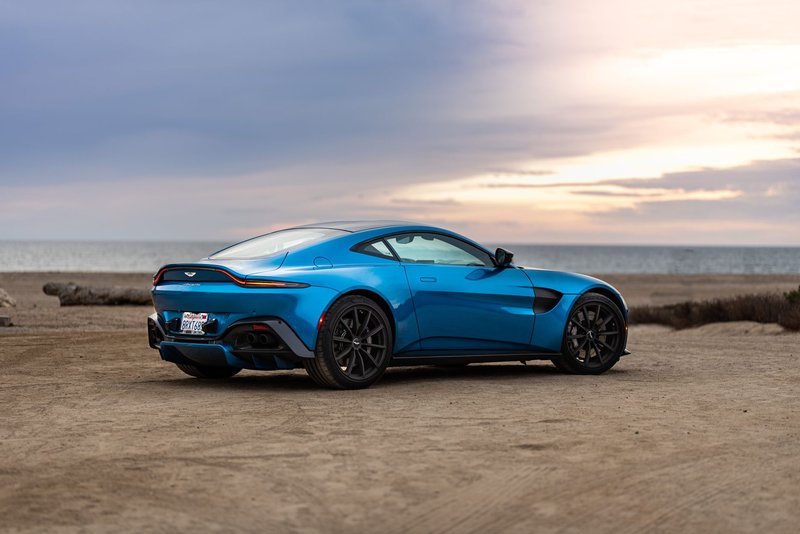
The DB5 was the DB4 refined: a 4.0-liter straight-six with more power, a five-speed gearbox on many cars, and a more complete interior. Production ran from 1963 to 1965. Then it appeared in Goldfinger in 1964 and became the most famous car in the world.
Even without James Bond, it earns its place. The aluminum-bodied Superleggera construction, the proportions, and the 282 hp straight-six made it one of the great grand tourers of the decade.
- Engine: 4.0-liter straight-six, 282 hp
- Original price: about £4,200 in Britain
- Production: about 1,000 coupes, plus a small number of convertibles and shooting brakes
- Why it matters: it set the template for the British grand tourer
- Today: roughly $700,000 to $1.2 million, with the best cars well above that
7. Porsche 911 (901)
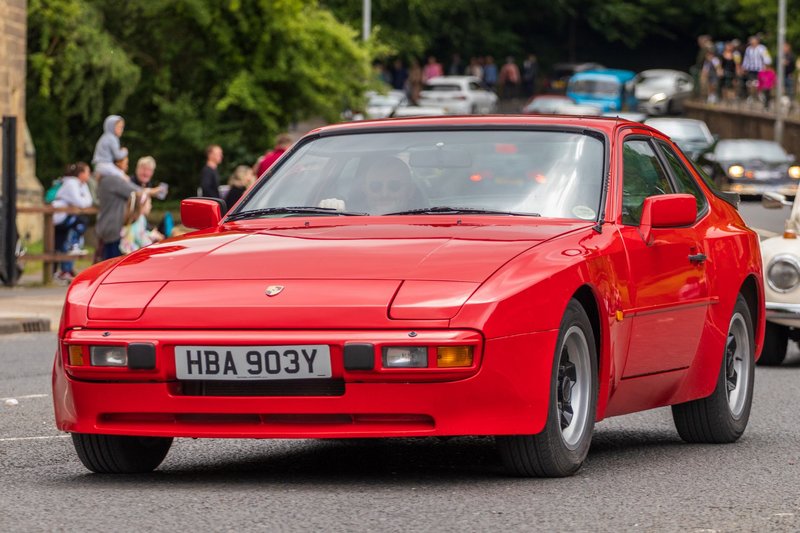
Porsche showed the replacement for the 356 at the Frankfurt Motor Show in September 1963. It was called the 901 then. Peugeot objected, saying it owned three-digit names with a zero in the middle, and Porsche changed it to 911 before series production began in 1964, as Porsche’s own history explains.
The design by Ferdinand Alexander Porsche was simpler and roomier than the 356, and it kept the rear-mounted air-cooled flat-six that defined the brand. The basic recipe is still in production.
- Engine: 2.0-liter air-cooled flat-six, 130 hp
- Original price: about 21,900 Deutsche Marks
- Why it matters: the most successful sports car design in history, still on sale today
- Today: early cars from 1965 onward often sell for $100,000 to $200,000, and the earliest examples are worth considerably more
8. Mercedes-Benz 230 SL
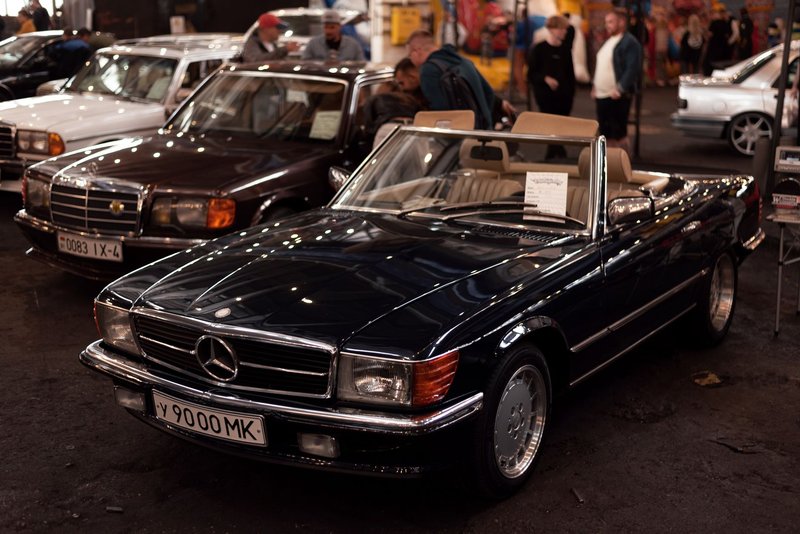
The 230 SL appeared at the Geneva show in March 1963. Its nickname, “Pagoda”, comes from the concave hardtop roof, which was a clever bit of engineering as well as styling: the dip let the roof sit higher at the sides so doors were easier to get through. Paul Bracq’s body was elegant, light and almost tidy compared with its American contemporaries.
It was also a real driver’s car, with Bosch fuel injection, front disc brakes and a smooth straight-six. People didn’t buy it to race. They bought it to cross Europe in a day without feeling tired. If you’re comparing it with the marque’s other classics, the classic Mercedes-Benz models actually worth buying covers the ones worth the money.
- Engine: 2.3-liter fuel-injected straight-six, 150 hp
- Production: 19,831 230 SLs from 1963 to 1967
- Why it matters: it created the modern idea of the Mercedes SL as a grand, usable roadster
- Today: roughly $80,000 to $150,000
9. Austin-Healey 3000 Mk II
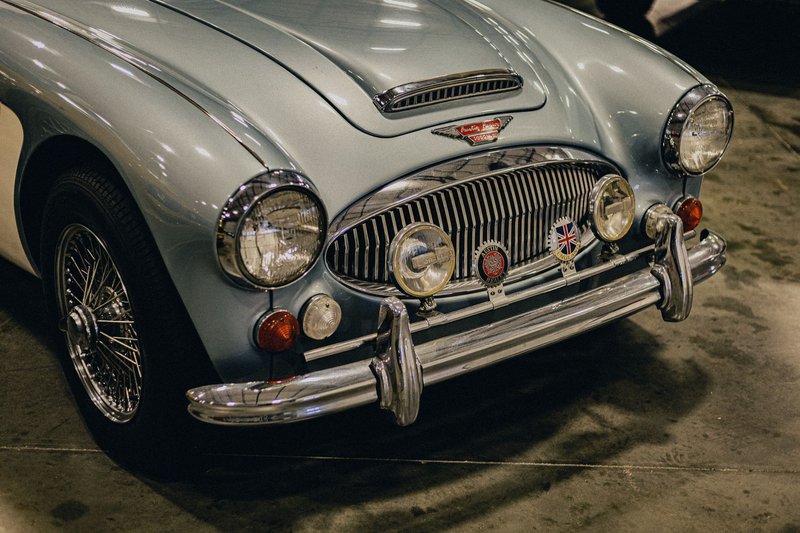
The 3000 was the classic British “big Healey”: a long hood, a straight-six, and a gearbox with overdrive. The 1963 Mk II convertible fixed the biggest complaint with earlier cars by adding proper wind-up windows and a folding top, so it was a lot more usable in bad weather.
It’s loud, heavy, and thrilling to drive. It also cost far less than the Cobra or the Aston Martin, which is why more people could actually buy one.
- Engine: 2.9-liter straight-six, about 130 hp
- Production: roughly 5,000 Mk II convertibles, built over 1963 and 1964
- Why it matters: the sports car of the working British enthusiast
- Today: roughly $50,000 to $100,000
Muscle and everyday cars
10. Chevrolet Impala SS 409
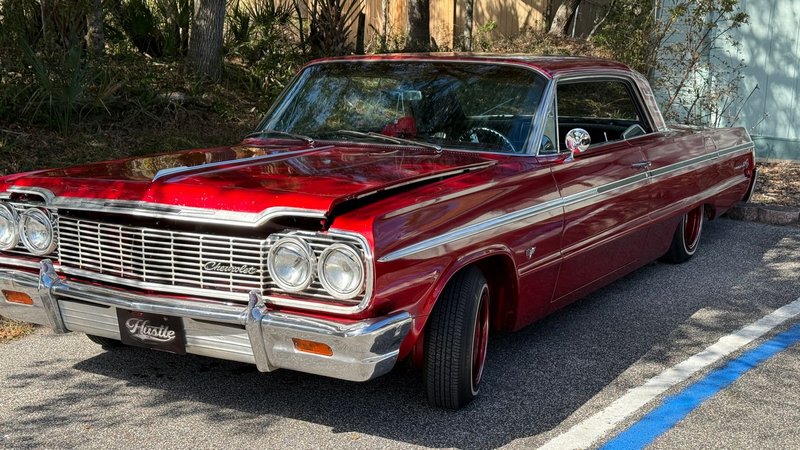
The Impala was Chevrolet’s family car. The SS package added bucket seats, a console and special trim, and the optional 409 cu in V8 turned it into a fast one. The Beach Boys wrote a song about the engine in 1962, which tells you how well known it was.
For a few hundred dollars you could order a family sedan or coupe that would run well in a stoplight race. That’s the beginning of what everyone later called muscle. Chevrolet’s full run through the decade is in 1960s Chevy cars: the full lineup and what they’re worth.
- Engine: 409 cu in V8, up to 425 hp with dual carburetors
- Why it matters: it showed Detroit that performance sold family cars
- Today: roughly $40,000 to $90,000 for a genuine 409 car
11. Dodge and Plymouth 426 Max Wedge
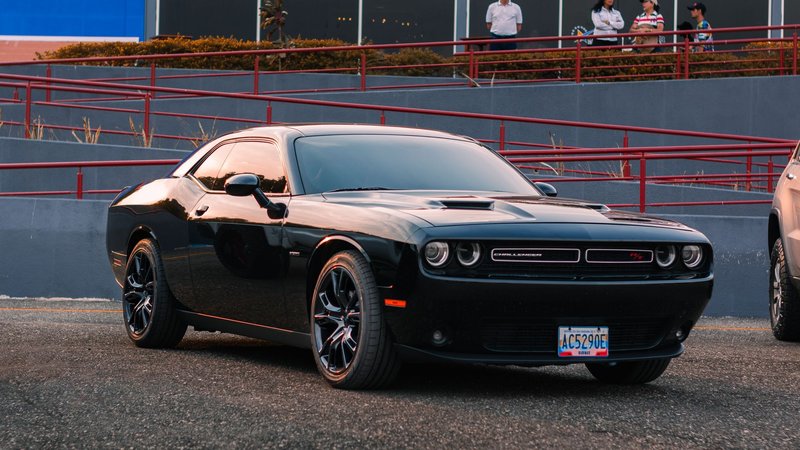
Chrysler’s answer to the drag strip was blunt. Take a lightweight, stripped Dodge 330 or Plymouth, put the 426 cu in “Max Wedge” V8 under the hood, and send it to the track. Output was 415 or 425 hp depending on compression, and the cars were built to win Super Stock classes.
They weren’t comfortable and they weren’t subtle. A few hundred were built, and they still show up at drag strips today.
- Engine: 426 cu in Max Wedge V8, 415 or 425 hp
- Why it matters: the Mopar muscle car era starts here
- Today: real, documented cars sell for six figures
12. Jeep Wagoneer
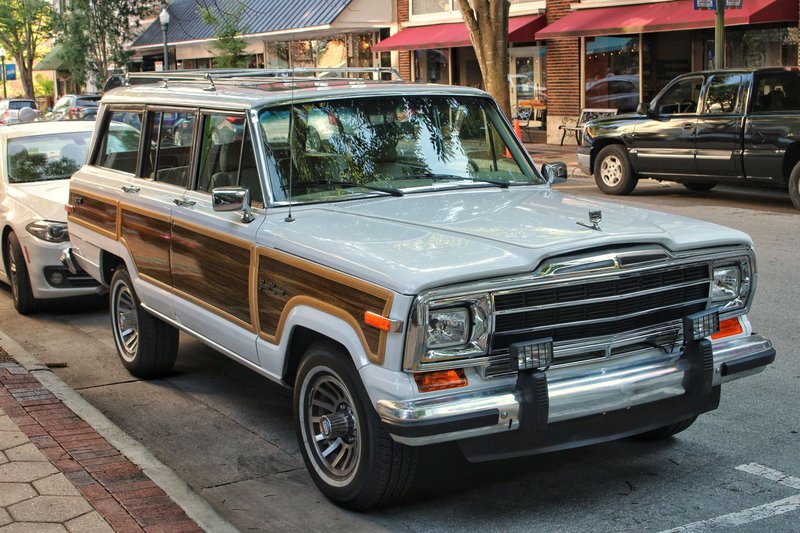
The Wagoneer arrived for the 1963 model year and made the case that a four-wheel-drive wagon didn’t have to feel like a truck. It had a smoother body by Brooks Stevens, an overhead-cam “Tornado” six, and automatic transmission and independent front suspension options. It was the first real premium SUV, 30 years before the word caught on.
It stayed in production in various forms until 1991. Few cars from 1963 can claim that.
- Engine: 230 cu in overhead-cam straight-six, 140 hp
- Why it matters: it created the premium SUV segment
- Today: roughly $15,000 to $40,000, more for fully restored examples
Pick by use case
| If you want… | Pick | Why |
|---|---|---|
| The definitive 1963 car | Corvette Sting Ray | Split window, modern chassis, huge following |
| A blue-chip collectible | Shelby Cobra 289 or Aston Martin DB5 | Seven-figure values and global demand |
| A car you’ll drive every weekend | Mercedes 230 SL | Reliable, comfortable, parts support |
| A classic British roadster | Austin-Healey 3000 Mk II | Affordable, loud, fun |
| An unusual, cheap classic | Studebaker Avanti | Rare, advanced, inexpensive |
| A cruiser with style | Buick Riviera or Lincoln Continental | Big, smooth, great design |
| Straight-line speed | Impala SS 409 or Max Wedge | The beginning of muscle |
| A daily usable classic | Jeep Wagoneer | Four-wheel drive and room for the family |
| An early icon | Porsche 911 | The beginning of the world’s longest-running sports car |

Marco Delantero
More from Marco DelanteroHow we reviewed this article
This article was researched against manufacturer records and editorially reviewed before publishing. We accept no payment for coverage. Some guides contain affiliate links; see our affiliate disclosure.