The 1988 Volkswagen lineup depends on which side of the Atlantic you’re standing on. In the US, a showroom held the Fox, Golf, GTI, Jetta, Scirocco, Cabriolet, Quantum and Vanagon. In Germany, it held the Polo, Golf, Jetta, a brand-new Passat and a coupe called the Corrado that Americans wouldn’t see for two more years. Most lists mash the two together. This one keeps them apart.
Table of Contents
- TLDR
- Why the 1988 range differed by market
- 1988 Volkswagen models sold in the US
- 1988 Volkswagen models sold in Europe
- Name differences: who is who
- 1988 VW comparison table
- Which 1988 VW is worth buying now
TLDR
- US 1988 lineup (8 nameplates): Fox (sedan and wagon), Golf, GTI and GTI 16V, Jetta (including the GLI 16V), Scirocco, Cabriolet, Quantum (including the Syncro wagon), Vanagon (including the Syncro 4WD).
- European 1988 lineup: Polo and Polo Coupé, Golf and Golf Cabriolet, Jetta, the new Passat and Passat Variant, and the freshly launched Corrado.
- Starting US prices: Fox $6,590, Jetta $9,195, Scirocco $14,440, Cabriolet $14,750, Vanagon $16,590, Quantum $17,975.
- Buy today: GTI 16V, Jetta GLI 16V and Scirocco 16V for driving fun; Vanagon Syncro for value that keeps climbing; Quantum Syncro wagon if you want something nobody else at the meet has.
Why the 1988 range differed by market
Volkswagen built cars for specific regulations and price points, so the same year produced two different catalogs. The US range leaned on Golf-platform cars, a Brazilian-built entry model, and the old rear-drive-era van. Europe had a smaller Polo underneath it all and, in 1988, two big new launches. For the rest of the 1988 model year, Cars Made in 1988: The Complete Guide puts these VWs next to everything else on sale.
Volkswagen’s own 1988 range photo lines up Polo, Polo Coupé, Golf, Golf Cabriolet, Jetta, Corrado, Passat and Passat Variant. Not one of those cars wears a Fox, Quantum, Scirocco or Vanagon badge, which tells you how far apart the two catalogs were.
1988 Volkswagen models sold in the US
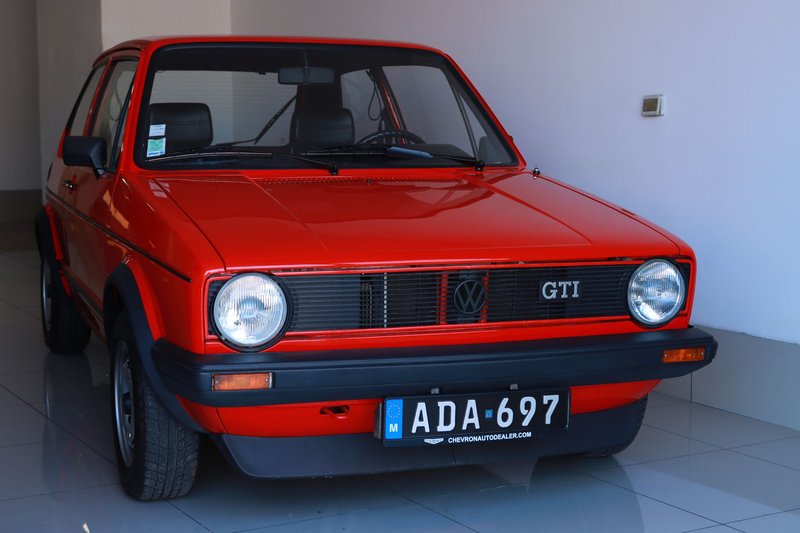
Fox and Fox Wagon
The cheapest VW you could buy, at $6,590. It was built in Brazil, derived from the Brazilian-market Gol and Voyage line, and powered by a 1.8-liter four making about 81 horsepower. It came as a two-door, a four-door and a wagon. It drives like what it is: a tough, simple, cheap car. Survivors are rare because almost nobody saved one.
Who it suits today: Someone who wants the weirdest cheap entry in the VW family tree.
Golf and GTI (including the GTI 16V)
The Golf was the core of the range, sold as a two- or four-door hatchback. The GTI sat at the top, and the 16-valve version made around 123 horsepower in US trim. That’s modest next to the 139 hp European GTI 16V, but the chassis does the work. Light, balanced, and still the template for every hot hatch that followed.
Who it suits today: Anyone who wants the definitive 1980s hot hatch. The 16V is the one to find.
Jetta and Jetta GLI 16V
The Jetta was the Golf with a trunk, starting at $9,195, and it sold in large numbers. The GLI 16V took the GTI’s 16-valve engine and put it in a sedan, which made it the sleeper of the lineup. Diesel and turbodiesel Jettas also existed for people who valued mileage over speed.
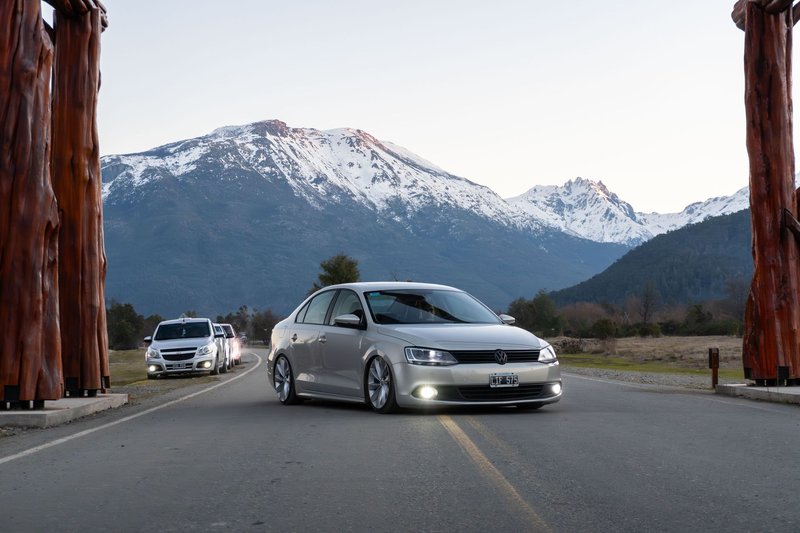
Who it suits today: A practical four-door that still feels quick. The GLI 16V is the one to watch.
Scirocco
The second-generation Scirocco was a sharp wedge coupe, starting at $14,440. The 16V version used the same 123 hp engine as the GTI 16V in a lighter, lower body. 1988 was its last year in the US; the Corrado replaced it there in 1990.
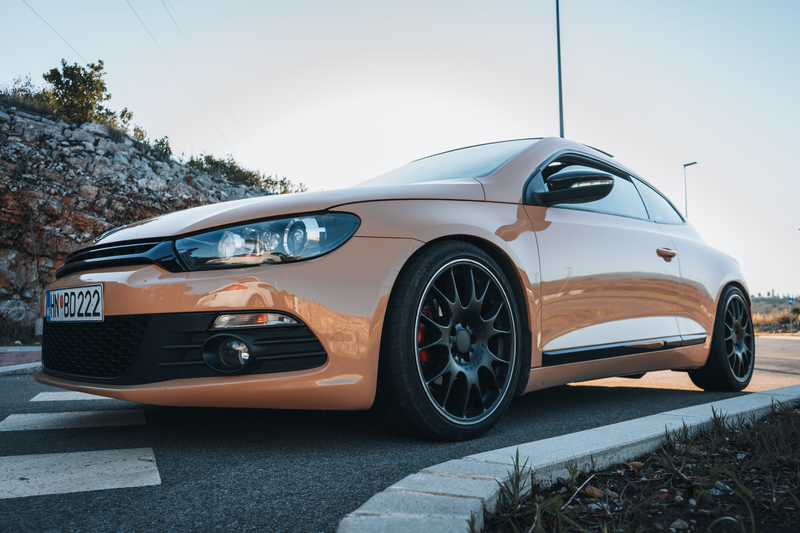
Who it suits today: Someone who wants Giugiaro styling and a GTI drivetrain, with fewer people owning one.
Cabriolet
Still built on the first-generation Golf platform by Karmann, the Cabriolet cost $14,750. It looked a decade older than the Golf you could buy next to it, and nobody cared, because it was one of the few affordable convertibles in the country. Its roll hoop and rear quarter panels became part of its look.
Who it suits today: The convertible buyer who wants a cheap, simple, easy-to-fix drop-top.
Quantum and Quantum Syncro
The Quantum was the American name for the Passat of the era. At $17,975 it was the most expensive passenger car in the US range, powered by a 2.2-liter five-cylinder. A Syncro all-wheel-drive wagon was also available. 1988 was the Quantum’s last model year in the US, and sales that year were about 3,000 cars, so every one you see now is a survivor.
Who it suits today: The buyer hunting something truly uncommon. The Syncro wagon is the one to chase.
Vanagon and Vanagon Syncro
The Vanagon started at $16,590 and was powered by a 2.1-liter water-cooled flat-four. Camper versions, mostly Westfalia conversions, sat on top of that base. The Syncro, a four-wheel-drive version, arrived in the US in the late 1980s and became the van people still pay serious money for.
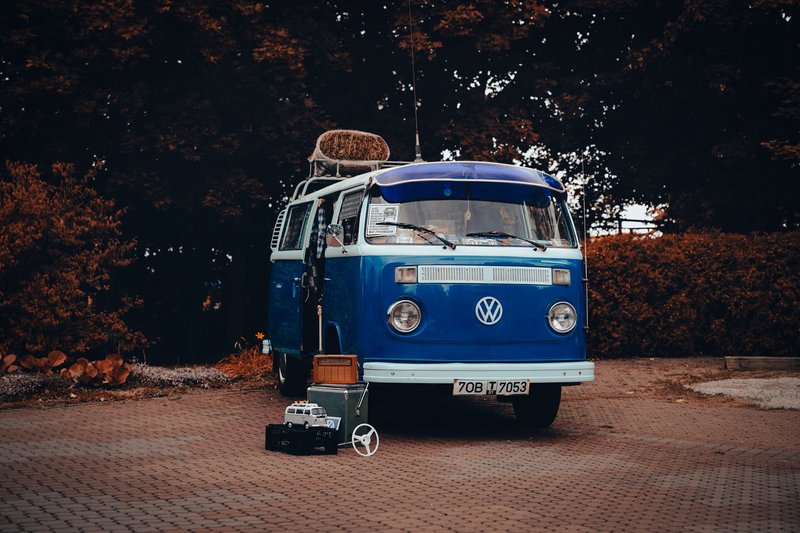
Who it suits today: Overlanders, van-lifers and collectors with patience and a good mechanic.
1988 Volkswagen models sold in Europe
Polo and Polo Coupé
The Polo sat underneath the Golf and was the cheap runabout across the continent. The Polo Coupé added a sloping hatch and a more rakish profile. Neither was sold in the US, which is why Americans never saw the small end of VW’s catalog.
Golf, Golf GTI 16V and Golf Cabriolet
The European Golf was the same second-generation car the US received, but with a wider engine menu. The GTI 16V made 139 hp, and a Syncro all-wheel-drive Golf existed in limited numbers. The Golf Cabriolet continued on the first-generation body, as it did in America.
Jetta
The Jetta was sold on both continents with similar styling and a different engine selection.
Passat and Passat Variant
The big change. The third-generation Passat arrived in 1988 as the first Passat built around a transverse engine. The US wouldn’t get it until 1990, which is why the Quantum soldiered on to the end of 1988.
Corrado
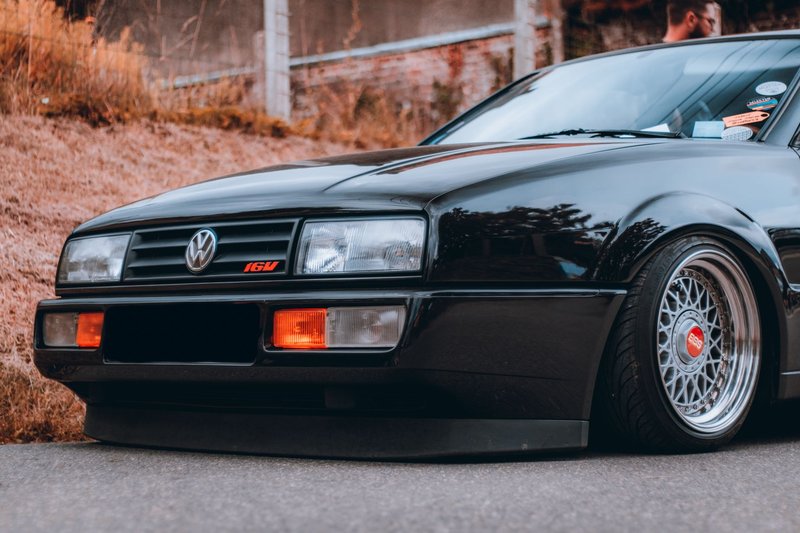
The Corrado reached Europe in 1988 as a coupe that sat above the Scirocco. The launch version used a supercharged 1.8-liter engine, the G60, making 160 hp. It took the sports coupe slot Volkswagen needed, and the US had to wait until 1990 for it.
Name differences: who is who
Nameplates change by market, which is where most confusion starts.
- Quantum = Passat. The Quantum was the US name for the second-generation Passat (B2). The US called its next Passat a Passat.
- Fox = a Brazilian-built budget car, not a Polo. If you want the European equivalent, look at the Polo’s role in the lineup rather than its mechanical underpinnings.
- Vanagon = Transporter T3. In Europe, the passenger-focused versions were called Caravelle.
- Scirocco and Corrado. Europe received the Corrado in 1988 while the Scirocco was still on sale. The US got the Corrado after the Scirocco was dropped.
- Golf and Rabbit. The Rabbit name was retired in the US by this point. The car is a Golf in both markets. For how the Rabbit gave way to the Vanagon across the decade, see Every 1980s Volkswagen Model, From Rabbit to Vanagon.
Volkswagen also kept building cars outside these two markets. Brazil had the Gol and Voyage, and Mexico still built the original Beetle. Those are separate stories.
1988 VW comparison table
| Model | Market | Body | Engine highlight | 1988 US starting price | Collectibility |
|---|---|---|---|---|---|
| Fox | US | Sedan, wagon | 1.8L four, ~81 hp | $6,590 | Low, rare survivors |
| Golf / GTI 16V | US, Europe | Hatchback | 1.8L 16V, ~123 hp (US) | n/a | High (16V) |
| Jetta / GLI 16V | US, Europe | Sedan | 1.8L 16V on the GLI | $9,195 | Medium-high (GLI) |
| Scirocco | US, Europe | Coupe | 1.8L 16V, ~123 hp | $14,440 | Medium-high |
| Cabriolet | US, Europe | Convertible | 1.8L four | $14,750 | Medium |
| Vanagon / Syncro | US, Europe (as T3) | Van | 2.1L flat-four | $16,590 | High (Syncro) |
| Quantum / Syncro | US | Sedan, wagon | 2.2L five-cylinder | $17,975 | Niche (Syncro wagon) |
| Polo / Polo Coupé | Europe | Hatchback | Small four | n/a | Low-medium |
| Passat / Variant (B3) | Europe | Sedan, wagon | Transverse four | n/a | Low-medium |
| Corrado | Europe | Coupe | 1.8L supercharged, 160 hp | n/a | High |
Which 1988 VW is worth buying now
For driving: The Golf GTI 16V, Jetta GLI 16V and Scirocco 16V share the same engine, so pick based on body style. A GTI is the purist choice, a GLI hides it in a sedan, a Scirocco looks the best. Prices have climbed for clean, unmodified cars, so rust and modified examples are the main traps.
For value that grows: The Vanagon Syncro. Four-wheel-drive vans from this era have become the ones people chase, and the Syncro was the best-built version.
For rarity: The Quantum Syncro wagon. With sales of the Quantum at about 3,000 for the year, and the Syncro a fraction of those, you’ll find one in a handful of places a year.
For cheap fun: The Cabriolet. It’s the simplest and cheapest way into a VW convertible, and parts remain easy to find.
For the long shot: The Fox. It’s the least valuable car here, but the Fox Wagon is a rare sight on a classic-car lot.
Inspect any 1988 VW for rust around the sills and wheel arches, tired suspension bushings and electrical gremlins before you worry about engine condition. These cars are simple, and a sound body with a worn engine is a better start than the reverse.

Marco Delantero
More from Marco DelanteroHow we reviewed this article
This article was researched against manufacturer records and editorially reviewed before publishing. We accept no payment for coverage. Some guides contain affiliate links; see our affiliate disclosure.