Nissan’s 1989 lineup was split in two. American showrooms had the Sentra, Stanza, Maxima, the brand-new 240SX, a Pulsar NX, a Pathfinder and a hardbody pickup. Japan had something stranger and faster: a twin-turbo Skyline, a pop-up-headlight hatchback and a retro microcar that sold out its entire production run in months. This guide covers the 1989 Nissan car models on both sides, with the engine, the body style and where each car stands today.
TLDR
- Best US daily-driver classic: the Maxima SE. 160 hp V6, 5-speed, and a “four-door sports car” pitch that was half true.
- Best US enthusiast pick: the 240SX. First model year, rear-wheel drive, 140 hp, and a huge aftermarket.
- Best import: the R32 Skyline GT-R, if you can afford it. The 180SX is the cheaper way into the same chassis family.
- Quirkiest: the Pao and S-Cargo. Cheap to run, hard to find, and every bit as cute in person.
- Not a 1989 car: the Sentra SE-R. It arrived in 1991.
Contents
- Quick-reference table
- US-market 1989 Nissans
- Japan-only 1989 Nissans
- Can you import a 1989 Nissan?
- Current values and what to check when buying
Quick-reference table
| Model | Engine | Drivetrain | Body style | Market |
|---|---|---|---|---|
| Sentra (B12) | 1.6L GA16i, 90 hp | FWD | Sedan, hatchback, coupe, wagon | US |
| Stanza | 2.0L four-cylinder | FWD | Sedan | US |
| Pulsar NX | 1.6L GA16i or 1.8L DOHC CA18DE | FWD | Modular hatchback coupe | US |
| Maxima (J30) | 3.0L VG30E V6, 160 hp | FWD | Sedan | US |
| 240SX (S13) | 2.4L KA24E, 140 hp | RWD | Coupe, hatchback | US |
| 300ZX (Z31) | 3.0L V6, 160 hp; turbo 200 hp | RWD | 2-seat and 2+2 T-top | US |
| Pathfinder | 2.4L four or 3.0L V6 | 2WD or part-time 4WD | 2-door SUV | US |
| Hardbody pickup | 2.4L four or 3.0L V6 | 2WD or 4WD | Regular and King Cab | US |
| Silvia / 180SX | 1.8L turbo CA18DET, 175 PS | RWD | Coupe, hatchback | Japan |
| Skyline GT-R (R32) | 2.6L twin-turbo RB26DETT, 276 PS | AWD | Coupe | Japan |
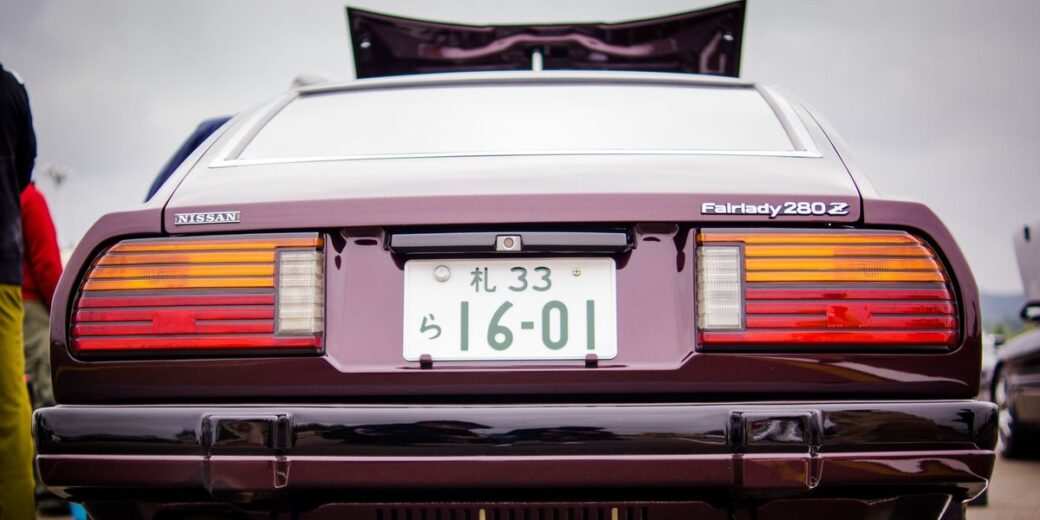
| Fairlady Z (Z32) | 3.0L twin-turbo V6, 280 PS | RWD | 2-seat and 2+2 | Japan |
| Pao / S-Cargo / Be-1 | 1.0L MA10S, about 52 PS | FWD | Retro hatchback, van, hatchback | Japan |
US-market 1989 Nissans
Maxima GXE and SE
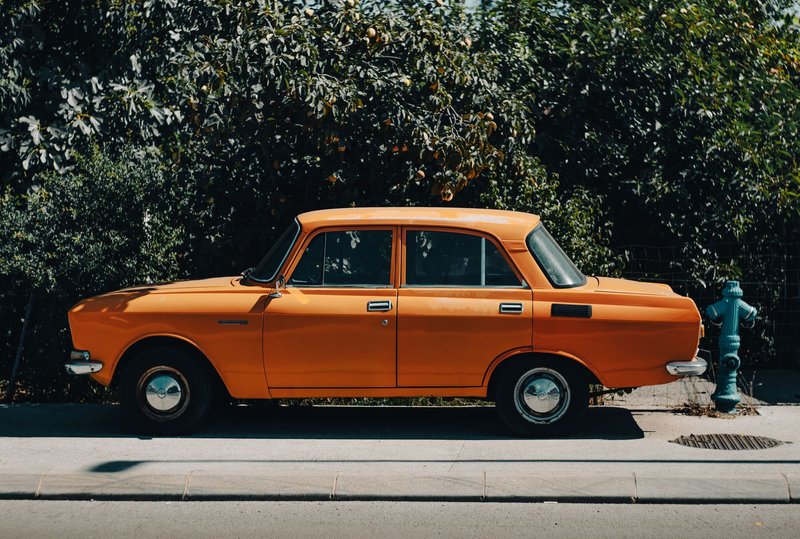
The 1989 Maxima was a clean-sheet redesign. The third-generation J30 debuted in October 1988 with a 3.0-liter VG30E V6 rated at 160 hp, front-wheel drive, and independent rear suspension with trailing arms. Nissan sold it as a “four-door sports car” and put a “4DSC” decal on the window to make sure you noticed.
Two trims. The GXE was the comfort car, with an optional Luxury Package that included keyless entry and a heads-up speed display. The SE added a rear spoiler, black trim and a firmer ride. Automatic was the standard gearbox in North America, so a 5-speed SE is the one collectors hunt for.
If you want a 1989 Nissan that still works as a real car, this is the one. The VG30E is a durable engine, and the J30 body hasn’t aged badly. Expect the electronics to be the weak point.
240SX
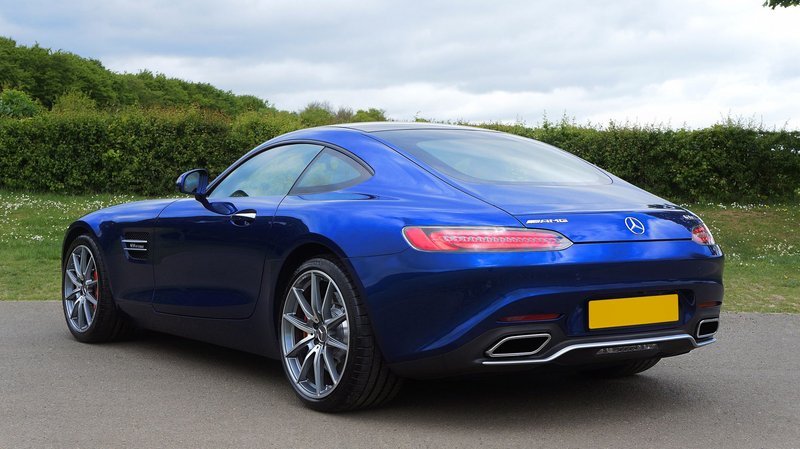
The 240SX is the 1989 Nissan most readers are actually searching for. It replaced the 200SX in the US for the 1989 model year, moved to the S13 platform, and arrived as a rear-wheel-drive coupe or hatchback.
Under the hood sat the KA24E, a 2.4-liter SOHC four with three valves per cylinder, rated at 140 hp and 152 lb-ft. It came with a 5-speed manual or 4-speed automatic. Four-wheel disc brakes were standard and ABS was optional on the SE. Car and Driver measured 0-60 mph in 8.6 seconds and a 16.4-second quarter mile. Not fast. That was never the point.
The 1989 car is the first-year version, so it lacks the later DOHC KA24DE (which arrived for 1991) and the limited-slip differential that US cars only got in the 1991 sports package. It also has the cleanest, least modified lineage of any S13 left, which matters because the car became the default drift platform in America and most surviving examples have lived hard lives.
Sentra
The 1989 Sentra was the B12 generation, and it came in more body styles than a compact car should: two- and four-door sedans, a three-door hatchback, a five-door wagon and the three-door Sport Coupe. Trims ran E, XE, GXE and SE.
Every US Sentra used the same 1.6-liter GA16i four, a 12-valve SOHC engine making 90 hp. Transmissions were a 4-speed or 5-speed manual, or a 3-speed automatic with lockup. The Sport Coupe was the fun one, with dual sway bars, a tachometer and dual remote mirrors.
One correction for anyone searching “1989 Nissan Sentra SE-R”: there isn’t one. The SE-R and its 140 hp SR20DE engine arrived with the next generation, the B13, in 1991. A 1989 SE is the sporty coupe trim, not the car people mean when they say SE-R.
Stanza
The Stanza was Nissan’s mid-size family sedan, a 2.0-liter four-cylinder, front-wheel-drive car and the unglamorous one in the lineup. 1989 was the last year of this generation before the redesigned 1990 model. Survivors are rare precisely because nobody thought to keep one.
Pulsar NX
The Pulsar NX is the oddest US-market car on this list, and the most interesting for a modern reader. It was one body that could be changed into several. The rear could take a coupe-style hatch or a Sportbak canopy that turned it into a shooting-brake wagon, and a T-bar roof panel came off too.
Two engines were offered: the 1.6-liter GA16i in the base XE and the twin-cam 1.8-liter CA18DE in the SE. Front-wheel drive, no pretense of being a sports car. The Sportbak is the thing to look for. Very few complete cars survive with it.
300ZX (Z31)
The Z31 300ZX was in its last year in 1989, sharing showroom space with a redesign that didn’t reach the US until the 1990 model year. Rear-wheel drive, T-top roof, in two-seat or 2+2 form. The naturally aspirated 3.0-liter V6 made 160 hp. The turbo version made 200 hp.
It’s the car that fills the gap between the old Datsun Z and the Z32 everyone remembers. Clean Z31 Turbos are still affordable compared with the Z32.
Pathfinder
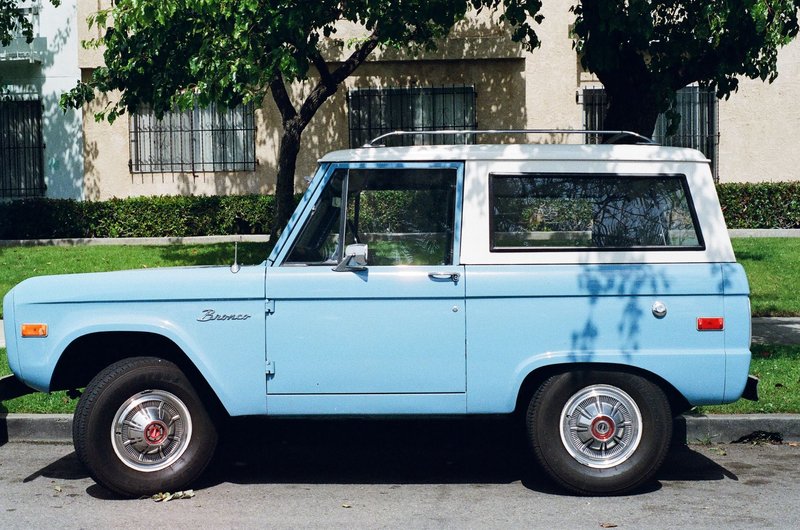
Every Pathfinder sold in the US through 1989 was a two-door, body-on-frame SUV. The four-door body arrived in October 1989 for the 1990 model year, which makes the 1989 truck the last of the two-door generation here.
Engine choices matched the Hardbody pickup it was built from: a 2.4-liter Z24i four making about 106 hp, or a 3.0-liter VG30i V6 making about 143 hp and 162 lb-ft. It came in two-wheel drive or with manually engaged four-wheel drive. The V6 four-wheel-drive version is the one that makes sense.
Hardbody pickup
The D21 Hardbody sold in regular-cab and King Cab versions, with the same 2.4-liter four and 3.0-liter V6 as the Pathfinder, in 2WD or 4WD. It’s not a car in the strict sense, but it’s on the 1989 Nissan price sheet and it’s one of the better old trucks to own. Simple, reliable, and still cheap compared with its Toyota rival.
Japan-only 1989 Nissans
Skyline GT-R (R32)
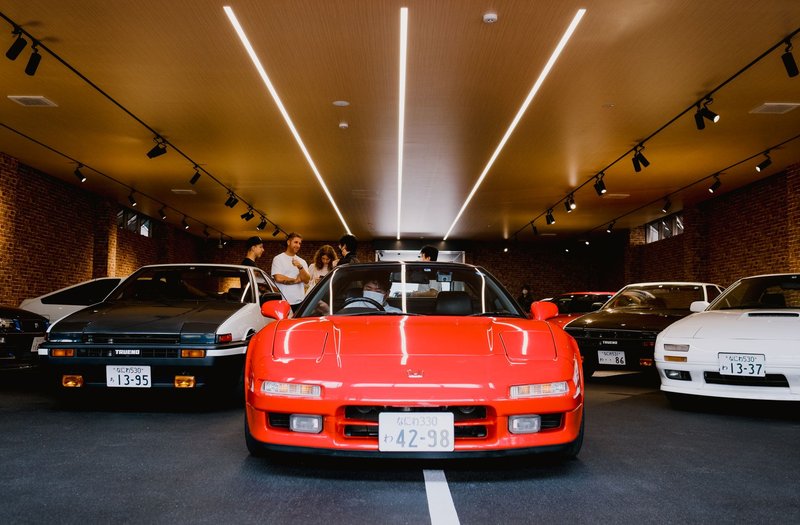
The R32 GT-R went on sale in Japan in August 1989 and rewrote the performance-car rulebook. Under the hood was a 2.6-liter twin-turbo inline-six, the RB26DETT, and power went through the ATTESA E-TS all-wheel-drive system. Nissan rated the output at 276 PS (about 272 hp), a number the Japanese manufacturers had agreed not to exceed. Real output was higher, and the engine took a lot of tuning without complaint. Torque News puts potential at around 450 hp with the right parts.
Australian press called it “Godzilla.” Nissan built it for Group A racing, where it dominated Japan’s touring car series for most of its run. Hundreds have since crossed into the US. For collectors it’s the 1989 Nissan that has aged into a blue-chip asset.
Silvia and 180SX
The 180SX is the car the American 240SX wanted to be. It’s an S13 hatchback with pop-up headlights, launched in Japan in 1989, with the CA18DET, a turbocharged 1.8-liter four rated at 175 PS. It was sold alongside the Silvia, the S13 coupe.
You’ve probably seen the result in the US: 240SXs with a 180SX front end and an SR20DET swap. The real thing is right-hand drive, turbocharged from the factory and rarely sold in clean, unmodified condition.
Fairlady Z (Z32)
Japan got the Z32 in mid-1989, a year before the US. The twin-turbo 3.0-liter V6 was rated at 280 PS. It’s the car that eventually became the US 300ZX Twin Turbo, and a 1989 Japanese example is a very early build.
Pao, Be-1 and S-Cargo
These three are Nissan’s Pike Factory cars: small, retro-styled hatchbacks and vans built on the Micra platform with a 1.0-liter engine making about 52 PS.
The Be-1 came first, in 1987, as a limited run of about 10,000 cars sold by lottery. It isn’t a 1989 model, but it explains the next two. The Pao followed in 1989, with a design that borrows from the Citroen 2CV and Fiat 500. Torque News reports that all 51,657 units built in 1989 sold out within months. The S-Cargo, a small van based on the Pao, sold only marginally in Japan but became a favorite of small businesses abroad.
They’re slow, front-wheel drive and right-hand drive. They’re also the cars most likely to get strangers talking to you at a gas station.
Can you import a 1989 Nissan?
Yes. Under the US 25-year rule, a vehicle can be imported without meeting US safety and emissions standards once it’s 25 years old, so every 1989 model is eligible. The NHTSA’s importing guide lists the paperwork, and the EPA’s page on importing vehicles covers the emissions side. Registration rules after that differ by state, especially for right-hand-drive cars. For background on Japanese-market cars, see the JDM car guide.
Current values and what to check when buying
Prices move quickly in this segment, so treat these as rough ranges and check recent sales before you buy.
- Maxima SE and GXE: Still cheap. A clean manual SE is worth more than a standard GXE. Check the electronics, the suspension and the timing belt history.
- 240SX: Prices have climbed steadily for a decade. Look for original paint, a stock engine bay and no signs of drift use. Check the frame rails and floors for rust or repairs.
- Sentra, Stanza and Pulsar NX: Mostly inexpensive, and parts are harder to find than the price suggests. A complete Pulsar NX with Sportbak is the rare one.
- Pathfinder and Hardbody: Frame rust is the main risk, especially on cars from the salt belt. The V6 is the better engine.
- R32 GT-R: Often well into five figures, frequently $50,000 or more for a good one. Check for rust, the condition of the RB26, ATTESA behavior and whether the car has been modified.
- 180SX: Prices have also risen. Many have been modified or swapped, so unmodified cars are the premium.
- Pao, Be-1 and S-Cargo: Often priced above what the specs suggest because of rarity and charm. Check for rust, cabin electrics and importer paperwork.
For any import, confirm the export certificate, the VIN and the manufacture date before you pay, because the 25-year clock runs from the month of manufacture.

Marco Delantero
More from Marco DelanteroHow we reviewed this article
This article was researched against manufacturer records and editorially reviewed before publishing. We accept no payment for coverage. Some guides contain affiliate links; see our affiliate disclosure.