1990 was the year Japan stopped chasing European and American carmakers and started setting the pace. The Acura NSX, Nissan 300ZX Twin Turbo, Lexus LS 400 and Mazda Miata all landed within roughly twelve months of each other, and Detroit and Stuttgart spent the next decade responding. This guide covers the 1990 car models worth knowing: what’s under the hood, what they cost new, and whether you can realistically buy one now.
One housekeeping note. Carmakers in 1990 launched cars in different markets at different times, and “model year” rarely matches the calendar. The Miata was unveiled in 1989, the BMW E36 reached showrooms late in 1990, and the NSX and Ford Explorer went on sale as 1991 models. We’ve included cars that debuted or hit their stride in 1990 and flagged the dates where they get murky.
Contents
- TLDR
- 1990 car models at a glance
- 1990 sports cars
- Sedans and coupes
- Trucks and SUVs
- Best-selling cars of 1990
- Buying a 1990 classic today
- FAQ
TLDR
- Most important debut: Acura NSX, the first everyday supercar.
- Best fun per dollar today: Mazda MX-5 Miata (NA).
- Fastest and rarest: Lamborghini Diablo and Chevrolet Corvette ZR-1.
- Best used-car value: Honda Accord, Toyota Land Cruiser 80 Series, Nissan 300ZX.
- Best seller in the US: Honda Accord, with the Ford F-Series leading all vehicles.
1990 car models at a glance
| Model | Engine | Power | New price (approx.) | Why it mattered |
|---|---|---|---|---|
| Mazda MX-5 Miata | 1.6L I4 | 116 hp | $13,800 | Revived the cheap roadster |
| Acura NSX | 3.0L V6 VTEC | 270 hp | $60,000 | Supercar you could daily drive |
| Nissan 300ZX Twin Turbo (Z32) | 3.0L twin-turbo V6 | 300 hp | $30,000 | Japan’s tech showcase |
| Chevrolet Corvette ZR-1 | 5.7L DOHC V8 | 375 hp | $58,995 | Beat Ferrari on a Corvette budget |
| Lamborghini Diablo | 5.7L V12 | 492 hp | Over $200,000 | First production Lambo over 200 mph |
| Lexus LS 400 | 4.0L V8 | 250 hp | $35,000 | Embarrassed the German flagships |
| Audi S2 Coupé | 2.2L turbo I5 | 220 PS | Varies by market | Quattro and turbo in a quiet coupe |
| BMW 3 Series (E36) | Inline-6 and I4 | Varies | Varies by market | Set the template for a generation |
| Ford Explorer | 4.0L V6 | 160 hp | About $17,000 | Made the SUV a family car |
1990 sports cars
Mazda MX-5 Miata (NA)
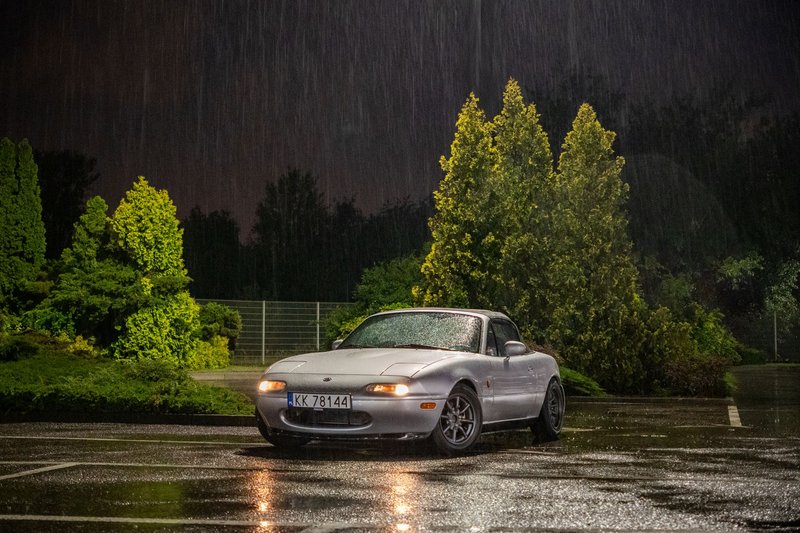
Mazda showed the Miata in 1989 and it was a 1990 model in the US. The recipe was borrowed from 1960s British roadsters, minus the oil leaks: front engine, rear drive, manual gearbox, and a curb weight around 2,100 lb. The 1.6-liter four made 116 hp, which sounds modest until you drive a car that light.
It cost about $13,800 and dealers marked it up anyway. The NA Miata went on to become the best-selling two-seat sports car in history, and the reason is simple: it’s the car that proved you didn’t need big power to have a good time.
Today: The easiest 1990 car to live with. Parts are cheap and the aftermarket is enormous. Watch for rust in the rocker panels and rear wheel arches. Clean, unmodified examples commonly sell for $10,000 to $20,000 and rising.
Acura NSX
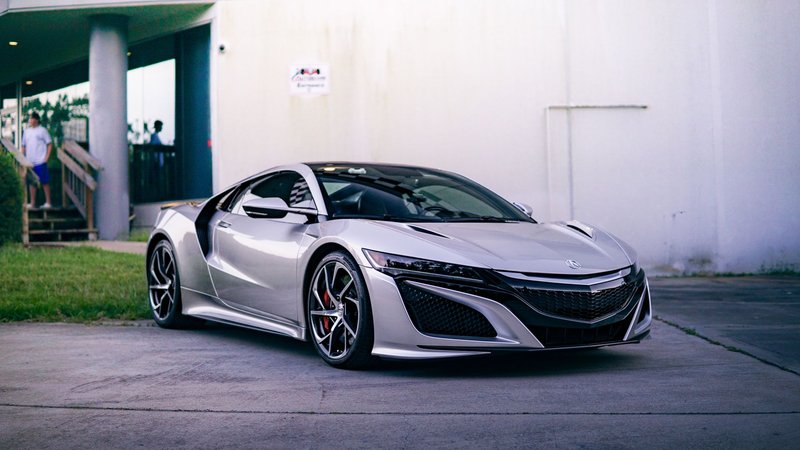
Honda built an all-aluminum, mid-engine car with a 3.0-liter VTEC V6 making 270 hp, and then tuned the suspension with input from Ayrton Senna. Sales started in the US in 1990, for the 1991 model year, at around $60,000. A Ferrari 348 cost more and spent more time in the shop.
The NSX mattered because it proved a supercar could start every morning, have good visibility, and not need a specialist for a basic service. Ferrari’s later road cars owed it a debt.
Today: Prices climbed far beyond the original sticker, with good early cars now well into six figures. Buy on service history. Aluminum body repairs are expensive.
Nissan 300ZX Twin Turbo (Z32)
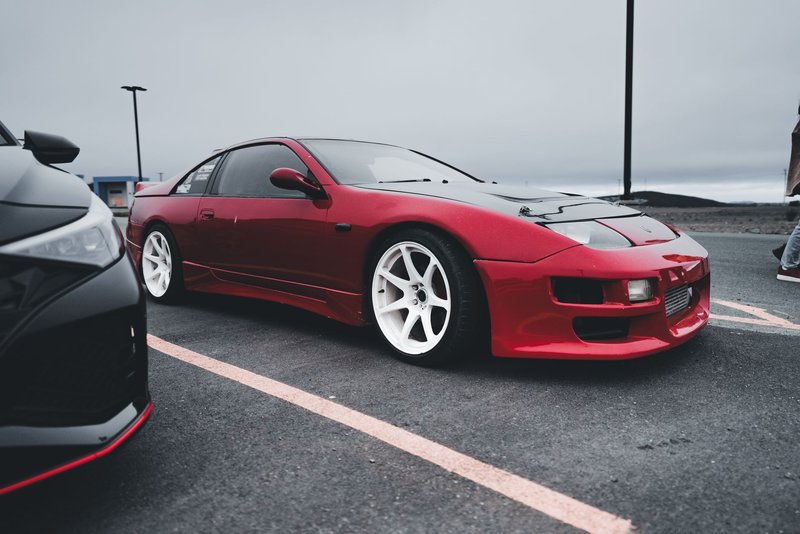
The Z32 arrived for the 1990 model year with a twin-turbo 3.0-liter V6 rated at 300 hp, four-wheel steering on some versions, and a low, wide shape that still looks modern. It cost roughly $30,000 in the Turbo trim, well below the Corvette ZR-1 and NSX.
It was also complicated. The engine bay is packed tight, which makes even routine work a chore. That is the main reason clean ones are still affordable compared to the NSX.
Today: Twin Turbo cars with documented maintenance are the ones to hunt for. Non-turbo cars are cheaper and far easier to work on.
Chevrolet Corvette ZR-1
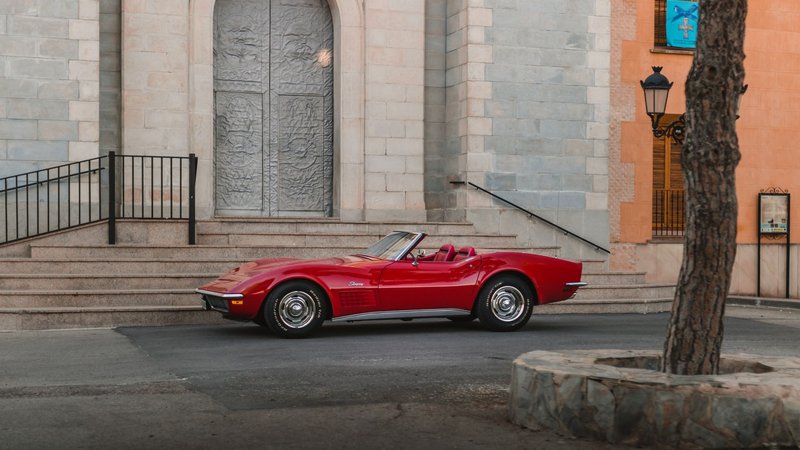
Chevrolet engineered the ZR-1 with Lotus, which designed the LT5, a 5.7-liter all-aluminum V8 with four camshafts and 32 valves. It made 375 hp and was rated for a top speed near 180 mph. The sticker was $58,995, roughly double a standard Corvette.
The ZR-1 was a statement from Detroit that it could still build something world-class. It’s also deeply rare: relatively few were built each year compared with the regular Corvette. The 1991 Corvette models break down how few of those were ZR-1s.
Today: Values are strong and the LT5 needs specialist care. A well-kept ZR-1 is the cheapest way to own an exotic-engined car from this era, though “cheap” is relative.
Lamborghini Diablo
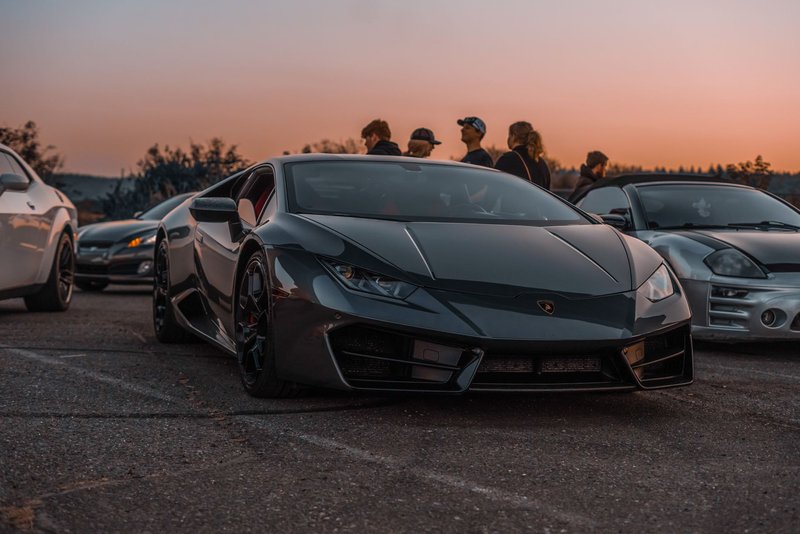
Lamborghini launched the Diablo in January 1990 with a 5.7-liter V12 making 492 hp and a claimed top speed of 325 km/h (about 202 mph). It was the successor to the Countach and the first Lamborghini to officially crack 200 mph.
It was rear-wheel drive in this form, heavy to steer, and hot in the cabin. It was also, for a year or two, the fastest production car many people had ever seen. For what the brand’s lineup looked like a year later, see the 1992 Lamborghini models.
Today: Early rear-drive Diablos are collector money. They’re best treated as a long-term purchase with a generous maintenance budget.
Mitsubishi GTO and 3000GT
The Mitsubishi GTO went on sale in Japan in 1990, and the same car arrived in North America as the 3000GT for 1991. The VR-4 had a twin-turbo V6, all-wheel drive and four-wheel steering, with 300 PS in Japan. Mitsubishi also had the Eclipse that year, whose turbocharged 4G63 engine made 190 hp and launched an entire tuner scene.
Today: The VR-4 is a complex car, so buy the best one you can find. The Eclipse GS Turbo is far simpler and a better entry point.
Sedans and coupes
Lexus LS 400
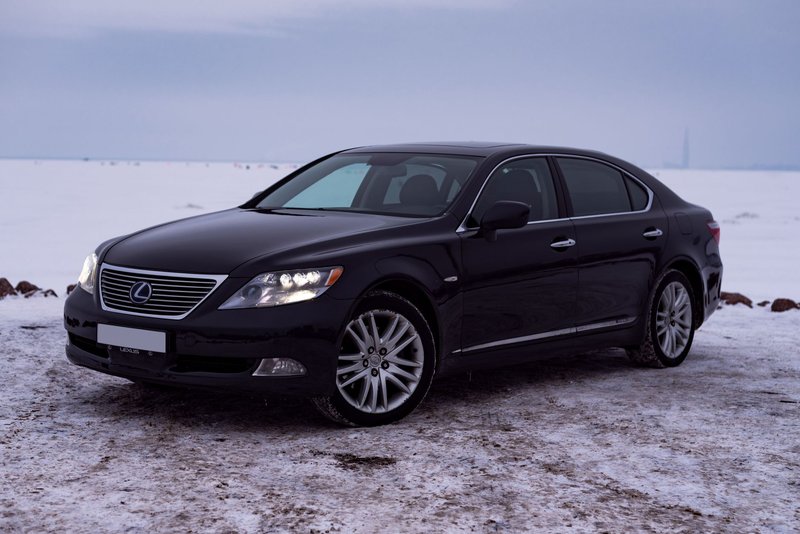
The LS 400 went on sale in late 1989, which made 1990 its first full year on the market. Its 4.0-liter V8 produced 250 hp and the car was so quiet that early magazine tests spent paragraphs on the lack of noise. It started around $35,000 and undercut Mercedes and BMW by a wide margin.
Lexus even recalled every early car in the US to fix two minor problems, and customers noticed. That recall did more for the brand’s reputation than any ad campaign.
Today: Among the most durable cars on this list. Low-mileage examples are cheap to buy and a lot of fun to own if you like quiet.
BMW 3 Series (E36)
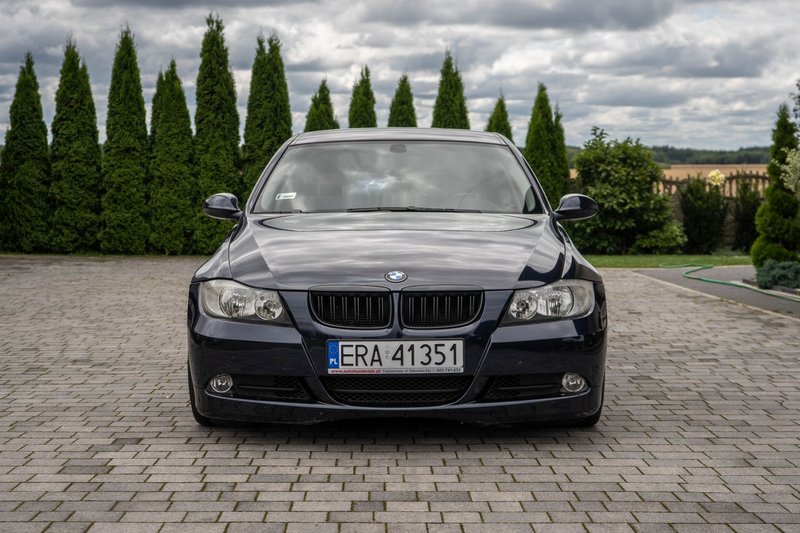
The E36 entered production in late 1990 as the replacement for the E30, with a more aerodynamic shape and a new multi-link rear suspension. It reached the US a little later, in 1992. The inline-six models, especially the 325i and later the M3, are the ones to aim for.
Today: Plastic cooling-system parts and aging rubber are the usual weak points. A car with receipts for the cooling system is worth paying extra for.
Audi S2 Coupé
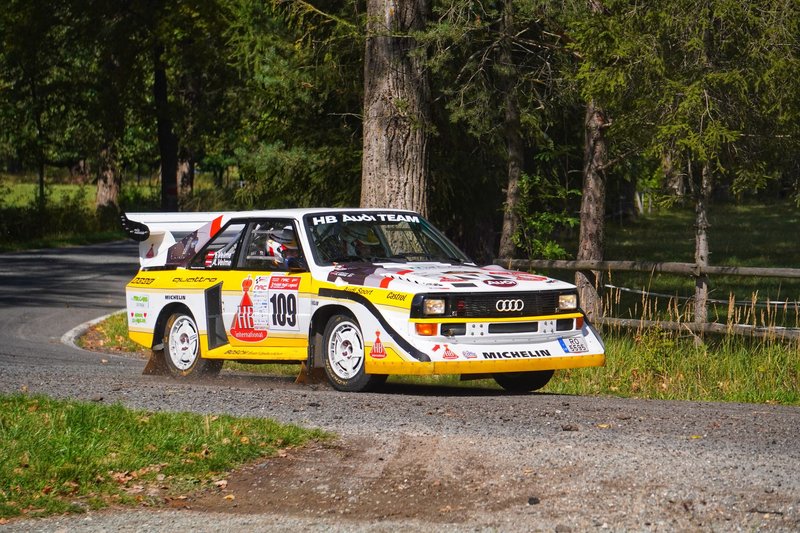
Audi introduced the S2 in 1990 on the Coupé body. A turbocharged 2.2-liter five-cylinder made 220 PS and drove all four wheels through quattro, making it an all-weather rally-bred coupe with a quiet interior. It wasn’t sold new in the US.
Today: Rare, with parts that are hard to find. Collectors in Europe pay well for unmodified cars.
Honda Accord
The fourth-generation Accord arrived for 1990 with a 2.2-liter four making around 125 hp, and Honda sold more of them in the US than any other car. It wasn’t glamorous, but it was the benchmark family sedan of the era.
Today: Many have been driven into the ground. Survivors in good shape are cheap, simple to repair, and have strong parts availability.
Trucks and SUVs
Toyota Land Cruiser (80 Series)
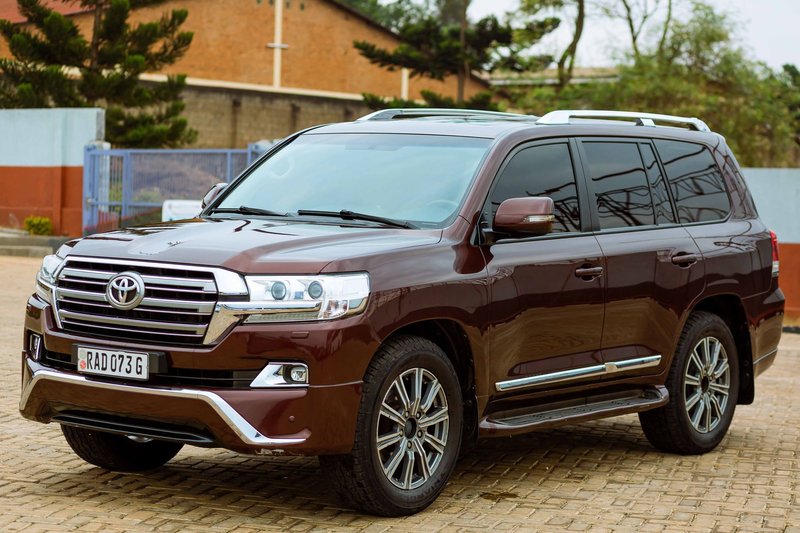
The 80 Series replaced the old 60 Series for 1990 in the US, with a 4.0-liter straight-six making 155 hp, full-time four-wheel drive and a spacious cabin. It was expensive for a Toyota and built like a vault. For the rest of Toyota’s 1990s range, see the full range of 1990s Toyota car models.
Today: The 80 Series has become one of the most sought-after used SUVs anywhere, and good examples sell for far more than you’d expect. Many were driven to a million kilometers in Africa and the Middle East.
Ford Explorer
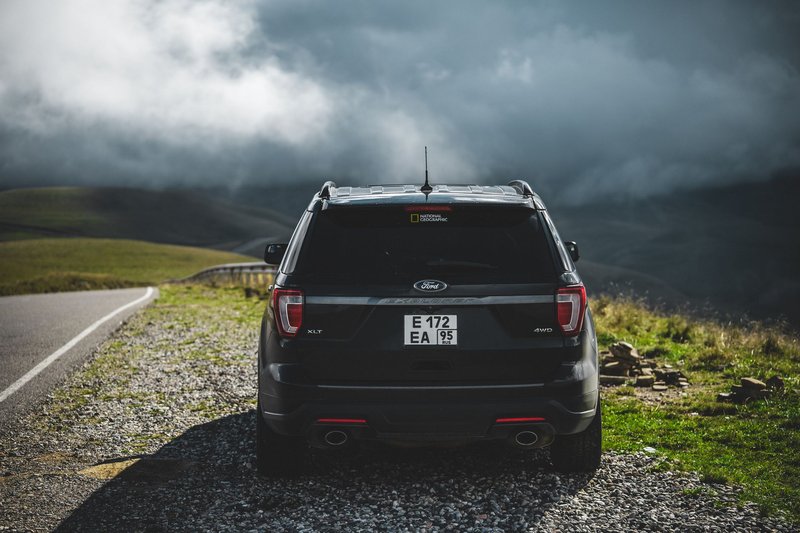
The Explorer launched in March 1990 as a 1991 model and replaced the Bronco II. A 4.0-liter V6 with 160 hp, four doors and a comfortable interior turned the SUV from a niche vehicle into the default family car for the next decade.
Today: Early examples are inexpensive and increasingly rare because most were used up. Check the frame and transmission.
Best-selling cars of 1990
In the US, the Honda Accord was the best-selling car, ahead of the Ford Taurus and Ford Escort. Counting all vehicles, the Ford F-Series pickup was number one, as it had been for years. Pickup trucks, not cars, were already the real center of American sales.
The EPA’s fueleconomy.gov database lists mileage figures going back to the 1980s, which is a useful way to compare how a 1990 family car stacked up against a modern equivalent. Most 1990 compact sedans managed mid-20s mpg combined, which many new full-size SUVs now beat.
Buying a 1990 classic today
Cars from 1990 are now over 30 years old, which means they qualify for the US federal 25-year import exemption. NHTSA’s import rules let you bring in vehicles that were never sold in America, which is how many Japanese-market cars arrive.
A few rules that hold up:
- Buy condition, not mileage. A 150,000-mile car with full records beats a 60,000-mile car that sat for a decade.
- Check rubber and plastic first. Hoses, seals, wiring insulation and cooling parts age even when the car is garaged.
- Rust is the real killer on Miatas, 300ZXs and Explorers. Look at rocker panels, wheel arches and the underside.
- Start with the simple ones if it’s your first classic: Miata, Accord, Land Cruiser. Save the Diablo for later.
- Parts availability matters more than purchase price. A cheap car with unavailable trim parts gets expensive fast.
FAQ
What were the best cars of 1990? The Acura NSX, Mazda Miata, Nissan 300ZX Twin Turbo, Lexus LS 400 and Chevrolet Corvette ZR-1 are the usual answers. For ordinary buyers, the Honda Accord was the car that mattered most.
What was the best-selling car in the US in 1990? The Honda Accord. Ford’s F-Series pickup was the best-selling vehicle overall.
Which 1990 car is the best to buy as a classic? The Miata is the easiest to own. The Land Cruiser 80 Series is the best long-term hold. The NSX is the best investment, but you’ll pay for it.
Are 1990 cars cheap to insure? Many insurers offer classic or collector policies with mileage limits and lower rates. Everyday models like the Accord are usually cheap to insure on a standard policy.
Which 1990 Japanese cars matter most? The Miata, NSX, 300ZX, Lexus LS 400, Mitsubishi GTO/3000GT and Toyota Land Cruiser 80 Series. Together they marked the point where Japanese manufacturers competed at the top of every segment.

Marco Delantero
More from Marco DelanteroHow we reviewed this article
This article was researched against manufacturer records and editorially reviewed before publishing. We accept no payment for coverage. Some guides contain affiliate links; see our affiliate disclosure.