Dodge sold three kinds of vehicles in the 1974 model year: American cars built for a world that was ending, a Japanese import built for the world that replaced it, and a truck lineup that was doing very well in either one. This guide lays out all of them, with the engines, body styles and one fact worth remembering for each.
Contents
- TLDR: the 1974 Dodge lineup
- Why the 1974 lineup looks the way it does
- Compacts: Dart, Dart Sport and Swinger
- Intermediates: Coronet and Charger
- Full-size: Monaco
- Pony car: Challenger
- Import: Colt
- Trucks and vans
- Which 1974 Dodge models to buy
TLDR: the 1974 Dodge lineup
| Model | Body styles | Engines | What changed or stood out |
|---|---|---|---|
| Dart / Dart Sport / Swinger | 4-door sedan, 2-door coupe and hardtop | 225 six, 318 V8, 360 V8 | 360 replaced the 340 in the Dart Sport |
| Coronet | 4-door sedan, wagon | 225 six up to 440 V8 | Still the police-car workhorse; wagons came standard with a 318 |
| Charger | 2-door hardtop | 318 V8 up to 440 V8 | Last Charger on this body before the 1975 redesign |
| Monaco | 4-door sedan, 2-door hardtop, wagon | 318 V8 up to 440 V8 | The only full-size Dodge car; the Bluesmobile body |
| Challenger | 2-door hardtop | 318 and 360 V8 | Final year of the original |
| Colt | Sedan, hardtop coupe, wagon | Small four-cylinder | Mitsubishi-built fuel-economy answer |
| Ramcharger | 2-door sport utility | 318, 360, 400 V8 | New for 1974 |
| D/W pickups, Power Wagon | Regular and Club Cab pickups | Six and V8 | Club Cab was in its second year |
| B-series vans | Cargo (Tradesman) and passenger (Sportsman) | 225 six, 318 and 360 V8 | Full-size van staple |
Why the 1974 lineup looks the way it does
The Arab oil embargo began in October 1973 and ran into March 1974. Gasoline lines and price spikes turned showroom traffic upside down within months, and a car that got 11 miles per gallon went from status symbol to liability almost overnight. In January 1974 the national speed limit dropped to 55 mph.
Federal bumper rules added a second problem. Cars had to survive a 5 mph impact at both ends by the 1974 model year, which is why most American cars grew heavy, awkward bumpers that year. Dodge bolted them onto the Charger and Challenger, and the coupes never looked the same. Emissions equipment was already choking big-block output, and insurance rates on high-performance cars had pushed buyers away since the late 1960s.
So the lineup splits cleanly. The cars that wore muscle-era names were quietly going soft, the Challenger was in its last year, and the Colt, an import with a 1.6-liter engine, was the one product Dodge could sell to someone standing in a gas line. Meanwhile the trucks and vans kept growing, because work doesn’t stop for an embargo. The same pressures hit every US maker, and the 1974 car models year in review shows how the rest of Detroit handled it.
Compacts: Dart, Dart Sport and Swinger
The Dart was Dodge’s cheapest domestic car, and in 1974 it still had a surprisingly wide menu.
Body styles: 4-door sedan, 2-door coupe (Dart Sport), 2-door hardtop (Dart Swinger). Engines: 225 slant-six, 318 V8, 360 V8. Defining fact: the Dart Sport got the 360 in place of the old 340, which had been the car’s performance engine since 1968.
The Swinger name sat on the pillarless two-door and gave it a youthful pitch that the car’s parents, the 1960s Dart and Valiant, had never needed. The Dart Sport 360 is the one collectors chase now. It combined a 3,000-pound-class body with a V8 that earned a real engine rating, which no longer felt common in 1974. The slant six, meanwhile, is the quiet hero of this lineup. It’s the engine that kept these cars running long after the fashionable V8s needed rebuilds.
Intermediates: Coronet and Charger
Coronet
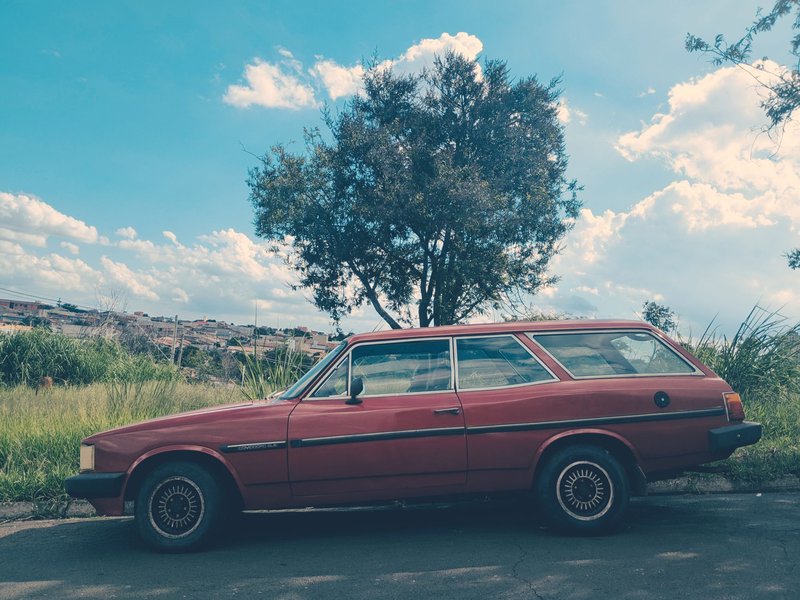
Body styles: 4-door sedan, station wagon (Crestwood and Custom trims). Engines: 225 slant-six, 318, 360, 400 and 440 V8s, depending on body and use. Defining fact: the Coronet wagon came standard with a 318 V8, and the Coronet was a mainstay of police fleets.
By 1974 the Coronet had moved on from its Super Bee and R/T days, and Dodge sold it as plain transportation. The two-door hardtop body had effectively become the Charger. What remained was a competent, boxy sedan and wagon built on a 118-inch wheelbase (115 for the coupe) and available with a 440 if a police department asked for one.
Charger
Body styles: 2-door hardtop. Engines: 318 V8 as the base, with optional 360, 400 and 440 V8s. Defining fact: the last Charger of this generation. The 1975 Charger SE shared a body with the Chrysler Cordoba instead.
The 1974 Charger came in base, Rallye and SE (Special Edition) versions. The Rallye package handled the sporty look with stripes and a firmer suspension, while the SE leaned into opera windows and plush seating. The Charger of 1974 is a heavy, handsome coupe more likely to be remembered for what it was becoming than what it had been. For how the Dodge coupes changed across the decade, see the 1970s Dodge car models guide.
Full-size: Monaco

Body styles: 4-door sedan, 2-door hardtop, station wagon. Engines: 318 V8 as the base, with 360, 400 and 440 V8s optional. Defining fact: the 1974 Dodge Monaco is the body behind the Bluesmobile in The Blues Brothers, a former police car with a 440.
With the Polara gone, Monaco was the name on every full-size Dodge car. The trim ladder ran from the base Monaco through Monaco Custom to the Royal Monaco Brougham, with Crestwood and Custom wagons that carried a family and a dog and a week of luggage without strain. Full-size sedans across the decade went through the same squeeze, as the 1970s sedans explains.
Police departments loved the Monaco because a 440 under a 4,000-plus-pound sedan could chase anything on the road. That same abuse is why a clean surviving example is hard to find now.
Pony car: Challenger
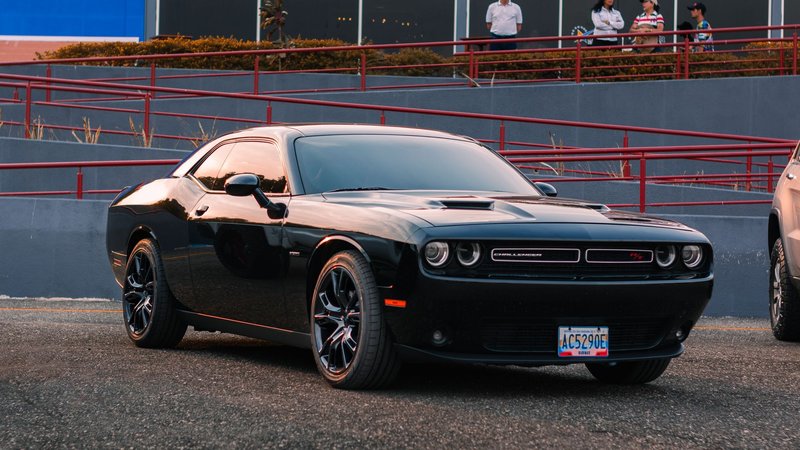
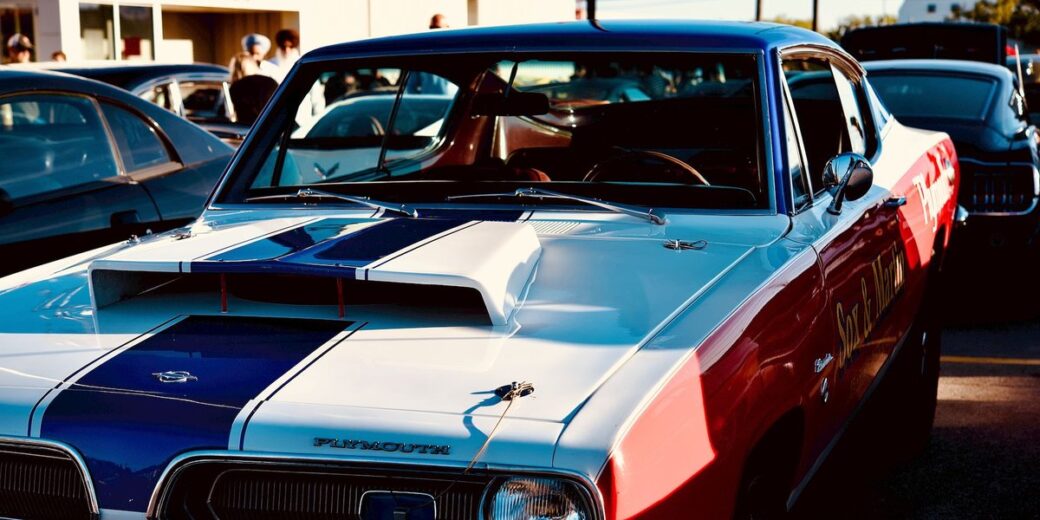
Body styles: 2-door hardtop. Engines: 318 V8 and 360 V8 (two-barrel and four-barrel). Defining fact: the last original Challenger. Production ended after 1974, and Dodge didn’t use the name again until 1978, on a Mitsubishi-built coupe.
The big-blocks and the Hemi were long gone by 1974, and the 340 had disappeared after 1973, so the 360 became the hot choice. About 16,000 Challengers were built for 1974, fewer than in any earlier year, and they wore the federal 5 mph bumpers. Plymouth ended the Barracuda the same year, closing the book on the E-body.
The 1974 Challenger is a car with a loyal audience: the performance is modest and the bumpers divide opinion, but the low production numbers make it a scarcer find than the early cars.
Import: Colt
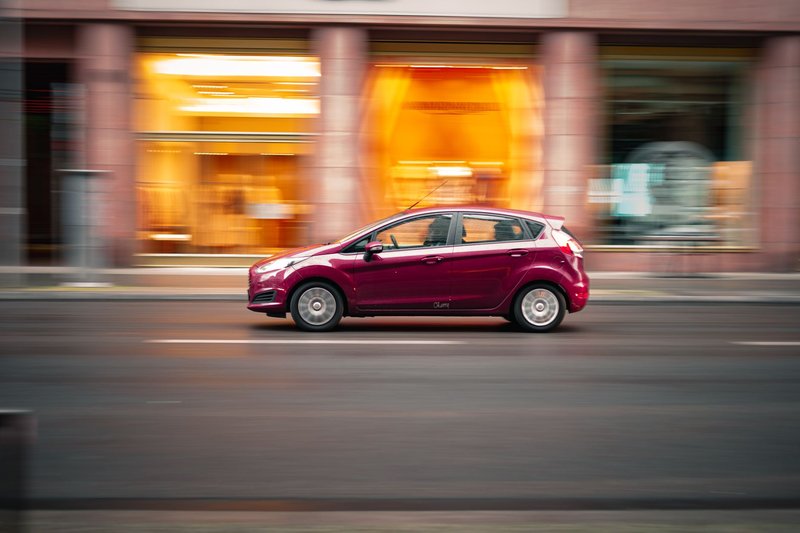
Body styles: Sedan, hardtop coupe, station wagon (Carousel). Engines: 1.6-liter four-cylinder. Price: roughly $2,300 for a base coupe. Defining fact: Mitsubishi built it. Dodge badged it and sold it through the same showrooms as the Challenger.
The Colt was the car that Dodge dealers could actually move in 1974. It returned about 30 miles per gallon in everyday use, which sounded like science fiction beside a 318-powered Coronet. The hardtop coupe was the sporty one, and the Carousel wagon was the practical one.
Few Colts survive. They rusted, were driven hard, and nobody saved them. A clean one is a rarer sight than a clean Challenger, even if it will never be worth as much.
Trucks and vans
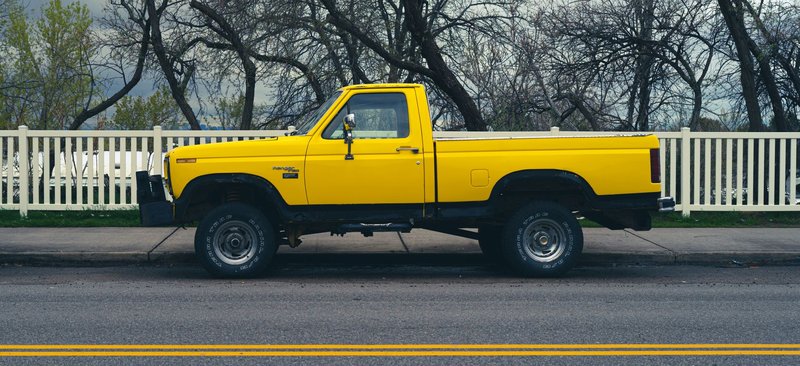
Dodge’s truck side was healthy in 1974, with four distinct lines.
Ramcharger
Body styles: 2-door, short-wheelbase sport utility with a removable top. Engines: 318, 360 and 400 V8s. Defining fact: it debuted for 1974 and stayed in production, with changes, through 1993.
The Ramcharger was Dodge’s answer to the Chevrolet Blazer and Ford Bronco, built on a shortened pickup chassis. It shared its platform with the Plymouth Trail Duster, and it was the kind of rig that people used for hunting trips and ranch work rather than commuting.
D-series and W-series pickups, Power Wagon
Body styles: regular cab and Club Cab pickups, Utiline and Sweptline beds. Engines: 225 slant-six, 318 and 360 V8s, with the 400 on heavier trucks. Defining fact: D means two-wheel drive, W means four-wheel drive, and the heavier W-series carried the Power Wagon name.
The Club Cab, with its small rear space behind the seat, was a new idea (it arrived for 1973) and Dodge was one of the first to offer it. Adventurer trim levels added chrome, carpet and a nicer dash.
B-series vans
Body styles: cargo (Tradesman) and passenger (Sportsman). Engines: 225 slant-six, 318 and 360 V8s. Defining fact: the B100, B200 and B300 split the van market by payload, and the Sportsman was the version that went camping.
These are the vans in so many period photographs: flat nose, long hood, engine doghouse between the seats. Plumbers and electricians ran Tradesmans. Families and church groups ran Sportsmans.
Which 1974 Dodge models to buy
If you’re looking at 1974 Dodge models as a collector, the pricing runs in a sensible order.
Rare and expensive: the Challenger, especially a 360 Rallye. A Charger with a 440 is hard to find as well. Neither sold in big numbers, and both are the ones everyone remembers.
Affordable and fun: a Dart Swinger or Dart Sport with a 318 or 360. They’re light, easy to work on and cheap to feed parts. The Monaco is the sleeper, with a lot of car for the money and the Bluesmobile connection.
Odd and unloved: the Colt. Very few survived, and the people who care about them care a lot.
What to check before you buy:
- Rust. Look at the lower front fenders, rear quarters, trunk floor and the rear of the floor pans, especially on the Dart and Colt.
- Engine code. The fifth character of the VIN tells you which engine the car left the factory with. A numbers-matching 360 Dart Sport is worth far more than a 318 that’s been dressed up.
- Bumpers. The 1974 5 mph federal bumper standard shaped the heavy, specific bumper brackets on these cars. Missing or replaced ones are a headache.
- Trim and glass. Challenger and Charger SE interior parts are the hard-to-find pieces. Budget for them.
The 1974 Dodge lineup is the last one with a Challenger in it and the first with a Ramcharger, and it sold a Mitsubishi-built Colt in the same showrooms as a 440 Monaco. That mix is the whole story of the year.

Tyler Bridges
More from Tyler BridgesHow we reviewed this article
This article was researched against manufacturer records and editorially reviewed before publishing. We accept no payment for coverage. Some guides contain affiliate links; see our affiliate disclosure.