Most “best cars of 1967” lists rank by cool factor and call it a day. Fair enough — 1967 gave us the first Camaro, the first Firebird, and a Corvette still riding the C2 body that makes collectors weep. But cool and popular aren’t the same thing, and almost nobody bothers to check which 1967 cars actually rolled off the line in the highest numbers. Some of the year’s most photographed cars barely cracked five figures in production. The car people forget to mention outsold nearly all of them combined.
This is the list that keeps the sales figures next to the styling.
Table of Contents
- Detroit’s Roughest Year in a Decade
- The Pony Car Wars Get Crowded
- Muscle for the Street
- The Personal Luxury Play
- AMC’s Late, Bold Entry
- 1967 by the Numbers
- The Bottom Line
Detroit’s Roughest Year in a Decade
1967 wasn’t a banner year for Detroit, even if the cars themselves suggest otherwise. Ford spent 68 days locked in a UAW strike that fall, one that idled plants nationwide and cost the company roughly 500,000 units of lost production before a new contract — one that protected high-seniority workers’ pay during layoffs — got signed. Buyers who wanted a new Ford in late ’67 sometimes just couldn’t get one.
Meanwhile the ground was shifting under the Big Three’s feet. Import sales topped 750,000 units in the U.S. that year, with Toyota and Datsun building a real foothold on the West Coast. It felt like a rounding error at the time. It wasn’t. That was the opening act of a shift that would reshape the American market for the next three decades, as evidenced by the rise of Japanese sports cars in the 1970s.
So the backdrop to 1967’s cars isn’t confidence — it’s an industry that had record models on the showroom floor and a labor fight in the parking lot.
The Pony Car Wars Get Crowded
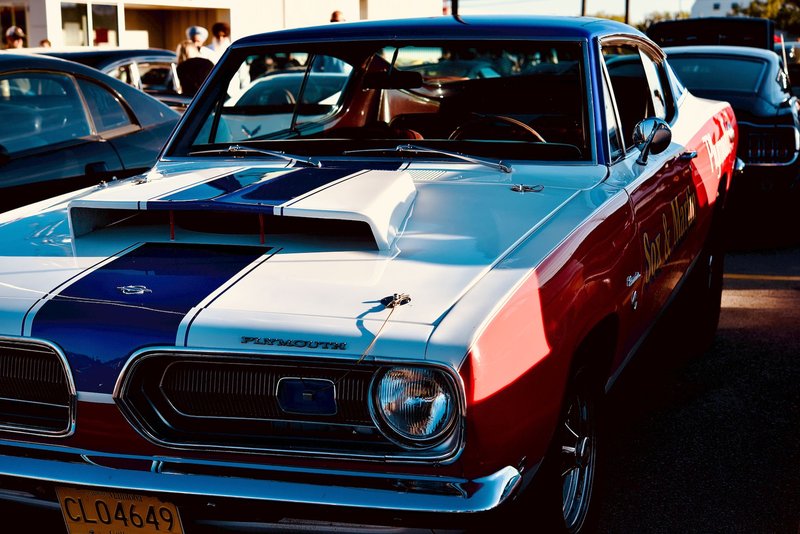
Ford had the pony car segment to itself for two and a half years. That ended in 1967, and the sales numbers tell you exactly how much that mattered.
The Mustang still won, and it wasn’t especially close. Ford built 472,121 of them for the 1967 model year — down from the Mustang’s absurd 607,568 in 1966, but still miles ahead of the field. Chevrolet’s response, the all-new Camaro, moved 285,748 units in its debut year. Respectable, but Mustang buyers weren’t spooked yet.
Pontiac’s Firebird arrived even later, in February 1967, and still managed 82,560 units split between coupes and convertibles — a solid showing for a car that had roughly half a model year to sell. Plymouth, for its part, gave the Barracuda a full redesign for ’67, adding notchback and convertible body styles to the original fastback. Car and Driver called it the best-looking car out of Detroit that year. Buyers were less enthusiastic: Plymouth projected 100,000 sales and got 62,534.
The pattern across all four is consistent. Whoever got there first, in this case Ford, kept the advantage even after the field crowded up. Being early beat being new.
Muscle for the Street
Not every fast ’67 was a pony car. Dodge and Plymouth ran their muscle cars as a distinct, smaller-volume tier — genuinely quick, genuinely expensive relative to the mainstream, and built in numbers that make today’s collector prices make sense.
The Dodge Coronet R/T, new for 1967 and built around the 440 Magnum V8 (with the 426 Hemi as a rare option), found 10,305 buyers — 10,109 hardtops and just 196 convertibles. Its Plymouth cousin, the GTX, landed in the same neighborhood at an estimated 12,000 units, starting at $3,178 for the hardtop. Compare that to the Mustang’s $2,461 starting price and you can see why these were a narrower, more committed purchase — buyers who wanted a big-block street car and knew exactly what they were paying for.
Chevrolet’s Corvette sat in its own category entirely. 1967 was the last year of the C2 Sting Ray body before the C3 arrived, and a lot of shoppers held off waiting for the redesign — production landed at 22,940 units, split between 14,436 convertibles and 8,504 coupes, starting around $4,240. It’s the rarest of the C2 years now, and the prices at classic car auctions reflect exactly that hesitation from 1967 buyers.
The Personal Luxury Play
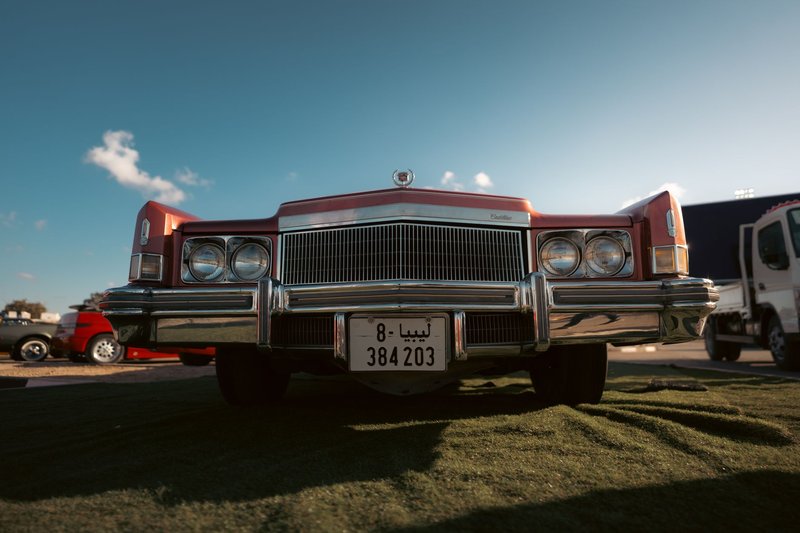
Not everyone in 1967 wanted a big-block engine. Ford’s Thunderbird represented the other bet: comfort and status over quarter-mile times. The fifth-generation Thunderbird, redesigned for ’67, introduced a genuinely strange option for the nameplate — a four-door Landau with suicide-style rear doors — and it wasn’t a flop. The four-door variant accounted for 24,967 of the Thunderbird’s 77,976 total units that year, nearly a third of production, at a starting price of $4,603.
That’s a car built for a buyer the pony car wars never touched: someone who wanted the Thunderbird badge and the extra doors more than they wanted a stoplight win.
AMC’s Late, Bold Entry
AMC watched Ford, Chevrolet, and Pontiac carve up the pony car market through 1967 and decided to show up anyway. The Javelin was unveiled on August 22, 1967, and went on sale that September 26 — technically a 1968 model year car, but one that was announced, priced, and on dealer lots before 1967 ended. Starting at $2,743, it undercut the Firebird and landed close to Mustang money.
It worked. AMC, a company most people associated with economy cars like the Rambler, moved 55,125 Javelins in its first model year — a real number for a fourth entrant chasing three established rivals. It’s the reason “1967 in cars” can’t be told as a three-way Ford-Chevy-Plymouth story. The smallest of the Big Four automakers found a way in anyway.
1967 by the Numbers
| Model | Segment | Units Produced | Starting Price |
|---|---|---|---|
| Ford Mustang | Pony car | 472,121 | $2,461 |
| Chevrolet Camaro | Pony car | 285,748 | $2,466 |
| Pontiac Firebird | Pony car | 82,560 | $2,666 |
| Plymouth Barracuda | Pony car | 62,534 | ~$2,700 |
| AMC Javelin* | Pony car | 55,125 | $2,743 |
| Ford Thunderbird | Personal luxury | 77,976 | $4,603 |
| Plymouth GTX | Muscle car | ~12,000 | $3,178 |
| Dodge Coronet R/T | Muscle car | 10,305 | ~$3,200 |
| Chevrolet Corvette | Sports car | 22,940 | $4,240 |
*Javelin production figure is for the 1968 model year — the car was announced and went on sale in the second half of 1967.
Worth noting: none of these actually topped the sales charts for the year. That distinction went to full-size, unglamorous family cars. Chevrolet’s Impala alone moved roughly 377,000 units in 1967, more than every pony car except the Mustang, without a single magazine cover to show for it. The cars that get remembered and the cars that got bought were, as usual, two different lists.
The Bottom Line
Line the 1967 lineup up by units built and a clearer picture emerges than the usual “coolest cars” rankings give you. The Mustang wasn’t just the best-remembered pony car — it was still comfortably the best-selling one, strike and all. The Camaro, Firebird, and redesigned Barracuda split the rest of a suddenly crowded field, with the Firebird’s late February launch making its 82,560 units more impressive than the raw number suggests. The muscle cars — the Coronet R/T, the GTX — were always going to be low-volume by design, and the Corvette’s soft year had less to do with the car and everything to do with buyers waiting for what came next.
And then there’s the Javelin, technically outside the 1967 model year and still the story nobody tells about it: AMC, of all companies, walked into the pony car wars in the fourth quarter and didn’t get laughed out of the room. That’s a better ending than most “top 10 cars of 1967” lists bother to give it.

Marco Delantero
More from Marco DelanteroHow we reviewed this article
This article was researched against manufacturer records and editorially reviewed before publishing. We accept no payment for coverage.