Ask ten Volkswagen owners to name the definitive 1980s VW and you’ll get ten different answers, because the lineup wasn’t one lineup. Europe got a Golf. America got a Rabbit that became a Golf halfway through the decade. South America got a Volkswagen the other two markets never saw at all. Most “classic Volkswagen” roundups pick one region and call it complete — this one doesn’t.
Here’s every 1980s Volkswagen car model that mattered, organized the way VW actually built and sold them: by market, with the years that count, the performance variants worth knowing, and what shape you’ll actually find one in if you go looking today.
Table of Contents
- Why the 1980s Lineup Splits by Market
- Golf Mk2 (Rabbit in the US)
- Jetta A2
- Scirocco Mk2
- Passat B2 and Passat B3 (Quantum in the US)
- Polo Mk2
- Santana
- Vanagon (Type 2 T3)
- Fox
- Buying a 1980s Volkswagen Today
Why the 1980s Lineup Splits by Market
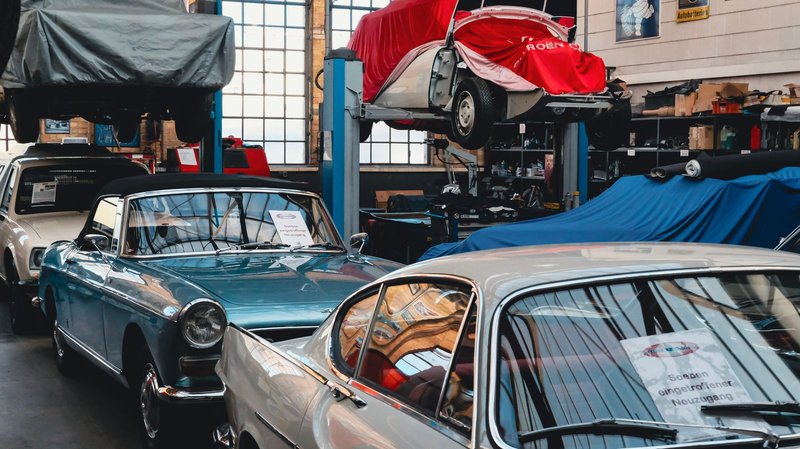
Volkswagen entered the 1980s trying to be three different companies at once: a mainstream European automaker, a struggling US manufacturer running its own assembly plant in Pennsylvania, and a growing presence in South America and South Africa building cars nobody in Wolfsburg was driving.
That split explains almost every naming oddity in this list. The car sold as a Rabbit in Ohio was a Golf in Hamburg. The Quantum in an American dealership was a Passat everywhere else. The Fox that showed up in US showrooms in 1987 had already been on sale in Brazil for years under a different badge. None of this was marketing whimsy — it was three regional business units making separate calls about what their customers wanted and what a name meant in each place.
Golf Mk2 (Rabbit in the US)
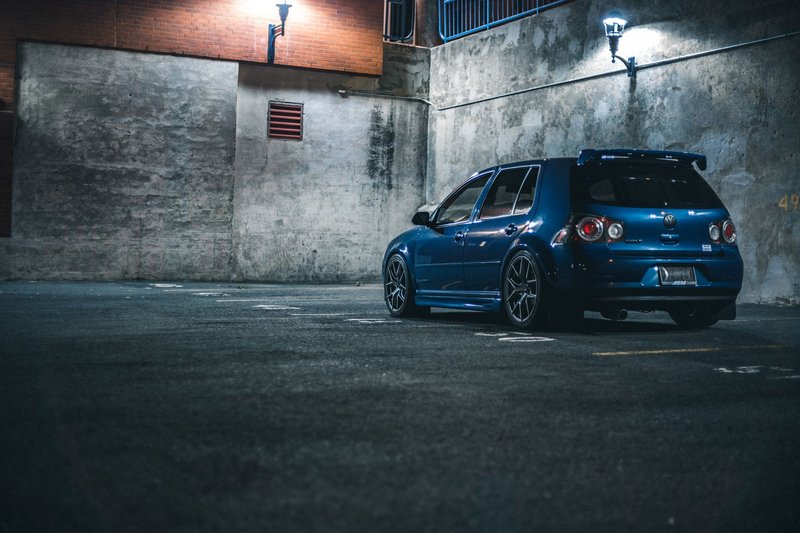
Production: 1983–1992 (Europe); sold as the Golf in the US starting with the 1985 model year
The Mk2 Golf grew up. It was longer, heavier, and more aerodynamically sorted than the car it replaced, with a drag coefficient low enough that VW’s own engineers used it in advertising. In the US, Volkswagen finally dropped the Rabbit name for 1985 and sold the car simply as the Golf, closing the chapter on America’s decade-long insistence on renaming its Golfs.
The GTI is the variant that defines this generation. The 16V version, introduced in Europe in 1986, put a four-valve-per-cylinder head on the familiar 1.8-liter four and pushed output to 139 horsepower in European tune — enough to make it the quickest front-drive hatch most European buyers could get their hands on. American GTI 16Vs arrived several horsepower short of that figure, a gap that US fuel-economy and emissions rules of the era built into nearly every European performance car sold stateside, but the car kept its character: quick steering, a firm ride, and a driving position that made a compact hatchback feel like it belonged on a rally stage.
Jetta A2
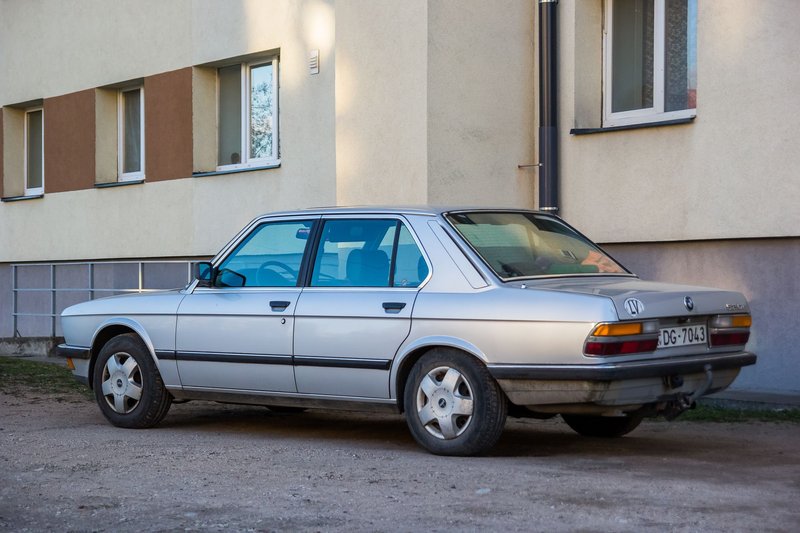
Production: 1984–1992
The Jetta A2 was Volkswagen’s answer to a question the Golf never really addressed: what if the practical hatchback buyer actually wanted a trunk? It shared its platform and much of its mechanical layout with the Mk2 Golf but added conventional sedan proportions, which mattered enormously in the US market, where hatchbacks still carried an economy-car stigma that sedans didn’t.
It worked. The Jetta became Volkswagen’s best-selling model in North America for stretches of the decade, outselling the Golf/Rabbit it was mechanically based on. A GLI trim brought GTI running gear — including, eventually, the 16V engine — into that sedan body, giving buyers who wanted a Q-ship a genuinely quick car that looked like their neighbor’s commuter.
Scirocco Mk2
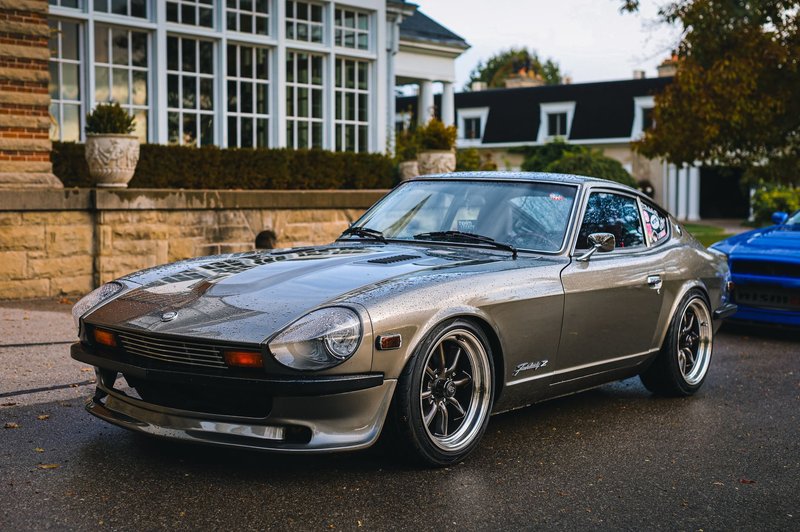
Production: 1981–1992
Built by Karmann rather than Volkswagen itself, the Scirocco Mk2 was the sportier, lower, more style-forward relative of the Golf platform. It never sold in Golf or Jetta numbers, and that was the point — this was the model for buyers who wanted the mechanical honesty of a Volkswagen without the practicality-first packaging.
The Scirocco 16V borrowed the same four-valve head found in the GTI 16V, and in Europe it was the quickest accessible Volkswagen you could buy for most of the mid-to-late 1980s. American buyers got a slightly softer version, but the low, wedge-shaped body and pop-up-headlight-adjacent styling (it used fixed composite units, not pop-ups, but looked the part) made it the Volkswagen most likely to end up on a teenager’s bedroom wall.
Passat B2 and Passat B3 (Quantum in the US)
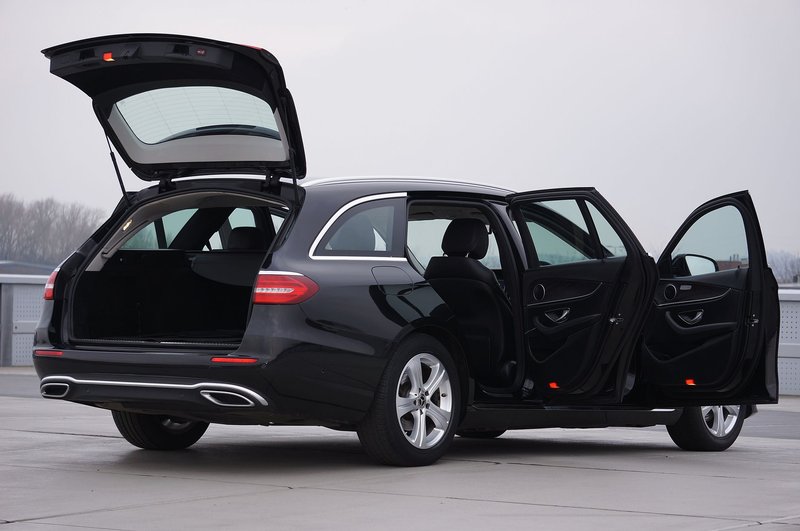
Production: B2, 1980–1988; B3, 1988–1996
Europe called it the Passat throughout. The US, having already burned through the Dasher name on the B1 generation, rebranded the B2 as the Quantum for 1982 and kept that name until the B3 arrived toward the end of the decade. The B2 Quantum came in sedan, wagon, and a distinctive Syncro all-wheel-drive wagon variant — one of the more genuinely useful all-weather wagons an American buyer could get from a mainstream European brand at the time.
The B3, launched in Europe in 1988, was a bigger structural departure: a new platform, a smoother, more rounded body that dropped the traditional grille for a sealed nose, and the option of VW’s narrow-angle VR6 engine once it arrived in 1991. For most of the 1980s proper, though, the B2/Quantum is the car that represents Volkswagen’s mid-size ambitions.
Polo Mk2
Production: 1981–1990 (facelifted “Polo 2F” from 1990)
The Polo never crossed the Atlantic, which is exactly why American enthusiasts tend to romanticize it. In Europe it was Volkswagen’s entry-level model, smaller and cheaper than the Golf, sold as a hatchback, a boxy “Bread Van” three-door with a nearly vertical rear hatch, and a coupe-like variant with a lower roofline.
It mattered because it kept Volkswagen competitive at the bottom of the market against a wave of Japanese superminis that were cheaper to build and often better equipped. The Polo’s answer wasn’t more equipment — it was Volkswagen’s reputation for solidity applied to a segment where buyers had learned to expect flimsier cars for the price.
Santana
Production: 1981–1988 (Europe); continued longer in South America and China
The Santana is the model most American readers have never heard of, because Volkswagen never sold it in the US. Built on a stretched Passat B2 platform with a more formal three-box sedan body, it was aimed at European and South African buyers who wanted Passat mechanicals with more conventional trunk-and-sedan styling — essentially playing the same role for the Passat that the Jetta played for the Golf.
It’s worth knowing specifically because of its afterlife: Volkswagen kept building Santana variants in China and South America well past the 1980s, long after Europe had moved on, making it one of the longest-lived nameplates to come out of the decade even though most of the world stopped noticing.
Vanagon (Type 2 T3)
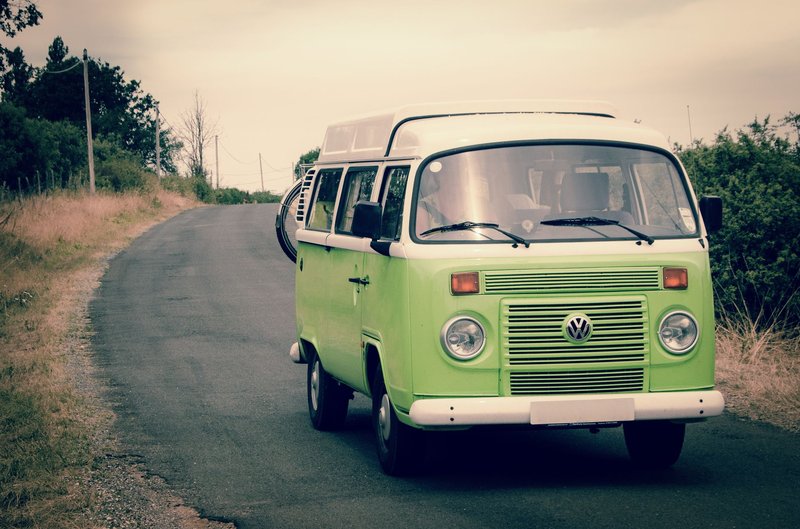
Production: 1980–1991 (as a decade-spanning model, though the T3 platform launched in 1979)
The Vanagon was Volkswagen’s third-generation Type 2 van, and the 1980s version is the one collectors chase hardest today. Early 1980s Vanagons ran an air-cooled flat-four, but from 1983 the “Wasserboxer” water-cooled boxer engine became standard, trading a little of the old van’s mechanical simplicity for better heating and more reliable cold starts — a real complaint on earlier air-cooled vans.
The Syncro variant, introduced in 1985, added a viscous-coupling all-wheel-drive system and made the Vanagon a genuine off-pavement camper, not just a road-trip vehicle. Westfalia camper conversions, with pop-top roofs and built-in kitchens, are the versions that show up at vintage van meets and command real money now, part of a broader wave of renewed collector interest in discontinued Volkswagen models that’s pushed clean Syncro Westfalias to prices well above what they cost new, adjusted for inflation.
Fox
Production: 1987–1993 in the US market (built in Brazil from 1987; a related Brazilian-market Fox/Voyage existed earlier)
The Fox was Volkswagen’s attempt to give American buyers a genuinely cheap car again after the Rabbit had crept upmarket into Golf territory. Built in Brazil rather than Pennsylvania or Germany, it used a simpler platform and fewer features than its European-market siblings, aimed squarely at first-time buyers who wanted a Volkswagen badge at a Hyundai price.
It never captured much enthusiast affection at the time — reviewers found the interior cheap and the dynamics unremarkable next to the Golf — but it mattered as a business decision. Volkswagen of America needed something to sell after closing the Westmoreland assembly plant in 1988, and importing a Brazilian-built Fox was a stopgap that kept dealers with something to sell under $7,000.
Buying a 1980s Volkswagen Today
If you’re shopping this decade of Volkswagens now, the GTI 16V and Scirocco 16V have already been discovered — prices for clean, unmolested examples have climbed steadily as buyers who wanted these cars as teenagers reach the point in life where they can afford them. The Vanagon Syncro Westfalia sits at the top of the collector market among 1980s VWs generally, driven by the overlap between vintage-van collectors and the broader outdoor-camping resurgence.
Rust is the universal 1980s Volkswagen problem, not a model-specific one. Rocker panels, rear wheel arches, and the battery tray on Golf/Jetta-platform cars are where it starts, and a car that looks clean in photos can hide serious structural corrosion underneath. It’s also worth running the VIN through NHTSA’s recall database before you buy — several 1980s Volkswagens carry open safety recalls that a private seller may not know about, let alone have addressed. Budget for a pre-purchase inspection from someone who specifically knows air-cooled and early water-cooled VWs — a generalist mechanic will miss what a specialist catches immediately.
Parts availability is better than you’d expect for cars this old, mostly because the Golf/Jetta A2 platform sold in such volume worldwide that reproduction parts networks stayed active long after Volkswagen itself stopped supporting them. Vanagon parts, by contrast, lean on a smaller but fiercely dedicated specialist supply chain — expect to pay a premium and wait longer for anything beyond routine maintenance items.
None of these cars are appreciating the way air-cooled Porsches or first-generation GTIs from the 1970s have. That’s arguably the appeal: a 1980s Volkswagen is still a car you can find, buy, and actually drive on weekends without treating it like a museum piece that happens to have wheels.

Tyler Bridges
More from Tyler BridgesHow we reviewed this article
This article was researched against manufacturer records and editorially reviewed before publishing. We accept no payment for coverage. Some guides contain affiliate links; see our affiliate disclosure.