TL;DR
The 1970s sedan went from 500-cubic-inch excess to 5-mph bumpers, catalytic converters and four-cylinder imports in about eight years. If you want one pick per camp: a 1975 Cadillac DeVille for the old way, a BMW 2002tii for the fun way, a Mercedes 240D for the durable way, and a Datsun 510 for the cheap-and-brilliant way. The full list of 14 is below, with specs and rough collector values.
Table of Contents
- Why the 1970s Broke the Sedan
- American Land Yachts
- European Luxury and Executive Sedans
- European Sport and Practical Sedans
- Japanese Sedans That Changed the Math
- Quick-Reference Table
- Which 1970s Sedan Should You Buy?
Why the 1970s Broke the Sedan
In 1970, a big American sedan was judged by length, displacement and how little you felt the road. By 1979, it was judged partly by how far it went on a gallon. Four things caused the shift.
The 1973 oil embargo pushed pump prices up and put drivers in gas lines. Federal rules required 5-mph bumpers on the front of 1973 cars and the rear of 1974 cars, and many models grew ungainly impact bars to comply. Emissions standards under the Clean Air Act brought lower compression, retarded timing and, from 1975, catalytic converters, which cut horsepower even as displacement stayed huge. Then General Motors started downsizing its full-size cars for 1977, and everyone else followed.
The result is a decade of sedans that split into clear camps. That’s how this list is organized.
American Land Yachts
1. Cadillac DeVille (1971-76)
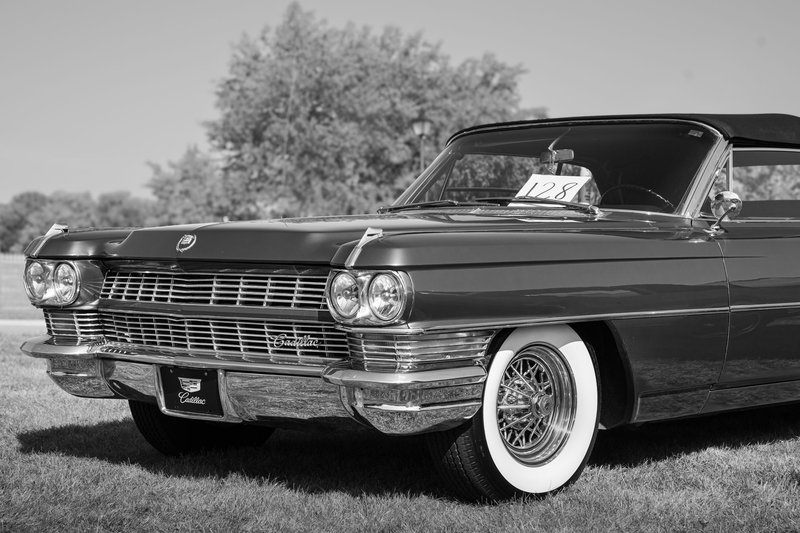
The 1971 to 1976 DeVille is the high-water mark of the American sedan. The engine was a 472 or 500 cubic inch V8, the biggest passenger car engine of the decade. By 1975 the 500 made 190 hp on the new net rating, which tells you what emissions gear did to the output. Torque (about 360 lb-ft) was what mattered anyway, and the car moved on it silently.
It rides like a sofa on a boat. The steering is numb on purpose. A DeVille from this era is also nearly 19 feet long, so parking is a negotiation.
Collector value: roughly $8,000 to $25,000, with clean low-mileage cars at the top.
2. Lincoln Continental (1970-79)
Lincoln answered with a 460 cubic inch V8 and a front end that looks like a bank vault. The Continental of the mid-1970s is long, upright and heavy, and the interior is where Lincoln spent its money: deep velour, wood-look trim, and doors that close with a dull thud.
Where Cadillac pushed softness, Lincoln pushed formality. It was the car for a man who owned a funeral home or wanted you to think he did.
Collector value: roughly $8,000 to $20,000.
3. Chevrolet Caprice Classic (1977-79)
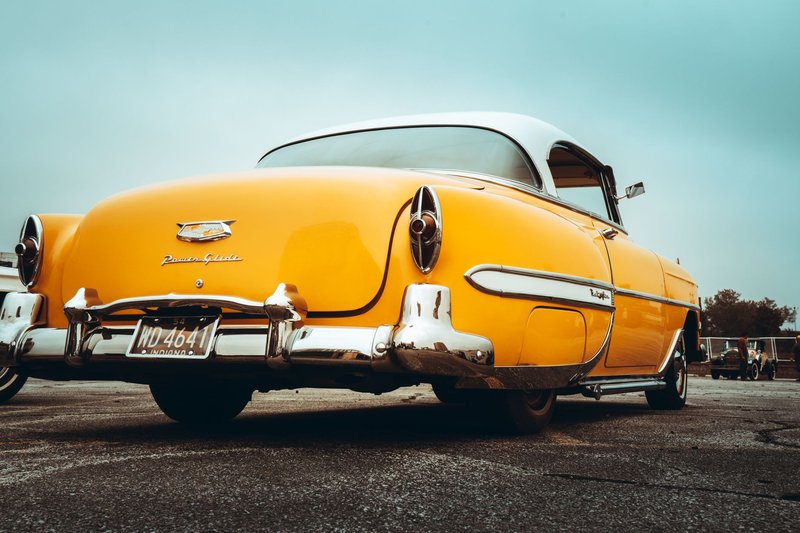
The 1977 Caprice is the downsizing car. GM cut about 10 inches in length and roughly 600 to 800 pounds from the previous full-size body while keeping the interior room, and Motor Trend named it Car of the Year. Base power was a 305 or 350 V8, rated in the low to mid 100s of horsepower depending on year and emissions state, and nobody bought it for speed.
It sold in huge numbers and the formula was so right that the Caprice kept going, in one form or another, into the 1990s. Police departments and taxi fleets did the rest.
Collector value: roughly $6,000 to $18,000.
4. Dodge Aspen and Plymouth Volare (1976-80)
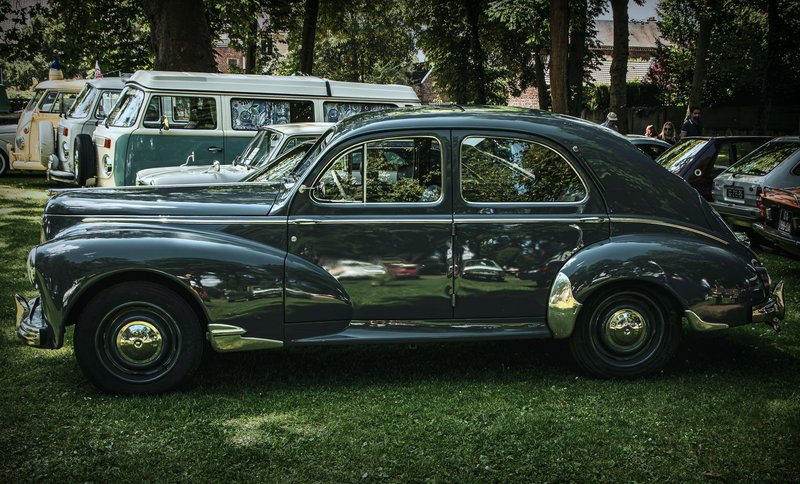
Chrysler’s compact replaced the Dart and Valiant and was named Motor Trend Car of the Year for 1976. The engine choices included the legendary slant-six and a 318 V8, and the cars looked tidy next to the land yachts. Then reality hit: rust, recalls and early quality problems damaged the reputation badly.
They’re on this list because they show how a hit can turn into a lesson. The survivors are cheap and mostly forgotten, which is exactly why a clean one is interesting.
Collector value: roughly $3,000 to $10,000.
European Luxury and Executive Sedans
5. Mercedes-Benz 450SEL 6.9 (1975-80)
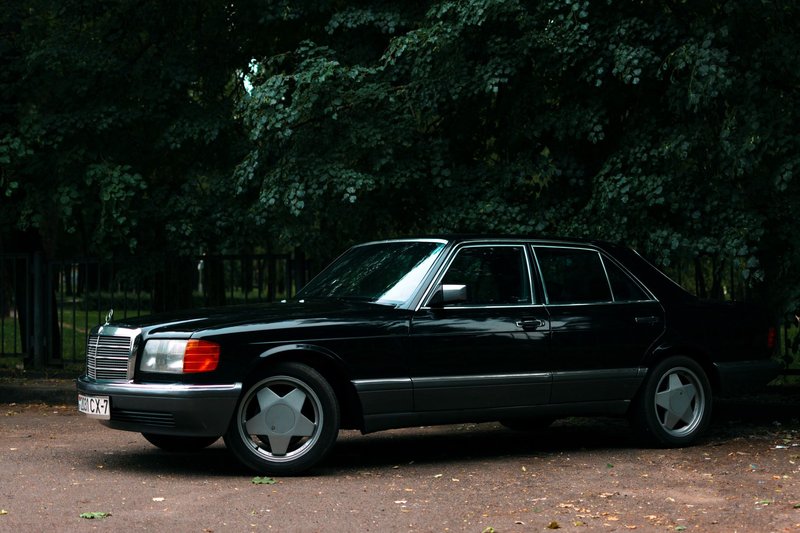
The first S-Class to wear the 6.9 badge was the most expensive sedan Mercedes sold, and the fastest four-door sedan of its day. The 6.9-litre V8 made 286 hp in European trim and the car did 0 to 60 mph in around 7 seconds. It also had hydropneumatic suspension borrowed from Citroen’s playbook, which let it float over rough roads and level itself under load.
It was built for the autobahn, not for the American market’s 55 mph limit. That mismatch is part of the charm.
Collector value: roughly $40,000 to $100,000, with fully documented cars at the top. Maintenance on the suspension is the cost to watch.
6. Mercedes-Benz W123 (1976-85)
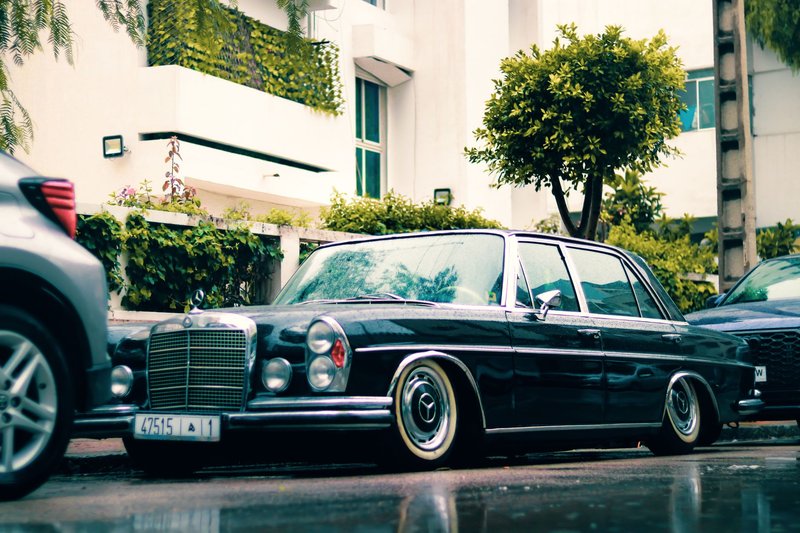
The W123 isn’t fast. The diesel 240D made around 62 hp and took its time getting to highway speed. But it’s probably the most trusted car of the decade, with taxi-driver mileage on three continents, and the 300D turbodiesel carried that reputation into the 1980s.
If you want a 1970s sedan you can drive daily without apology, this is it.
Collector value: roughly $5,000 to $25,000. The 280E and 300D with low miles sit toward the top.
7. Jaguar XJ6 Series II (1973-79)
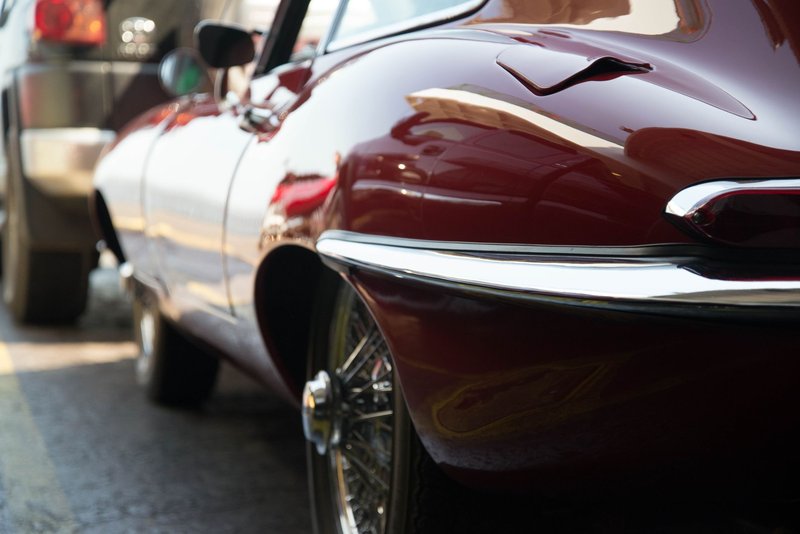
Jaguar’s XJ6 was widely considered the best-handling large luxury sedan in the world, and the Series II added revised bumpers and a better dashboard. The 4.2-litre straight-six made roughly 170 hp. The ride is magical and the styling still looks right.
The honest caveat is reliability. British Leyland’s build quality in the 1970s was uneven, and electrical gremlins and rust are the things to inspect first.
Collector value: roughly $10,000 to $30,000. Buy on condition, not on price.
European Sport and Practical Sedans
8. BMW 2002tii (1971-74)
Technically a two-door sedan, the 2002 defined what people mean when they say “sport sedan.” The tii added mechanical fuel injection to the 2.0-litre four, bringing output to about 130 hp in a car weighing around 2,100 pounds. It’s light, direct and eager.
The 2002 gave BMW its identity and justified the 3 Series that followed.
Collector value: roughly $40,000 to $100,000.
9. Alfa Romeo Alfetta (1972-84)
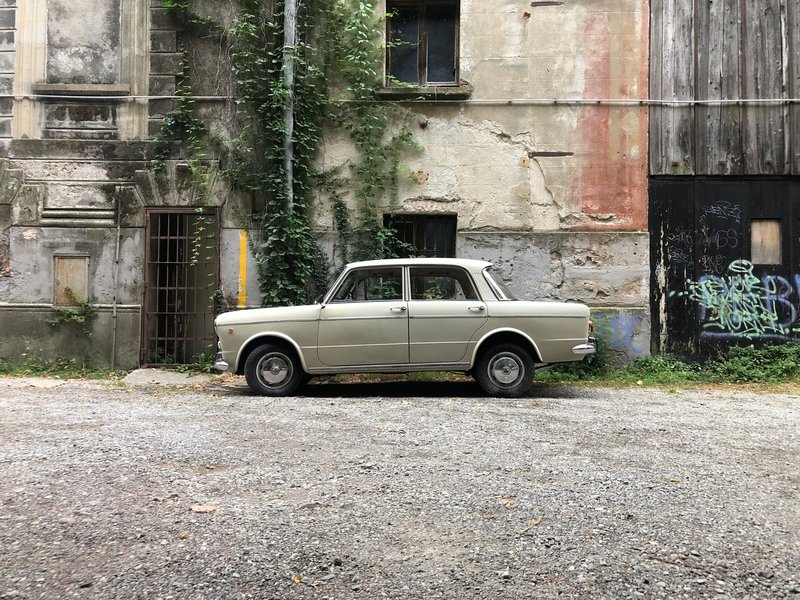
The Alfetta had a rear-mounted transaxle for near-perfect weight balance, de Dion rear suspension and an Alfa twin-cam four of around 1.8 litres and 120 hp. It handled better than most of the sports cars of the decade. It also rusted faster than most.
It’s the sedan to buy if you like your cars with personality and don’t mind a workshop.
Collector value: roughly $8,000 to $20,000 for good examples.
10. Volvo 240 (1974-93)
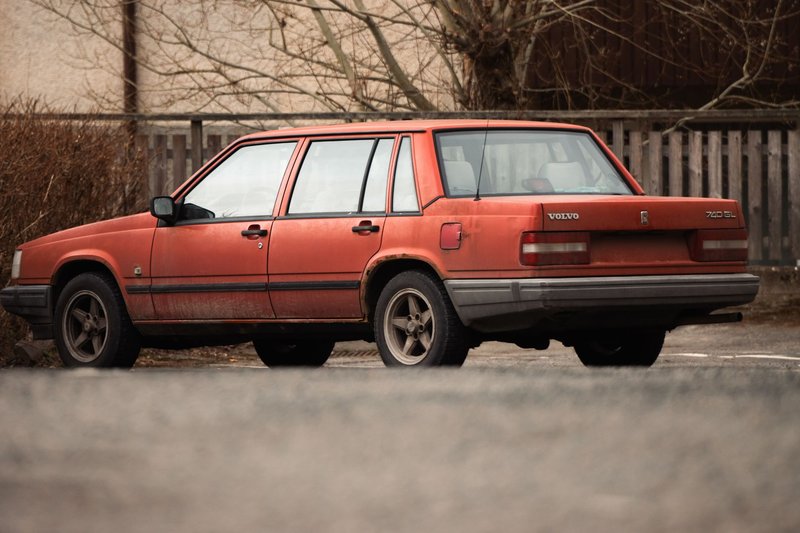
The 240 was built around safety, with crumple zones, a rigid cabin and 5-mph bumpers that actually worked. The 2.1-litre four-cylinder wasn’t quick, but the car was solid and easy to fix. Swedish owners kept them for decades, and a surprising number are still driving.
The earliest 1974 to 1976 cars are the ones collectors look for.
Collector value: roughly $3,000 to $12,000.
11. Peugeot 504 (1968-83)
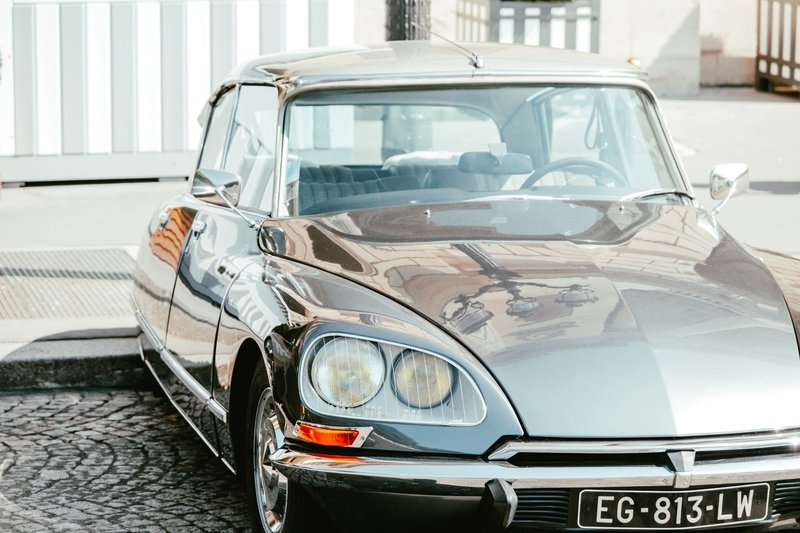
Pininfarina styling, independent rear suspension and a ride so supple it embarrassed more expensive cars. The 504 was one of the most successful European cars in Africa, where it was famous for surviving roads that destroyed other vehicles. Production continued in Nigeria into the 2000s.
You’ll see few of them in the United States now, which makes a good one a conversation starter.
Collector value: roughly $3,000 to $12,000.
Japanese Sedans That Changed the Math
12. Datsun 510 (1968-73)
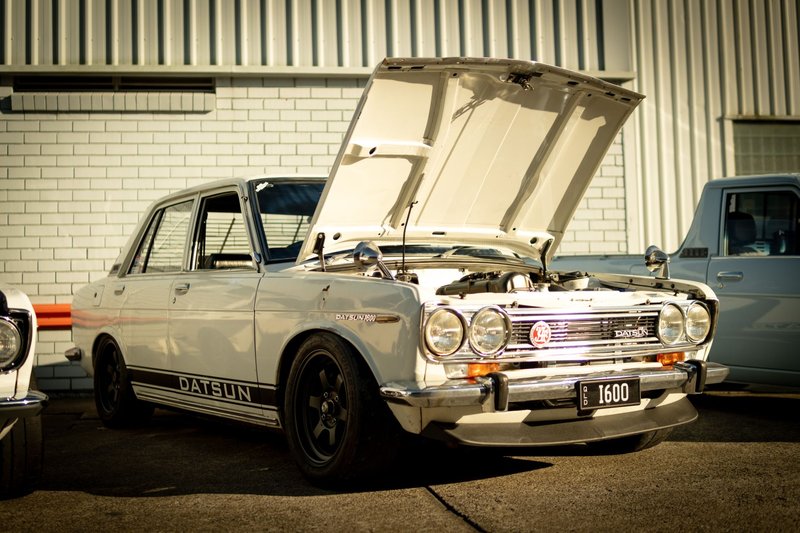
The 510 got a 1.6-litre overhead-cam four making about 96 hp (SAE gross), four-wheel independent suspension at a price people could afford, and a shape that looked like a small BMW. Peter Brock’s BRE team won the SCCA 2.5 Challenge Trans-Am championship in 1971 and 1972 with them, which made a family car look like a racer.
It’s why many Americans took Japanese cars seriously.
Collector value: roughly $10,000 to $35,000. Rust-free cars are rare.
13. Toyota Corona (1970s generations)
The Corona was the car that kept Toyota growing in the United States. By mid-decade it used the 2.2-litre 20R four, roughly 90 hp, and it earned a reputation for starting every morning. It was dull, and it sold anyway.
Its legacy is the Camry, which replaced it. The Corona is the cheapest way to own an ancestor.
Collector value: roughly $3,000 to $10,000.
14. Honda Accord Sedan (1979)
The Accord arrived in 1976 as a hatchback, and the four-door sedan followed for 1979. It had a 1.8-litre four around 72 hp, a quiet cabin, a full set of standard equipment and a level of fit and finish Detroit didn’t match at the price. It showed that a small car could feel like a proper car.
It sets up the 1980s, when the Accord became the best-selling car in America.
Collector value: roughly $3,000 to $10,000. Clean, original cars are scarce because most were driven into the ground.
Quick-Reference Table
| Car | Years | Engine | Power (approx.) | Collector value |
|---|---|---|---|---|
| Cadillac DeVille | 1971-76 | 500 cu in V8 | 190 hp net (1975) | $8,000-$25,000 |
| Lincoln Continental | 1970-79 | 460 cu in V8 | about 200 hp net | $8,000-$20,000 |
| Chevrolet Caprice Classic | 1977-79 | 305/350 V8 | about 145-170 hp | $6,000-$18,000 |
| Dodge Aspen / Plymouth Volare | 1976-80 | Slant-six / 318 V8 | about 100-150 hp | $3,000-$10,000 |
| Mercedes-Benz 450SEL 6.9 | 1975-80 | 6.9 L V8 | 286 hp | $40,000-$100,000 |
| Mercedes-Benz W123 | 1976-85 | Diesel / petrol I4, I6 | 62-185 hp | $5,000-$25,000 |
| Jaguar XJ6 Series II | 1973-79 | 4.2 L I6 | about 170 hp | $10,000-$30,000 |
| BMW 2002tii | 1971-74 | 2.0 L I4 | about 130 hp | $40,000-$100,000 |
| Alfa Romeo Alfetta | 1972-84 | 1.8 L I4 | about 120 hp | $8,000-$20,000 |
| Volvo 240 | 1974-93 | 2.1 L I4 | about 100 hp | $3,000-$12,000 |
| Peugeot 504 | 1968-83 | 1.8-2.0 L I4 | about 80-100 hp | $3,000-$12,000 |
| Datsun 510 | 1968-73 | 1.6 L I4 | about 96 hp | $10,000-$35,000 |
| Toyota Corona | 1970s | 2.2 L I4 | about 90 hp | $3,000-$10,000 |
| Honda Accord Sedan | 1979 | 1.8 L I4 | about 72 hp | $3,000-$10,000 |
Values are rough ranges for sound, driver-quality to excellent cars and shift with condition and provenance. Check recent auction results before paying.
Which 1970s Sedan Should You Buy?
Match the car to what you’ll do with it.
- Cruising and shows: the Cadillac DeVille or Lincoln Continental. Cheap to buy, expensive to feed.
- Driving every week: the Mercedes W123 or the Volvo 240. Parts and community support are good.
- Driving hard: the BMW 2002tii or Datsun 510, though expect to pay for them.
- Investing: the Mercedes 450SEL 6.9 has the strongest long-term case, while the 2002tii is already priced for it.
- Starting cheap: the Corona, Accord or Aspen. Rust and neglect are the risks, so inspect underneath first.
Whatever you pick, buy the cleanest example you can afford. Bodywork costs more than mechanical repairs on every car here.
The 1970s were a hard decade for sedans, and most of the cars were compromised. The best of them still say something real about a moment when the industry was deciding what a car should be.

Marco Delantero
More from Marco DelanteroHow we reviewed this article
This article was researched against manufacturer records and editorially reviewed before publishing. We accept no payment for coverage. Some guides contain affiliate links; see our affiliate disclosure.