Triumph doesn’t build bad motorcycles. It builds a few specific model years with specific, well-documented faults, and most of those faults are cheap to fix if you know about them before you hand over the cash.
That’s the part the “most reliable motorcycle brands” lists skip. They’ll give you a brand-wide verdict, or a roundup of Triumph’s best bikes, and never name a weak one. This post does. Below are the Triumphs with the thinnest records: what fails, which years, whether there was a recall, and what the repair tends to cost.
One caveat up front. This is built from owner reports, recall data and published rankings, not from a lab test or a fleet study. Treat the repair costs as rough ranges and verify anything you’re about to buy against the bike’s VIN.
TLDR
- Trident 660 (2021 launch year): electrical glitches, quickshifter misses and oil consumption reported on early bikes. Fixable, but demand a service history.
- Tiger 900 (2020 and early years): a new platform with the usual first-run recalls. Check the VIN for open campaigns.
- Street Triple 675 (2006 to 2012 triples): regulator/rectifier failures, tank lining breakdown and tired headlight lenses. Cheap parts, but know what you’re buying.
- Older Bonnevilles: mechanically simple, but the T100 shows up with a long recall list. Check each bike’s history.
- Everything else in the range has a better record. None of this makes Triumph a bad brand to buy.
Contents
- How we ranked them
- The least reliable Triumph motorcycles, ranked
- Triumph Trident 660 (2021)
- Triumph Tiger 900 (early years)
- Triumph Street Triple 675 (2006 to 2012)
- Older Triumph Bonnevilles
- How Triumph compares with Japanese rivals
- Pre-purchase checklist
- Triumphs still worth buying
How we ranked them
Three things decided the order: how common the fault is, how much it costs when it hits, and whether it can leave you stranded. A peeling tank liner is annoying. A dead charging system on a Tuesday morning commute is worse.
Recalls count, but they cut both ways. A recall means a fault was bad enough to be formally acknowledged, and it also means the fix is free at a dealer. You can look up open campaigns by VIN through NHTSA’s recall database in the US or the UK government’s vehicle recall checker.
The least reliable Triumph motorcycles, ranked
The order below runs from the most worrying purchase to the least. Nothing here is a write-off. Every one of these bikes has owners who’ve put tens of thousands of miles on them.
Triumph Trident 660 (2021)
The Trident 660 is Triumph’s entry-level roadster, and it launched in 2021 with a price that undercut most of the competition. First-year bikes are where the complaints cluster.
What owners report on early bikes:
- Electrical faults. Intermittent warning lights, dash glitches and battery drain issues show up in owner forums more on 2021 bikes than later ones.
- Quickshifter misses. The optional Triumph Shift Assist skips or refuses to engage cleanly on some bikes, especially at low revs.
- Oil consumption. Some owners report topping up between services. Check the level when the engine is warm, and ask how often the previous owner added oil.
Recall status: check the VIN. First-year models are where any open campaign is most likely to sit.
Rough repair cost: electrical gremlins vary wildly, from a free software update to a few hundred dollars of diagnostic time. Oil consumption is the one to worry about, because there’s no cheap fix once it’s established.
Verdict: a 2022 or later bike avoids most of this. If you find a 2021 with a full dealer service history and an updated ECU, it’s still a decent buy. Without records, pass.
Triumph Tiger 900 (early years)
The Tiger 900 arrived in 2020 as the replacement for the long-running Tiger 800. A new frame, a new engine tune and a new electronics package meant more things that could go wrong in year one, and a few did.
The pattern here is less about one famous failure and more about first-run recalls typical of an all-new platform. Early bikes are more likely to have open campaigns that a previous owner never got done, particularly if the bike was bought privately or imported.
What to check:
- Run the VIN through NHTSA or the UK checker before anything else
- Look for water ingress or corrosion around connectors if the bike has been ridden hard off-road
- Test every electronic feature: riding modes, cruise control, heated grips and the TFT display on the Rally and GT trims
Rough repair cost: recall work is free at a dealer. Out-of-warranty electrical repairs on adventure bikes can add up quickly, because wiring looms are expensive.
Verdict: buy a later bike if the budget stretches. An early Tiger 900 with documented recall work is fine.
Triumph Street Triple 675 (2006 to 2012)
This is the one with the most specific, well-documented problems, and also the one with the most loyal fans. The 675 triple is a brilliant engine in a brilliant chassis. The supporting cast has some flaws.
Regulator/rectifier failure. On the 675 triples built from 2006 to 2012, the regulator/rectifier is the component that tends to fail. When it does, it either stops charging the battery or overcharges it and cooks it. Symptoms include a battery that keeps dying, flickering dash lights, and a bike that dies on the road with the lights still on.
The fix is usually a replacement regulator/rectifier, and many owners go with a MOSFET-type aftermarket unit that runs cooler than the original. Expect roughly $100 to $250 for the part and an hour or two of labor, plus a new battery if the old one has been damaged.
Tank lining. The fuel tank liner on some bikes breaks down and starts to flake. It can clog filters and injectors. A relined or replacement tank is the cure, and a replacement is the expensive route. Look inside the tank with a torch before you buy.
Headlight lens. The lens on these bikes clouds and crazes with age. It’s cosmetic, but it also dulls night-time visibility. Replacement lenses and headlight units are available, and the cost depends on whether you buy new or used.
Recall status: there are recall campaigns across Triumph’s 675 range, but the regulator/rectifier issue is mostly a known-failure item that owners deal with out of pocket. Verify by VIN.
Verdict: still one of the best-handling middleweights ever made. Budget for the regulator/rectifier on day one and you’ll be ahead of most owners.
Older Triumph Bonnevilles
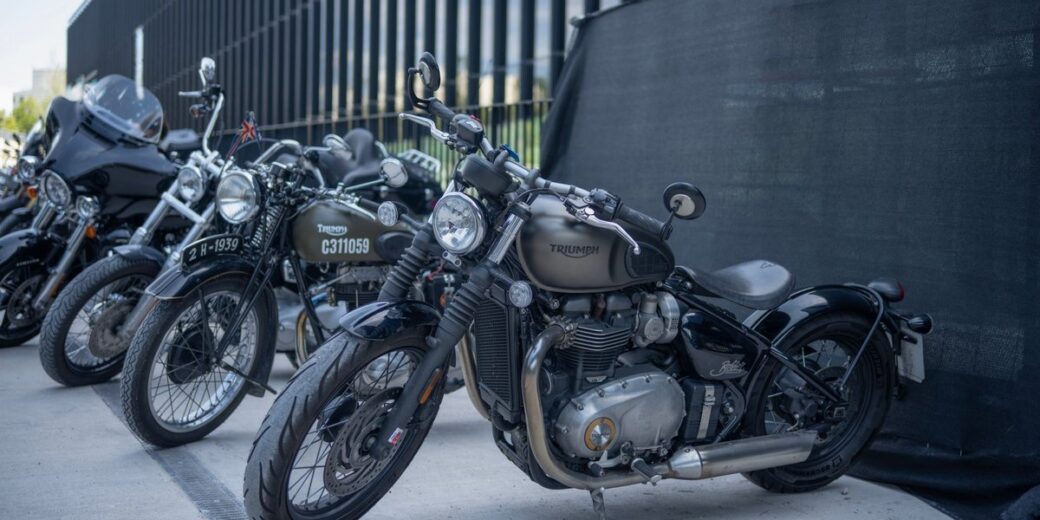
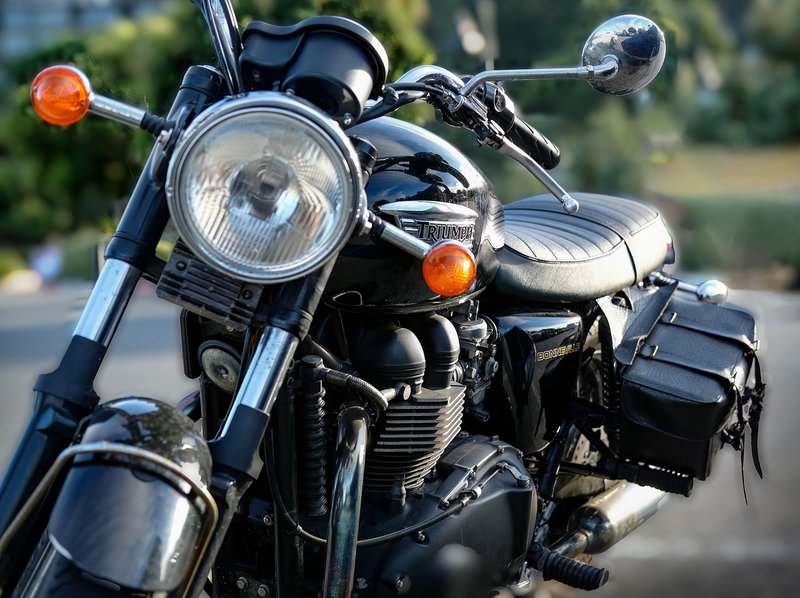
The modern Bonneville line has run since 2001, and it’s a mix of air-cooled and, since 2016, liquid-cooled twins. The air-cooled engines are mechanically simple and cheap to maintain, which makes them easy to buy and easy to be disappointed by.
SlashGear’s reliability ranking counts 10 NHTSA recalls on the Bonneville T100, the most of any Triumph it listed. That number covers several generations of the bike, so don’t read it as 10 faults on one bike, but it’s a reminder that these models have been through a lot of campaigns.
What to look for on older air-cooled Bonnevilles:
- Oil leaks and weeping seals around the engine cases and head. Common on older air-cooled bikes of any brand.
- Corrosion on chrome, spokes and fasteners, especially on bikes kept outside or ridden through salted winters.
- Electrical connectors and aging wiring, which cause the sort of random faults that are annoying to trace.
- Carburetor tuning on the 2001 to 2007 bikes, and fuel-injection throttle sync on the later ones.
Rough repair cost: most of these are inexpensive jobs for a competent mechanic. The danger is stacking several at once on a neglected bike.
Verdict: a well-kept Bonneville is a safe buy. A cheap one with no history usually isn’t cheap by the time you’re done.
How Triumph compares with Japanese rivals
Honda, Yamaha, Suzuki and Kawasaki have a reputation for engines that run for decades with an oil change and a valve check. Triumph doesn’t have quite the same reputation, and the reason is mostly electrical and supporting components, not engine internals. The triples and twins themselves tend to hold up. The regulators, quickshifters, sensors and finishes are where Triumph historically has lagged.
Japanese bikes also win on parts cost. A regulator/rectifier for a common Japanese middleweight is cheaper and easier to find, and independent shops see them every day. Triumph parts are good, but you’re more likely to pay dealer prices.
That said, Triumph’s recent bikes have closed much of the gap, and a well-maintained Triumph is not a risky purchase. If you want the lowest-possible-hassle ownership, a Japanese twin or four-cylinder still wins that argument. If you want character, handling and a better exhaust note, Triumph gives you reasons to accept a bit more risk.
Pre-purchase checklist
Use this on any used Triumph, and add the model-specific items below.
For every bike:
- Run the VIN through a recall checker and ask for proof of completed campaigns
- Ask for dealer service records, especially valve and chain adjustments
- Start the bike cold, and watch for warning lights and rough idle
- Check the charging voltage at idle and at 4,000 rpm. A healthy system should read roughly 13.5 to 14.5 volts
- Look for oil weeping around engine seals and gaskets
Model-specific:
- Trident 660: test the quickshifter if fitted, check the oil level warm, and confirm any ECU updates were done
- Tiger 900: run through every electronic feature and check for corrosion around connectors
- Street Triple 675: measure the charging voltage, look inside the tank, and inspect the headlight lens
- Bonneville: inspect for leaks, corrosion and old wiring, and ask when the carbs or throttle bodies were last balanced
Triumphs still worth buying
For balance, here’s what the reliability rankings usually put near the top: the Speed Triple, the Tiger Sport, the later Street Triple models and the water-cooled Bonneville range from 2016 on. SlashGear’s ranking counts 4 NHTSA recalls on the Speed Triple S, which is modest for a high-performance naked bike.
Triumph’s newer models benefit from years of fixes. If your budget allows, a late-model Street Triple or a post-2022 Trident 660 gets you the character without the shopping list of known faults.
The short version: buy the bike, not the badge. A documented, well-serviced example of any model on this list beats a neglected example of a “reliable” one.

Marco Delantero
More from Marco DelanteroHow we reviewed this article
This article was researched against manufacturer records and editorially reviewed before publishing. We accept no payment for coverage. Some guides contain affiliate links; see our affiliate disclosure.