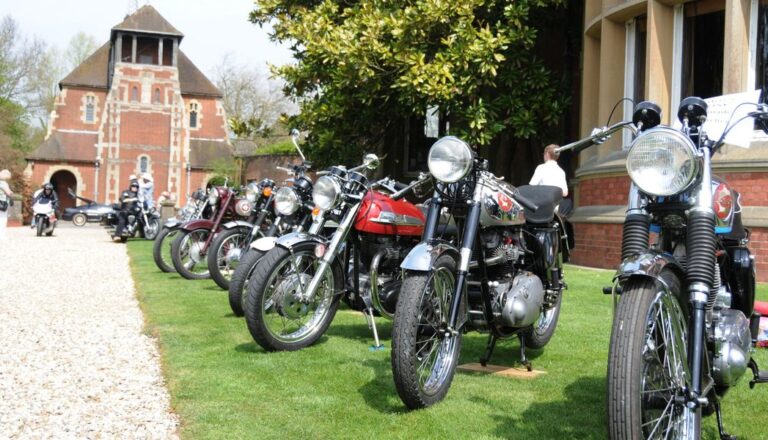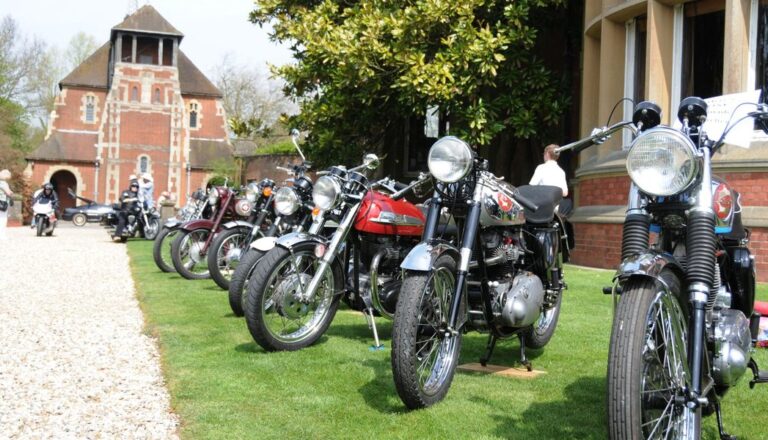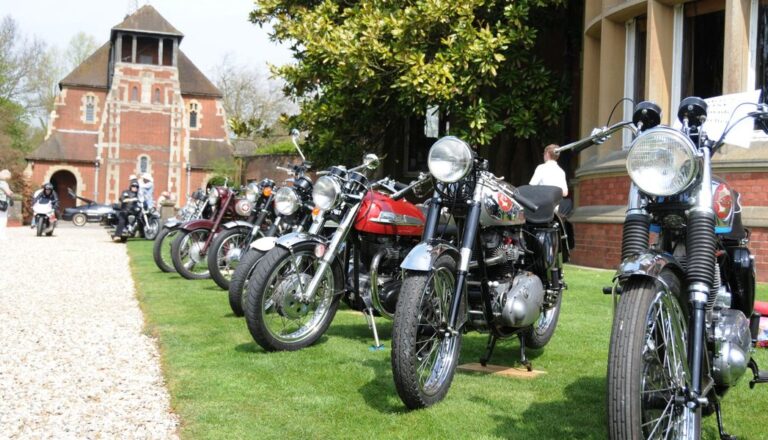
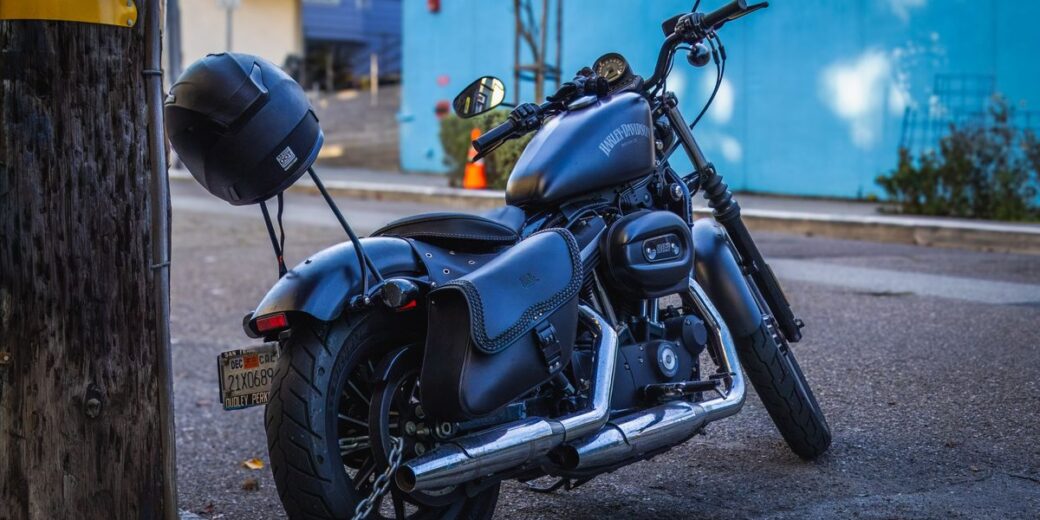
Harley-Davidson turned 90 in 1993, and the lineup shows it. Two new Dyna models arrived, the Sportster 883 switched to belt drive, the Springer Softail got a new front fender, and six bikes wore special silver-and-charcoal anniversary paint. Two long-running models quietly disappeared.
This guide covers the full 1993 Harley-Davidson models range by family, with model codes and engines, followed by what changed that year and what to check if you’re thinking of buying one.
Table of Contents
- Quick reference: the 1993 lineup
- Sportster: 883, 883 Hugger and 1200
- Dyna: the new Wide Glide and Low Rider
- Softail: Standard, Custom, Heritage, Fat Boy and Springer
- Touring: Electra Glide, Ultra and Tour Glide
- The 90th Anniversary editions
- What changed in 1993
- Models dropped for 1993
- Buying a 1993 Harley today
Quick reference: the 1993 lineup
Every Big Twin that year used the 1340cc (80 cubic inch) Evolution V-twin. Sportsters used the smaller Evolution engines, 883cc or 1200cc. Model codes are the shorthand you’ll see on titles, parts diagrams and classified ads.
| Family | Model | Code | Engine | Notable for 1993 |
|---|---|---|---|---|
| Sportster | Sportster 883 | XLH 883 | 883cc | Belt final drive |
| Sportster | Sportster 883 Hugger | XLH 883 Hugger | 883cc | Lowered suspension, belt final drive |
| Sportster | Sportster 1200 | XLH 1200 | 1200cc | 90th Anniversary edition offered |
| Dyna | Dyna Wide Glide | FXDWG | 1340cc | New model, 90th Anniversary edition offered |
| Dyna | Dyna Low Rider | FXDL | 1340cc | New model |
| Softail | Softail Standard | FXST | 1340cc | Carried over |
| Softail | Softail Custom | FXSTC | 1340cc | Carried over |
| Softail | Heritage Softail Nostalgia | FLSTN | 1340cc | Cowhide saddlebags and seat, introduced as a ’93 model |
| Softail | Fat Boy | FLSTF | 1340cc | Carried over |
| Softail | Springer Softail | FXSTS | 1340cc | New floating front fender |
| Low Rider (FXR) | Low Rider Custom | FXLR | 1340cc | 90th Anniversary edition offered |
| Touring | Electra Glide Sport | FLHS | 1340cc | Remote oil tank, larger bags |
| Touring | Electra Glide Classic | FLHTC | 1340cc | 90th Anniversary edition offered |
| Touring | Ultra Classic Electra Glide | FLHTCU | 1340cc | 90th Anniversary edition offered |
| Touring | Tour Glide Ultra Classic | FLTCU | 1340cc | 90th Anniversary edition offered |
Treat the table as the core lineup rather than a guarantee of every paint and trim variant. Databases disagree on exact counts. One German catalog counts 26 listings for 1993 but only displays eight, and variant names get duplicated across sources.
Sportster: 883, 883 Hugger and 1200
The Sportster was the entry point, and the choice came down to the engine and how low you wanted to sit.
The XLH 883 was the cheapest way into a new Harley and the one most buyers started on. The 883 Hugger is the same engine with a lowered suspension, aimed at shorter riders and anyone who wanted the bike to sit closer to the pavement. For 1993, both moved to a belt final drive. That’s the headline change here: no more chain to oil, adjust and eventually replace.
The XLH 1200 is the bigger-bore sibling. Sportster 883 vs 1200 is a real choice, not a cosmetic one. The 1200 pulls harder from low revs and handles highway speeds with less strain, which matters if you’re riding more than around town. The 883 is lighter on the wallet and easier to manage in a parking lot. A 1200 was also one of the six 90th Anniversary editions.
Dyna: the new Wide Glide and Low Rider
The Dyna chassis is built around a rubber-mounted Big Twin engine and a separate five-speed transmission. For 1993, Harley added two models to it, and both are the reason this family matters in the story of the year.
The Dyna Wide Glide (FXDWG) is the one that gets the attention. It carries a one-piece Fat Bob fuel tank, a 21-inch front wheel, a bobbed rear fender and tall handlebars that Harley’s own marketing called a “Factory Ape Hanger.” If you’re searching for the 1993 Dyna Wide Glide FXDWG, this is the bike that started the nameplate’s run. It was also one of the 90th Anniversary models.
The Dyna Low Rider (FXDL) takes the same chassis and lowers the handlebar. It adds dual front discs, a black-and-chrome powertrain and a removable pillion seat, so it can run as a solo bike. It’s the more rider-friendly of the two, and it picked up the Low Rider name that the FXR-frame Low Rider had carried for years.
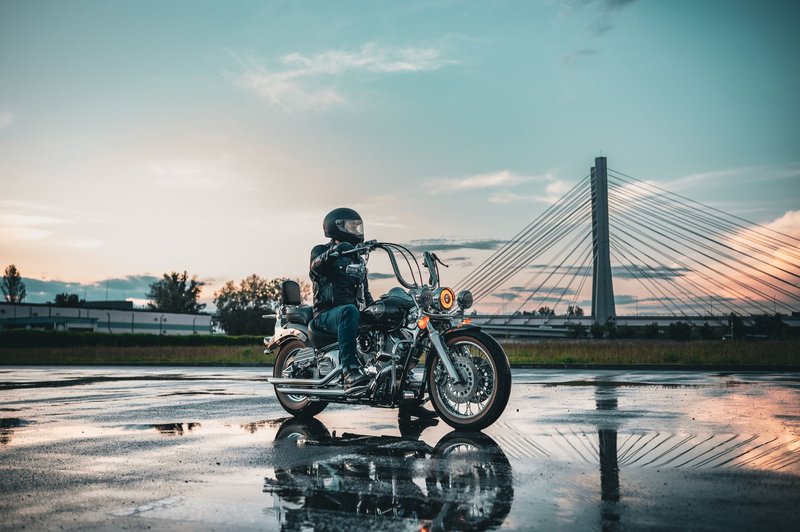
Every Dyna that year also got revised rubber engine mounts aimed at cutting vibration.
Softail: Standard, Custom, Heritage, Fat Boy and Springer
Softails hide their rear suspension under the transmission so the frame looks like an old rigid hardtail. In 1993 that meant five distinct looks.
- Softail Standard (FXST) and Softail Custom (FXSTC): The core cruisers. The Custom adds the chrome and styling touches.
- Heritage Softail Nostalgia (FLSTN): The one people remember. Introduced as a ’93 model in March 1992, it wears small cowhide-covered saddlebags and a matching seat. Riders nicknamed it the “Cow-Glide,” and the name stuck. It had a short production life, so it’s the rarest of the Softails on this list.
- Fat Boy (FLSTF): Solid disc wheels, a gray-toned finish and a fat-fendered stance. The Fat Boy specs on paper match the other Softails (1340cc Evolution), and the look carried the sales.
- Springer Softail (FXSTS): The only Harley with a springer front end, a design that looks like a 1940s fork. For 1993 it got a floating front fender that sits much closer to the tire than before.
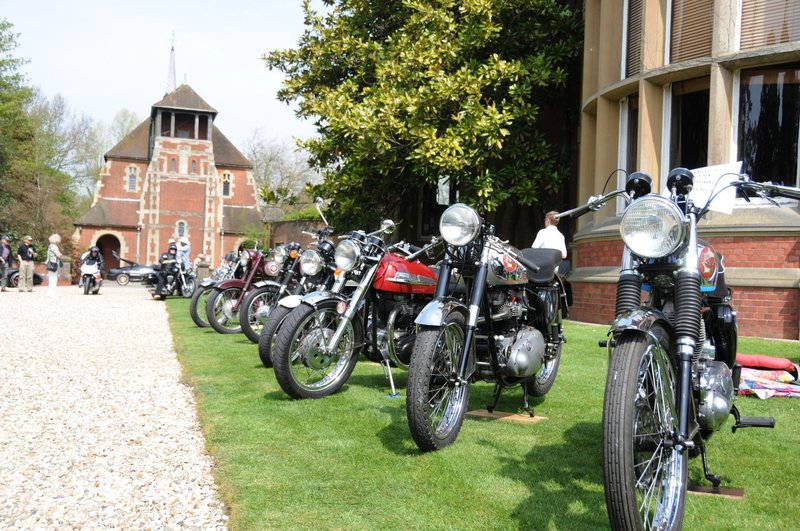
The common thread is that they’re all 1340cc, five-speed bikes. What separates them is styling, ergonomics and how much chrome you want to polish.
Touring: Electra Glide, Ultra and Tour Glide
Touring bikes were the biggest changes under the skin in 1993. The line included the Electra Glide Sport (FLHS), the Electra Glide Classic (FLHTC), the Ultra Classic Electra Glide (FLHTCU) and the Tour Glide Ultra Classic (FLTCU).
Three updates reached the whole touring line:
- A remote oil reservoir mounted below the engine and transmission.
- The battery moved under the seat instead of sitting behind the right saddlebag.
- Saddlebags about 15 percent larger, with redesigned lids that are hinged and permanently attached to the bags.
Each is a practical improvement. Bigger bags and an easier battery location matter more on a long trip than any horsepower figure.
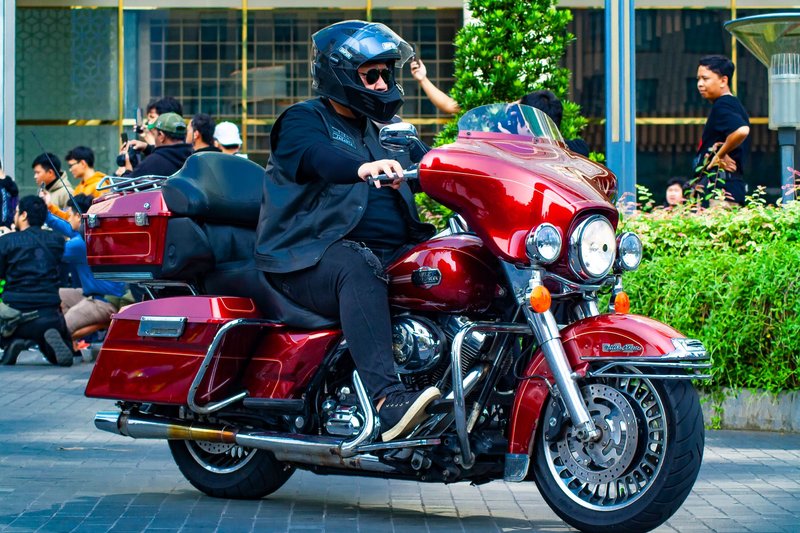
The 90th Anniversary editions
Harley started building bikes in 1903, so 1993 was the 90th year, and the company marked it with six limited-edition models. Cycle World’s 1993 preview describes them with silver-and-charcoal paint, serialized nameplates and 90th Anniversary fuel tank emblems. The six were:
- Sportster 1200
- Low Rider Custom
- Dyna Wide Glide
- Electra Glide Classic
- Ultra Classic Electra Glide
- Tour Glide Ultra Classic
The editions tie in to an anniversary reunion ride that ended with a celebration in Milwaukee on June 12. Mechanically they’re the same bikes as their standard siblings. The difference is the paint, the badges and the serial number. That’s what a collector pays for, and it’s the thing to verify on any bike sold as an anniversary edition: the tank emblem and the nameplate need to match.
What changed in 1993
Beyond the new models and anniversary paint, here are the changes that affect how a 1993 bike rides and what you’ll maintain:
- Belt drive on the Sportster 883 and 883 Hugger. Cycle World noted that this put the base Sportsters on the same final-drive type as the rest of the range.
- Floating Springer fender. The front fender on the Springer Softail moved closer to the tire.
- Larger saddlebags and a remote oil tank on touring models, plus the under-seat battery.
- New “blade” brake and clutch levers across the line.
- Revised rubber mounts on all Dynas.
- Buell. Harley bought a 49 percent stake in Buell Motorcycle Company in 1993, the start of a relationship that lasted until 2009.
Models dropped for 1993
Two bikes didn’t make it into the 1993 brochure: the standard Low Rider FXRS and the sport-touring FXRT. Cycle World reported that Harley dropped them to free up production capacity amid strong worldwide demand.
Sources conflict here, and it’s worth knowing why. Used listings and databases sometimes show FXRT or FXRS bikes with 1993 dates, because leftover stock was titled in a later year. The FXR-frame Low Rider Custom did stay, which is why it appears among the anniversary editions. If a seller says a standard FXRS is a 1993, check the VIN and the build date plate before paying anything extra for rarity.
Buying a 1993 Harley today
A 1993 bike is 30-plus years old. The Evolution engine has a good reputation for lasting, but age matters more than the badge.
Where to look first:
- Oil leaks. Weeping around the base gasket, pushrod tubes and rocker boxes is common on Evolutions. Small seeps are normal, puddles are not.
- Charging system. Stators and regulators on Evolution bikes are known to fail. Test with a voltmeter, with the bike running.
- Belt condition (883s). Check for cracks, missing teeth and frayed edges. Belts are not cheap.
- Springer fork (FXSTS). Look for slop in the linkage and rust on the springs, which suggest neglected lubrication.
- Rubber mounts (Dynas). Excess vibration at idle or highway speed points to worn mounts.
- Touring electrical. The new remote oil tank and under-seat battery mean more connectors in tight spaces. Inspect for corrosion and amateur wiring.
- Paperwork. Run the VIN through NHTSA’s recall lookup and match it to the title. Anniversary editions need correct emblems and serial plates.
Values: Sportster 883s sit at the low end of the price range and are the easy entry. Big Twin Softails and Dynas cost more, and the Fat Boy and Springer attract steady demand. Anniversary editions and a clean Heritage Nostalgia command a premium when the miles are low and the paint is original. Condition and documentation move the price more than the model code does, so a well-kept standard bike beats a neglected special edition.
Which 1993 Harley fits you
Pick the Sportster 883 for the lowest cost and the easiest ownership, the 1200 if you want power on the highway, a Dyna for a modern-feeling chassis with the Wide Glide’s styling or the Low Rider’s comfort, a Softail for classic looks, and a touring model for distance. Among 1993 Harley-Davidson models, the bike you should buy is the one with the best maintenance history, not the rarest badge.

Sarah Thornton
More from Sarah ThorntonHow we reviewed this article
This article was researched against manufacturer records and editorially reviewed before publishing. We accept no payment for coverage. Some guides contain affiliate links; see our affiliate disclosure.