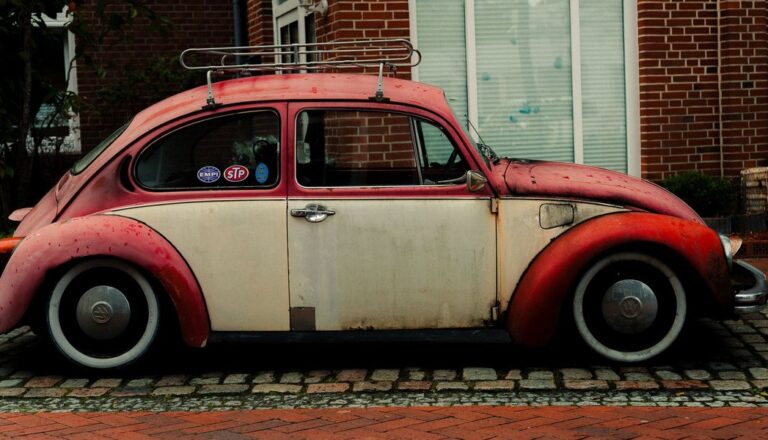
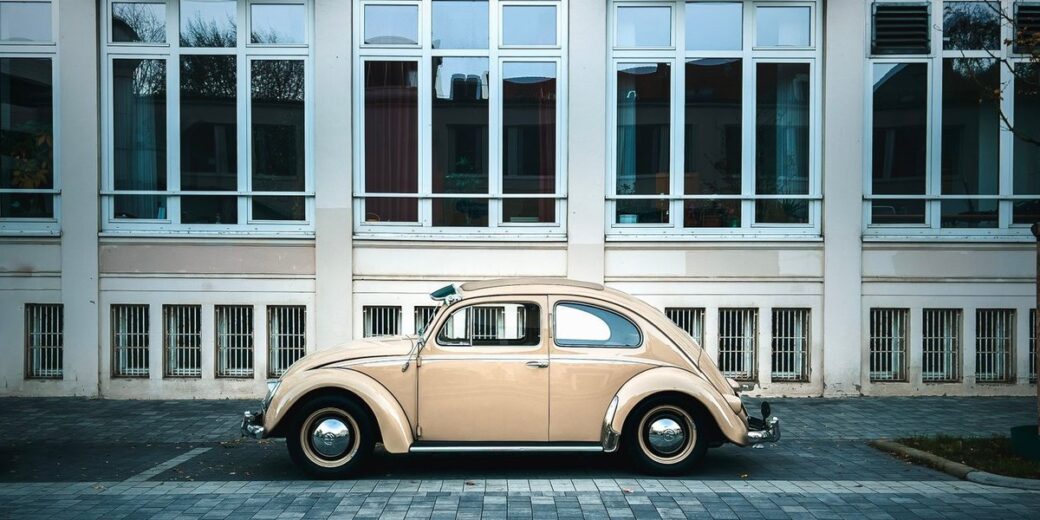
Volkswagen built essentially two cars in 1951: the Beetle and the Transporter. The Beetle came in four flavors, and the difference between them was mostly chrome, upholstery and how much you were willing to pay. That’s the whole 1951 lineup, and it’s smaller than most people expect.
Table of Contents
- TLDR: The 1951 lineup at a glance
- Beetle Standard
- Beetle De Luxe (Export)
- Sunroof Sedan
- Karmann Cabriolet
- Type 2 Transporter
- What changed in 1951
- How to identify a 1951 Beetle
- What a 1951 VW is worth today
- The year in context
TLDR: The 1951 lineup at a glance
Every 1951 Beetle used the same rear-mounted 1131 cc air-cooled flat-four making 25 hp. What you paid for was the body and the trim.
| Model | Launch price | Body | Notes |
|---|---|---|---|
| Beetle Standard | $1,295 | 2-door sedan | Bare-bones trim, the cheapest way in |
| Beetle De Luxe (Export) | $1,480 | 2-door sedan | Chrome trim, better upholstery |
| Sunroof Sedan | $1,550 | 2-door sedan, folding fabric roof | De Luxe with a sliding roof |
| Karmann Cabriolet | $2,296 | 2-door convertible | Coachbuilt by Karmann in Osnabrück |
| Type 2 Transporter | n/a | Panel van, Microbus | Same 1131 cc engine, built since 1950 |
The Karmann Ghia isn’t on this list. It was still years away.
Beetle Standard
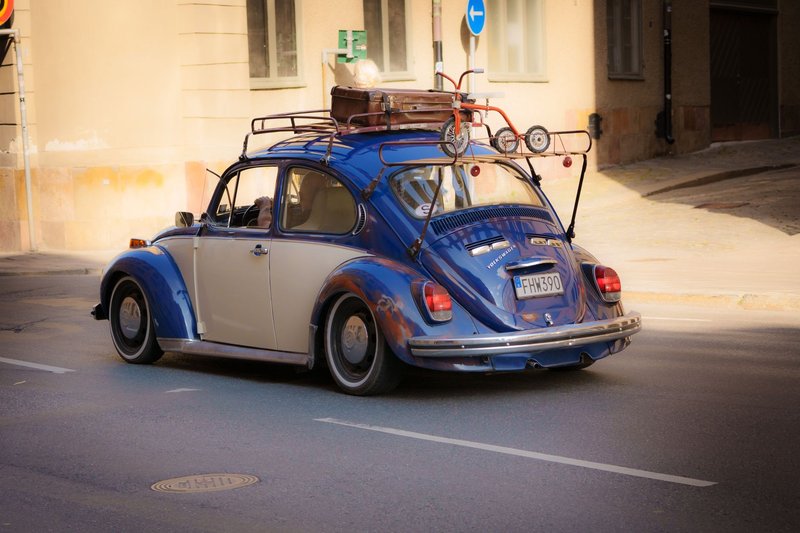
The Standard was the car Ferdinand Porsche’s design had always been about: cheap, simple, repairable. At $1,295 it undercut nearly everything with four wheels and a roof. Trim was minimal, with painted fittings where the De Luxe had chrome, and a plain interior.
Underneath, it was the same machine as the pricier cars. The 1131 cc flat-four put out 25 hp, which sounds comical today and was adequate for a 700-odd kg car with a top speed around 60 mph. Hydraulic brakes had replaced the earlier cable-operated setup by this point, a real upgrade you’d feel at every stop sign.
Beetle De Luxe (Export)
The De Luxe, sold in export markets as the Export, is the one most people picture. Bright-metal bumpers and trim, a nicer interior, and the details that make a Beetle look finished. At $1,480 it cost about $185 more than the Standard.
If you’re choosing between the two, the question is mostly about condition and originality. Mechanically they’re the same. The Standard is rarer today because most buyers took the nicer car, which makes surviving, correct Standards interesting to collectors who care about those things.
Sunroof Sedan
At $1,550, the Sunroof Sedan is a De Luxe with a folding fabric roof panel that rolls back. It’s the cheap route to open-air driving, a fraction of the Cabriolet’s price, and the roof mechanism is one of the first things to check on a survivor. Fabric rots, rails corrode, and water finds the gaps.
Karmann Cabriolet
At $2,296, the Karmann Cabriolet cost roughly 55 percent more than a Standard. The extra money bought a full convertible body built by Karmann of Osnabrück, with a padded, fully lined top and a heavier build. Volkswagen had also worked with Hebmüller on a rival drop-top, but that car was nearing the end of its short life, leaving Karmann as the open VW.
Cabriolets are the most valuable 1951 Beetles by a wide margin, and also the most frequently faked or rebuilt. Check body numbers and chassis details before paying a Cabriolet price.
Type 2 Transporter
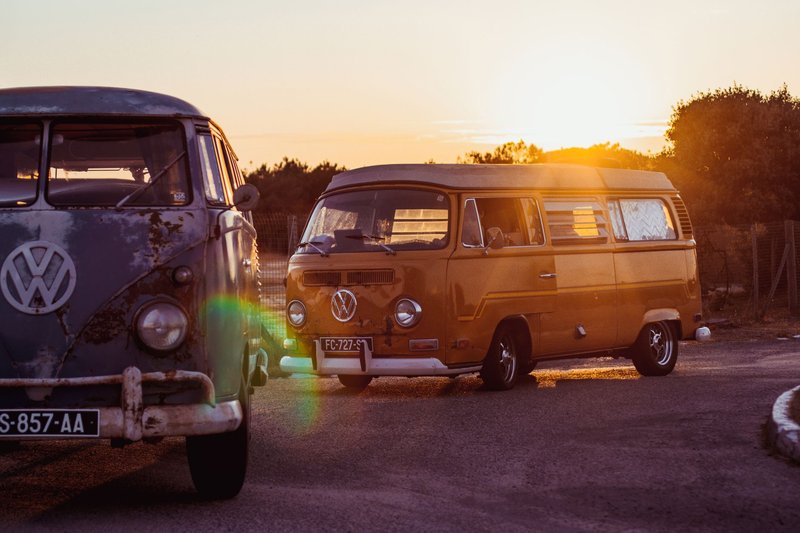
The Transporter went into production in 1950, so 1951 was its second year. It used the Beetle’s 1131 cc, 25 hp engine in a van body, with the engine in the back and the driver sitting right over the front axle. The range included the panel van and the passenger-carrying Microbus.
The 25 hp was ambitious for a vehicle meant to haul cargo. It was slow, loud and perfectly suited to delivery rounds in town. Most top search results for 1951 Volkswagens skip the Transporter entirely, but it was a core part of the 1951 Volkswagen lineup and the start of a whole second family of VWs.
What changed in 1951
Volkswagen made a long list of small improvements during 1951, roughly 24 in total. The ones collectors talk about:
- Air vents added to the fenders next to the doors
- A new two-spoke steering wheel
- Central trim on the grille
- A locking glovebox
None of these changed how the car drove. They did change how it looked and felt, and they’re exactly the details that separate a 1951 from the years on either side of it.
How to identify a 1951 Beetle
Telling one year of early Beetle from the next is part detective work, and the paperwork matters more than any single feature. Still, a few things help:
- Split rear window. All Beetles of this era have the two-piece oval-ish rear glass, which was used until 1953. It rules out later cars but not 1950 or 1952.
- Door and fender details. The ventilation and trim changes above separate a 1951 from a 1950.
- Steering wheel. The two-spoke wheel is a 1951 marker, though owners often swap wheels over the decades.
- Chassis and engine numbers. These are the reliable answer. Cross-reference them with the production data in the cars made in 1951 to verify your specific model’s authenticity.
Treat any single cosmetic clue as a hint. Early Beetles were repaired, mixed and restored for 70 years.
What a 1951 VW is worth today
Values swing hard on condition, originality and body style. Rough ranking, from lowest to highest: a driver-quality Standard or De Luxe, a good Sunroof Sedan, then a Cabriolet at the top. Concours-level cars and well-documented originals sit far above the rest.
For live numbers, check Hagerty’s valuation tool and recent auction results instead of trusting a price guide from five years ago. Classic VW values have moved a lot, and the spread between a tired car and a very good one is wide.
Buying advice for any of these: rust in the floor pans and heater channels is the big expense, and a clean-looking paint job tells you almost nothing about what’s underneath.
The year in context
Volkswagen sold 93,709 cars in 1951, a long way from the millions that would follow. The Beetle was still a postwar recovery project for a country rebuilding its industry, not yet the global phenomenon it became.
1951 also marked the death of the man behind the design. Ferdinand Porsche died on January 30, 1951, just as the car he conceived was beginning to find buyers abroad. He didn’t live to see it become one of the best-selling cars ever made.
If you’re researching a 1951 Volkswagen, the answer is a short, specific list: four Beetles, one van, one engine. The Karmann Ghia arrived in 1955, and the 1951 cars were the base it built on.

Tyler Bridges
More from Tyler BridgesHow we reviewed this article
This article was researched against manufacturer records and editorially reviewed before publishing. We accept no payment for coverage. Some guides contain affiliate links; see our affiliate disclosure.