Table of Contents
- TL;DR
- How We Ranked the Best Hatchbacks
- The 15 Best Hatchbacks, Ranked
- Quick-Reference Table
- Category Winners
TL;DR
The best hatchback of all time is the original Volkswagen Golf GTI. The Peugeot 205 GTI is the better car to drive, the Renault 5 is the better piece of design, and the Lancia Delta Integrale is the one that won the most. If you want a hatchback that changed how normal people live with cars, that’s the second-generation Toyota Prius. The full list of 15 runs from 1970s hot hatches to a 2010 electric car, with a verdict and a “who it’s for” line on each.
How We Ranked the Best Hatchbacks
Most lists of the best hatchbacks are really lists of hot hatches. That’s a fair shortcut, because the fast ones are the ones people remember. But a hatchback is a body style, not a power figure, and the cars that reshaped the segment include a few that never broke 120 hp.
Each car below was scored on five things:
- Influence. Did other manufacturers copy it, or did it change what a hatchback could be?
- Driving feel. How it behaves when you push it, not its spec sheet.
- Practicality. Rear seats, a boot you can use, running costs.
- Cultural weight. Posters, rally stages, school car parks.
- Ownership reality. Reliability, parts, and what you’d pay today.
Influence and driving feel carry the most weight. A car that scores well on both goes high. A car that’s only fast, or only sensible, goes lower.
The 15 Best Hatchbacks, Ranked
1. Volkswagen Golf GTI Mk1 (1976)
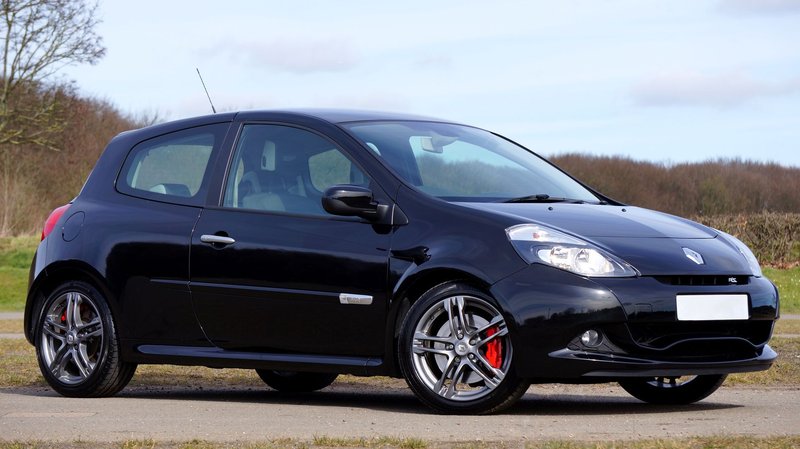
Engine: 1.6-litre four-cylinder, fuel-injected, 110 PS (about 108 hp). 0-62 mph: roughly 9 seconds. Weight: around 810 kg.
Giugiaro drew the Golf as a sharp-edged box, and a handful of engineers at Volkswagen quietly decided it needed an engine to match. The result wasn’t especially quick even by 1976 standards. It was light, balanced, and cheap to build, and the formula was so right that every hot hatch since is a variation on it. The red stripe on the grille, the golf-ball gearknob and the tartan seats are all still in use as shorthand for “performance, but friendly.”
Standout fact: Volkswagen’s original plan was to build around 5,000 of them. It sold hundreds of thousands.
Verdict: Not the fastest, not the best handler, and still number one. It invented the template.
Who it’s for: Anyone who wants the original, and doesn’t mind that a Mk1 now costs what a new small car does.
2. Peugeot 205 GTI (1984)
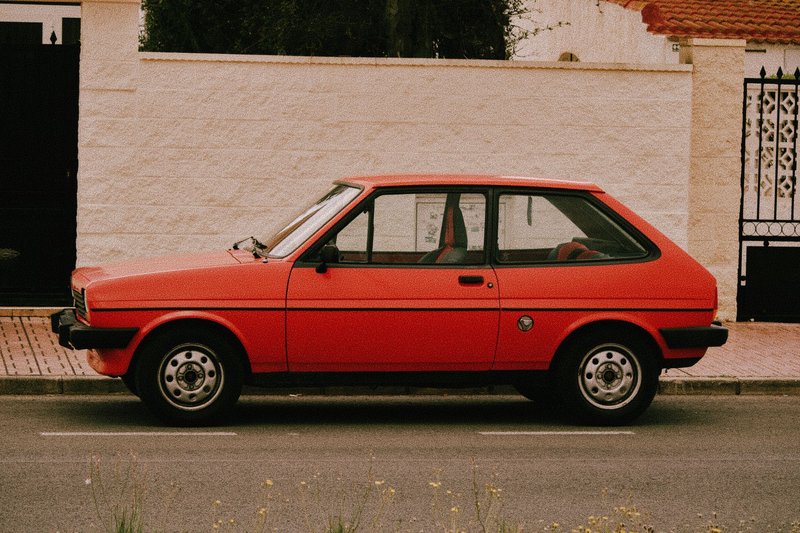
Engine: 1.6-litre, 105 PS, then from 1986 a 1.9-litre, 130 PS. Weight: around 850 kg.
Ask a room of car journalists for the best-driving hatchback ever and the 205 GTI wins more often than the Golf. The steering is light and exact, the chassis rotates the moment you lift off the throttle, and the whole car feels like it’s listening to you. It also bites. Lift off mid-corner in the wrong place and the rear comes round fast, which is part of the legend and part of why so many were crashed.
Standout fact: The 205 line sold roughly 5.3 million cars in total and pulled Peugeot out of a rough patch in the early 1980s.
Verdict: The purest driver’s hatchback ever made, and a very close second to the Golf in influence.
Who it’s for: Drivers who want feel over speed, and who can find an unrusted one.
3. Renault 5 (1972)
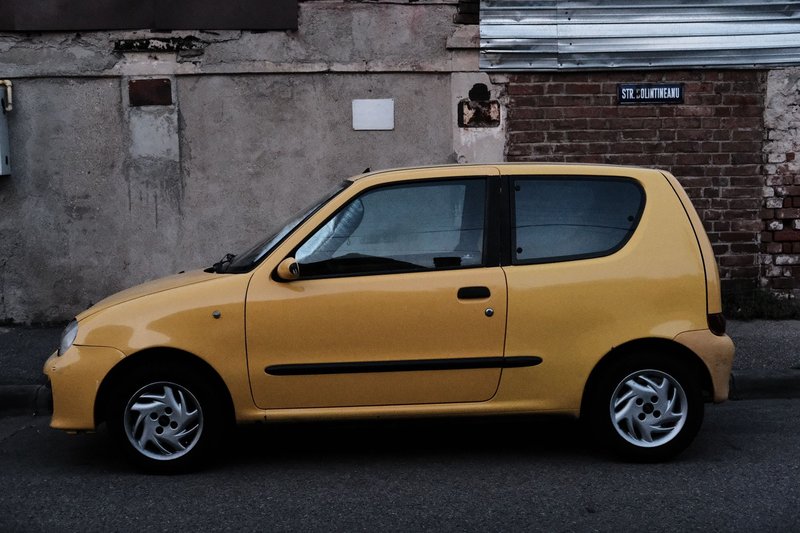
Engine: from 845 cc up to 1.4 litres. Power: from about 36 hp to 160 PS in the mid-engined Turbo.
The Renault 5 got the hatchback right before most of the industry had worked out what one was. Michel Boué’s design used plastic bumpers that were integrated into the body, a high tailgate and a wheel at each corner. It was tiny outside and usable inside. The sporty versions followed: the Gordini and Alpine, then the GT Turbo in 1985, and the wild Renault 5 Turbo of 1980, which put a 1.4-litre turbo engine behind the seats and drove the rear wheels.
Standout fact: The first-generation 5 sold more than five million cars, and Renault revived the name as an electric hatchback in 2024.
Verdict: The design landmark of the group. If you only care about influence, it could sit at number one.
Who it’s for: Anyone who wants French small-car style with real character. The GT Turbo is the one to buy.
4. Lancia Delta HF Integrale (1987)
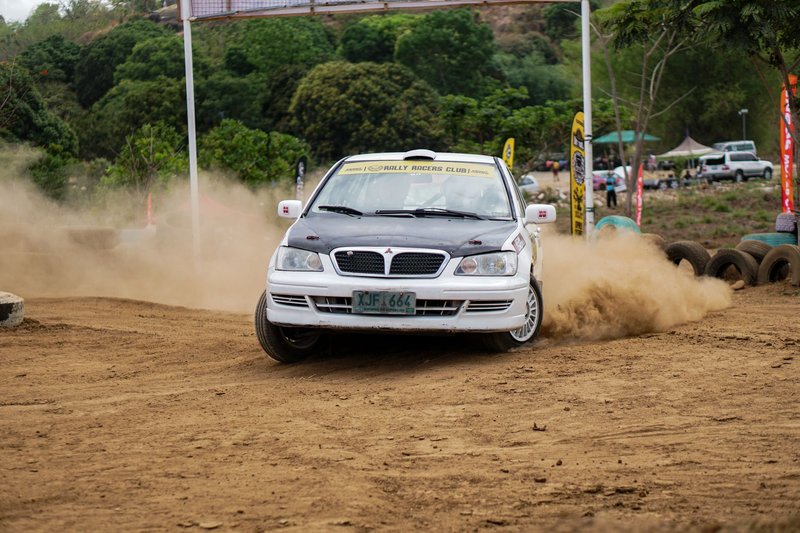
Engine: 2.0-litre turbocharged four-cylinder, four-wheel drive. Power: 185 PS in the original 8-valve, 200 PS in the 16-valve, 215 PS in the final Evo 2 (1993).
The Integrale is a family hatchback with a Group A rally car’s underwear. Its fender flares got wider every year because Lancia needed room for wider wheels and bigger tires. The car won six consecutive manufacturers’ titles in the FIA World Rally Championship from 1987 to 1992—a run unmatched among 1980s European sports cars. On the road it’s a small Italian car with four-wheel drive grip and a turbo that wakes up properly above 3,000 rpm.
Standout fact: Six straight world rally titles in a car you could buy in a showroom.
Verdict: The most successful hatchback in motorsport history and one of the best-looking.
Who it’s for: Collectors. Prices have climbed well beyond what most people pay for a hatchback, and rust is the main enemy.
5. Honda Civic Type R EK9 (1997)
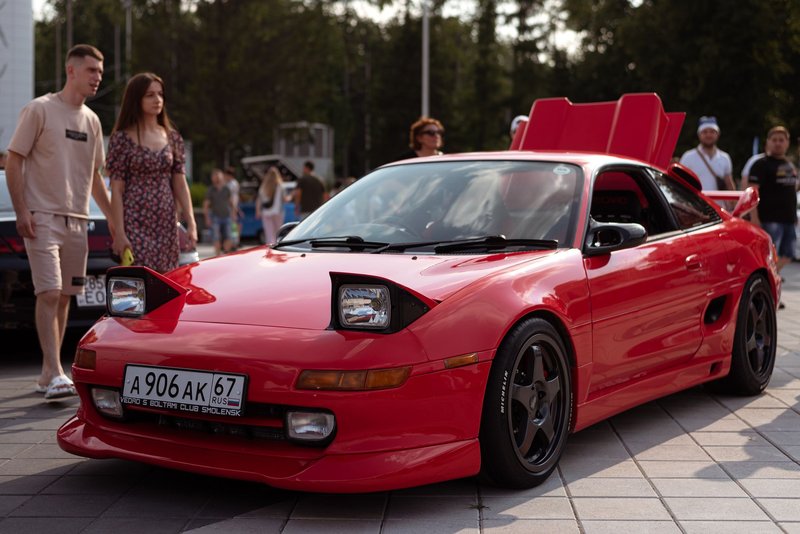
Engine: 1.6-litre naturally aspirated VTEC (B16B), 185 PS at 8,200 rpm. Weight: about 1,090 kg.
The EK9 is Honda’s best argument for engineering. A 1.6-litre engine with no turbo and no supercharger made 185 PS, which works out to about 116 hp per litre, a figure that was supercar territory in the 1990s. Honda hand-ported the engine, added a helical limited-slip differential, stripped sound deadening and painted the badge red. Then it sold the car in Japan only.
Standout fact: The EK9 was never sold new in Europe or the US. Every one outside Japan is an import.
Verdict: The best-sounding hatchback here. It rewards revs, and punishes anyone who doesn’t use them.
Who it’s for: Drivers who want a analogue, high-revving Honda and have the budget for an import.
6. Toyota Prius (2003 second generation)
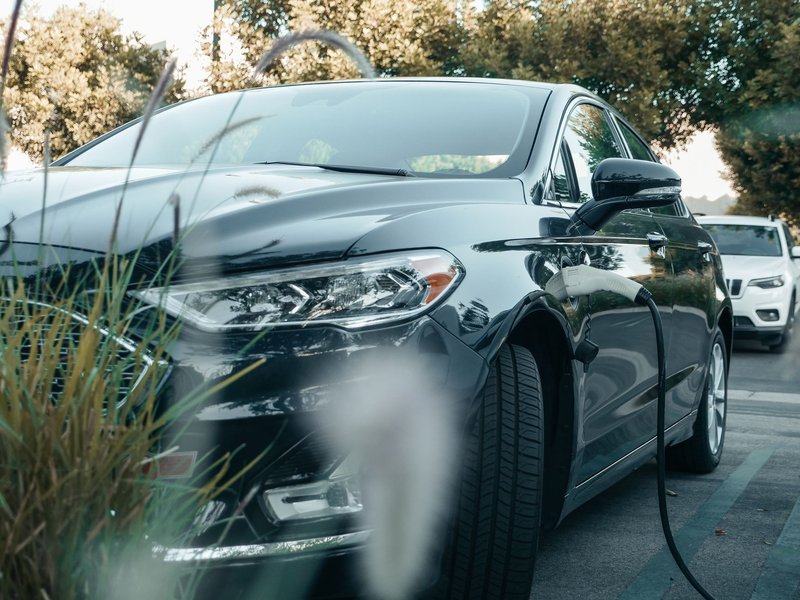
Powertrain: 1.5-litre petrol engine plus electric motor, 110 hp combined. Fuel economy: rated 55 mpg combined on the EPA’s pre-2008 scale.
The first Prius was a four-door sedan and a curiosity. The second one, launched in 2003 with a proper hatchback tailgate, was the car that put hybrids on every high street. The fold-flat rear seats, the central display and the sheer thrift of the thing made it the default car for anyone trying to cut a fuel bill. It’s not exciting. It was never meant to be. It’s on this list because it changed what ordinary buyers expected from a hatchback.
Standout fact: The Prius made “hybrid” a purchase category for millions of people who had never considered one.
Verdict: The most influential non-sporting car in the group.
Who it’s for: High-mileage drivers who want a used car that costs very little to run. Check the hybrid battery health before you buy.
7. Ford Focus RS Mk2 (2009)
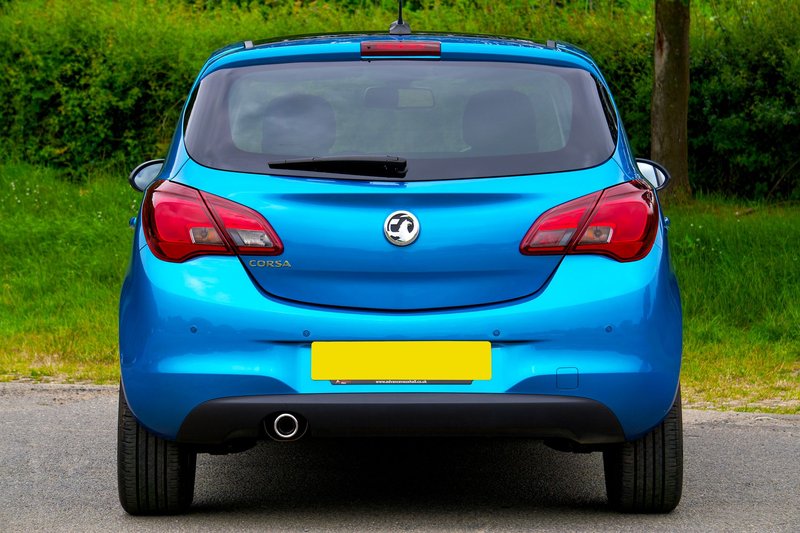
Engine: 2.5-litre turbocharged five-cylinder, 305 PS, 324 lb-ft. Drive: front-wheel drive.
Ford’s answer to front-drive torque steer was a clever front suspension called the RevoKnuckle, plus a Quaife limited-slip differential. The five-cylinder engine came from Volvo and sounded like nothing else in the segment. A front-drive car with 305 PS shouldn’t work, and somehow it does. The matte-black RS500, limited to 500 cars, pushed output to 345 PS.
Standout fact: It’s a front-wheel-drive hatchback with more than 300 PS and almost no torque steer. That shouldn’t be possible.
Verdict: Loud, silly and brilliantly engineered. The last of the front-drive monsters.
Who it’s for: Enthusiasts in Europe. The US never got this one; it received the all-wheel-drive Mk3 RS in 2016.
8. Toyota GR Yaris (2020)
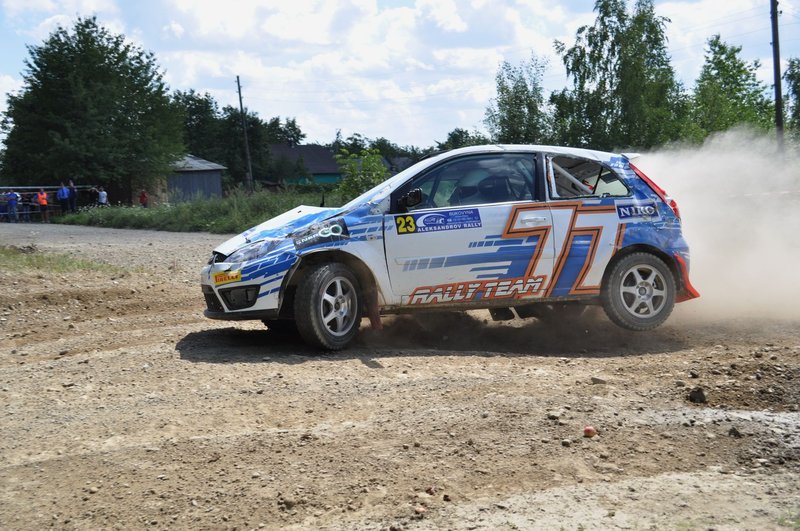
Engine: 1.6-litre turbocharged three-cylinder, 261 PS. Drive: GR-Four all-wheel drive with selectable torque split.
The GR Yaris exists because Toyota wanted to go rallying again, and WRC rules required a road car. So Toyota built one: a unique three-door body with a carbon-fibre roof, aluminium doors and bonnet, a three-cylinder engine making 261 PS, and Torsen limited-slip differentials on both axles. The result is the closest thing to an Integrale in decades.
Standout fact: The three-door shell is not shared with the regular Yaris. Toyota effectively built a different car.
Verdict: A homologation special that actually made it to the showroom, which hasn’t happened often since the 1990s.
Who it’s for: Anyone who wants the modern Integrale experience. US buyers get the 300 hp GR Corolla instead.
9. Mazda3 (2003)
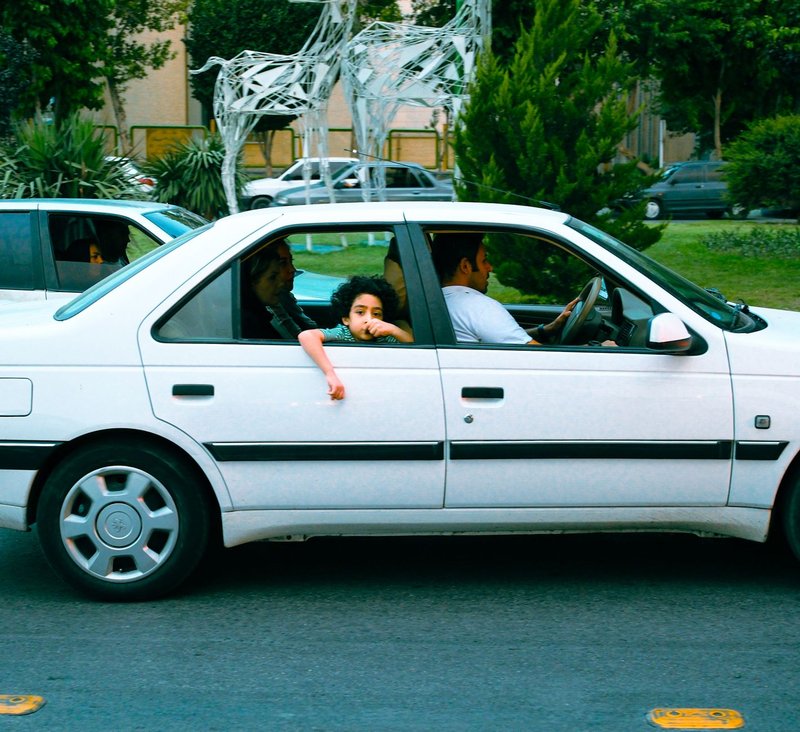
Engine: 2.0-litre or 2.3-litre four-cylinder (148 hp and 160 hp in US trim). Performance version: Mazdaspeed3, 2.3-litre turbo, 263 hp.
Not every great hatchback has to be a sports car. The Mazda3 is a sensible family hatchback that’s also good to drive, and in 2003 that combination was rare. It shared its platform with the Ford Focus and Volvo S40, which gave it a stiff, well-sorted base. The Mazdaspeed3 on top of that is a front-drive rocket with lots of torque steer and a loud engine note.
Standout fact: The 2.3-litre turbo in the Mazdaspeed3 made 280 lb-ft of torque through the front wheels. Hold on.
Verdict: The best “sensible” pick on the list, and a used bargain.
Who it’s for: Buyers who want a reliable, engaging daily driver for a few thousand dollars.
10. BMW 1 Series 130i (2005)
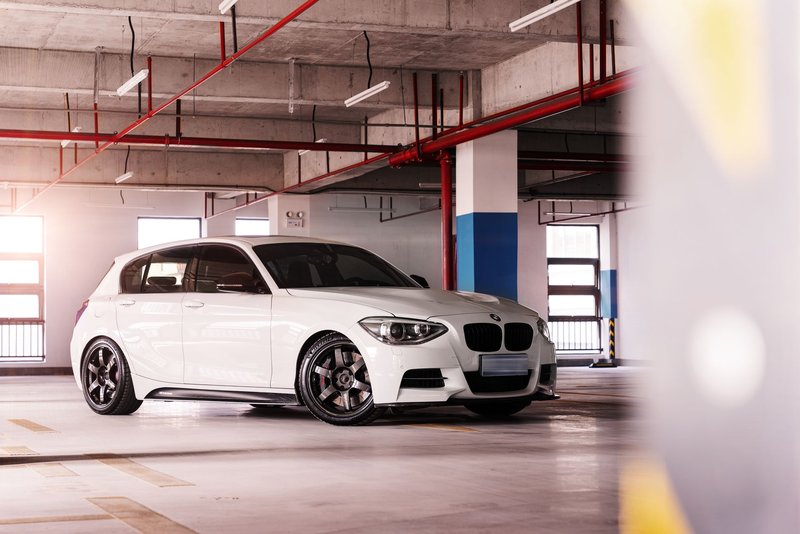
Engine: 3.0-litre naturally aspirated straight-six, 265 PS. Drive: rear-wheel drive. 0-62 mph: about 6 seconds.
BMW built a hatchback with a straight-six in the nose, power going to the back wheels, and a weight balance close to 50:50. In its class it was the only rear-drive hatch until the third-generation 1 Series moved to front-wheel drive in 2019. The inline-six sounds wonderful and the steering is far more interesting than any front-drive rival’s. The penalty is a cramped rear seat and a narrow cabin.
Standout fact: The E87 was the last mainstream rear-drive hatchback. After it, the rest of the segment was all front-drive.
Verdict: The best used performance bargain on the list, if you can find one without a service gap.
Who it’s for: Drivers who want a rear-drive hatch without paying Integrale money. The US never got the hatch; it received the 128i coupe instead.
11. Ford Fiesta ST Mk7 (2013)
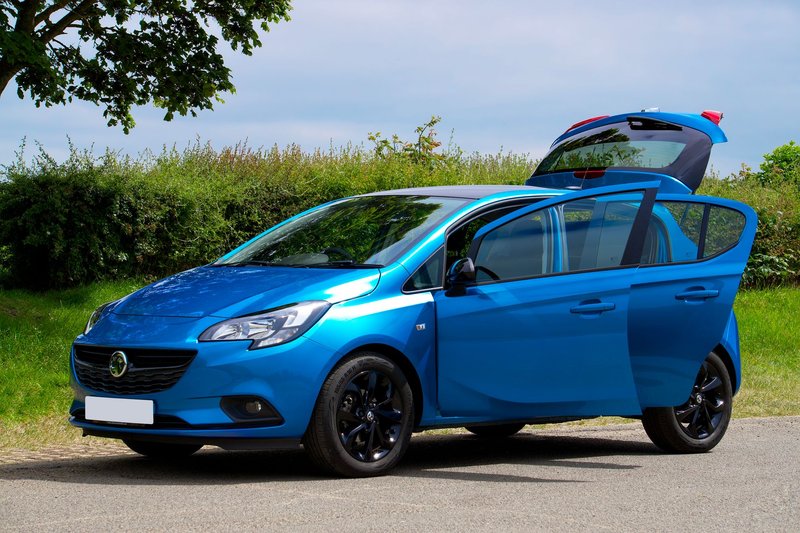
Engine: 1.6-litre EcoBoost turbo, 182 PS (197 hp in the US, 200 PS in the ST200). 0-62 mph: about 6.9 seconds.
The Fiesta ST is the car for anyone who thinks hot hatches got too big and too expensive. It’s small, light and cheap to run, and the chassis is one of the best Ford has ever made. Torque vectoring through the brakes helps the nose tuck in, the steering is quick, and the engine is happy at any speed. Ford ended Fiesta production in Cologne in 2023, so the used market is the only place left to find one.
Standout fact: The Mk7 ST has a proper four-cylinder engine. The next generation replaced it with a three-cylinder.
Verdict: The easiest hot hatch to live with, and arguably the most fun per dollar.
Who it’s for: First-time hot hatch buyers who want something cheap and forgiving.
12. Volkswagen Golf R32 Mk4 (2002)
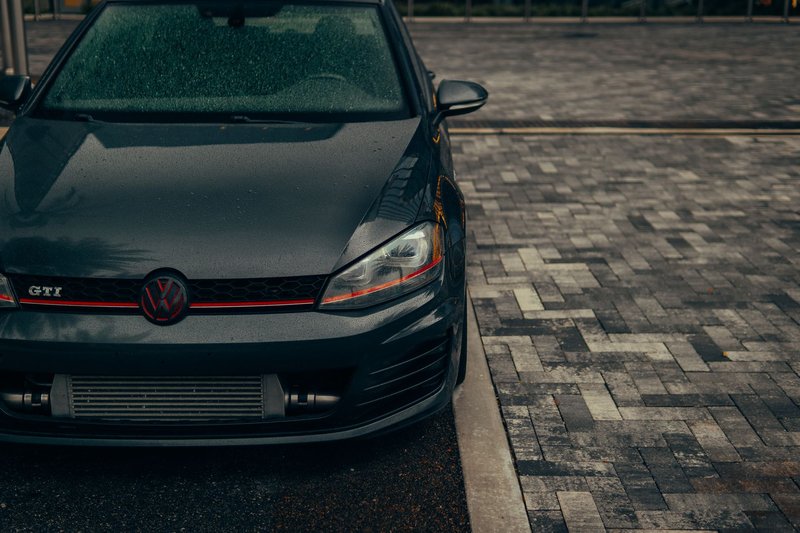
Engine: 3.2-litre VR6, 241 PS. Drive: 4Motion all-wheel drive, optional DSG gearbox from 2003.
The Golf R32 was the car that told the market a Golf could be a grown-up performance car. The VR6 has a distinctive growl, the twin centre-exit exhaust is now a design classic, and it remains a standout among discontinued Volkswagen models worth buying today. It was also the first production car with a dual-clutch gearbox. DSG is now standard across the industry, and it started in this Golf.
Standout fact: VW introduced DSG in this car, the first dual-clutch gearbox in a series-production road car.
Verdict: Heavy and a bit understeery, but a landmark for the technology and for how the Golf was perceived.
Who it’s for: Buyers who want a refined, all-weather performance hatch.
13. Mini Cooper S R53 (2002)
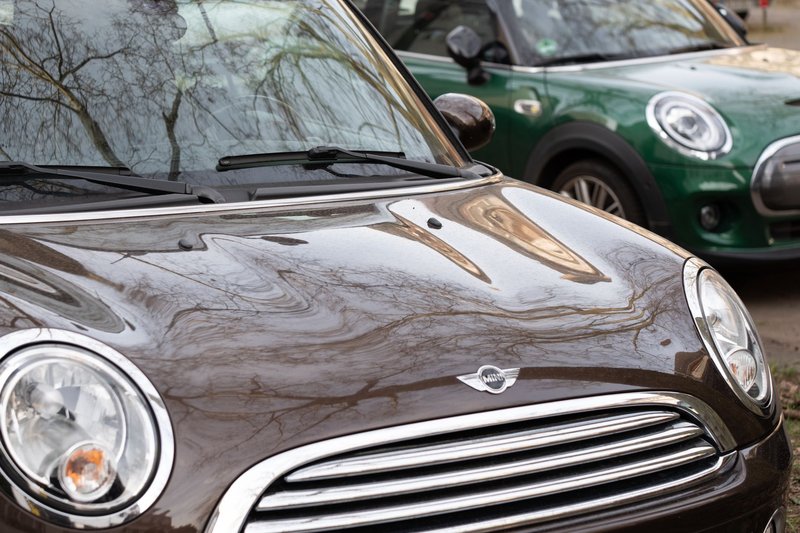
Engine: 1.6-litre supercharged four-cylinder, 163 PS (168 hp in the US). 0-60 mph: about 7 seconds.
BMW’s rebooted Mini kept the original’s proportions and gave it a modern chassis. The R53 Cooper S had a supercharger whine, an eager front end and a steering rack that felt connected to the road. It wasn’t perfect: the interior was plasticky and the rear seat is a formality. It’s in the top 15 because it reinvented a brand with a single car.
Standout fact: The engine was built in Brazil under a joint venture between Chrysler and Rover.
Verdict: The best retro-reboot hatchback ever made.
Who it’s for: City drivers who want a fun car with personality.
14. Renault Clio Williams (1993)
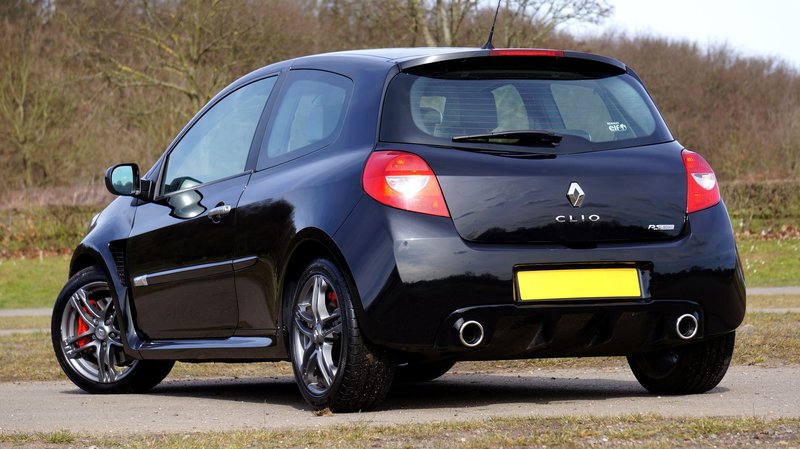
Engine: 2.0-litre 16-valve four-cylinder, 150 PS. 0-62 mph: about 7.8 seconds.
Renault wanted to celebrate its Formula 1 partnership with Williams, so it built a Clio with a 2.0-litre engine, a wider track and gold wheels. The first batch was meant to be a limited run, and demand pushed Renault to build three series totalling around 12,000 cars. On a back road the Clio Williams is lively and communicative, and it’s a better car to drive than the 205 in some ways. Good ones are now expensive.
Standout fact: Sapphire blue paint and gold wheels, with a chassis that backs them up.
Verdict: A cult classic that deserves the attention it gets.
Who it’s for: Collectors who want a French hot hatch from the golden era.
15. Nissan Leaf (2010)
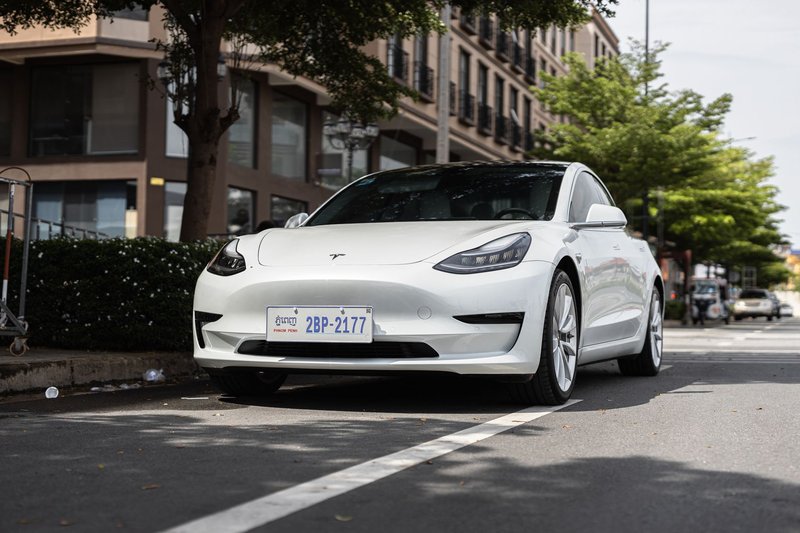
Powertrain: 24 kWh battery, 107 hp electric motor. Range: 73 miles, per the EPA.
The first Leaf wasn’t fast, pretty or long-legged. It was a mass-market electric car you could buy at a Nissan dealer, and that mattered more than any of those. It sold more than half a million cars by 2020 and was the world’s best-selling EV for most of a decade. The Department of Energy’s EV pages describe the market that followed. Every EV hatchback on sale today owes something to it.
Standout fact: It was the best-selling electric car in history for years, ahead of Tesla’s early cars.
Verdict: Not a driver’s car, but a historical one. The early battery packs degrade, so range is a real concern on used cars.
Who it’s for: Short-commute drivers who want the cheapest electric car possible and understand the battery trade-offs.
Quick-Reference Table
Prices are rough used-market ranges for decent examples and vary a lot by condition, mileage and country. Treat them as a starting point, not a quote.
| Rank | Car | Decade | Power | Rough used price |
|---|---|---|---|---|
| 1 | VW Golf GTI Mk1 | 1970s | 110 PS | $20,000 to $50,000+ |
| 2 | Peugeot 205 GTI | 1980s | 105 to 130 PS | £12,000 to £30,000 |
| 3 | Renault 5 (GT Turbo) | 1970s to 80s | 36 to 120 PS | £5,000 to £15,000 |
| 4 | Lancia Delta Integrale | 1980s | 185 to 215 PS | £60,000 to £150,000+ |
| 5 | Honda Civic Type R EK9 | 1990s | 185 PS | $30,000 to $60,000 |
| 6 | Toyota Prius (Gen 2) | 2000s | 110 hp | $3,000 to $7,000 |
| 7 | Ford Focus RS Mk2 | 2000s | 305 PS | £20,000 to £35,000 |
| 8 | Toyota GR Yaris | 2020s | 261 PS | £30,000 to £45,000 |
| 9 | Mazda3 / Mazdaspeed3 | 2000s | 148 to 263 hp | $3,000 to $12,000 |
| 10 | BMW 130i | 2000s | 265 PS | £4,000 to £9,000 |
| 11 | Ford Fiesta ST Mk7 | 2010s | 182 to 200 PS | $8,000 to $16,000 |
| 12 | VW Golf R32 Mk4 | 2000s | 241 PS | $10,000 to $25,000 |
| 13 | Mini Cooper S R53 | 2000s | 163 PS | $5,000 to $12,000 |
| 14 | Renault Clio Williams | 1990s | 150 PS | £12,000 to £25,000 |
| 15 | Nissan Leaf (24 kWh) | 2010s | 107 hp | $4,000 to $8,000 |
Category Winners
Not every buyer wants the same hatchback, so here’s a winner for each use.
- Best hot hatch overall: Volkswagen Golf GTI Mk1
- Best driver’s car: Peugeot 205 GTI
- Best rally hatchback: Lancia Delta HF Integrale
- Best modern performance hatch: Toyota GR Yaris
- Best everyday hatchback: Mazda3
- Best economy hatchback: Toyota Prius (second generation)
- Best electric hatchback: Nissan Leaf
- Best used bargain: BMW 130i
- Best design: Renault 5

Marco Delantero
More from Marco DelanteroHow we reviewed this article
This article was researched against manufacturer records and editorially reviewed before publishing. We accept no payment for coverage. Some guides contain affiliate links; see our affiliate disclosure.