Volkswagen has a habit of killing off the cars enthusiasts love most. The Beetle, the Bus, the Scirocco, the Passat — all gone from US showrooms, all replaced by another crossover with a slightly different ride height. The pattern isn’t random. Americans stopped buying sedans, VW pivoted hard toward SUVs and EVs, and the cars that didn’t fit that math got cut.
The good news for anyone shopping used: discontinued doesn’t mean bad. A lot of these models are German-engineered, genuinely good to drive, and now sitting in the depreciation sweet spot where someone else already ate the big first-owner loss. The catch is knowing which ones are worth the maintenance bills and which ones will bleed you dry.
Here’s the full rundown — recently axed models you can still find with low miles, plus the classics that turned into collector territory. For each one: why it died, what it costs now, and whether you should actually buy it.
Table of Contents
- Why Volkswagen keeps discontinuing models
- Quick verdict: which discontinued VWs to buy
- Recently discontinued (2018–2024)
- The classics
- Discontinued VW comparison table
- Frequently asked questions
Why Volkswagen keeps discontinuing models
Three forces drive almost every VW discontinuation in the US market.
The first is the sedan collapse. American buyers walked away from traditional three-box sedans somewhere around 2015, and they haven’t come back. When the Passat and the Golf hatchback couldn’t justify their own assembly lines against the Tiguan and Atlas, VW cut them. This is the same logic that ended the Ford Fusion and the Chevy Impala — VW just held on a little longer.
The second is the EV pivot. Volkswagen spent the back half of the 2010s rebuilding itself around the ID. lineup after the diesel emissions scandal. Combustion models that didn’t earn their keep became line items to delete. The 2015 diesel settlement cost VW more than $20 billion and effectively ended its diesel program in the US, taking the TDI versions of the Golf, Jetta, and Passat with it.
The third is plain global rationalization. Niche body styles — wagons, two-door coupes, fastback “four-door coupes” — sell in tiny numbers here compared to Europe. The Golf SportWagen, the CC, the Arteon: all victims of math that worked overseas but not in a US market that wants crossovers. It’s the same pattern that has thinned out the catalogs of VW’s own sister brands, from the complete list of SEAT discontinued models to Škoda’s retired lineup.
Knowing why a model died tells you something useful as a buyer. A car killed because sedans went out of fashion is a very different proposition from one killed because it was a warranty nightmare.
Quick verdict: which discontinued VWs to buy
Short on time? Here’s the bottom line.
- Best overall used buy: Mk7 Golf GTI (2015–2021) — the discontinuation everyone’s still mad about, and the most car for the money.
- Best value sedan: 2019–2022 Passat — cheap, roomy, boring in the good way.
- Best enthusiast pick: Golf R (2015–2019) — all-wheel drive, genuinely quick, holds value.
- Best classic to actually drive: Mk1 Scirocco or air-cooled Beetle, if you want a project.
- Skip unless you love it: Phaeton (parts and complexity) and the Routan (it’s a rebadged Chrysler).
Now the detail.
Recently discontinued (2018–2024)
These are the models you’ll find on used lots right now, often with factory warranty still attached.
Volkswagen Passat (discontinued 2022)
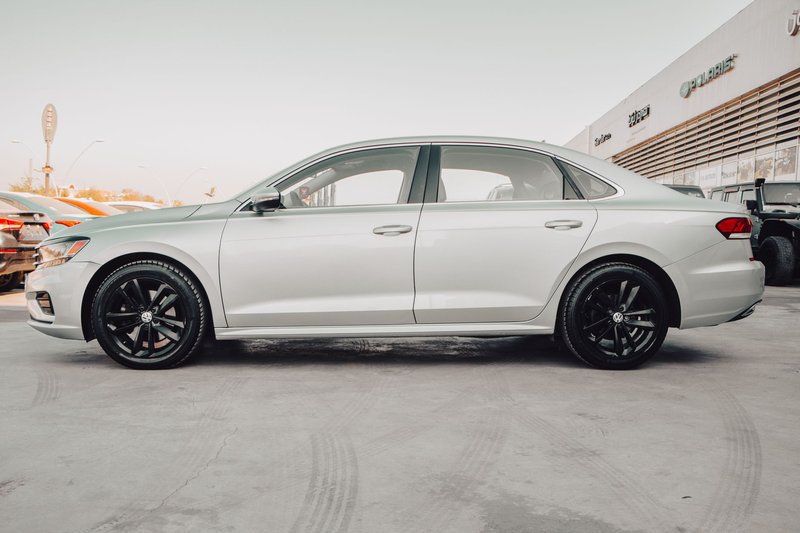
The Passat is the textbook casualty of the American sedan exodus. VW ended US production in 2022 with a “Limited Edition” run, closing out a midsize sedan that had been on sale here for decades. The last-generation US Passat (2012–2022) was actually built in Chattanooga, Tennessee, and engineered specifically for American tastes — bigger back seat, softer ride, simpler tech.
Why it died: Nobody bought midsize sedans anymore. The Tiguan and Atlas made VW more money per unit.
Used price: Roughly $14,000–$22,000 for 2019–2022 examples with reasonable miles.
Reliability note: The 2.0T EA888 engine is well-understood and durable if you keep up with oil changes. Watch for the timing chain tensioner on higher-mileage cars — it’s a known weak point on early versions of this engine, mostly sorted by the 2018+ models.
Should you buy it? Yes, if you want a cheap, spacious, unexciting commuter. It’s the used-car equivalent of comfortable shoes.
Volkswagen Arteon (discontinued 2023)
The Arteon was VW’s attempt at an affordable four-door “coupe” to slot above the Passat — sleek fastback roofline, frameless doors, the works. It was genuinely handsome and genuinely slow-selling. VW pulled it from the US after 2023.
Why it died: Premium-priced niche body style in a market that wanted crossovers. It competed with itself and with cheaper Audis.
Used price: Around $25,000–$33,000, depending on trim and the SEL R-Line packages.
Reliability note: Same EA888 2.0T as the Passat and GTI, so the mechanical story is familiar. The complexity lives in the electronics and the adaptive suspension on higher trims.
Should you buy it? If you want something that looks like a $60,000 car for half that, yes. Just go in knowing parts and depreciation are both steeper than a Passat’s.
Volkswagen Golf and Golf SportWagen (US, 2019)
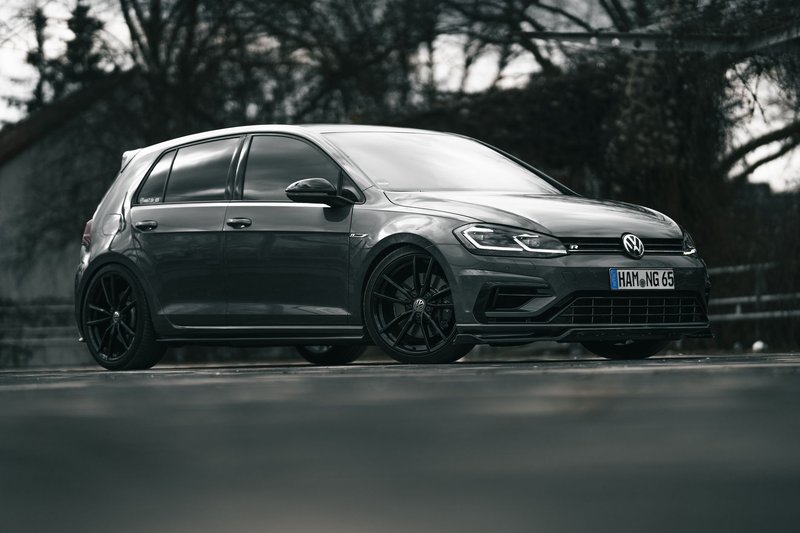
VW pulled the standard Golf hatchback and the Golf SportWagen/Alltrack wagon from the mainstream US lineup after 2019, keeping only the GTI and Golf R performance versions for a few more years. The base Golf was, by most accounts, one of the best small cars you could buy — and almost nobody did. It was still a fixture of the broader market in that era, as a glance at the complete list of 2015 U.S. car models makes clear before the segment thinned out.
Why it died: Americans don’t buy hatchbacks or wagons in meaningful numbers. The crossover ate this segment alive.
Used price: $13,000–$19,000 for a clean Mk7 Golf or SportWagen.
Reliability note: Solid. The 1.8T and 2.0T engines are proven. The SportWagen with 4Motion all-wheel drive (the Alltrack) is a quiet enthusiast favorite.
Should you buy it? Absolutely, if you can find one. A Golf SportWagen Alltrack is one of the most useful, underrated used cars on the market.
Volkswagen Golf GTI Mk7 (US base/SE/Autobahn era ended 2021)
The Mk7 GTI (2015–2021) is the one enthusiasts point to when they complain about VW “ruining” the GTI with later changes. It’s widely considered the high-water mark: sharp handling, a torquey 2.0T, available manual transmission, and a back seat you can actually use.
Why the generation ended: Normal model-cycle replacement by the Mk8 — but the Mk8’s controversial touch controls made the Mk7 a hot used pick.
Used price: $18,000–$28,000, with manuals commanding a premium.
Reliability note: The most documented car on this list. Known issues (water pump, carbon buildup on direct-injection engines) have known fixes and a huge aftermarket.
Should you buy it? This is the buy. Best hot hatch value in the used market, full stop.
Volkswagen Golf R Mk7 (2015–2019)
The Golf R is the GTI’s all-wheel-drive, more-power sibling. The Mk7 R put roughly 288–292 horsepower through a 4Motion system and would embarrass cars costing twice as much off a stoplight.
Why the generation ended: Replaced by the Mk8 R.
Used price: $26,000–$36,000, and it holds value better than almost any VW.
Reliability note: Same robust EA888 platform, but tuned harder. Clutch wear on manuals and the haldex AWD service intervals are the things to check.
Should you buy it? If the budget stretches, yes. It’s a four-season sleeper that doesn’t depreciate.
Volkswagen Beetle (final discontinuation 2019)
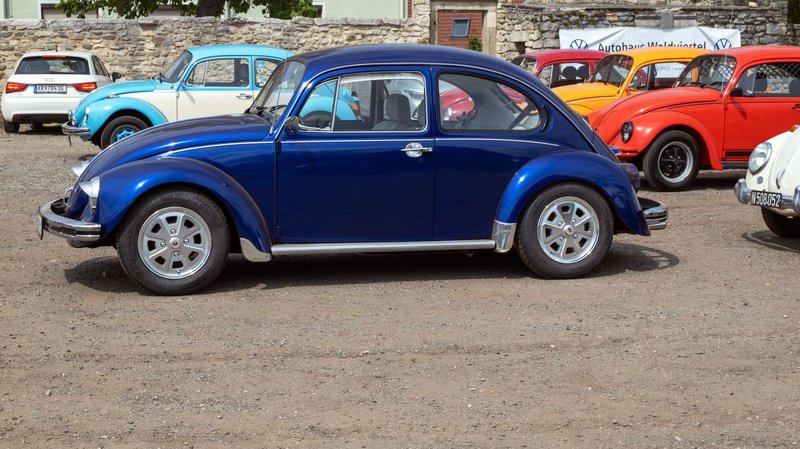
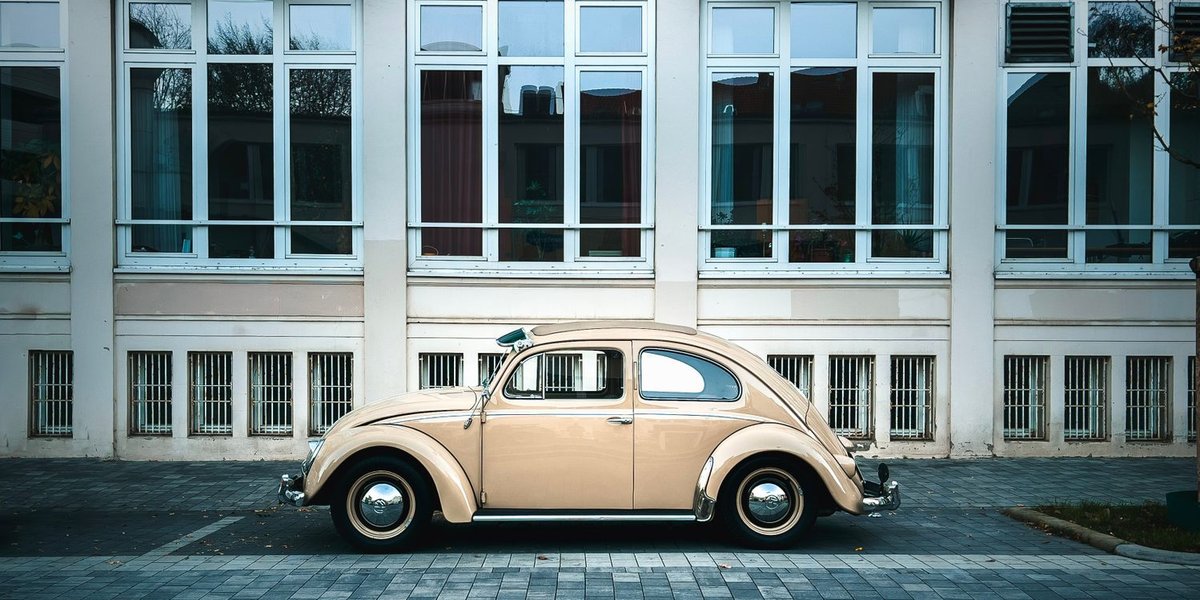
The modern Beetle — the New Beetle of 1998 and its 2011 redesign — finally ended in 2019 with a “Final Edition.” This is distinct from the original air-cooled Beetle (more on that below). The retro Beetle was a styling exercise that ran out of runway.
Why it died: A nostalgia play with a finite audience. Once the novelty faded, sales did too. VW even said the door was open to a future electric Beetle, but nothing has materialized.
Used price: $12,000–$20,000 for later models; convertibles and the Final Edition trim cost more.
Reliability note: Mechanically it shares parts with the Golf and Jetta, so it’s straightforward. The convertible roof mechanism is the main thing to inspect.
Should you buy it? As a cheerful, cheap-to-run cruiser, sure. Just don’t expect it to drive like a GTI — it’s softer underneath the cute sheetmetal.
Volkswagen CC (discontinued 2017)
The CC (“Comfort Coupe”) was the Arteon’s predecessor: a Passat-based fastback with a swoopy roof and four frameless doors. It was discontinued after 2017 and replaced by the Arteon.
Why it died: Replaced by the Arteon, which then also died. The niche just doesn’t sell here.
Used price: $11,000–$18,000, making it the bargain way into the “four-door coupe” look.
Reliability note: The 2.0T cars are the sweet spot. The VR6 versions are smoother but thirstier and rarer.
Should you buy it? It’s a lot of style for the money. Good pick if you want Arteon looks on a Passat budget.
The classics
These are out of daily-driver territory and into enthusiast and collector ground. Prices vary wildly with condition.
Volkswagen Type 2 (the Bus / Microbus)
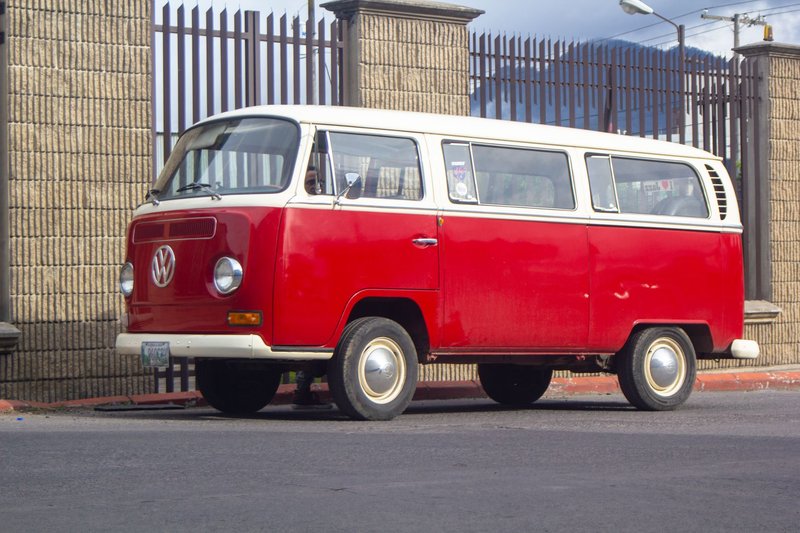
The VW Bus is arguably the most recognizable van ever built. Production of the original air-cooled Type 2 ran for decades globally, with the final examples rolling out of Brazil in 2013 when newer safety regulations finally killed it.
Why it died: Safety and emissions regulations the air-cooled platform could never meet.
Used price: Anywhere from $20,000 for a project to well over $100,000 for a restored split-window. The market here is genuinely insane.
Should you buy it? Only with your eyes open. These are slow, they need constant attention, and clean ones cost real money. People buy them for love, not logic. The forthcoming ID. Buzz is VW’s electric homage, if you want the look with modern reliability.
Volkswagen Karmann Ghia
A Beetle underneath, an Italian-designed body on top. The Karmann Ghia (1955–1974) was VW’s stylish coupe — all the looks of a sports car with the humble mechanicals of a Beetle.
Why it died: Replaced conceptually by the Scirocco in the 1970s.
Used price: $15,000–$45,000 depending on condition and whether it’s a coupe or convertible.
Should you buy it? A great entry into air-cooled classics. Parts share with the Beetle, so it’s one of the more maintainable vintage VWs.
Volkswagen Scirocco
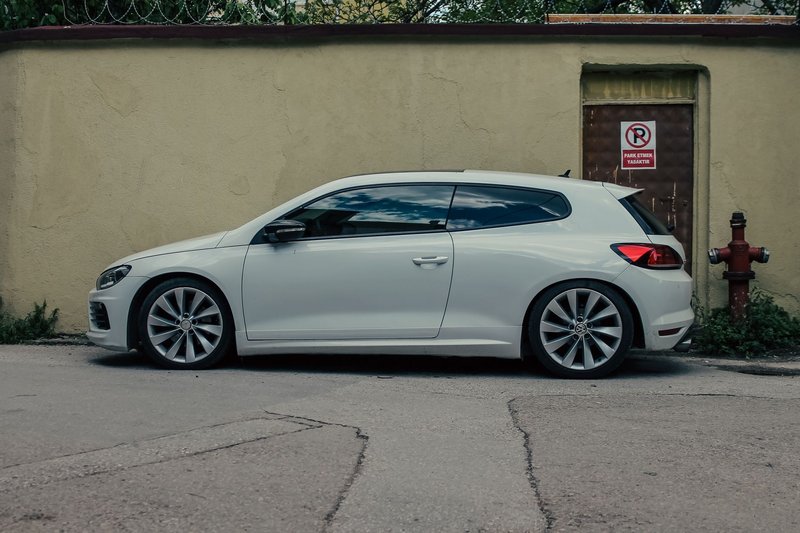
The Scirocco was VW’s sporty hatchback-coupe, sold in the US through two generations into the late 1980s (and revived in Europe later, but never brought back stateside). The Mk1, designed by Giorgetto Giugiaro, is the one collectors chase.
Why it died (in the US): Replaced by the Corrado, then the segment quietly disappeared from US showrooms.
Used price: $6,000–$18,000 for solid Mk1 and Mk2 examples; pristine cars cost more.
Should you buy it? A fun, lightweight classic that shares Golf mechanicals, so it’s wrenchable. The water-cooled engines are easier to live with than the air-cooled crowd.
Volkswagen Corrado
The Corrado replaced the Scirocco as VW’s sport coupe and is best remembered for the supercharged G60 and the silky VR6 versions. It ended production in 1995 and has a devoted following.
Why it died: Low sales and a price that crept too close to entry-level luxury coupes.
Used price: $10,000–$25,000, with clean VR6 cars at the top.
Should you buy it? The VR6 Corrado is a cult classic for good reason. Parts are getting harder to find, so buy the best example you can and budget for upkeep.
Volkswagen Phaeton
VW’s wild swing at a flagship luxury sedan. The Phaeton shared its bones with the Bentley Continental, offered a W12 engine, and was built in a glass factory in Dresden. It flopped in the US and was pulled after 2006.
Why it died: Nobody wanted to pay Audi-A8 money for a car with a VW badge. It was a brilliant car and a terrible business idea.
Used price: $8,000–$20,000 — shockingly cheap for what it is, and that’s the warning.
Should you buy it? Only if you enjoy financial risk. The cheap purchase price is bait; the repair bills on the air suspension, the W12, and the labyrinth of electronics are where Phaetons live up to their reputation. Admire it, maybe don’t own it.
Discontinued VW comparison table
| Model | Year discontinued (US) | Used price range | Best for | Buy verdict |
|---|---|---|---|---|
| Golf GTI (Mk7) | 2021 | $18k–$28k | Hot hatch value | Best overall buy |
| Golf R (Mk7) | 2019 | $26k–$36k | All-weather speed | Strong buy |
| Passat | 2022 | $14k–$22k | Cheap comfort | Buy |
| Golf SportWagen / Alltrack | 2019 | $13k–$19k | Practical wagon | Buy if you find one |
| Arteon | 2023 | $25k–$33k | Style on a budget | Buy with eyes open |
| CC | 2017 | $11k–$18k | Coupe looks, low cost | Good value |
| Beetle (modern) | 2019 | $12k–$20k | Cheerful cruiser | Fine |
| Scirocco (classic) | Late 1980s | $6k–$18k | Lightweight classic | Buy a clean one |
| Corrado | 1995 | $10k–$25k | Cult coupe | Buy the VR6 |
| Bus (Type 2) | 2013 (global) | $20k–$100k+ | Icon status | Love, not logic |
| Phaeton | 2006 | $8k–$20k | Brave gamblers | Skip |
Frequently asked questions
Why did Volkswagen discontinue the Passat?
VW discontinued the US Passat after 2022 because midsize sedan sales had collapsed in favor of crossovers. The Chattanooga-built Passat couldn’t compete on profit-per-unit against the Tiguan and Atlas SUVs, so VW ended it with a Limited Edition run and redirected resources toward SUVs and the ID. EV lineup.
What is the best discontinued Volkswagen to buy used?
The Mk7 Golf GTI (2015–2021) is the consensus pick. It combines sharp handling, a proven and tunable 2.0T engine, an available manual, and a massive aftermarket. For all-weather performance, the Mk7 Golf R is the step up. For cheap practicality, the Passat or Golf SportWagen win.
Will Volkswagen bring back the Beetle or the Bus?
The Bus is effectively back as the electric ID. Buzz, which channels the original Microbus design. VW has hinted at an electric Beetle but has not committed to one. Don’t hold your breath for a combustion revival of either — the company’s roadmap is firmly EV-focused.
Are discontinued VWs hard to get parts for?
The recent models (Passat, Golf, GTI, Arteon, CC) share engines and platforms with cars VW still sells, so parts are easy and cheap. The classics are a different story: Beetle and Karmann Ghia parts are well-supported by the aftermarket, but the Phaeton and rarer trims can mean long waits and high prices.
Is a discontinued VW worth buying over a current model?
Often yes. Discontinuation usually accelerates depreciation, so you get more car for the money — especially with sedans and wagons that fell out of fashion rather than failed. The exception is any model that was discontinued because it was complex or unreliable, like the Phaeton, where the low entry price hides expensive ownership.
The takeaway
Volkswagen’s discontinued lineup splits cleanly into two buckets. The recent ones — Passat, Golf, GTI, Arteon — are smart used buys that got cut for market reasons, not mechanical ones. Depreciation did the work for you, and the engineering is the same stuff VW still puts in its current cars.
The classics are about passion and patience. A Scirocco or a Corrado VR6 rewards someone who likes wrenching; a Bus or a Phaeton rewards someone with a healthy maintenance fund and realistic expectations.
If you want one piece of advice: buy the Mk7 GTI. It’s the rare car that’s both the enthusiast’s choice and the sensible one, which is exactly why everyone’s still annoyed VW moved on from it.

Tyler Bridges
More from Tyler BridgesHow we reviewed this article
This article was researched against manufacturer records and editorially reviewed before publishing. We accept no payment for coverage. Some guides contain affiliate links; see our affiliate disclosure.