Dodge sold 13 distinct nameplates in 1997, and they covered almost everything: a $10,000 econobox, a 450-horsepower V10 sports car, a diesel truck that would outlive its owner, and the minivan that paid for all of it. This guide goes through every 1997 Dodge model by category, with engines, horsepower, what changed that year, and what a clean example costs now, almost three decades later.
If you’re shopping, identifying a car you just inherited, or hunting for parts compatibility, start with the table, then jump to the model you care about.
Contents
Quick reference
Prices are approximate. Original figures are base MSRP ranges; “today” figures are typical asking prices for running, presentable examples, and they swing a lot with condition and mileage.
| Model | Type | Power range | Original price | Typical price today |
|---|---|---|---|---|
| Neon | Compact coupe/sedan | 132-150 hp | $10,000-$14,000 | $1,500-$4,500 (ACR higher) |
| Stratus | Midsize sedan | 132-168 hp | $14,000-$19,000 | $1,500-$3,500 |
| Avenger | Sport coupe | 140-163 hp | $16,000-$20,000 | $1,500-$4,000 |
| Intrepid | Full-size sedan | 161-214 hp | $19,000-$24,000 | $1,500-$3,500 |
| Viper | Sports car | 450 hp | about $66,000 | $50,000-$110,000 |
| Dakota | Compact pickup | 120-230 hp | $13,000-$22,000 | $3,000-$8,000 |
| Ram 1500 | Full-size pickup | 175-300 hp | $15,000-$25,000 | $3,500-$9,000 |
| Ram 2500/3500 | Heavy-duty pickup | 175-300 hp | $19,000-$35,000 | $5,000-$40,000 |
| Ram Van | Full-size van | 175-245 hp | $18,000-$24,000 | $2,500-$7,000 |
| Ram Wagon | Passenger van | 175-245 hp | $21,000-$28,000 | $2,500-$7,000 |
| Caravan | Minivan | 150-166 hp | $18,000-$25,000 | $1,000-$3,000 |
| Grand Caravan | Long minivan | 150-166 hp | $21,000-$28,000 | $1,000-$3,500 |
The Stealth, Dodge’s Mitsubishi-built sports coupe, was gone after 1996. If you see one badged as a 1997, check the paperwork.
Before you buy anything from this list, run the VIN through the NHTSA recall database. Cars this age often have open recalls that were never performed, and some of them involve airbags, brakes or fuel systems.
The cars
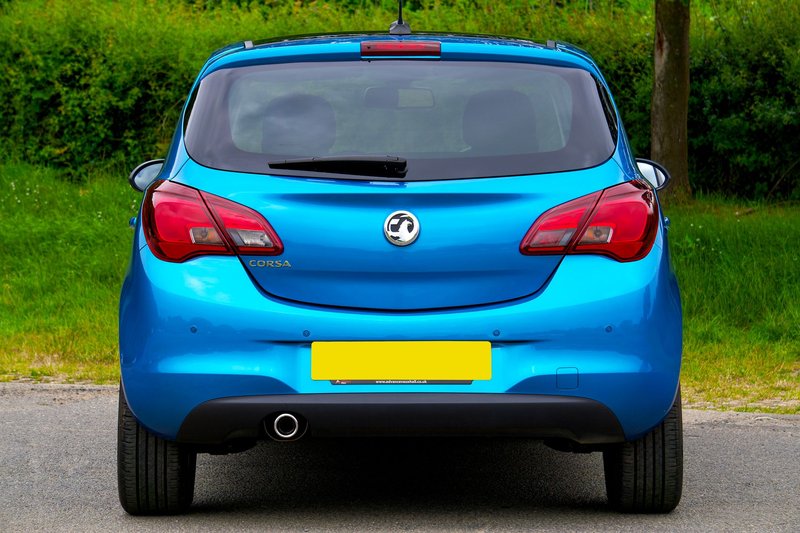
Dodge Neon
The Neon was Chrysler’s answer to the Civic and Corolla, and it undercut both on price. It was cheerful, roomy for its size, and cheap to build, which is exactly why a lot of them were driven into the ground.
| Detail | 1997 Neon |
|---|---|
| Body styles | 2-door coupe, 4-door sedan |
| Engines | 2.0L SOHC four (132 hp); 2.0L DOHC four (150 hp) in Sport |
| Transmissions | 5-speed manual, 3-speed automatic |
| Trims | Highline, Sport, ACR package |
| 1997 changes | Mostly carryover, with the Sport trim and ACR racing-oriented package available |
The 150-hp DOHC engine in the Sport is the one to want. It revs happily, and the Sport’s tighter suspension makes the car feel lighter than it is. The ACR (American Club Racer) package added stiffer suspension tuning and dropped the creature comforts, and it’s the version collectors chase.
Reliability is mixed. The SOHC engines of this era are known for head gasket failures, and rust attacks the rear wheel arches and rocker panels. A Neon with a documented head gasket replacement and no corrosion is a fine cheap commuter. A clean ACR with a manual gearbox can fetch real money, often several times what a standard Highline sells for.
Dodge Stratus
Chrysler’s cab-forward midsize sedan was in its third model year in 1997. It shared its platform with the Chrysler Cirrus and Plymouth Breeze, and it looked far more expensive than it was.
| Detail | 1997 Stratus |
|---|---|
| Body style | 4-door sedan |
| Engines | 2.0L four (132 hp); 2.4L four (150 hp); 2.5L Mitsubishi V6 (168 hp) |
| Transmissions | 5-speed manual, 4-speed automatic, 4-speed Autostick (V6) |
| Trims | Base, ES |
| 1997 changes | Minor equipment updates; no major redesign |
The Autostick is the interesting part. It was a conventional four-speed automatic with a second shifter gate: tip the lever sideways and you could pick gears yourself. It wasn’t a sports transmission, but it was a rare option in a midsize sedan at this price.
The V6 is the best Stratus drivetrain, smooth and quiet with real passing power. The four-cylinders are adequate. Watch for transmission trouble on automatics, worn suspension bushings, and interior plastics that crack with age. A clean one is a competent used car for a few thousand dollars, but nobody’s treating the Stratus as a collectible.
Dodge Avenger
The Avenger was the odd one out. Dodge didn’t build it: Mitsubishi’s Diamond-Star plant in Normal, Illinois, made it, sharing a platform with the Chrysler Sebring coupe and the Mitsubishi Galant.
| Detail | 1997 Avenger |
|---|---|
| Body style | 2-door coupe |
| Engines | 2.0L DOHC four (140 hp); 2.5L Mitsubishi V6 (163 hp) |
| Transmissions | 5-speed manual, 4-speed automatic |
| Trims | Base, ES |
| 1997 changes | Carryover |
The styling is the selling point. It’s a low, wide, wedge-shaped coupe that still looks sharper than most of what Dodge made in the same decade. The V6 ES is the one to buy, with the better engine and nicer interior. The catch is parts: because it uses Mitsubishi mechanicals, some engine and drivetrain components are easier to find through Mitsubishi channels than Dodge ones.
Avengers are cheap, front-wheel drive, and ordinary to maintain. They’re also one of the more overlooked 90s coupes, which means clean ones are scarcer than you’d think.
Dodge Intrepid
The Intrepid was the big sedan, and the best Dodge car of the decade. The cab-forward LH platform pushed the wheels to the corners, which gave it a long cabin and a flat, planted ride.
| Detail | 1997 Intrepid |
|---|---|
| Body style | 4-door sedan |
| Engines | 3.3L V6 (161 hp); 3.5L SOHC V6 (214 hp) in ES |
| Transmission | 4-speed automatic; Autostick available |
| Trims | Base, ES |
| 1997 changes | Carryover with minor trim and equipment revisions |
The ES with the 3.5L is the pick. At 214 hp, it moved the Intrepid from “comfortable family sedan” into “quick sedan,” and it handled better than most cars its size. Rear legroom was huge for the class.
The weak point is the four-speed automatic, which is the usual Chrysler transmission story of the 1990s. Fluid changes with the right fluid matter more than almost anything else on these cars. Beyond that, check for oil leaks and worn front suspension components. A 1997 Intrepid in good shape is one of the best-value used sedans from the decade.
Dodge Viper
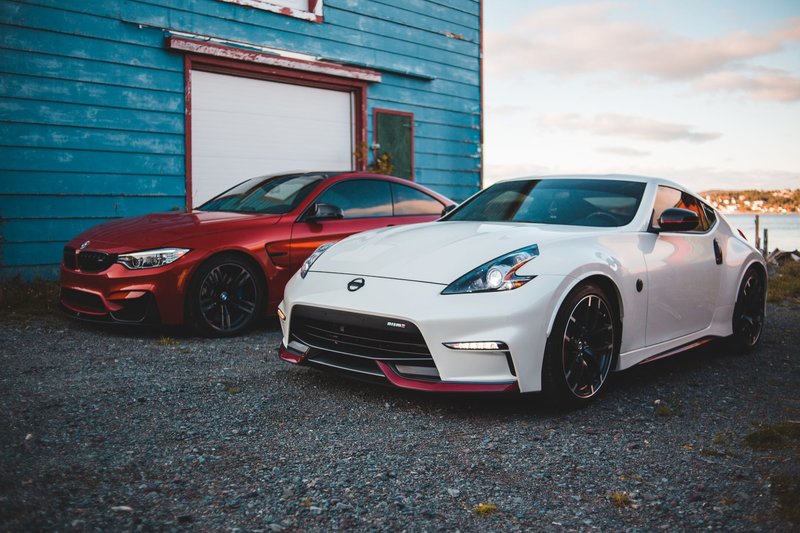
The Viper is why this list matters to enthusiasts. By 1997 it was in its second generation, which arrived for 1996 with the Viper GTS coupe and a re-engineered roadster.
| Detail | 1997 Viper |
|---|---|
| Body styles | RT/10 roadster, GTS coupe |
| Engine | 8.0L V10 |
| Power | 450 hp, 490 lb-ft (GTS) |
| Transmission | 6-speed manual only |
| Trims | RT/10, GTS |
| 1997 changes | Second-generation updates: airbags, power windows, adjustable pedals, and a stiffer, lighter chassis |
The second-generation changes mattered. The original Viper had been a stripped, raw machine with side curtains for a roof. The newer cars added real doors with exterior handles, power windows, airbags and a more refined suspension. They didn’t lose any of the V10’s menace. There’s no traction control and no stability system, and 490 lb-ft of torque goes to the rear wheels through a manual gearbox. The car does exactly what you tell it to, including the dumb things.
The GTS coupe, with its double-bubble roof and blue paint with white stripes, is the more desirable car. Production runs were small, and values have climbed steadily. Expect roadsters to start around $50,000 for decent examples and GTS coupes to run well into six figures for low-mileage ones. The Viper rewards careful buying: look for service records, a clean frame, and original paint.
The trucks
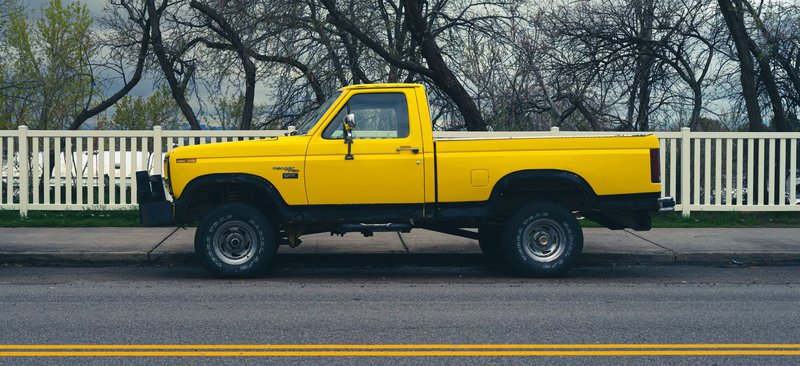
Dodge Dakota
1997 was the year the Dakota grew up. The second-generation truck, which ran through 2004, was bigger and more rounded than the original, with a face clearly borrowed from the full-size Ram.
| Detail | 1997 Dakota |
|---|---|
| Body styles | Regular cab, Club Cab |
| Engines | 2.5L four (120 hp); 3.9L V6 (175 hp); 5.2L V8 (230 hp) |
| Transmissions | 5-speed manual, 4-speed automatic |
| Drivetrain | 2WD or 4WD |
| Trims | Base, Sport, SLT |
| 1997 changes | All-new second-generation truck |
The 5.2L V8 is the one that makes the Dakota special. It was the only midsize truck in its class with a V8 option, and it made the Dakota quick and a competent tow vehicle. The 3.9L V6 is the common choice and works fine. Avoid the four-cylinder unless you want the cheapest possible truck.
Typical problems: rust in the bed and rear fenders, worn front ball joints, and cracked exhaust manifolds. If you want a 1997 Dakota, look for a V8 4WD with an intact frame. Prices run from about $3,000 to $8,000, and clean low-mileage trucks sit at the high end.
Dodge Ram 1500, 2500 and 3500
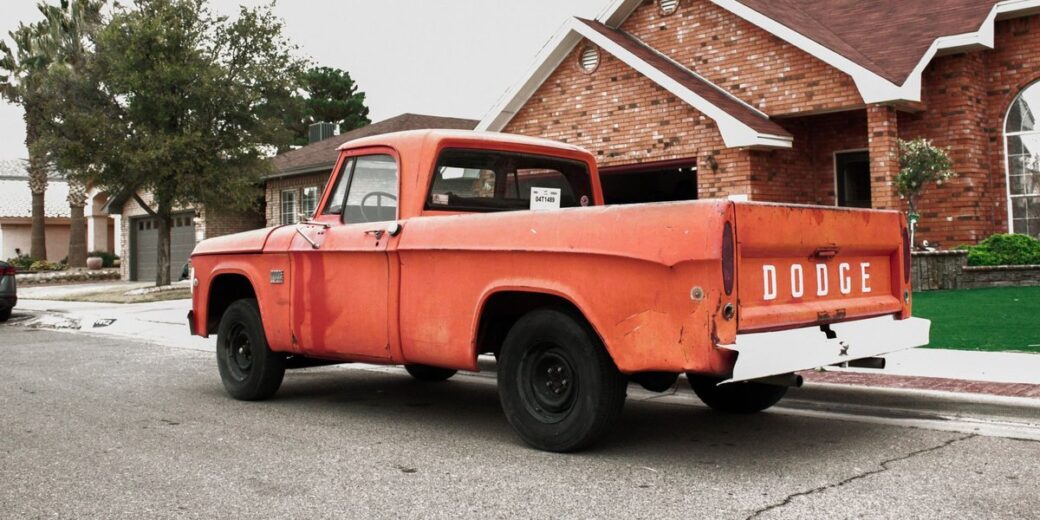
The full-size Ram is the most important truck Dodge ever built. The big-rig styling from 1994 changed how pickups looked, and the second-generation Ram was still in production in 1997, with the same basic body running through 2001.
| Detail | 1997 Ram 1500 | 1997 Ram 2500/3500 |
|---|---|---|
| Body styles | Regular cab, Club Cab | Regular cab, Club Cab, chassis cab |
| Engines | 3.9L V6 (175 hp); 5.2L V8 (230 hp); 5.9L V8 (about 240 hp) | 5.2L and 5.9L V8; 8.0L Magnum V10 (300 hp); 5.9L Cummins turbodiesel (175 hp) |
| Drivetrain | 2WD or 4WD | 2WD or 4WD; dual rear wheels on 3500 |
| 1997 changes | Carryover | Carryover |
The Ram 1500 is the straightforward pick: the 5.2L or 5.9L V8, an automatic, and a lot of truck for the money. The 3.9L V6 is underpowered for a truck this size.
The heavy-duty trucks are where the value is. The 5.9L Cummins turbodiesel, known as the “12-valve” among diesel owners, is mechanically simple and nearly unkillable. Its 175 hp rating looks modest, but it’s the torque, around 420 lb-ft, that matters, and these trucks run for 400,000 miles when maintained. That reputation has pushed prices up. A clean 4×4 with a manual transmission can cost $20,000 or more, and low-mile examples have gone much higher.
For gas-powered versions, the 8.0L V10 is a different animal: 300 hp and 450 lb-ft in a truck that tows heavy loads and drinks fuel at a rate of about 10 miles per gallon. Check the EPA fuel economy data before you commit to the fuel bills. The 5.2L and 5.9L Magnum V8s are far more sensible.
Check for rust on the cab corners and rocker panels, failed transmissions behind the Cummins, and worn steering components.
Vans and minivans
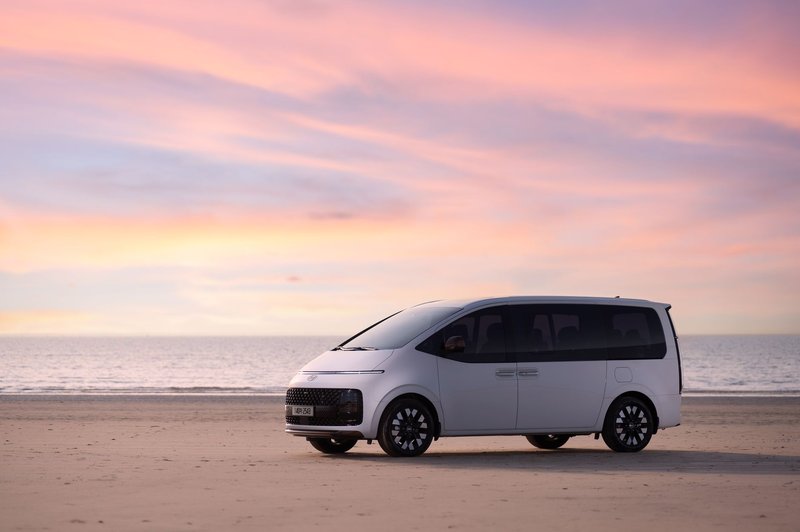
Dodge Ram Van and Ram Wagon
The Ram Van and Ram Wagon are old-school body-on-frame vans with a front-engine layout that predates modern minivans by decades. The 1997 model was the last year of the older front end. A restyle arrived for 1998.
| Detail | 1997 Ram Van / Wagon |
|---|---|
| Body styles | Cargo van (Ram Van), passenger van (Ram Wagon), regular and Maxi length |
| Models | B1500, B2500, B3500 |
| Engines | 3.9L V6 (175 hp); 5.2L V8 (230 hp); 5.9L V8 (about 240 hp) |
| Transmission | 4-speed automatic |
| Seating (Wagon) | Up to 15 on the longest B3500 |
| 1997 changes | Carryover |
These are tough, plain machines. A cargo van with a V8 is a good platform for a camper conversion, and the Wagon is the one to have if you need to move a lot of people. Parts are cheap and shared with the Ram pickups, which is the main reason to buy one. Fuel economy is poor, and the ride is truck-like.
Rust, tired suspension and accumulated deferred maintenance are the usual problems. Fleet vans have high mileage and hard use. A privately owned Wagon with a single owner and service records is the better find.
Dodge Caravan and Grand Caravan
The minivan that Chrysler invented was in its third generation in 1997, redesigned for 1996. It’s the best-selling Dodge on this list, and the one you’re most likely to see still driving.
| Detail | 1997 Caravan | 1997 Grand Caravan |
|---|---|---|
| Wheelbase | 113.3 in | 119.3 in |
| Engines | 2.4L four (150 hp); 3.0L Mitsubishi V6 (150 hp); 3.3L V6 (158 hp); 3.8L V6 (166 hp) | 3.0L V6 (150 hp); 3.3L V6 (158 hp); 3.8L V6 (166 hp) |
| Transmission | 4-speed automatic | 4-speed automatic |
| Drivetrain | FWD | FWD; AWD available |
| Trims | Base, SE, LE, ES | Base, SE, LE, ES |
| 1997 changes | Carryover | Carryover |
The Caravan and Grand Caravan differ in length. The Grand adds about six inches of wheelbase and the cargo space that comes with it. Both offer a driver’s-side sliding door, which was a big selling point in the 1996 redesign. The 3.3L and 3.8L V6 engines are the ones to choose, with more power and better towing.
The common failure is the automatic transmission, and Chrysler minivans of this era are notorious for it. Sliding door cables and rust on the rear arches follow close behind. Most 1997 Caravans are now worth little, and the real purchase is a cheap family hauler or a work van you can afford to be careless with.
Which 1997 Dodge to buy
Match the car to the job.
For collectors. The Viper GTS is the obvious answer, and its price shows it. The second-best collector buy is a Ram 2500 or 3500 with a Cummins 12-valve and a manual gearbox, because diesel truck enthusiasts keep driving prices higher. A Neon ACR is the cheap entry point.
For daily driving. The Intrepid ES with the 3.5L is the best all-rounder. It’s comfortable, quick enough, and cheap to run. If you need a truck, a V8 Dakota or Ram 1500 will handle everyday use as well as a new truck does.
For hauling and towing. A Ram 2500 with the V10 or Cummins diesel, or a Ram Wagon if you need seats. The Caravan is the budget choice for family use.
For a first car or a project. The Neon and Stratus are cheap, simple and plentiful. Neither will make money, but they teach you how to work on a car.
Whichever of the 1997 Dodge models you pick, check for rust first, then the transmission, then everything else. Dodge’s mechanical strength in 1997 was in its engines. The weak spots were gearboxes and corrosion, and those two things decide whether a cheap Dodge is a bargain or a lesson.

Marco Delantero
More from Marco DelanteroHow we reviewed this article
This article was researched against manufacturer records and editorially reviewed before publishing. We accept no payment for coverage. Some guides contain affiliate links; see our affiliate disclosure.