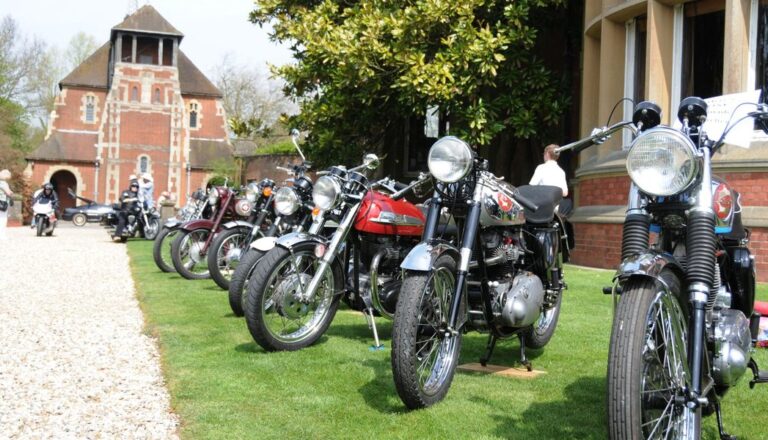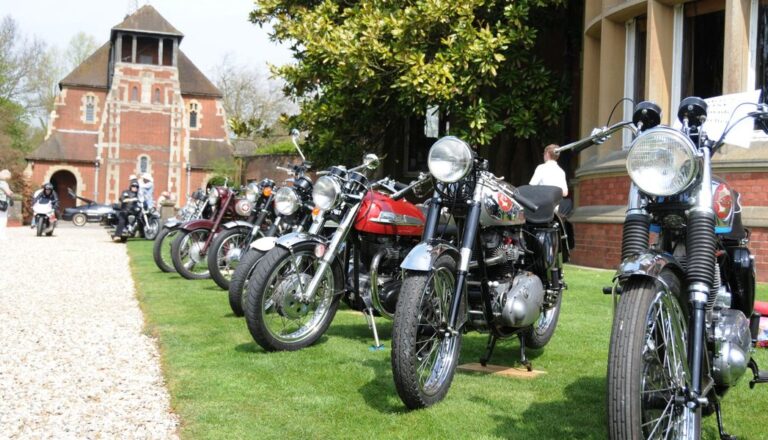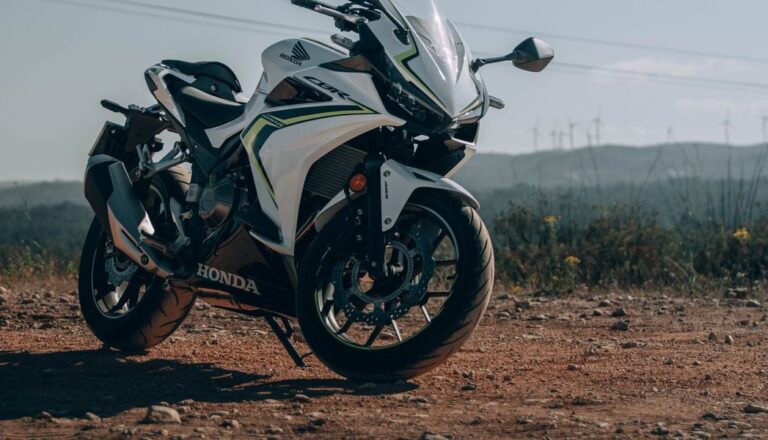
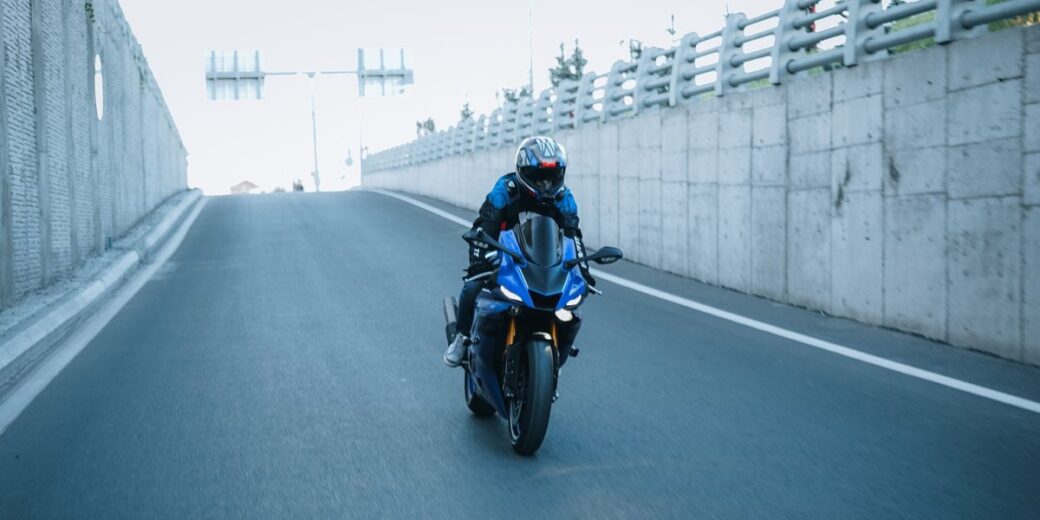
The best motorcycles of the 2010s weren’t just the fastest ones. They were the bikes that changed what a normal rider could expect: a computer that stops you highsiding, a 75-horsepower twin that costs less than a used hatchback, a retro nameplate that suddenly sold like a sportbike. Most lists stop at superbikes and adventure tourers. This one covers the whole decade, including the cheap, small and electric bikes that quietly did more for motorcycling than another 10 horsepower ever did.
Every pick below states why it mattered, gives you the key numbers, and ends with a verdict on buying one used today. Prices are rough US figures and move with condition, mileage and region.
TLDR
- Most influential: BMW S 1000 RR. It made rider aids on a superbike normal.
- Best all-rounder: Yamaha MT-07. Cheap, light, fun, and it dragged the whole middleweight class along with it.
- Best used buy: Honda Africa Twin or Kawasaki Ninja 300, depending on whether you want to go far or ride every day.
- Most outrageous: Kawasaki Ninja H2. A supercharged production bike, which shouldn’t have been approved.
- Best for new riders: Honda Rebel 300.
- Best glimpse of the future: Zero SR/F.
Contents
- What defined the decade
- Superbikes and sport bikes
- Adventure and touring
- Nakeds and middleweights
- Retro bikes
- Beginner and budget bikes
- Cruisers
- Electric
- Comparison table
- Buying a 2010s bike used
What defined the decade
Four shifts explain almost every bike on this list.
Electronics moved from option to baseline. Ride-by-wire throttles let engineers add riding modes and traction control without a mechanical link in the way. Then came the inertial measurement unit (IMU), which measures lean angle and pitch so that traction control and ABS work in corners, not just upright. KTM was among the first to sell cornering ABS to the public, on the 1190 Adventure in 2013. By the end of the decade, a mid-priced sportbike had more software than a 2005 MotoGP bike.
ABS became a regulatory fact. The EU’s Regulation 168/2013 required ABS on new motorcycles above 125cc from 2016, so every European-market bike gained it. It was worth it: IIHS research has linked ABS to a markedly lower fatal crash rate than the same models without it.
The middle got good. Parallel twins between roughly 650 and 900cc offered 70 to 110 horsepower in packages that weighed less than 215 kg and cost a fraction of a litre bike. Most riders had no use for the extra power, and sales showed it.
Retro came back, properly. Instead of cheap pastiche, manufacturers built modern engines, real brakes and decent suspension inside shapes borrowed from the 1970s.
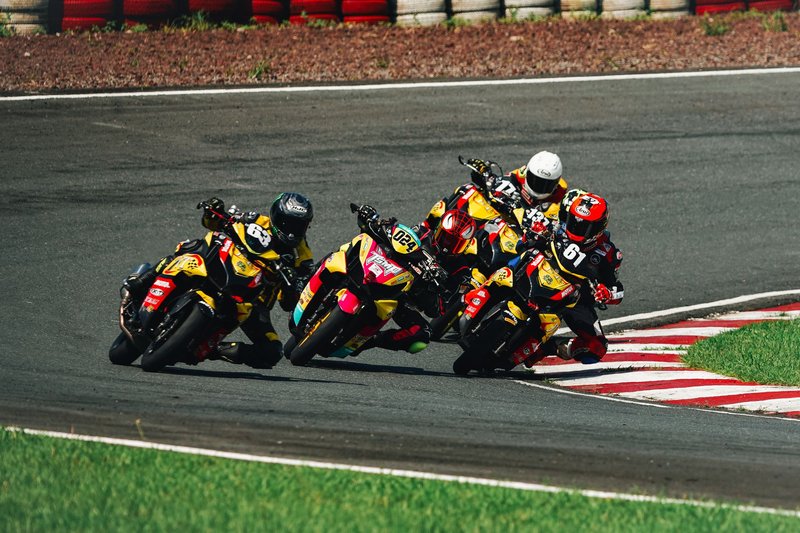
Superbikes and sport bikes
1. BMW S 1000 RR (2010)
BMW had never built a serious sportbike before this one, and it went straight for the segment’s throat. The 999cc inline-four made a claimed 193 hp, weighed 204 kg fuelled, and came with switchable riding modes, race ABS and dynamic traction control as standard-fit tech. Japanese superbikes had to scramble to catch up on electronics, and for a few years most of them didn’t.
Key specs: 193 hp (claimed), 204 kg wet, about $15,000 at launch.
Used verdict: An early bike in the $8,000 to $11,000 range is a rational way to get supercar-level acceleration. Look for a full service history and check for track use.
2. Ducati Panigale 1199 (2012)
Ducati dropped the tubular trellis frame it had used for decades and built the Panigale around a monocoque aluminium structure, with the engine as a stressed member. The 1,198cc Superquadro twin made a claimed 195 hp and the bike weighed 164 kg dry. It was the first big Ducati to treat electronics as part of the core design, with traction control, riding modes and ABS integrated from day one.
It was also demanding. The short wheelbase and edge-of-the-seat riding position rewarded experts and punished everyone else. Later Panigales softened that.
Key specs: 195 hp (claimed), 164 kg dry, about $18,000 at launch.
Used verdict: Roughly $8,500 to $12,000 now. Budget for the desmodromic valve service, which isn’t cheap, and ask for proof it was done.
3. Yamaha YZF-R1 (2015)
Yamaha bolted MotoGP thinking to a road bike. The 998cc crossplane-crank four-stroke made roughly 200 hp claimed, weighed 199 kg, and carried a six-axis IMU feeding traction, slide, wheelie and lift control, plus cornering-aware ABS. The crossplane firing order gave it a sound and a drive out of corners that no other inline-four had. The R1M version added Öhlins electronic suspension for a much higher price.
Key specs: About 200 hp (claimed), 199 kg wet, $16,490 at launch.
Used verdict: $9,000 to $12,500 for a clean standard R1. Most of the electronics are so good that it’s easier to ride than the numbers suggest.
4. Kawasaki Ninja H2 (2015)
Kawasaki’s aerospace division designed a supercharger for the H2, and the road-legal version made a claimed 200 hp (more with ram air) from a 998cc engine. It was pricey, heavy at 238 kg, and it kept a stock mirror-finish paint that took hours to apply. It sold anyway. The H2 made forced induction a topic of conversation again, and it spawned the H2 SX sport tourer, which turned the idea into something you could use daily.
Key specs: 200 hp (claimed), 238 kg wet, about $25,000 at launch.
Used verdict: Roughly $15,000 to $19,000. The H2 holds its value because it’s rare. Check the paint and ask about supercharger service.
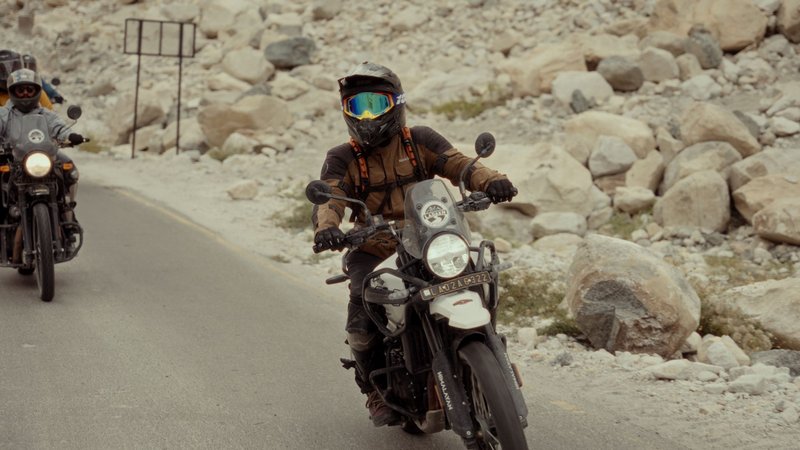
Adventure and touring
5. BMW R 1200 GS LC (2013)
The GS had defined the big adventure bike for decades, and the 2013 liquid-cooled version kept the formula. The boxer twin gained liquid cooling in the cylinder heads, claimed 125 hp, and the bike gained riding modes, traction control and an optional semi-active suspension. The GS has been the best-selling large motorcycle in Europe for years, so this model is less a gamble than a default.
Key specs: 125 hp (claimed), about 238 kg wet, around $16,500 at launch.
Used verdict: $10,000 to $14,000. Plenty of them out there, many with luggage and crash bars included, which is where the value is.
6. Ducati Multistrada 1200 (2010)
Ducati pitched this one as four bikes in one: the first Multistrada with ride-by-wire throttle and four riding modes (Sport, Touring, Urban, Enduro) that changed power delivery and electronics at the touch of a button. The 150-hp Testastretta engine turned it into a touring bike that humiliated sportbikes on a twisty road. Ducati followed up in 2015 with the DVT engine, its first with variable valve timing.
Key specs: 150 hp (claimed), 212 kg dry, about $17,000 at launch.
Used verdict: $8,000 to $12,000. Pre-DVT bikes are cheaper. Both are fast and comfortable, with higher service costs than a Japanese rival.
7. Honda Africa Twin CRF1000L (2016)
Honda revived a nameplate that many riders had given up on. The 998cc parallel twin made around 94 hp, which is modest next to the Germans and Italians, but the bike weighed about 232 kg, used a 21-inch front wheel and was built to be dropped, picked up and ridden again. An optional dual-clutch transmission was unusual for the class. Riders who actually planned to go off tarmac took notice.
Key specs: 94 hp (claimed), about 232 kg wet, $12,999 at launch.
Used verdict: $8,000 to $10,500. The best-value big adventure bike from the decade, and it stays reliable.
Nakeds and middleweights
8. KTM 1290 Super Duke R (2014)
KTM stuck a 1,301cc V-twin in a bike that weighed about 189 kg dry, produced 180 hp, and called it The Beast. It’s a naked bike with no fairing and no rider-protection ambitions, wildly fast, and also oddly manageable thanks to traction control and ride modes. It established the large-naked class as a genuine alternative to a superbike, for a rider who values accessibility over lap times.
Key specs: 180 hp (claimed), 189 kg dry, about $18,000 at launch.
Used verdict: $9,500 to $13,000. Early bikes had a few recall items, so check the service record.
9. Yamaha MT-07 (2014)
If one bike captures the decade, this is it. A 689cc crossplane-concept twin made roughly 75 hp, weighed 182 kg, and sold for about $7,000 in the US. It was light and torquey, with a riding position that forgave beginners and entertained experts. It sold in huge numbers across Europe, and nearly every manufacturer responded with a rival: Kawasaki’s Z650, Honda’s CB650R, Suzuki’s SV650 revival and Triumph’s Trident.
Key specs: 75 hp (claimed), 182 kg wet, about $7,000 at launch.
Used verdict: $4,500 to $6,500. Hard to beat, and most of the cheap ones have been crashed once, so look for fresh scuffs on the levers and bar ends.
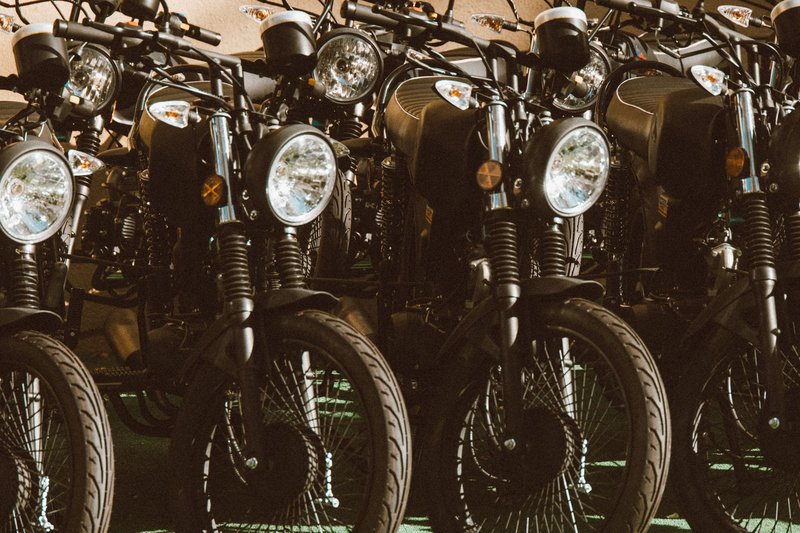
Retro bikes
10. Kawasaki Z900RS (2018)
Kawasaki built a modern Z900 and dressed it in the Z1 shape from 1972. The 948cc inline-four makes a claimed 111 hp, with traction control and ABS hiding behind the teardrop tank and round headlight. It was the proof that retro buyers want a bike that actually works, and it sold well enough to become one of Kawasaki’s most important nameplates.
Key specs: 111 hp (claimed), 215 kg wet, $11,999 at launch.
Used verdict: Roughly $9,000 to $11,000. They hold their value, and mods like exhausts are common, so ask what’s been changed.
11. Royal Enfield Interceptor 650 (2018)
Royal Enfield’s 648cc parallel twin made around 47 hp, enough for a relaxed A-road pace, in a retro roadster that cost about $5,800 in the US. It was refined where the old Enfields weren’t, with fuel injection and ABS, and the company’s reputation shifted from curiosity to credible. The Continental GT 650 café racer shared the engine.
Key specs: 47 hp (claimed), 202 kg wet, about $5,800 at launch.
Used verdict: $4,000 to $5,200. A good buy if you value character over performance.
Beginner and budget bikes
12. Kawasaki Ninja 300 (2013)
The old Ninja 250R was a bike people bought because they had to. The Ninja 300 made them want it. The 296cc parallel twin put out about 39 hp, revved happily and weighed roughly 172 kg. A slipper clutch and ABS option arrived, and the sportbike looks were convincing. It’s still one of the best first bikes you can buy, and one of the few that experienced riders keep rather than trade up from.
Key specs: About 39 hp (claimed), roughly 172 kg wet, about $4,800 at launch.
Used verdict: $2,800 to $4,000. The market is flooded with them, so take your time and pick one that wasn’t dropped.
13. Honda Rebel 300 (2017)
Honda stripped the Rebel to a low seat, a 286cc single and a retro cruiser silhouette, and made it friendly. The seat height is around 27 inches, the bike weighs about 170 kg and the engine is very forgiving. Nobody would call it fast, but it was approachable, and it brought a new set of riders, many of them women and younger people, into dealerships. A 500cc twin followed.
Key specs: About 27 hp (est.), about 170 kg wet, $4,399 at launch.
Used verdict: $3,000 to $3,900. A good bike to learn on and sell at barely any loss.
Cruisers
14. Indian Scout (2015)
Indian had spent years as a Polaris project that produced expensive, heavy bikes. The Scout was a different kind of cruiser. The 1,133cc liquid-cooled V-twin made around 100 hp, which made it quick for the class, and it handled better than most cruisers at a price (about $11,000) below the big Harleys. It gave the Sportster a real rival for the first time in a generation, and the variants that followed (Scout Sixty, Bobber) made the platform a family.
Key specs: About 100 hp (claimed), roughly 247 kg wet, about $11,000 at launch.
Used verdict: $6,500 to $9,000. Reliable, comfortable and cheap to run.
Electric
15. Zero SR/F (2019)
Electric motorcycles of the early decade were commuters or curiosities. The SR/F was the first Zero that felt like a performance bike. The motor makes about 110 hp and 140 lb-ft of torque (190 Nm) from zero rpm, the 14.4 kWh battery gives a claimed 161 miles of city range, and the bike weighs around 220 kg. Highway range falls well below that claim, but the point was made: an electric bike could be a naked sportbike, not a scooter with ambition.
Key specs: About 110 hp, 140 lb-ft, 14.4 kWh, around 220 kg, from about $19,000 at launch.
Used verdict: $9,000 to $13,000. Check battery health and the remaining warranty, and be honest about your daily range needs.
Comparison table
| # | Bike | Year | Power (claimed) | Weight | Launch price (US) | Used price today |
|---|---|---|---|---|---|---|
| 1 | BMW S 1000 RR | 2010 | 193 hp | 204 kg wet | ~$15,000 | $8,000-11,000 |
| 2 | Ducati Panigale 1199 | 2012 | 195 hp | 164 kg dry | ~$18,000 | $8,500-12,000 |
| 3 | Yamaha YZF-R1 | 2015 | ~200 hp | 199 kg wet | $16,490 | $9,000-12,500 |
| 4 | Kawasaki Ninja H2 | 2015 | 200 hp | 238 kg wet | ~$25,000 | $15,000-19,000 |
| 5 | BMW R 1200 GS LC | 2013 | 125 hp | ~238 kg wet | ~$16,500 | $10,000-14,000 |
| 6 | Ducati Multistrada 1200 | 2010 | 150 hp | 212 kg dry | ~$17,000 | $8,000-12,000 |
| 7 | Honda Africa Twin | 2016 | 94 hp | ~232 kg wet | $12,999 | $8,000-10,500 |
| 8 | KTM 1290 Super Duke R | 2014 | 180 hp | 189 kg dry | ~$18,000 | $9,500-13,000 |
| 9 | Yamaha MT-07 | 2014 | 75 hp | 182 kg wet | ~$7,000 | $4,500-6,500 |
| 10 | Kawasaki Z900RS | 2018 | 111 hp | 215 kg wet | $11,999 | $9,000-11,000 |
| 11 | Royal Enfield Interceptor 650 | 2018 | 47 hp | 202 kg wet | ~$5,800 | $4,000-5,200 |
| 12 | Kawasaki Ninja 300 | 2013 | ~39 hp | ~172 kg wet | ~$4,800 | $2,800-4,000 |
| 13 | Honda Rebel 300 | 2017 | ~27 hp | ~170 kg wet | $4,399 | $3,000-3,900 |
| 14 | Indian Scout | 2015 | ~100 hp | ~247 kg wet | ~$11,000 | $6,500-9,000 |
| 15 | Zero SR/F | 2019 | ~110 hp | ~220 kg | ~$19,000 | $9,000-13,000 |
Used prices are rough ranges for clean examples and vary a lot by market.
Buying a 2010s bike used
A bike from this decade is now old enough to be cheap and new enough to be modern. A few rules help.
Prioritize the service history. Complex machines like the Panigale, Multistrada and S 1000 RR need regular, correct maintenance. A bike with no paperwork isn’t a bargain, it’s a gamble.
Check the electronics. Dashboards, quickshifters and riding-mode switches fail in expensive ways. Cycle through every mode on the test ride and make sure warning lights clear on startup.
Look for rider-aid tech if you can afford it. An IMU-equipped bike from 2015 or later costs a bit more than one without, and for many riders it’s the better insurance.
Think about what you actually ride. Most buyers don’t need 200 hp. The MT-07, Ninja 300 and Africa Twin are the safest recommendations because they combine cheap prices with strong reliability, and they’re easy to sell on when you want something else.
Be careful with ex-track and heavily modified bikes. Extra power and a loud exhaust are fun right until the first repair bill.
The 2010s gave motorcyclists fast bikes, plenty of them. What matters more is that the decade gave riders a wider range of good bikes at every price, and made them safer to ride. Pick one of the 15 above based on how you’ll ride, not what impressed you in a spec sheet, and you won’t be disappointed.

Sarah Thornton
More from Sarah ThorntonHow we reviewed this article
This article was researched against manufacturer records and editorially reviewed before publishing. We accept no payment for coverage. Some guides contain affiliate links; see our affiliate disclosure.